
Co-living, senior housing in sharper investor focus; lines blur between living formats

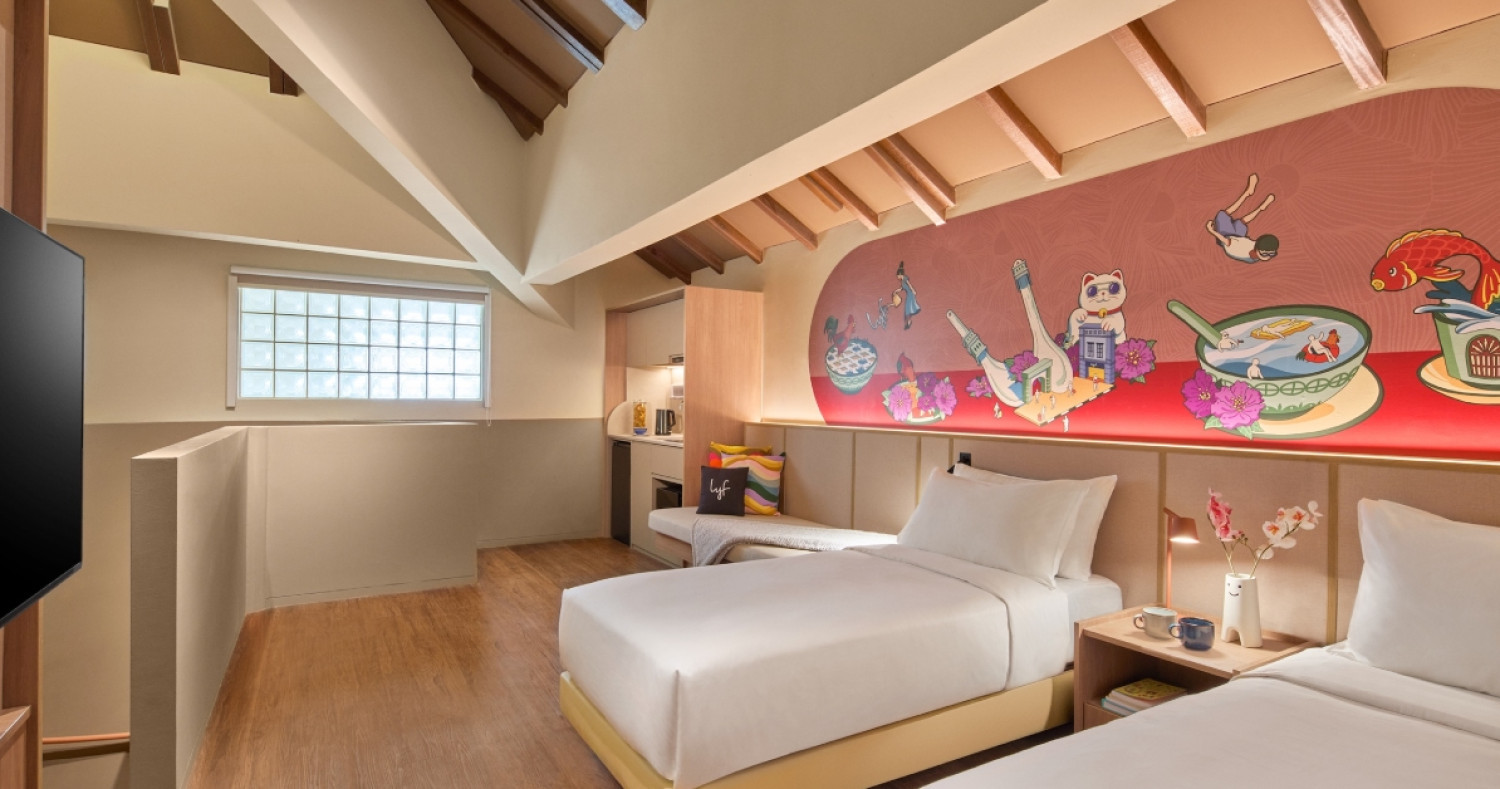
Social living property lyf Chinatown Singapore is housed within conserved shophouses. Many operators have gravitated towards such assets. (Photo: The Ascott)
Living sectors — formerly a niche, alternative asset class — are moving into the mainstream as institutional capital is flowing into growth areas such as co-living, build-to-rent, student accommodation and senior housing across Asia Pacific.
The region’s living sectors are becoming a more diversified investment opportunity, and there is still "ample scope" for investors to expand supply across a range of markets, wrote real estate consultancy Knight Frank in an insights report released in late July.
Adaptive reuse is also picking up pace, while product design is shifting towards hybrid formats as traditional boundaries fade.
Christine Li, head of research at Knight Frank Asia Pacific, said that against a backdrop of market gaps across the region, the living sector "continues to offer significant scope for investors to generate higher returns through operational and capital allocation strategies".
Institutional living: Depth and opportunity:
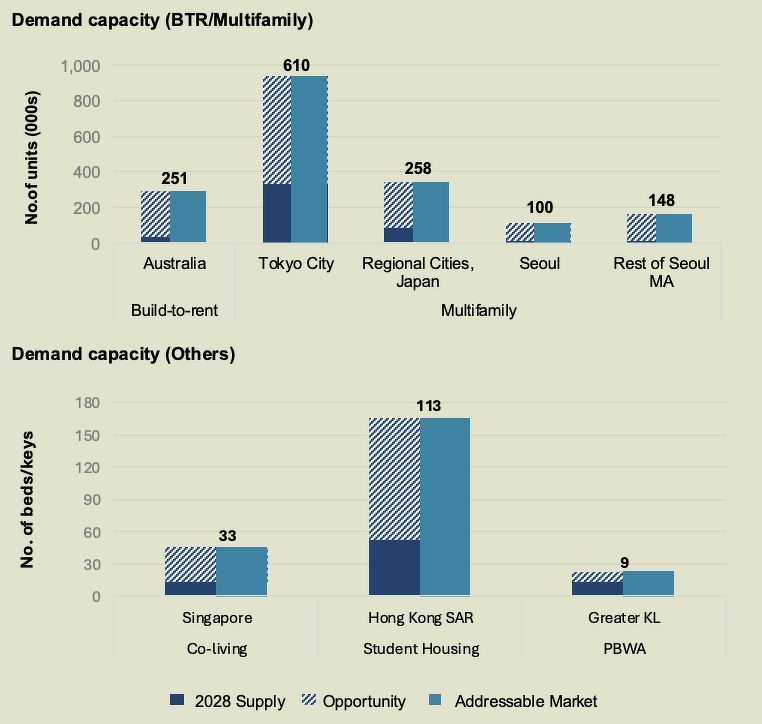
Note: Number indicates size of opportunity. Source: Knight Frank.
While multifamily remains the main segment, demand is rising for alternative living arrangements amid changes in demographic trends and lifestyles.
This is placing in the spotlight the likes of co-living, senior housing and purpose-built student accommodation.
Delayed marriage, smaller household sizes, greater mobility and a growing preference for flexibility are reshaping how people choose to live, which supports demand for a more diverse range of living solutions across life stages.
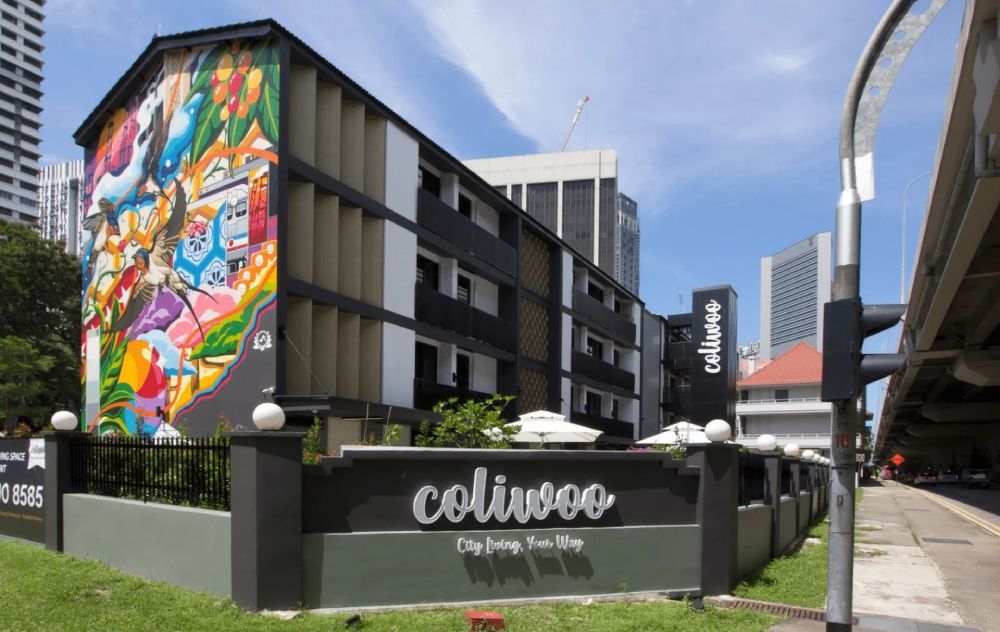
Co-living property Coliwoo Keppel in Singapore's CBD. (Photo: Coliwoo)
Co-living gains traction as millennials seek alternatives
In particular, co-living has come into focus as the number of single households in Asia Pacific increases. More occupants aged 20–35 are opting for smaller units suitable for one or two people, instead of traditional family homes.
"Co-living operators are well-positioned to meet this demand by offering a hybrid of private and shared spaces, with private bedrooms or en suite bathrooms alongside shared common spaces such as kitchens, lounges and co-working spaces," Knight Frank noted.
In Singapore, demand from locals — once negligible — is now meaningful, said Kelvin Lim, CEO of Singapore-based co-living operator Coliwoo, in the report.
These locals opting for co-living include homeowners who need temporary accommodation during renovation or the Home Improvement Programme, residents in transitional living situations, and young professionals wanting independence closer to the workplace.
This reflects a deeper demographic shift in the city-state, Lim shared. Average household sizes have fallen from 3.4 to 3.1 over the past decade, and one-person households currently make up 16% of resident households.
Moreover, across the region, co-living companies emphasise community programming, including events, workshops, networking and social activities — with the goal of offering a built-in lifestyle and community besides a place to live, Knight Frank added.
Affordability is another key driver, as residents can potentially save on costs at co-living properties as compared to similarly sized studio apartments.
Constrained housing affordability in many Asia Pacific markets:
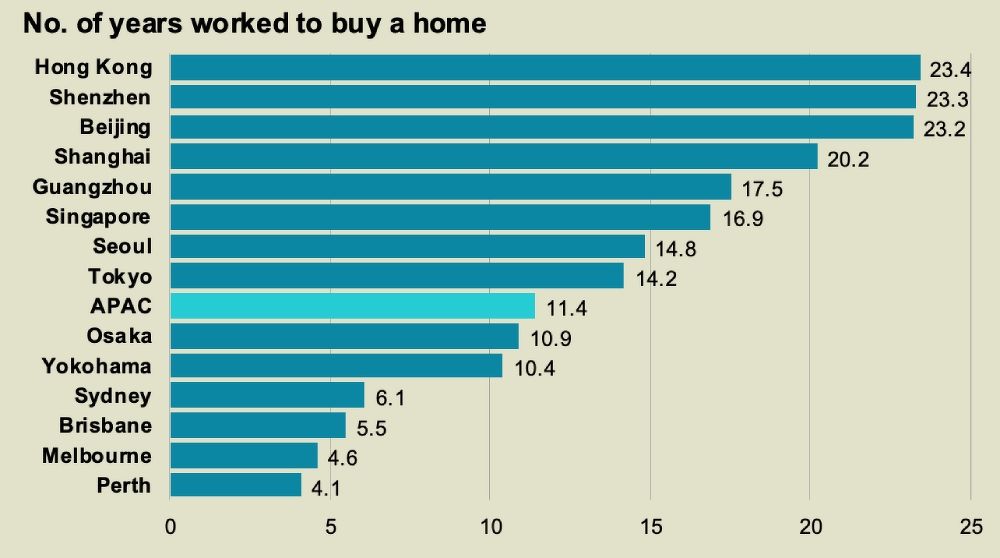
Note: Based on median apartment prices and annual income. Source: ULI Asia-Pacific Home Attainability Index 2025.
Tenants in co-living typically sign shorter-term leases or even month-to-month agreements, which suit individuals who may only stay in a city for a limited time due to work or study.
"This flexibility, combined with the convenience of bundled services, makes co-living an increasingly attractive option," Knight Frank said.
Incremental growth in Singapore co-living
Singapore’s co-living market in particular has gained momentum to emerge as a distinct segment within the country’s broader residential rental landscape, the real estate consultancy highlighted.
It is generally viewed as a defensive, specialty component within the accommodation ecosystem.
Types of residential co-living developments in Singapore:
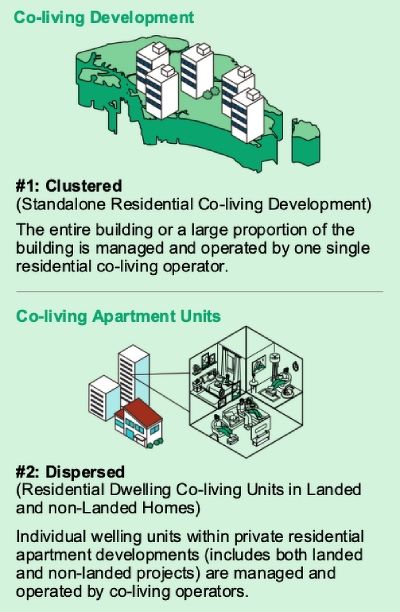
Source: Knight Frank Singapore Consultancy.
While co-living in Singapore offers relative income visibility supported by structural demand, its scalability is currently constrained by regulation, availability and competitive intensity.
Knight Frank described co-living as a complementary accommodation format in Singapore rather than a substitute for conventional residential leasing.
Its performance is closely linked to broader rental market conditions. As private residential rents normalised after peaking in 2023, co-living has continued to benefit from its all-inclusive pricing and shorter minimum lease terms, although it “does not appear insulated from broader rental moderation”, Knight Frank said.
Supply remains limited and highly concentrated. Singapore is estimated to have around 9,000 to 10,000 co-living keys, the bulk of which are located in the Central Region.

The Assembly Place's Social on Mayo, a co-living hotel along Jalan Besar. (Photo: The Assembly Place)
Many operators have gravitated towards conserved shophouses and centrally located residential assets, where mixed-use planning provisions and strong amenity appeal support the co-living proposition.
The regulatory framework involving minimum stay rules for different types of properties provides clarity and neighbourhood protection. However, it also caps flexibility and reduces the addressable stock pool, Knight Frank pointed out.
"As a result, co-living growth in Singapore has been incremental rather than expansive, with operators competing within a relatively fixed supply base," the firm added.
Rising operating costs, regulatory compliance requirements, and stiff competition for well-located assets also continue to constrain returns and scalable expansion.
Growing supply gap in senior living
Although Asia Pacific faces a rapidly ageing population — the number of people aged 60 and above is expected to nearly double by 2050 — the supply of dedicated senior housing has not kept pace.
Markets in the region remain vastly underpenetrated. That said, the sector requires operational expertise and the ability to navigate regulatory challenges.
Vastly underpenetrated senior living markets in Asia Pacific:
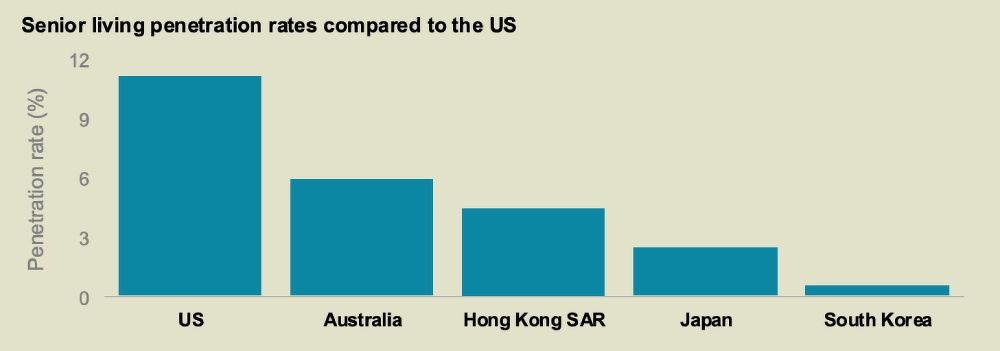
Source: Invesco, Knight Frank Research.
Australia and Japan continue to be the region’s most mature senior living markets, offering scale and stability.
South Korea is also emerging as a growth market, with supportive government policies, including regulation for developers, incentives for seniors to transition into retirement housing, and support for tax-efficient structures such as Reits.
Blurring between formats, evolving investor strategies
Knight Frank has observed a clear shift away from viewing the living sectors in isolation.
Instead, investors are building integrated platforms that span purpose-built student accommodation, build-to-rent, co-living and senior housing, said Knight Frank’s global head of living sectors, James Mannix.
"This holistic approach allows investors to drive performance through operational synergies and more efficient capital deployment," he continued.
Meanwhile, the traditional boundaries between multifamily, co-living and student housing are blurring, as the three converge into a broader category defined by rental demand, flexibility and service-led offerings.
The tenant base overlaps heavily across the spectrum, making the distinction between asset classes increasingly artificial, in Knight Frank's view.
"Investors and operators are recognising that these asset classes share similar fundamentals, including short-stay or rolling tenancies, high occupancy needs and operational intensity," the consultancy noted.
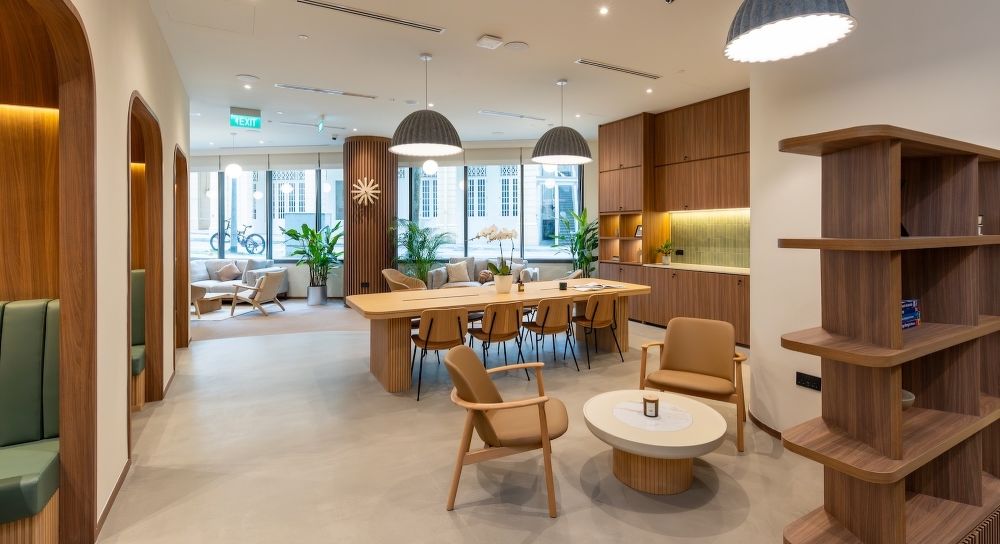
Weave Suites – Hillside operates as a hybrid between hospitality, co-living and multifamily. The asset was repositioned to offer fully furnished units, flexible lease terms and shared amenity spaces while maintaining features typical of serviced apartments. (Photo: Samuel Isaac Chua/EdgeProp Singapore)
Product design, therefore, is evolving towards hybrid formats in the region. Co-living schemes now attract young professionals and students, while more student housing is incorporating amenities and lease flexibility comparable to market-rate multifamily options.
At the same time, multifamily developments are adopting hospitality-style features such as co-working spaces, communal areas and curated tenant experiences.
Investors may thus wish to diversify within a single platform, optimise occupancy across segments and capture multiple demand pools through more flexible, operationally driven residential strategies.
Adaptive reuse as part of evolving strategic playbook
More capital is also pivoting towards value-add strategies that offer rental upside through asset repositioning and active management, while avoiding the execution and development risks associated with ground-up construction.
This comes amid rising construction costs in Asia Pacific. Replacement costs have been outpacing achievable rents, compressing new development margins and extending breakeven timelines in much of the region.
Adaptive reuse drives value:
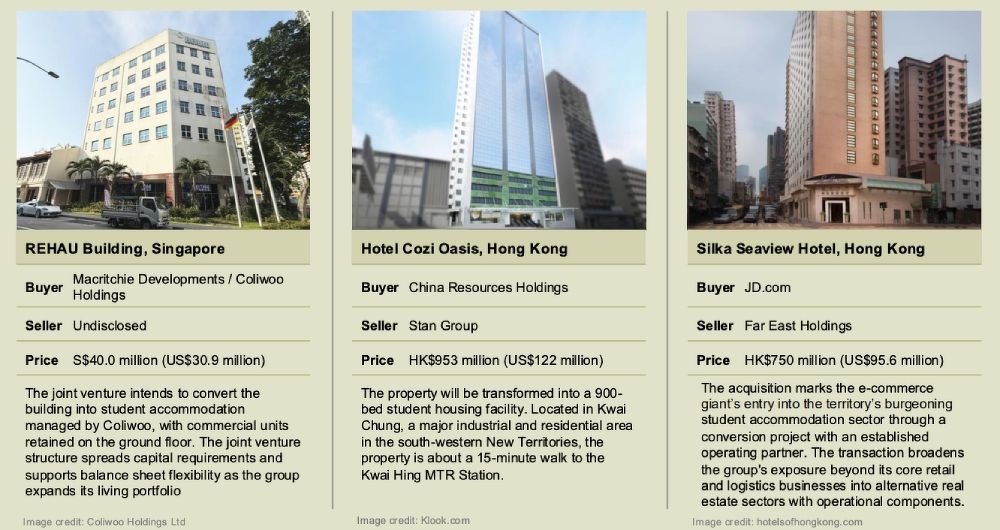
Source: Knight Frank.
Adaptive reuse is "particularly well-suited" to co-living, multifamily and purpose-built student accommodation, Knight Frank reckoned.
"These formats are inherently flexible and operationally driven, with less demanding specifications than other real estate assets," it added.
Older residential blocks, lower-grade offices and hospitality assets can be repositioned into rental housing, co-living or senior-oriented developments.
They may combine physical reconfiguration with targeted capital expenditure, including energy-efficient retrofits that also support broader environmental, social and governance objectives.
This approach can shorten delivery cycles, reduce zoning or regulatory risk, and create differentiated stock in supply-constrained submarkets.
The conversion of heritage properties into co-living formats, as seen in Singapore, can further enhance product appeal and market positioning, according to Knight Frank.
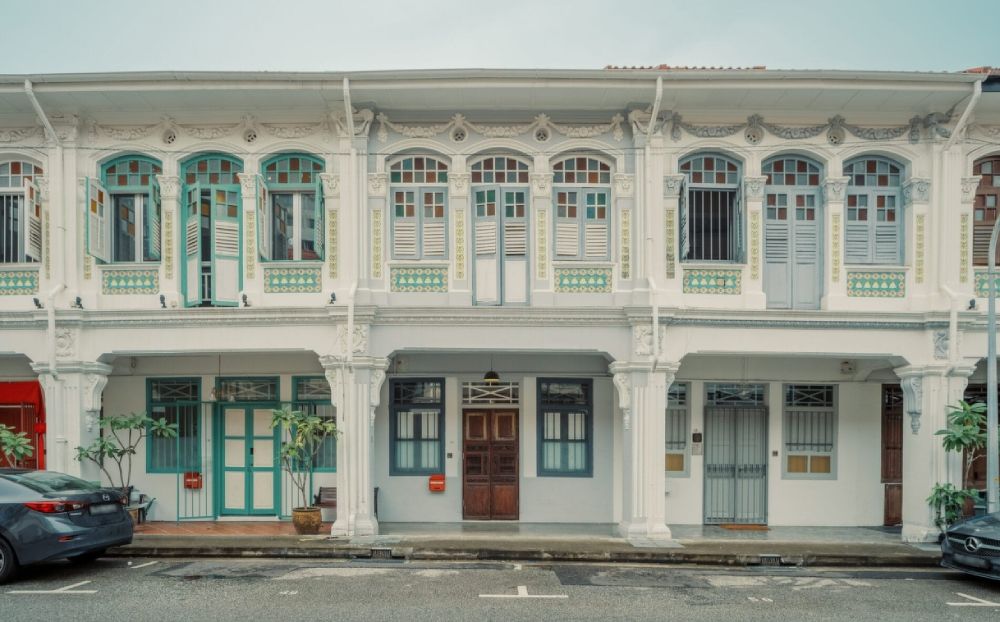
Pop House by Figment in Geylang, Singapore. Figment focuses on heritage, boutique co-living spaces. (Photo: Figment)
For more news and analysis, read our weekly e-paper. Prefer a print copy? Get it delivered to your home every Monday.
Follow Us
Property updates, 24/7.


Subscribe to Newsletter
Market insights, delivered weekly.

Top Articles
Search