
Special Feature
Ex-Investment Banker reveals the property blind spot: Why Louis Chan says smart buyers still make poor property decisions
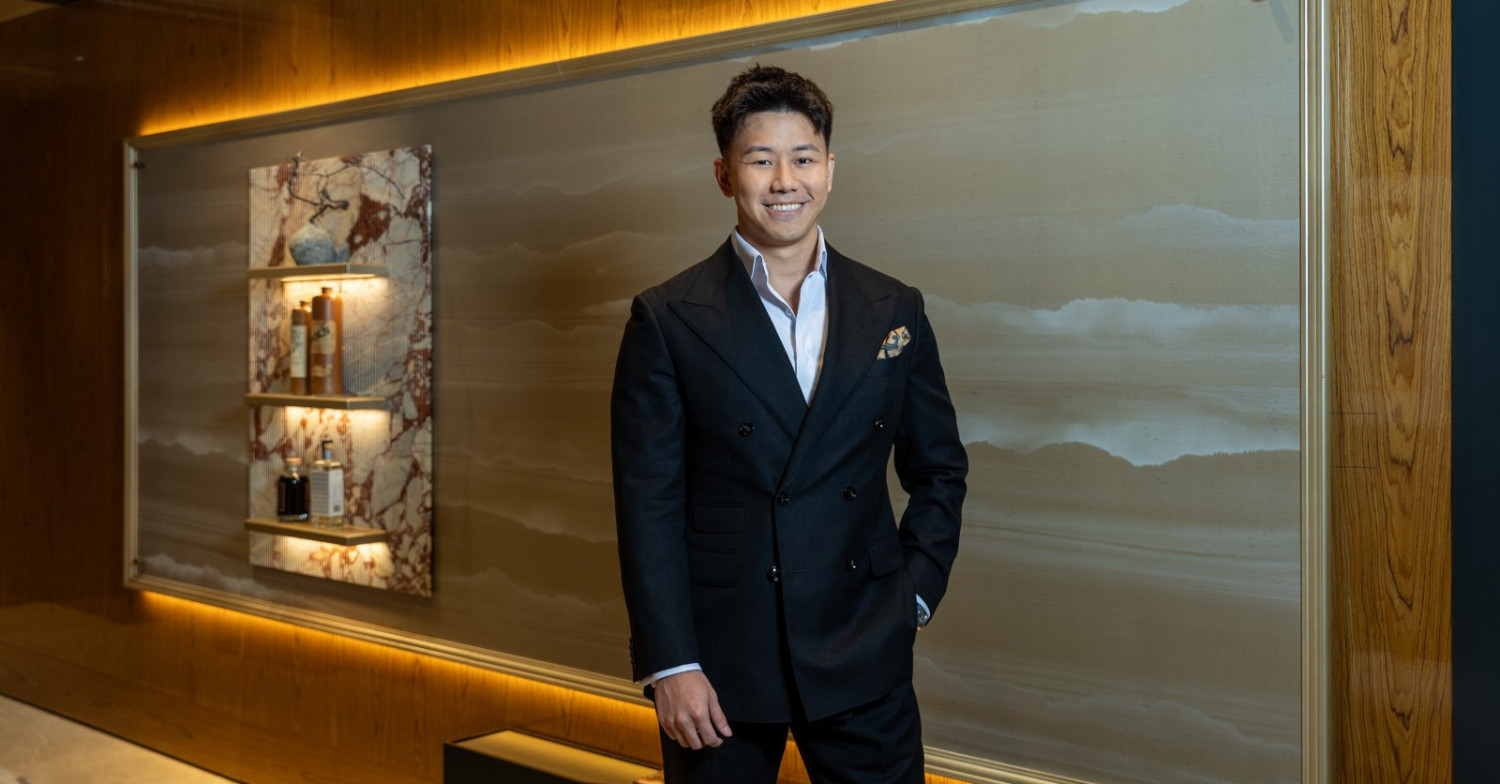
From Credit Suisse to real estate, Louis Chan transformed his financial expertise into a client-focused property career. (Photo: EdgeProp Singapore)
After just five years as a realtor, Louis Chan has seen the pattern often enough to recognise it.
A young professional buys what appears to be a “safe” property. It is in a prime area, close to the MRT, perhaps in the CBD or a well-known mixed-use development. The numbers seem sensible. The rental yield looks decent. The price per square foot appears attractive compared with nearby projects.
Then three or four years pass, and the property price barely moves.
“For many savvy buyers, the mistake is not that they did not do due diligence,” says Chan. “The problem is that they were doing due diligence on the wrong things.”
As a former Investment Banker turned PropNex agent, Chan connects easily with young professionals in their 30s like himself, many of them bankers or finance-trained. They are not careless buyers. Quite the opposite, they tend to be analytical, financially literate and disciplined with money.
But that can become its own blind spot.
“Some buyers look at residential property the way they would look at a company or a commercial asset in their line of work,” says Chan. “They focus heavily on rental income, price per square foot and whether something looks undervalued. But residential property does not work exactly that way.”

Chan's transition from investment banking was driven by a desire to create greater impact while maintaining family priorities. (Photo: Louis Chan)
A different lens for residential property
In commercial real estate, rental income often carries significant weight in determining asset value. For Grade A offices, malls and other income-producing assets, strong rent can be a clear signal of quality.
Residential property is different. A home is not only a financial asset. It also carries social, lifestyle and family considerations. Owner-occupiers care about schools, layout, liveability, community, future family needs and whether there will be a broad pool of buyers later.
“When buyers apply a commercial real estate lens to residential property, they may be drawn to places like the CBD, Bugis or Marina Bay because the rental story looks strong,” Chan says. “But when it comes to capital appreciation and exit, the outcome may not be as favourable.”
Low price does not always mean undervalued
One common trap, Chan says, is the search for the “undervalued” buy.
Many sophisticated buyers compare projects by price per square foot. If one property appears cheaper than surrounding options, they may assume there is hidden value.
Chan disagrees.
“Sometimes what looks undervalued is simply low value,” he explains. “There is usually a reason why the price is low. It may be weaker demand, a smaller buyer pool, less family appeal or a poorer exit strategy.”
That distinction matters because property is a high-cost, illiquid asset. Stamp duties, interest expenses, property tax, agent fees and opportunity cost can erode returns quickly.
Chan cites the example of a client who had purchased a one-bedroom unit in a prestigious downtown mixed-use development and rented it out. On paper, it appeared to have everything: prime location, strong branding, MRT access and rental demand.
Yet the price had stagnated.
“After accounting for expenses, the rental income did not translate into a meaningful gain,” says Chan.
Chan later helped the client reposition from that investment property into a freehold District 15 home for own stay. The move was not merely about changing addresses. It was about shifting from an asset with a narrow investment thesis into a property with broader long-term appeal.
Chan leverages his finance background to help clients navigate complex property decisions with greater confidence. (Photo: Louis Chan)
From finance to real estate
Despite having fewer years of industry experience than some peers, Chan’s perspective is shaped by his early career.
As an NUS Business School graduate, he was focused on finance from the start. During university, he took on internships during school breaks, beginning with smaller firms before eventually landing a role at Credit Suisse.
The opportunity affirmed what he had been working towards. Coming from a humble, close-knit family where financial security mattered, Chan saw finance as a path to provide better for his loved ones.
But the reality of the job made him rethink what success meant.
He recalls the numerous weekends burnt in the office, literal all-nighters pulled to finish urgent work and the weekly cancellation of plans with friends and family.
“That was when I realised how my job was sacrificing my presence during family time,” he says. “I entered the industry wanting to give my family a better life. But physically and emotionally, I was not there.”
Real estate appealed to him because it combined financial analysis with self-employment and direct client impact. Now in his fifth year, Chan sees his finance background not as a badge, but as a filter.
It helps him understand how finance-trained buyers think, and where their assumptions may fall short.
Through his QPE framework, Chan guides clients to evaluate properties beyond rental yield and location alone. (Photo: Louis Chan)
The QPE framework
To help clients make better property decisions, Chan uses a framework he calls QPE: quality, price and exit strategy.
Quality refers to the tangible and structural attributes of a property. This includes layout, site plan, tenure, proximity to MRT, liveability and overall project positioning.
Price is straightforward but often misunderstood. It is not about buying the cheapest unit. It is about not overpaying relative to the project, district, market cycle and realistic upside.
Exit strategy is where Chan believes many buyers fall short.
“Who is your next buyer?” he asks. “That is the question many investors do not ask clearly enough.”
A property may look attractive today, but if the future buyer pool is too small, selling can become difficult. A penthouse, for instance, may appeal emotionally to some buyers, but its smaller buyer pool can mean a longer selling period and weaker resale performance.
“The market has already tested many of these beliefs,” Chan says. “If a certain type of property takes nine months to sell, that tells you something about demand.”
For Chan, QPE is not a rigid formula. It still requires judgement.
“The framework is there, but you need experience to apply it properly,” he says. “Two people can look at the same property and apply the same framework but arrive at different conclusions.”

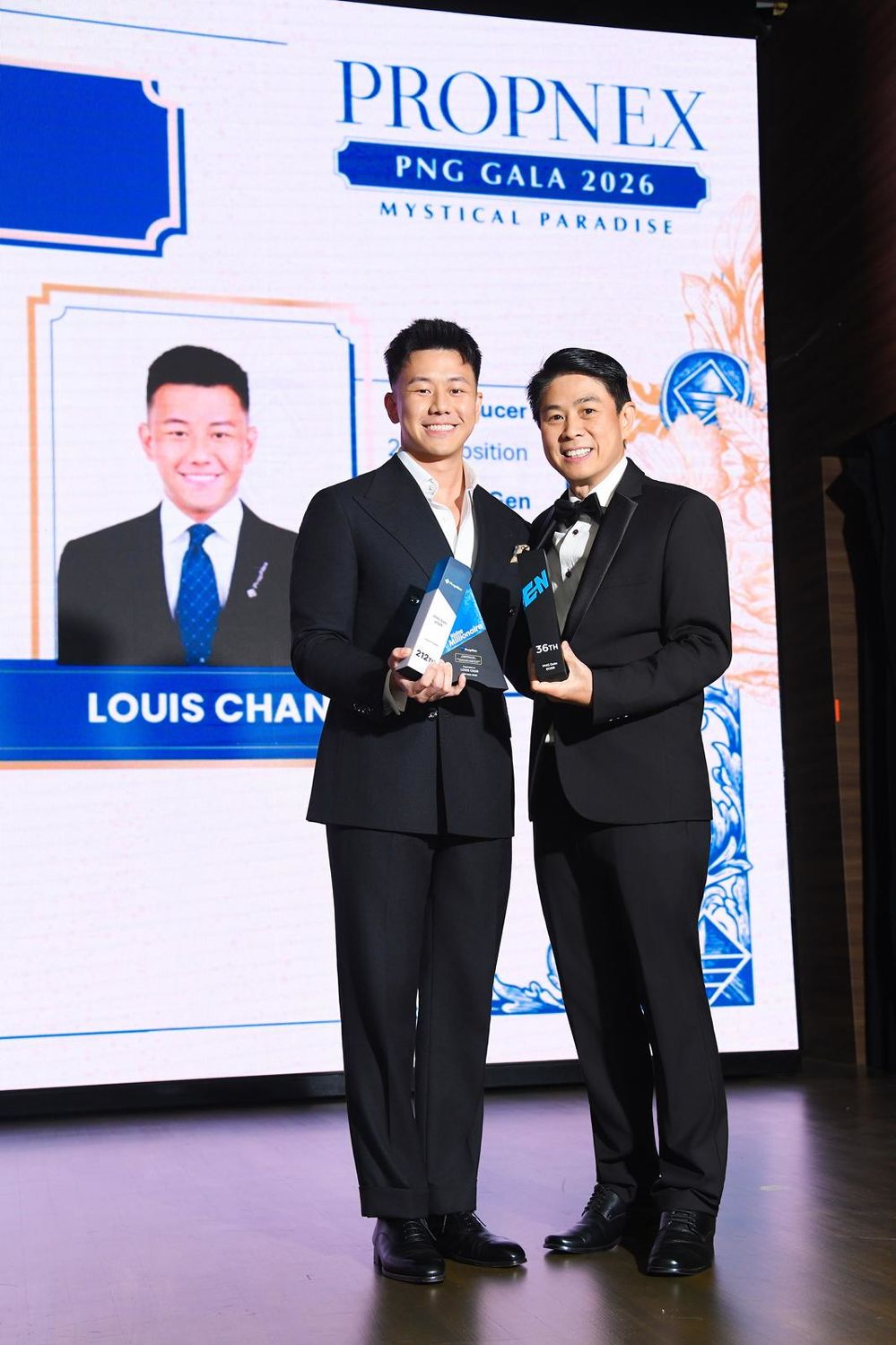
Chan's achievement as a Rising Millionaire reflects his dedication, consistency and commitment to excellence in real estate. (Photo: Louis Chan)
Own stay does not mean just “buying something I like”
A key point Chan stresses to younger buyers is that even for their own stay, a home should be selected with capital preservation in mind.
“In our industry, people often ask whether a purchase is for own stay or investment,” he says. “But even if it is for your own stay, does that mean you would buy something you could not sell?”
The cost of owning a private property can run into the high six figures in the first few years when stamp duties, interest and other expenses are included. For young buyers, losing one property cycle can be costly.
“Do not waste one cycle,” advises Chan. “If you are already buying a house, why buy a loss making one?”
Some may not buy their dream location immediately. Others may choose a more investment-focused property first, then reposition later.
He believes professionals in their 30s are often receptive to this message because they understand delayed gratification. Many have worked hard in demanding careers and are willing to make trade-offs if the long-term outcome is clear.
Chan is careful not to impose a single path on every client.
“Everybody works hard for their money,” he says. “How they spend it is ultimately their decision. My role is to optimise the outcome of what they are already planning to do.”
Beyond the spreadsheet
For all his emphasis on data, Chan does not believe property decisions should be outsourced blindly to spreadsheets or AI.
He has tested AI tools by asking where to deploy a multimillion-dollar budget. The answers, he says, often draw from public commentary that sounds convincing but does not always translate into profitability.
“A project can have many good points online, but in the resale market, it may still not make money,” he says.
His approach is to test a client’s beliefs against market evidence. If a buyer believes freehold is always better, Chan presents data that may support or challenge that assumption. If a buyer is drawn to a prime location for status or rental demand, he examines whether the exit pool is strong enough.
“Some smart investors’ beliefs are correct, some are not,” he says. “My job is to show how the market is likely to view the property in future.”

Chan's message to young professionals is simple: buying property early matters, but buying the right property matters even more. (Photo: Louis Chan)
Built on relationships
Chan’s analytical approach is balanced by a strong relationship-driven streak.
Outside work, he enjoys snowboarding and hosting dinners for friends. On a recent ski trip to France, he travelled with more than 20 friends from University. He also often invite friends over as cooking is a way he shows appreciation and love to them. To him, the ability to bring people together reflects trust, compatibility and shared values.
That carries into his work.
He describes himself as serious and reflective, but deeply motivated by the people around him. His family remains a major driver. His mother left a career in accounting to raise the family. His father, an engineer, battled cancer twice.
“My mother quit working to raise me and then went back to work when my father could not,” Chan says. “Her sacrifice has left a deep impact on me.”
This sense of responsibility is also why he wants to reach buyers earlier in their journey.
“For every client who comes to me with a problem, I think if I had been there from day one, their trajectory could have been different,” he says.
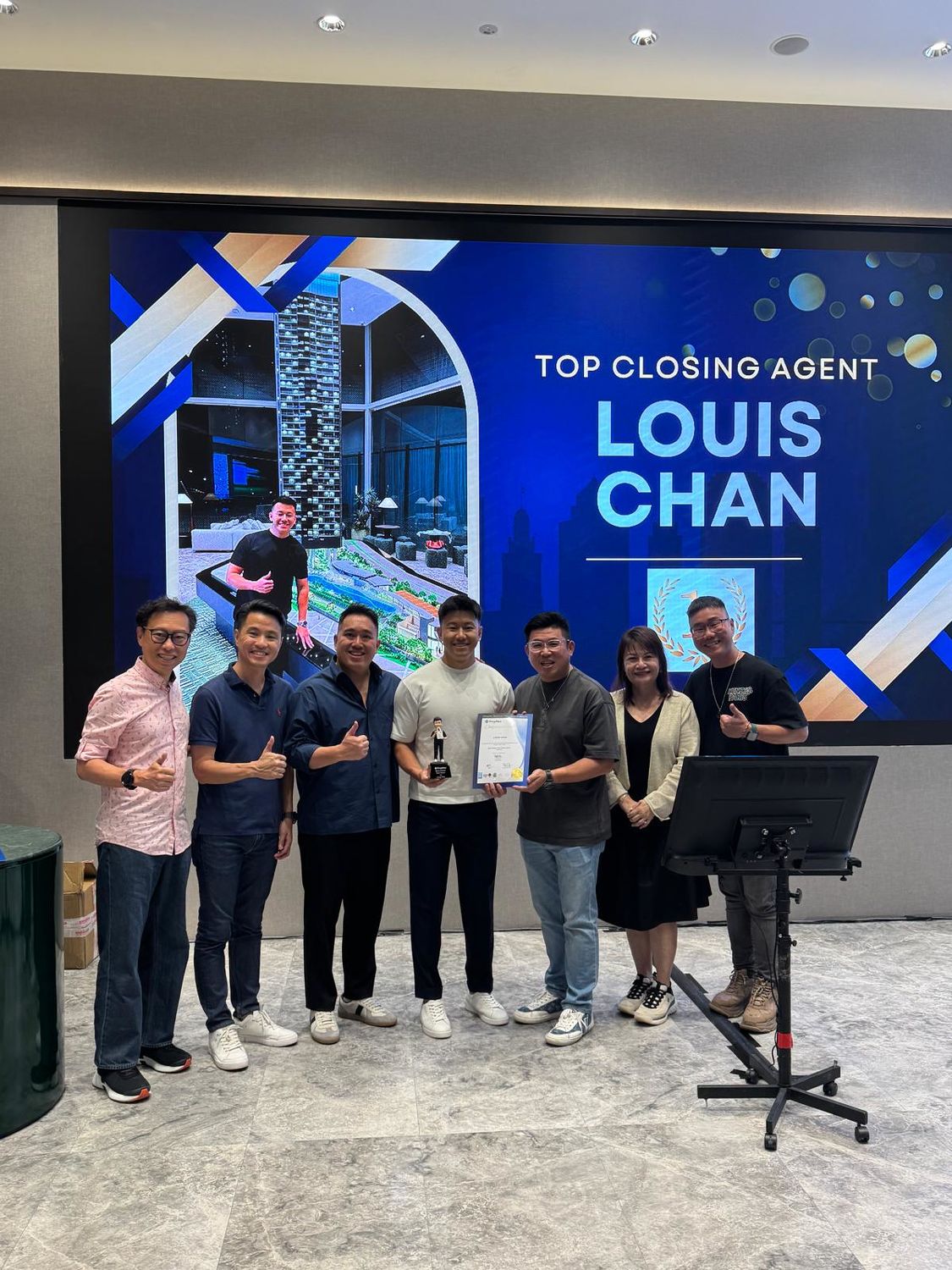
Chan is candid about his ambition. He achieved Rising Millionaire status last year, but says he is not yet where he expects himself to be.
“I feel I can do more,” he says. “I am only at the beginning of my journey to help more clients.”
For young professionals planning their first or next property move, his message is direct: being “smart” and having capital are not enough.
“Being able to buy early is powerful,” says Chan. “But buying the right property early is what changes your future.”
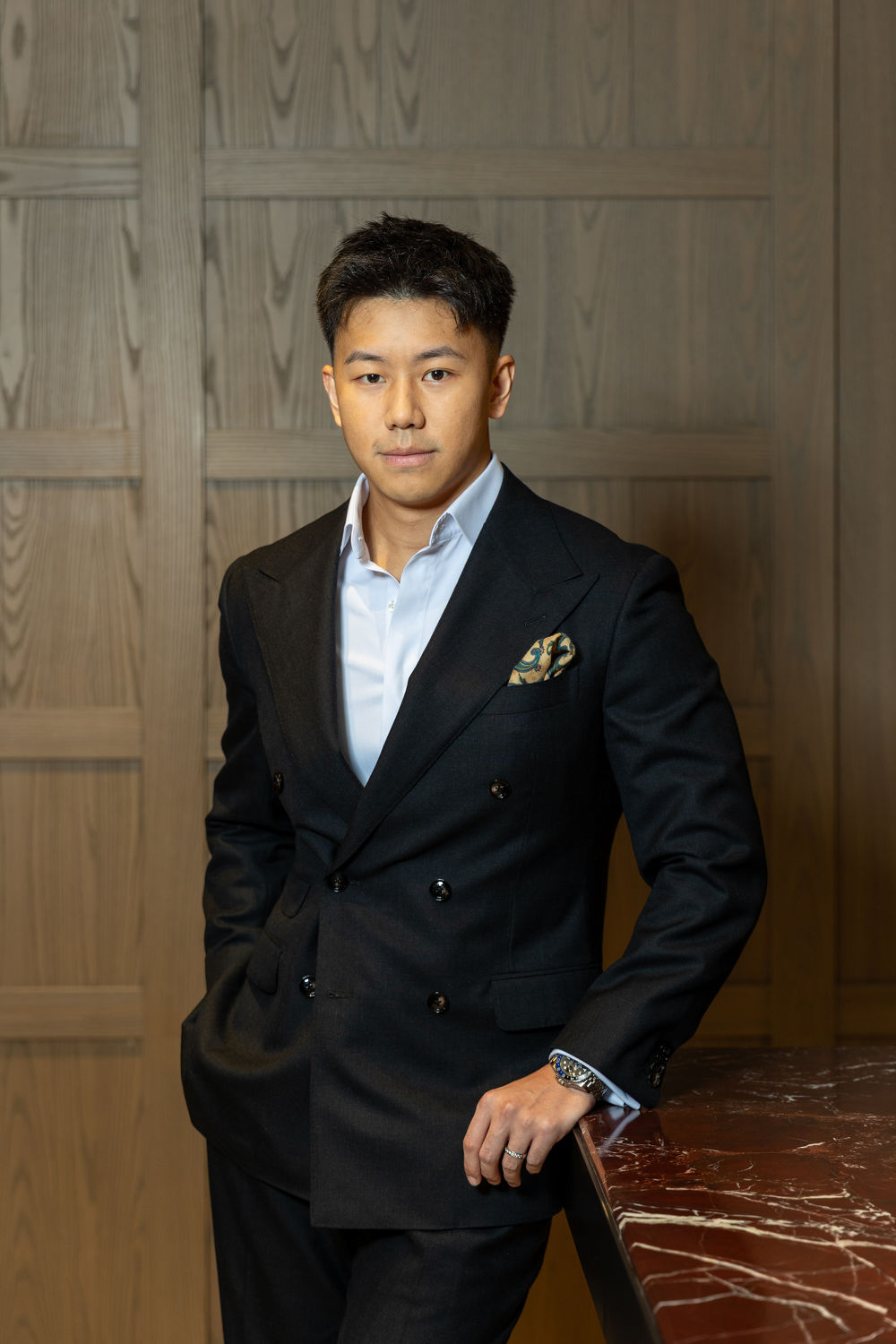
For more information,
Contact Louis Chan | 82282262
Associate Group Director (R064234Z)
PROPNEX REALTY PTE. LTD.
Follow Us
Property updates, 24/7.


Subscribe to Newsletter
Market insights, delivered weekly.
Top Articles
Search