
New building material Kaera traps carbon; inventor aims to reduce climate impact of construction
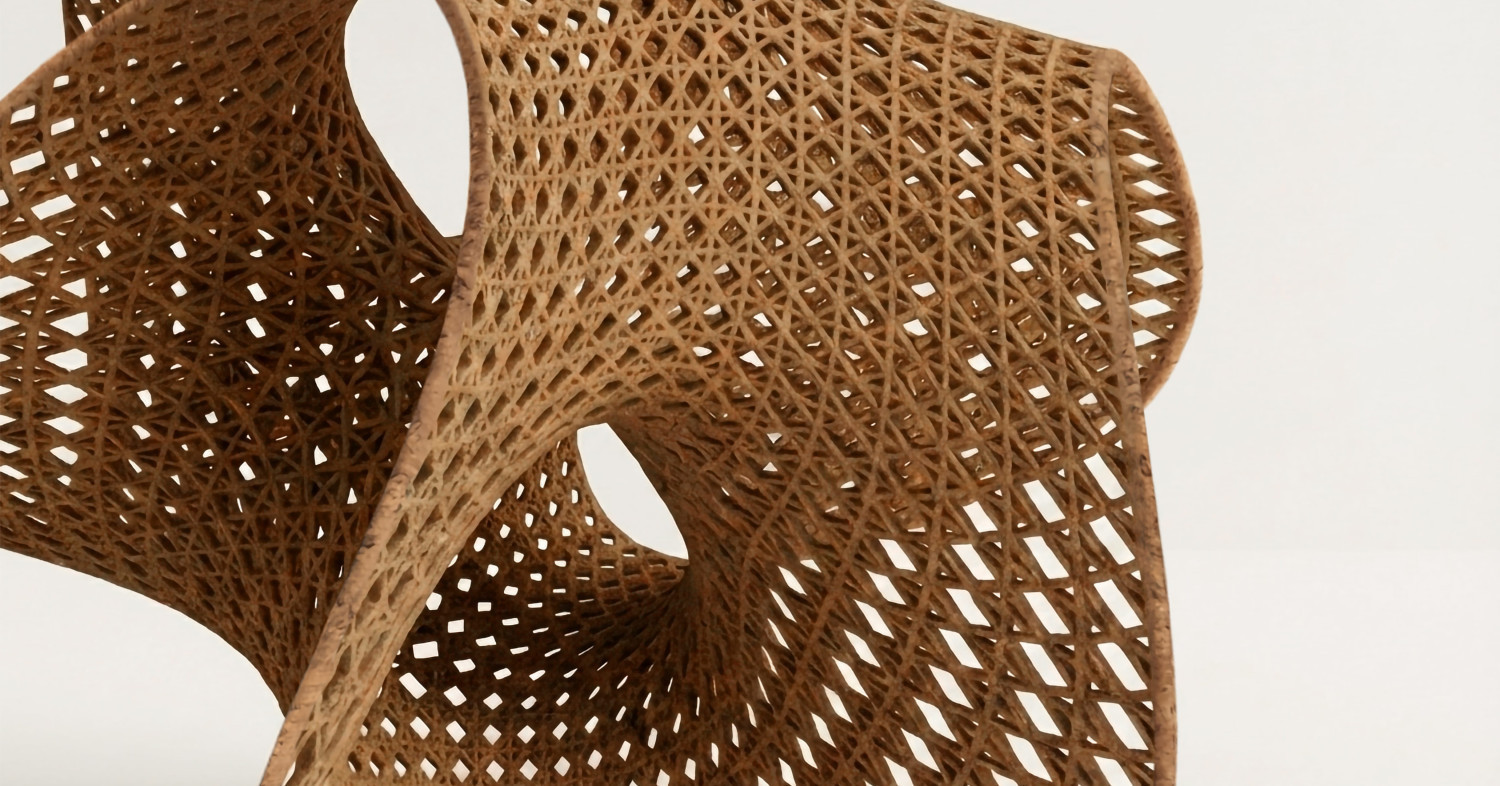
A sculpture made with Kaera. The building material actively sequesters carbon throughout its lifecycle. (Image: Office for Design Evolution)
After more than a decade of applied development, architect and material scientist Kody Kato has introduced his invention, Kaera, in Singapore to address the climate impact of construction.
Kaera is a building material that traps and removes carbon instead of releasing it into the air. It locks carbon in mineralised forms and minimises the release of carbon dioxide during material reactions.
Using nature-based waste materials and by-products as inputs, Kaera is designed to avoid high-energy, high-temperature processing.
At the product launch in April, Kato said the material reduces on-site airborne pollutants by up to 90% as compared to conventional construction materials, and can also help improve labour conditions by lowering workers’ exposure during construction.
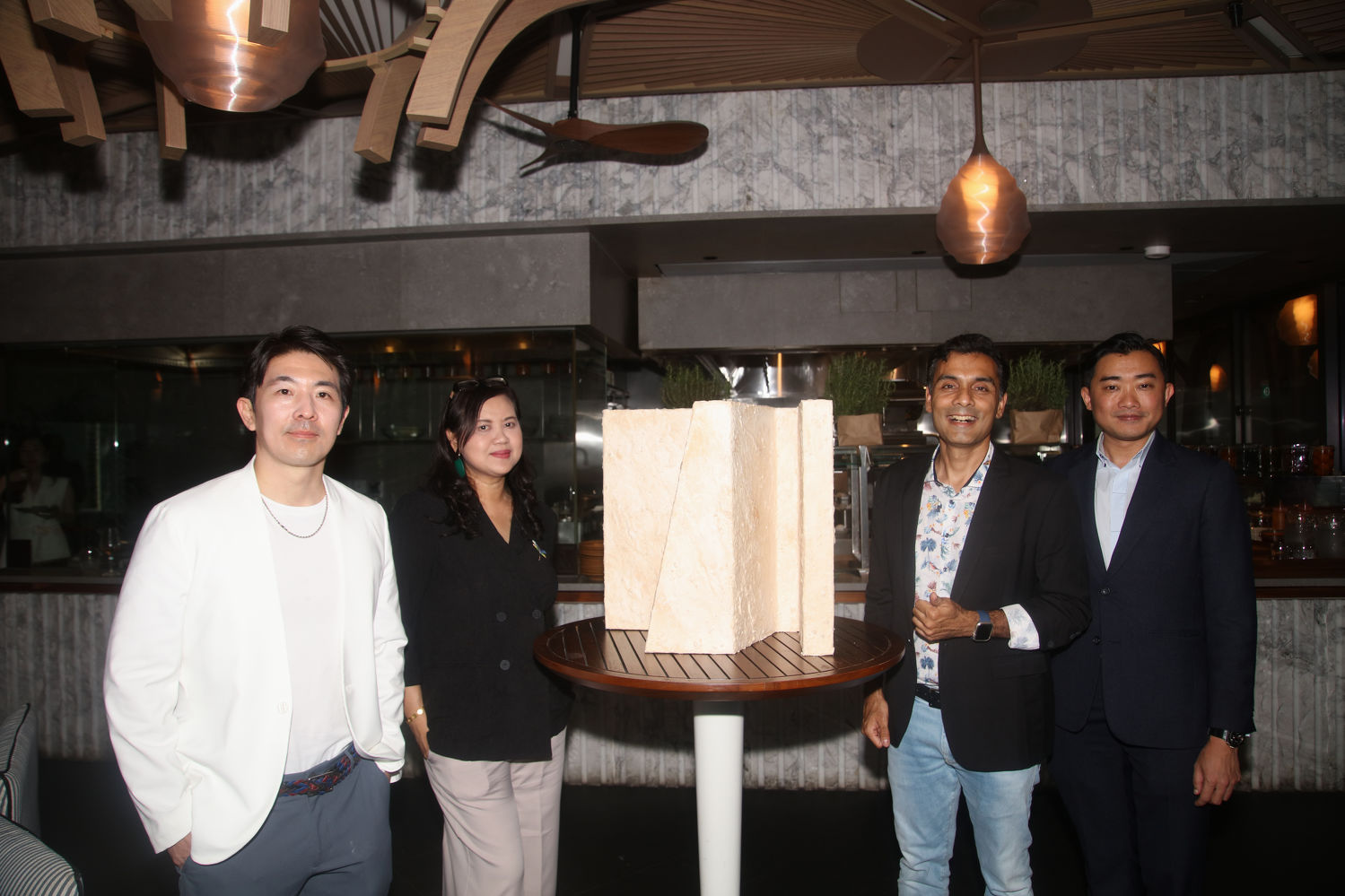
Kaera inventor, Kody Kato (pictured, left), at the launch event (Photo: Office for Design Evolution)
The carbon-negative, bio-material system is able to deliver structural performance while actively sequestering carbon throughout its lifecycle, according to Kato.
Projects using Kaera target negative embodied carbon, which refers to building materials or construction processes that act as carbon sinks because they store more carbon dioxide than is emitted during their extraction, manufacturing and transport.
Initially developed and refined through projects at Kato’s Kuala Lumpur-based sustainable architectural firm Office for Design Evolution (ODE), the material became scalable and was soft-launched in 2025.
He had started material research in 2010, before finding indications of carbon-negative performance in 2019. A few years later, Kaera became cost-competitive in 2023 and was then supplied exclusively to ODE clients.
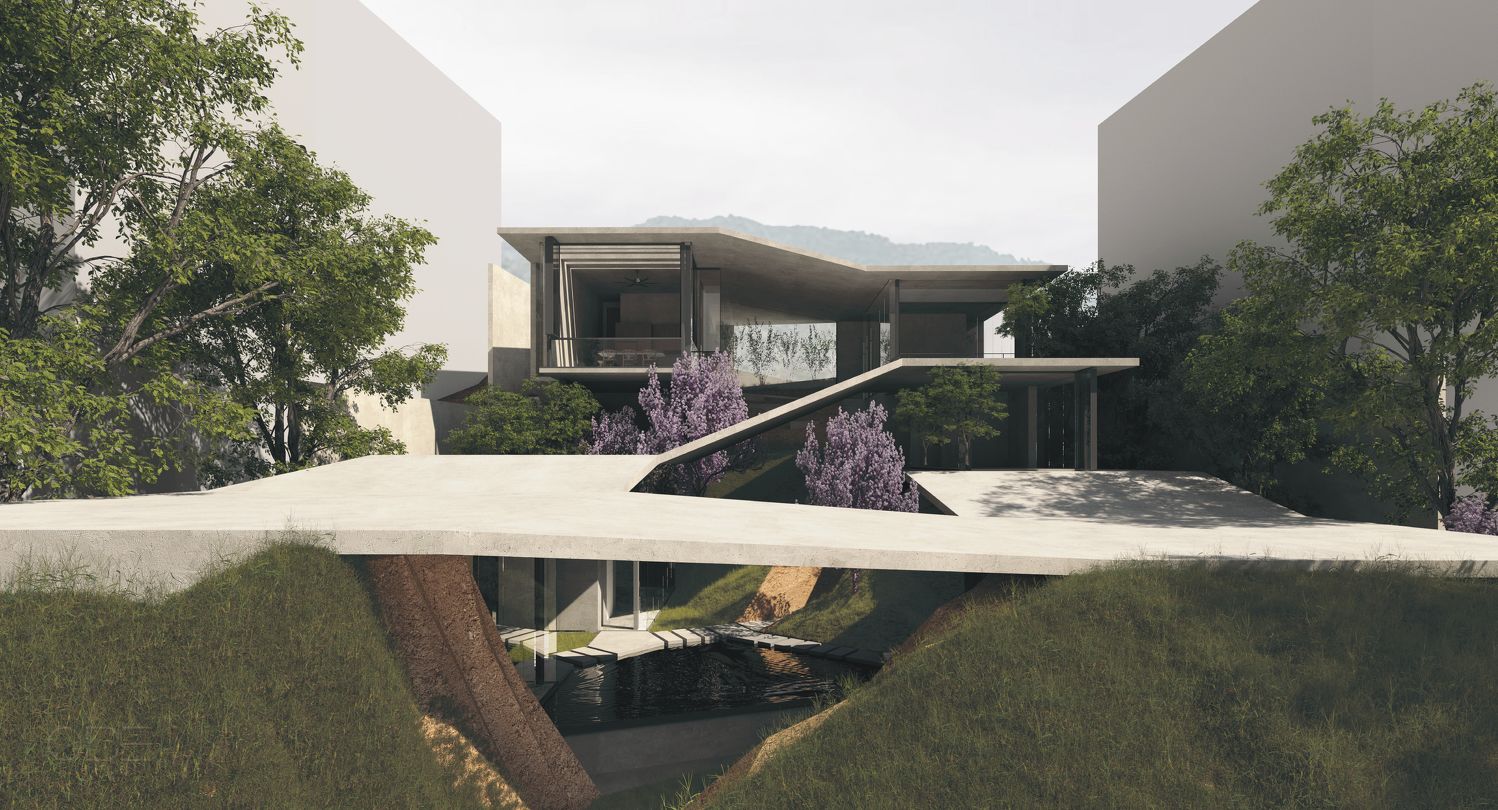
At the Plane House project in Malaysia, by architect and material scientist Kody Kato, experimental materials such as Kaera were used. (Image: Office for Design Evolution)
In all, about 119,805kg in carbon dioxide equivalents have been sequestered across projects by 2026, based on internal assessments. That is roughly equal to 119.8 metric tons of greenhouse gas emissions.
To put the amount in perspective, it is equivalent to the emissions from driving an average passenger car for some 478,000km. For an individual, it represents nearly 30 times the annual global average carbon footprint per person.
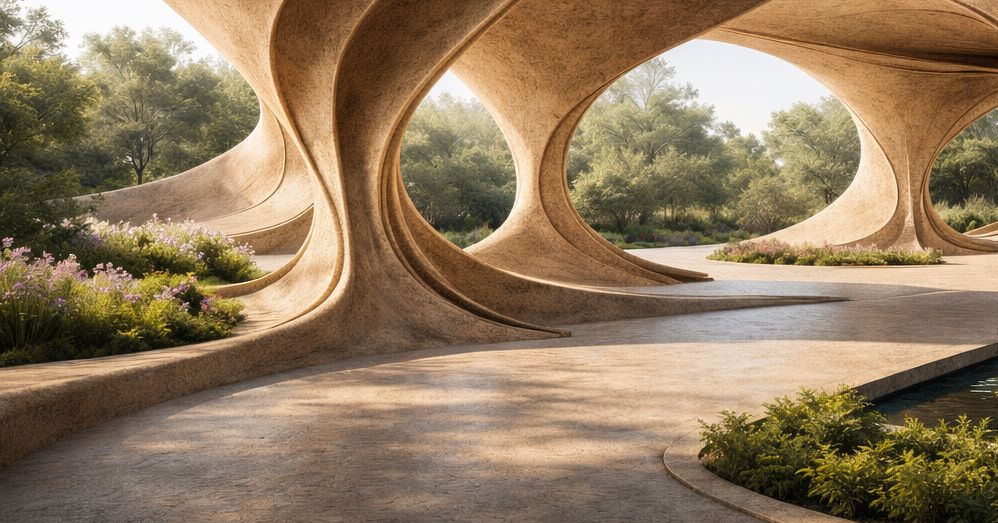
An artist’s impression of a Kaera-based project. (Image: Office for Design Evolution)
Kaera is now being introduced for controlled application within the built environment. The team is engaging architects, developers and partners who prioritise material performance, longevity and environmental responsibility as core design principles.
Kato said: “Kaera didn’t begin as a material to be launched. It emerged from architectural and materials science investigations — from years of observing how materials behave over time, under climate conditions, through scientific testing, and in actual use.”
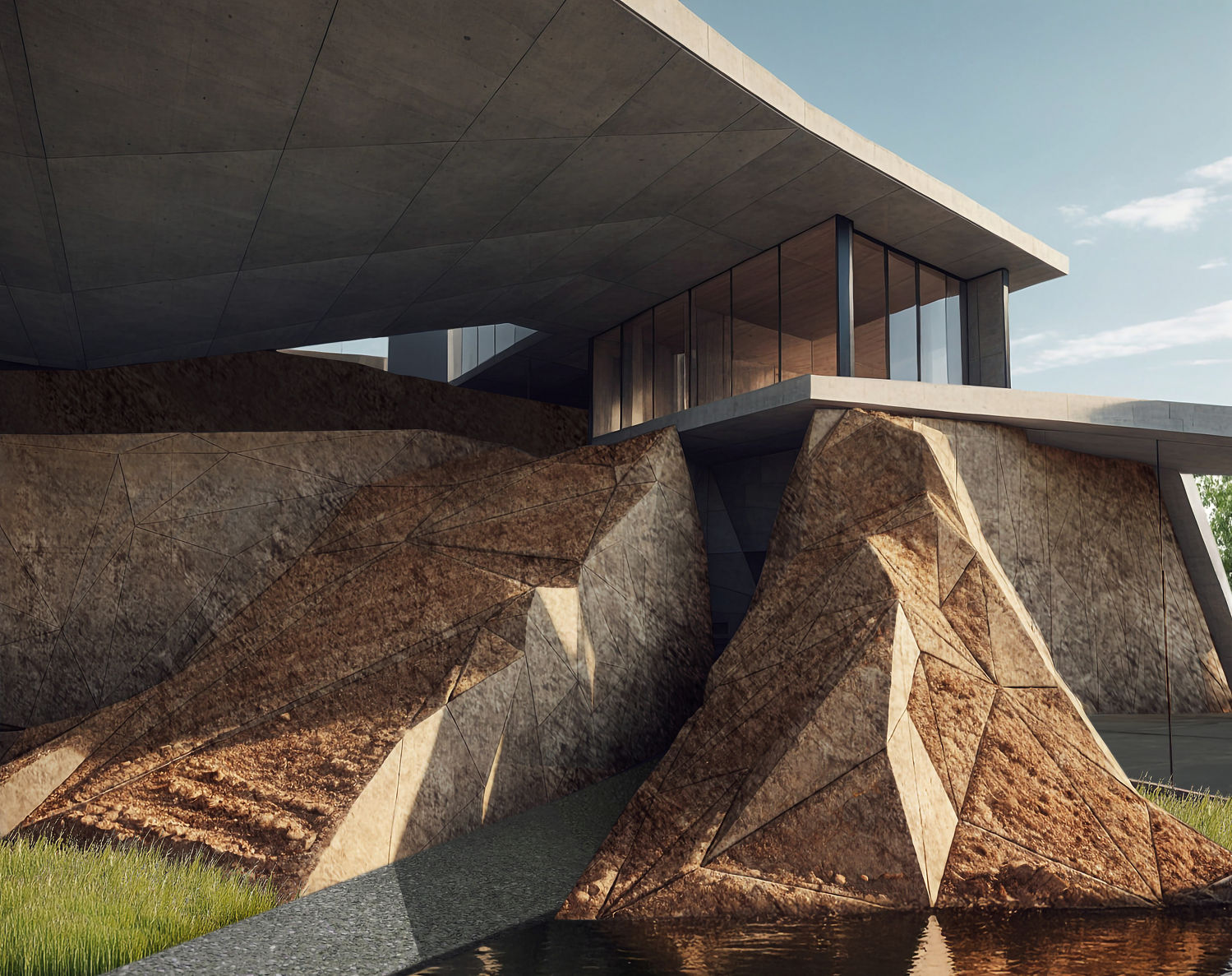
The Plane House’s design integrates material science, engineering, wind flow and solar exposure. (Image: Office for Design Evolution)
For more news and analysis, read our weekly e-paper. Prefer a print copy? Get it delivered to your home every Monday.
Follow Us
Property updates, 24/7.


Subscribe to Newsletter
Market insights, delivered weekly.
Top Articles
Search