
Why Japanese real estate will continue to captivate Singaporeans
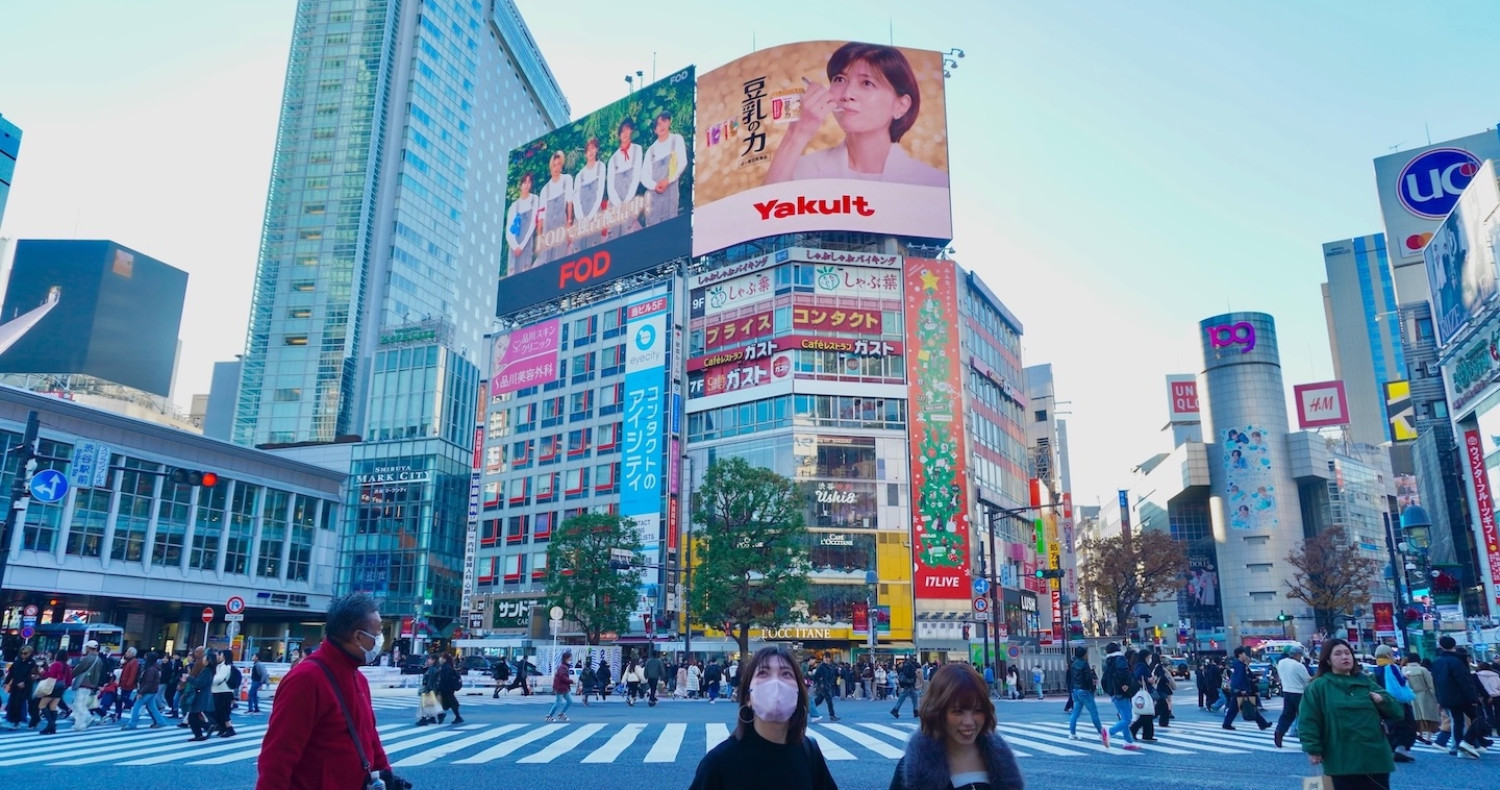
The majority of foreign investment is concentrated in prime urban areas such as central Tokyo, Osaka and Kyoto (Photo: Realion (OrangeTee & ETC) Group))
As more Singaporeans cast their investment horizon beyond domestic properties, real estate in Japan is increasingly seen as an appealing option.
With a unique blend of cultural allure, strong tourism, promising returns and low borrowing costs, investing in Japan’s property market has become a popular choice for many Singaporeans. Beyond financial returns, they are enticed by Japan’s rich history, innovative amenities and high standard of living.
In fact, Singaporeans have been a dominant force in Japan’s property market. According to news reports, they formed the largest investor groups in 2023 and remain among the top foreign buyers in 2025, displacing foreign buyers from other Asian countries that year.
Looking to invest in overseas properties? Explore projects available for sale around the world
What is the current profile of Singaporean investors entering the Japanese property market? What properties are they buying? What are the anticipated investment returns on Japanese properties? Is the buying momentum expected to be sustained this year?
Profile of Singaporean investors
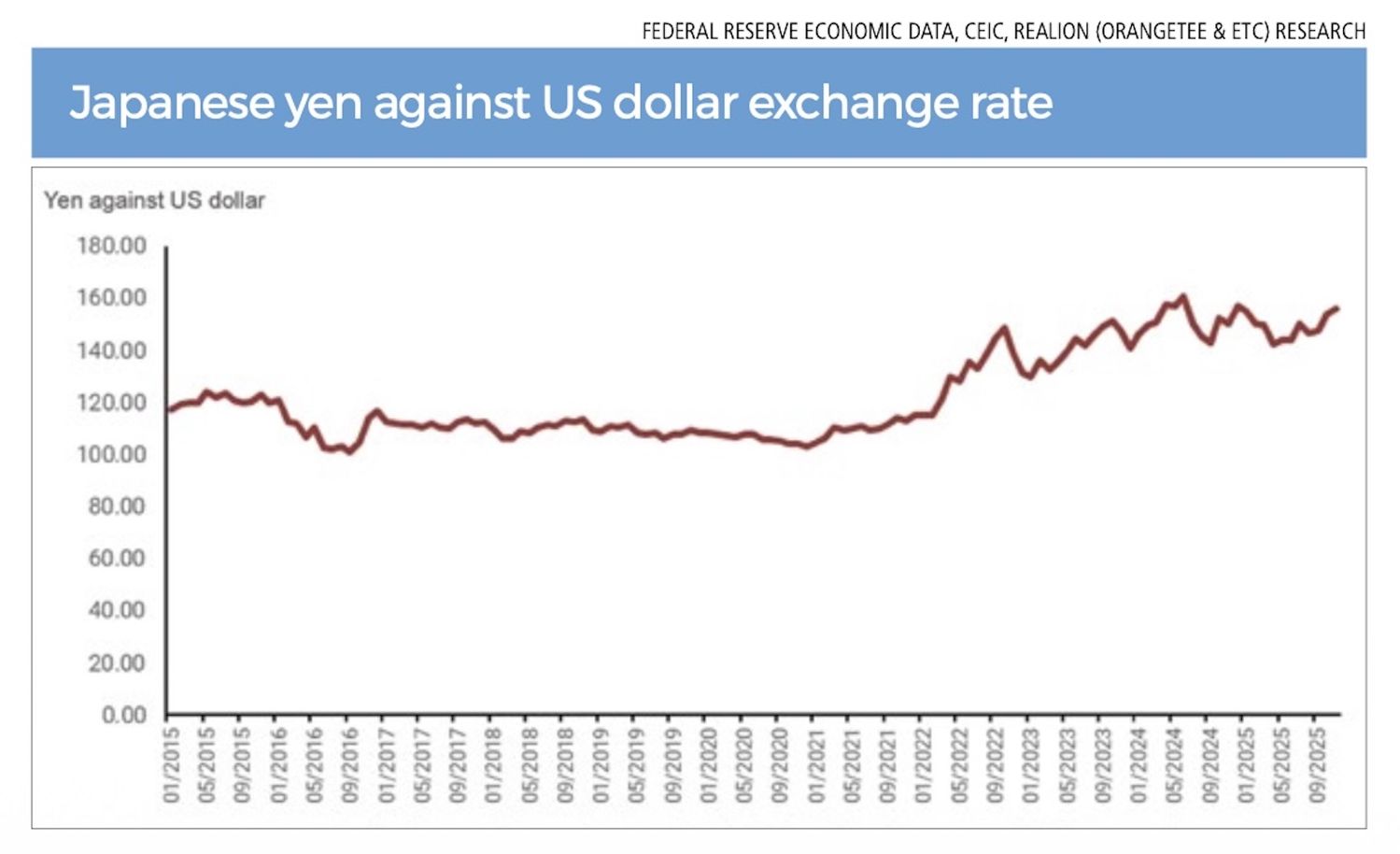
A diverse mix of investors has entered the Japanese property market. Drawing on our firm’s transaction experience, the first group consisted of middle-aged buyers or near-retirees actively seeking overseas properties that promise high yields, significant capital gains or wealth preservation. They strategically allocated their funds to attractive assets for long-term capital appreciation or regular rental income, given that the investment costs are low due to a weakened yen and a strong Singapore dollar.
Others were seasoned investors who already owned assets in Singapore and were eager to diversify their portfolios overseas, where they are not subjected to the additional buyer’s stamp duty. Investing abroad allows them to navigate the financial landscape by hedging against currency fluctuations, economic volatility and varying tax rules.
A third group comprised affluent parents who purchased properties for their children to live in during their tertiary studies at popular institutions such as The University of Tokyo (Todai), Waseda University and Tokyo Institute of Technology. Others bought properties in Tokyo as a family holiday home, especially if they travel there frequently.
Residential properties popular with Singaporeans
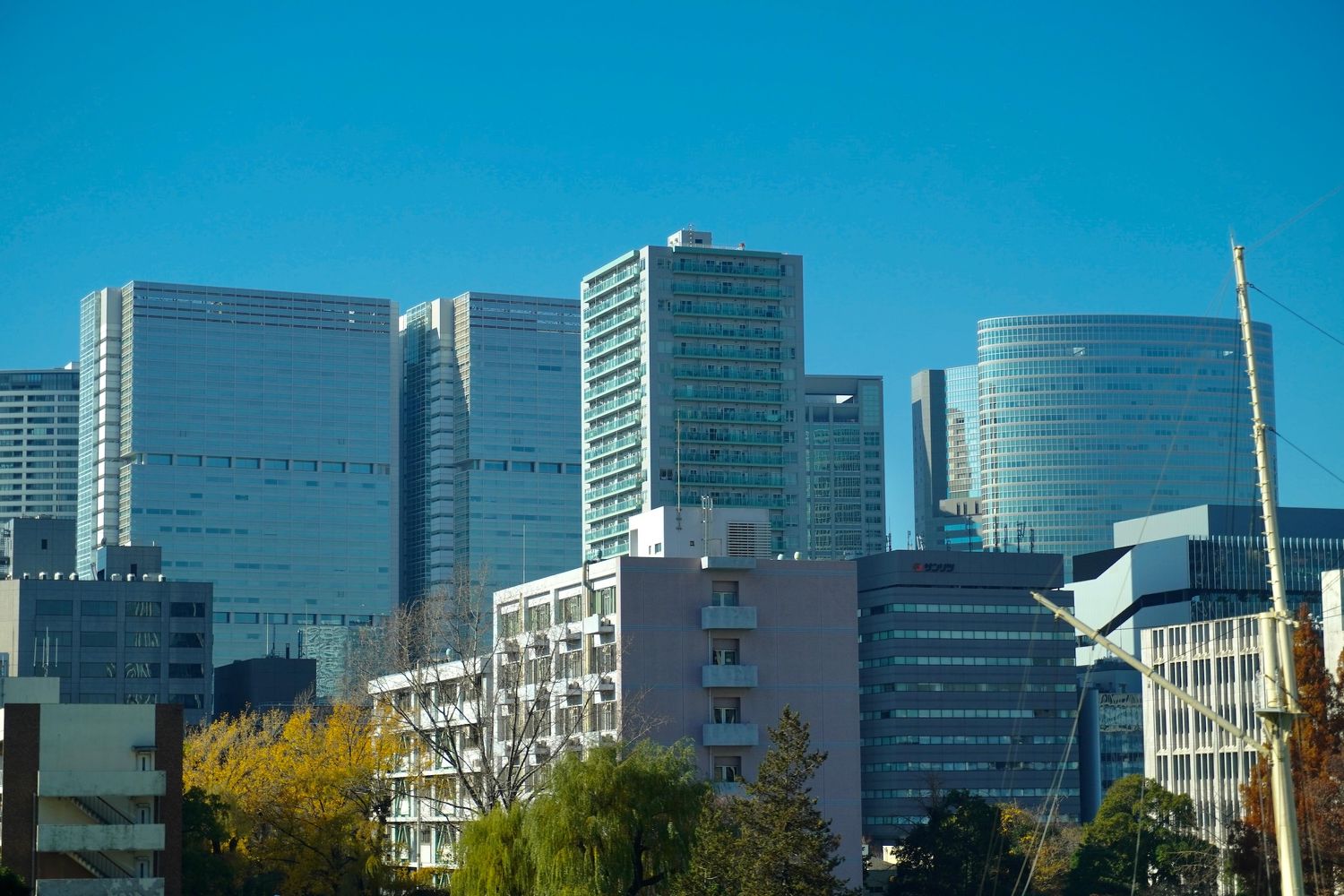
The majority of foreign investment is concentrated in prime urban areas such as central Tokyo, Osaka and Kyoto, where premium apartments and condos are more commonly found. They prioritise properties with easy access to workplaces, public transportation and amenities.
Most Singaporeans prefer residential units in Tokyo, where price growth and demand tend to be higher. High-end, premium new builds or trophy assets are preferred in land-scarce Tokyo.
Within Tokyo, there are five central wards — Chiyoda, Chuo, Minato, Shinjuku and Shibuya. Properties in these five wards are highly sought after for their central locations, vibrant business environment and strong rental demand.
Each ward has its unique characteristics. They range from Chiyoda — home to the Imperial Palace, government offices and Tokyo Station — to high-end shopping areas like Ginza and Nihonbashi in Chuo to the prestigious business districts and luxury homes in Roppongi and Azabudai Hills in Minato. Shinjuku is a major business district with many skyscrapers and bustling nightlife, while Shibuya is a popular hub for youth culture and commercial activities.
Older renovated condos are gaining popularity as well. This asset class captures the “sweet spot” for Singaporean investors seeking a lower capital outlay and immediate rental readiness in a tight supply market. Some of these older condos, which are fully refurbished and move-in-ready, could be priced as attractively as $400,000, which is a fraction of a new launch in Singapore.
In comparison, detached Japanese houses, particularly older structures, are less popular among foreign buyers because their value tends to depreciate more quickly over time. Further, detached houses demand personal maintenance.
Condos, on the other hand, are significantly easier to manage for non-resident investors. Professional management companies typically oversee the maintenance, building upkeep, structural repairs and tenant matters, making it highly convenient for owners living overseas. Condos also have stronger building structures that entail longer lifespans, which helps retain their value over time.
A notable exception is Akiyas, where a growing number of foreign investors seek cheap, abandoned homes in rural areas for redevelopment. Some investors are converting these houses to Airbnb assets as they tap into Japan’s booming tourism market.
Robust demand is propping up Japanese condo prices
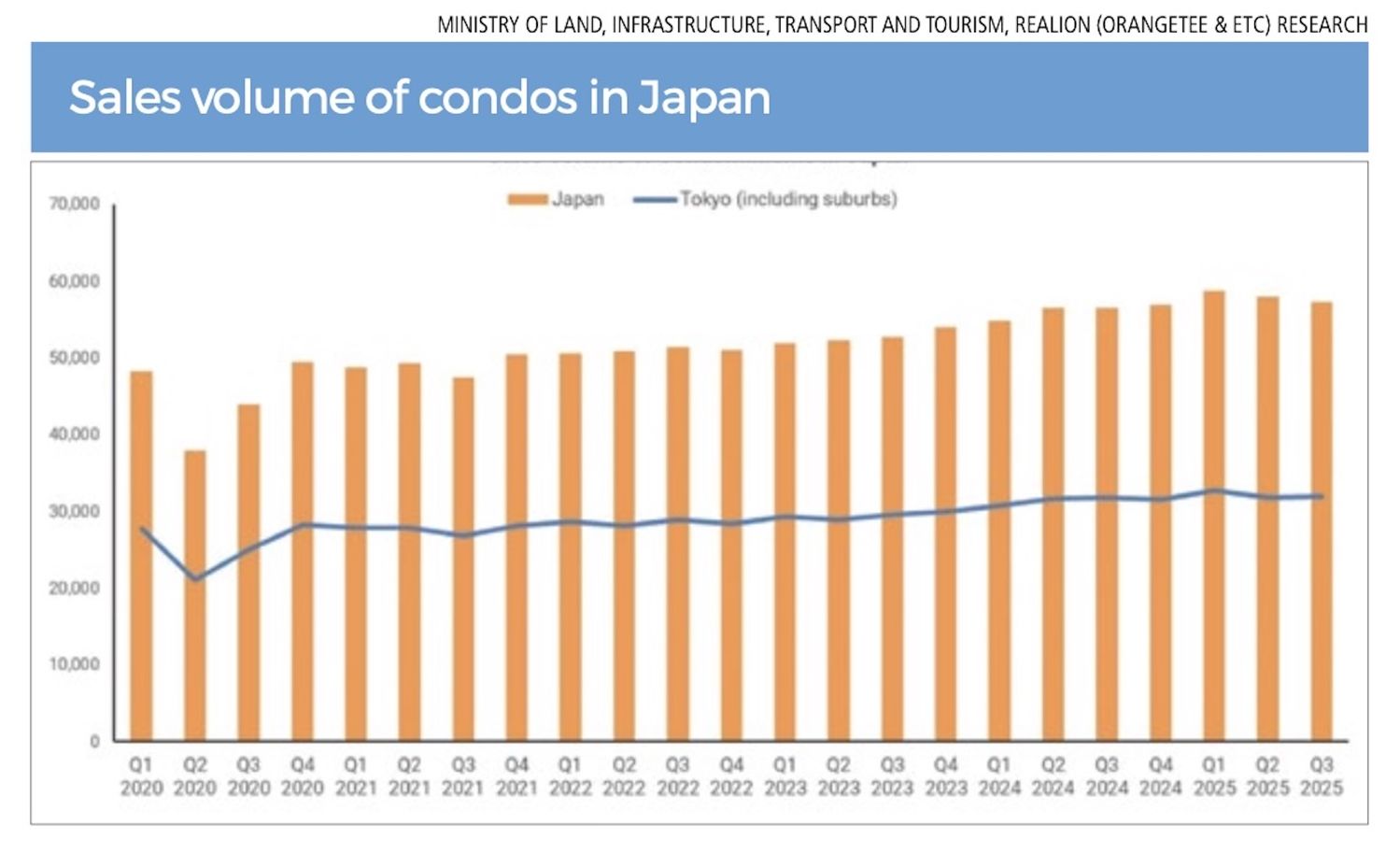
Demand for Japanese condos has stayed robust over the past decade. Data from the Ministry of Land, Infrastructure, Transport and Tourism of Japan shows that overall condo sales transactions jumped from 47,532 units in 3Q2021 to 57,260 units in 3Q2025. Sales volume of condos in Tokyo, including the suburbs, rose by 19.1% over the same period.
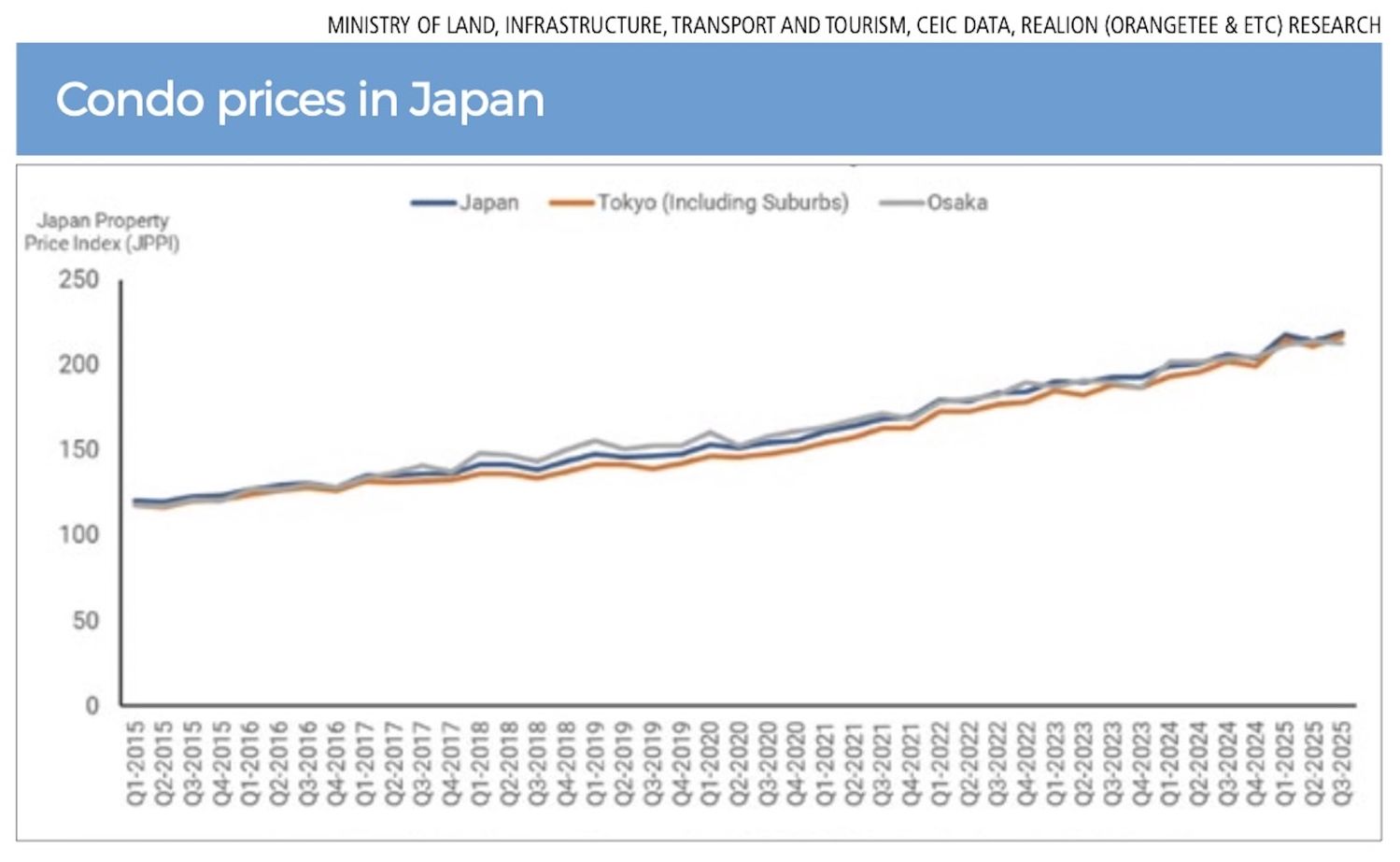
Due to the resilient demand from both domestic buyers and foreign investors, prices of Japanese condos grew by 31.3% from 3Q2021 to 3Q2025, according to the Japan Property Price Index (JPPI). Price growth in Tokyo and Osaka, among the more urbanised areas of Japan, similarly climbed by 33.5% and 26.3% over the same period.
Housing demand sustained by positive macroeconomics
Local housing demand is projected to remain firm, underpinned by steady nominal wage growth among Japanese nationals over the past decade, based on data from the Ministry of Health, Labour and Welfare of Japan and CEIC. The Japanese Trade Union Confederation aims for a wage increase of over 5% for the third consecutive year, with some labour unions planning to negotiate aggressive increases exceeding those in 2025. With an anticipated slowdown in the pace of inflation, coupled with a continued rise in nominal wages, real wage growth is projected to turn positive in FY2026.
In addition, the Japanese government introduced stimulus packages in 2024 to combat inflationary pressures. They added another comprehensive economic package in November 2025, worth JPY21.3 trillion ($173.1 billion), to raise economic growth in FY2026. The package is expected to promote capital investment, bolster consumer sentiment and support the purchasing power of Japanese residents.
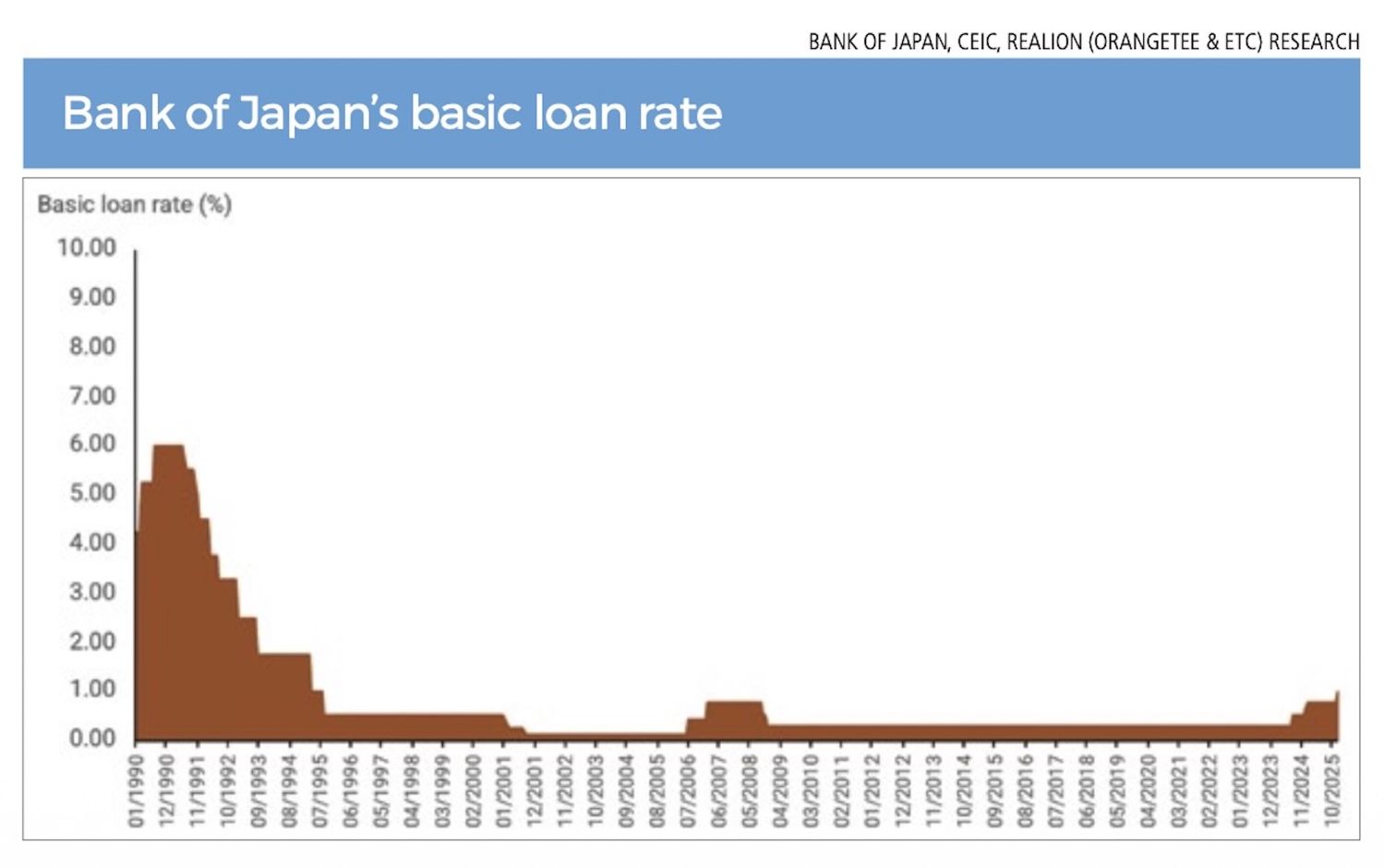
In addition, Japan’s long-standing low-interest-rate environment has allowed investors to secure low-cost financing for years. While the Bank of Japan is expected to implement gradual rate hikes from 2026 to 2027 as deflationary concerns subside, significant spikes are unlikely. The rate adjustments are aimed at bringing the negative real interest rates towards a more neutral level.
Nevertheless, the anticipated interest rate increase will help prevent the property market from overheating, while some buyers may feel the urgency to secure financing before the ‘low-rate’ window narrows.
For international investors, currency movements remain a primary catalyst. The yen is forecast to stay weak beyond the end of 2026, which will continue to attract foreign direct investment (FDI) inflows, benefitting the real estate sector.
Attractive rental returns
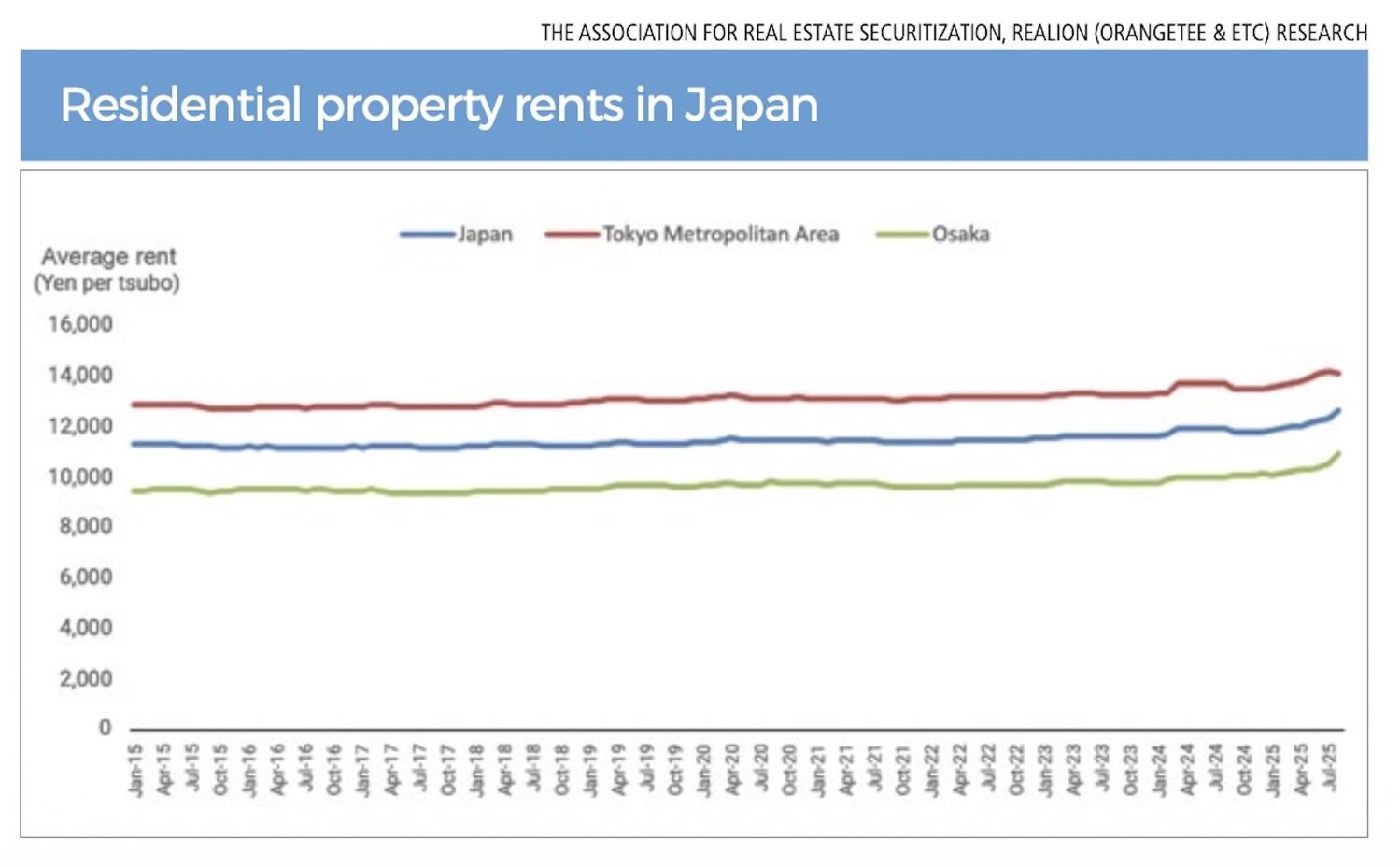
Investors looking for consistent rental income may view Japanese properties as a viable option. Based on data from The Association of Real Estate Securitization, the average rents of residential properties in Japan rose by 13% from JPY11,181 per tsubo (about 35.5 sq ft) in August 2016 to JPY12,633 per tsubo in August 2025.
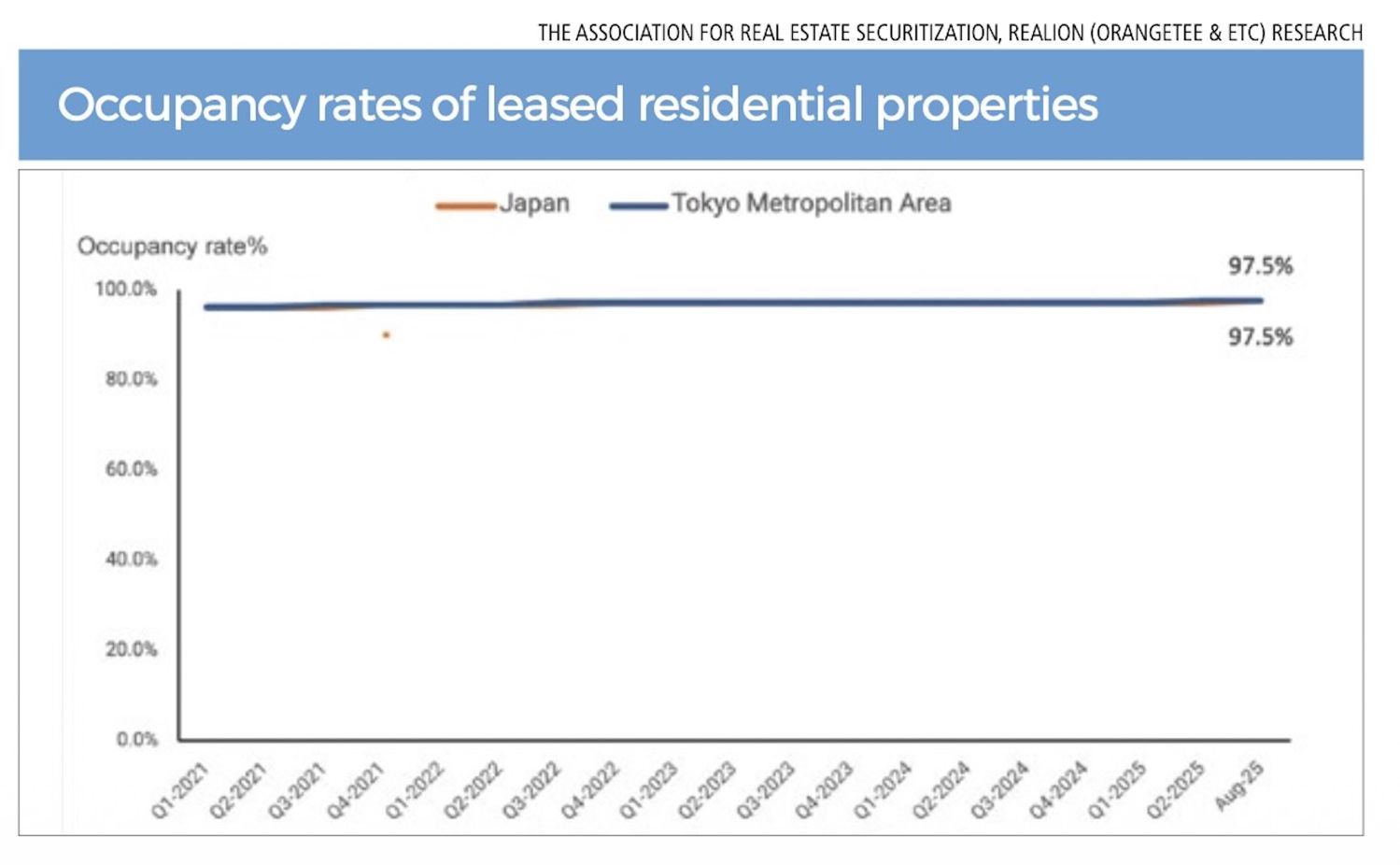
The average rents of residential properties in the Tokyo Metropolitan Area and Osaka similarly saw increases of 10.5% and 14.7% over the same period, reaching JPY14,136 per tsubo and JPY10,908 per tsubo in August 2025, respectively. Occupancy rates for residential properties were high, hovering above 95% for the past four years.
Surge in institutional investors and foreign direct investments
Institutional investors are similarly pouring record amounts of capital into Japan’s commercial real estate market, driven by robust demand in offices and logistics. Tokyo’s office market is booming, with investors targeting Grade A buildings in central districts such as Chiyoda, Minato and Shibuya.
For example, Blackstone announced in December 2025 that it was acquiring Tokyo C-NX, a Grade A logistics asset in central Tokyo valued at JPY100 billion, marking the largest logistics transaction in Japan last year.
Japan’s government is accelerating its efforts to draw more overseas funds. Through new fiscal and economic policies, it aims to raise the 2030 FDI target by 20%, to as high as JPY150 trillion by the middle of the decade, underscoring its push to revitalise its economy by attracting more foreign firms to invest in key growth sectors.
Outlook
Demand for Japanese properties is projected to remain robust, driven by a confluence of factors, including a weak yen, high rental yields and Japan’s high standard of living.
Although the Japanese government will introduce new rules — such as greater disclosure of nationality in property registrations to increase transparency and tighten foreign ownership — these changes are administrative in nature, and the real estate market remains largely accessible to international buyers.
We anticipate strong tourism and foreign investment, fuelled by demand for hospitality and short-term rental properties. All these factors will ensure that Japan remains a top lifestyle destination, driving further asset appreciation and sustaining property values in the long term.

Christine Sun is the chief researcher and strategist at Realion (OrangeTee & ETC) Group
Follow Us
Property updates, 24/7.


Subscribe to Newsletter
Market insights, delivered weekly.
Top Articles
Search