What it takes to construct a ‘healthy building’

What it takes to construct a ‘healthy building’

SINGAPORE (EDGEPROP) - Melbourne-based Jack Noonan, vice-president of Asia Pacific at International WELL Building Institute (IWBI), has been an advocate of the healthy buildings movement for 15 years — championing climate change programmes and sustainability in Australia. Twelve years ago, he was called into a brand-new office building where the glare was so bad that people packed up their stuff and went home instead of working. “It was blinding people,” relates Noonan via a Zoom call on Aug 22. “It was unlike anything I’ve seen. You walk into the lobby and there are beach umbrellas.” 

Read also: Integrated developments: Withstanding the test of time

The design of the building had not taken into consideration its impact on the people who would be working there. “People were leaving the building,” says Noonan. “We need to think about the productivity implications of a building. If you have a healthier building, you have a healthier organisation, and people who are more productive and more engaged.”

When it comes to running a building, energy cost is just 1%, with 9% going to operating costs. “The rest of the building’s cost is the salaries of the people who work in the building,” says Noonan. “That represents over 90% of the costs associated with the building. If you don’t design or operate a building that fundamentally addresses the needs of the people within that building, it becomes very, very expensive if something goes wrong.”

According to Noonan, “the great resignation” over the last few years is a sign that people have decided they want more impact from their workplace. “If you, as an organisation, an employer or building owner, don’t prioritise people’s health and well-being, it’s going to cost you a lot of money in the long term,” he says. 

The idea that buildings can impact our health and well-being is not new. In fact, the Sick Building Syndrome was first identified in the 1970s, while the World Health Organization released a report in 1984 that estimated up to 30% of new and remodelled buildings may have problems with poor indoor air quality. 


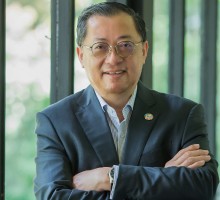
Jack Noonan - EDGEPROP SINGAPORE

Noonan of IWBI: It is no longer good enough for our buildings not to make us sick; they should make us healthy and well. And that is the change that we're seeing in the market, particularly over the last couple of years (Photo: Jack Noonan)


“What we’re trying to do at WELL is to flip the narrative,” says Noonan. “It is no longer good enough for our buildings not to make us sick; they should make us healthy and well. And that is the change that we’re seeing in the market, particularly over the last couple of years.”

Noonan reckons the pandemic has accelrated the trend. Four years ago in 2018, there were 148 million sq ft (13 million sq m) of WELL-certified projects across 32 countries. As of July 2022, there are over 4 billion sq ft (372 million sq m) of WELL-certified projects across 123 countries, says Noonan. 

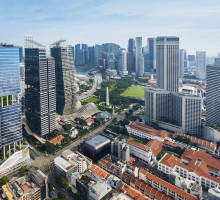
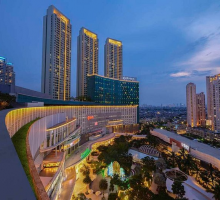
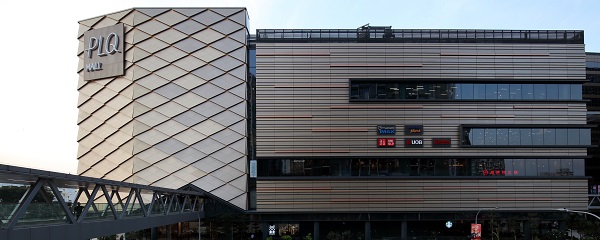
Paya Lebar Quarter (PLQ) is the first mixed-use development in Singapore where all three office towers have received the prestigious WELL Core & Shell Certification. PLQ was developed by Australian-listed property group Lendlease and opened in 2019 at Paya Lebar Central.  

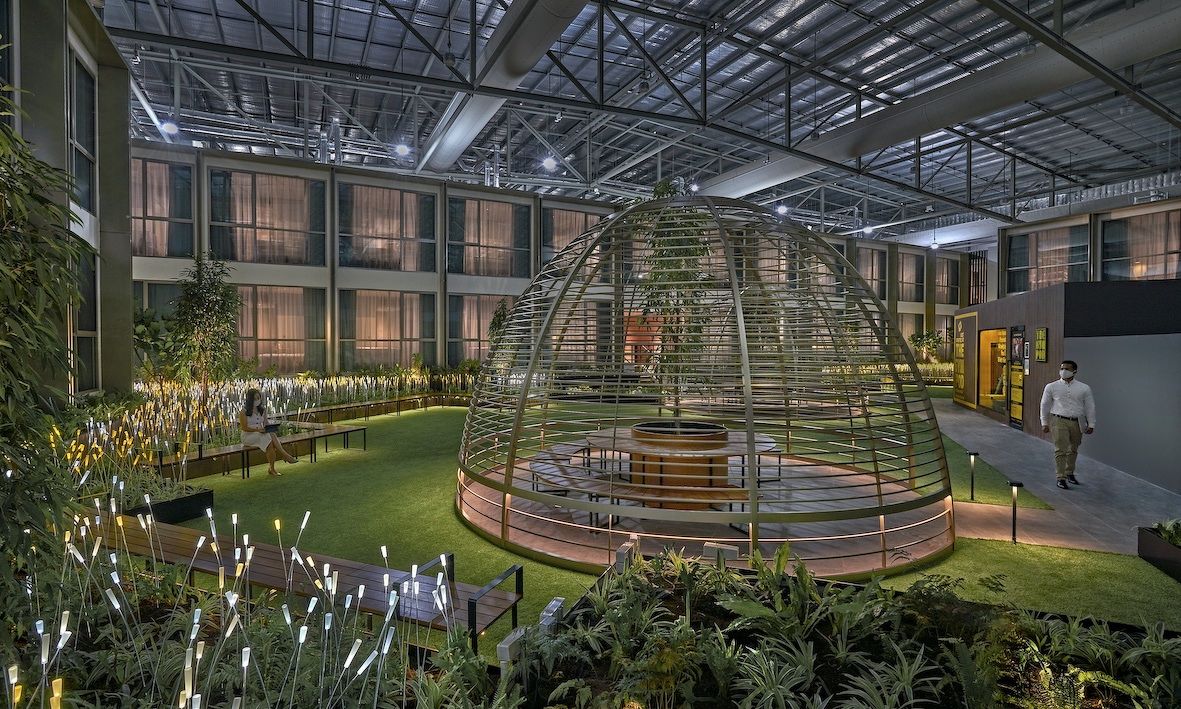
PLQ was the first project in Singapore to register for WELL Certification in 2017. Many sustainability features have been incorporated into the development, such as the 100,000 sq ft of green spaces, and use of native plants and natural materials. The buildings have top-of-the-line air filtration systems; use low or zero volatile organic compounds (VOCs) materials in the furniture, fittings and fixtures; and provide access to outdoor views and daylight for office tenants. Exercise areas and facilities are also within easy access. The floor plates of the office towers at PLQ 1, 2 and 3 average 26,000 sq ft.

“One good thing arising from the pandemic is that people have become a lot more aware of how the air quality and the indoor environment affect their own physical and mental well-being,” says Joelle Chen, sustainability director at Lendlease Singapore. 

An independent team has tested the buildings at PLQ across 10 different categories within the WELL Building Standards — air, water, lighting, nourishment, acoustics, thermal comfort, movement, materials, mind, and community. “It’s not just about Lendlease saying that they’re going to design a great space, it’s actually about proving that it is a great space,” says Noonan of IWBI. “Now, particularly in 2022, there’s a really strong focus on the actual performance of buildings. And this is something that Lendlease has led globally for a number of years.” 


PLQ MALL - EDGEPROP SINGAPORE

Paya Lebar Quarter became the first mixed-use development in Singapore where all three office towers received the prestigious WELL Core & Shell Certifications (Photo: Samuel Isaac Chua/EdgeProp Singapore)


Lendlease is also the world’s first commercial owner to earn a WELL portfolio score from IWBI for its office portfolio. Lendlease’s International Towers Sydney in Australia was the first to be awarded WELL Core & Shell Certification at the Platinum level, the highest certification available from IWBI. 

“Over the last couple of years, we have seen a focus on quality and performance, and ensuring that the design intent is executed,” says Noonan. “WELL certification is performance-based, and third-party verified.” 

IWBI will be partnering Lendlease on future initiatives, particularly in Southeast Asia, “to show the rest of the market how it’s done”, says Noonan. In Singapore, Lendlease is managing the redevelopment and subsequent operation of the new Shaw Tower at Beach Road. The former 35-storey Shaw Tower was built in 1975. It has been torn down and construction has commenced for a new 200m future-grade mixed-use tower, which is part of the ongoing rejuvenation of the Downtown Core into a work-live-play precinct and an extension of the CBD. 

Lendlease and security firm Certis has also formed a partnership to purchase Certis Cisco Centre at Jalan Afifi near PLQ for $150 million, and the partnership is jointly redeveloping the site into a new “green and sustainable project” with about 322,917 sq ft (30,000 sq m) of office space. 

The Australian property and construction group has also undertaken the construction of a large-scale, greenfield vaccine facility located at Tuas Biomedical Park. Indeed, Lendlease has constructed more than 90% of the biotech facilities at the 280ha Tuas Biomedical Park.


Cycling path - EDGEPROP SINGAPORE

Cycling path at the 100,000 sq ft open space at PLQ that links to the park connector (Photo: Samuel Isaac Chua/EdgeProp Singapore)


Besides Singapore, other top countries in Asia Pacific that are adopting the WELL Building standards and accreditation include China, India, Australia and Thailand, according to IWBI’s Noonan. He estimates that around 25% to 30% of all commercial office space in Australia — not just new commercial office space — are currently engaged in the WELL programme. 

Last year for instance, the office tower at 500 Collins Street, Melbourne, was awarded the Platinum level, the highest level certification under the WELL Building standard. The 26-storey building was completed in 1973. Although it is a 50-year-old building, it met all 10 performance categories under the WELL building standards.

Australia may be a pioneer in Asia Pacific in terms of WELL building standards, while it may still be early days for Singapore. But Noonan sees Singapore’s potential in “reaching greater levels of market saturation than Australia”, given the city-state’s focus on health and well-being. 

There is also a strong adoption of WELL building standards in the residential sector across Asia. “We have growing participation from the education and healthcare sectors as well,” says Noonan. “There’s a strong appetite for the education sector and the healthcare sector to address health and well-being within their spaces.”  

The first building in Singapore and Southeast Asia to be awarded the Zero Energy certification by the International living Future Institute (ILFI) is the National University of Singapore School of Design and Environment in November 2020. The Zero Energy certification by ILFI is based on actual performance and awarded to green buildings where 100% of its energy needs on a net annual basis is supplied by on-site renewable energy sources, with no combustion. 

Two of the largest new hospitals in Australia are pursuing a WELL certification. “They are worth over A$1 billion [$962 million], and are public hospitals,” says Noonan. “They are government-led initiatives and not driven by the private sector.” 


Joelle Chen - EDGEPROP SINGAPORE Chen of Lendlease: One good thing arising from the pandemic is that people became a lot more aware of how the air quality and the indoor environment affects their own physical and also mental well-being (Photo: Samuel Isaac Chua/EdgeProp Singapore)


Noonan feels that it is important to focus on “health equity”, which means making sure that people are not left behind in the movement. “We need to make sure that in returning to work, and in returning to our buildings, particularly in light of the Covid pandemic, we remember that we shouldn’t just be designing or operating buildings for the 70% of the normal population,” he explains. “We need to be designing and operating buildings for all people of different abilities and different vulnerabilities as well.” 

Singapore is the Asia Pacific headquarters for many Fortune Global 500 companies, and more than 20% of these companies are using WELL building standards across their organisations. “They are making commitments at their headquarters in London, or their headquarters in New York and across their entire operation,” says Noonan. “That’s why we’re seeing such a strong appetite for this in Asia Pacific as well. Ultimately, it’s going to be impacting Singapore because it’s impacting these Fortune 500 companies.” 

After the pandemic, there is a new challenge facing most employers and office landlords — “drawing people back to office,” says Lendlease’s Chen. “As someone who works on a hybrid arrangement, there are some days I work at home, some days I work in the office,” she adds. “I really do look forward to coming back to the office because the environment is so lovely, and obviously, it’s also about human connections as well.”  


Check out the latest listings near Paya Lebar Quarter, Park Place Residences, Shaw Tower
 

Related Listings
Related News

From trash to art: Lendlease promotes sustainability at malls

From trash to art: Lendlease promotes sustainability at malls

SINGAPORE (EDGEPROP) - At Parkway Parade, a mall located along Marine Parade in the east, intriguing exhibits are currently on display. The exhibition features replicas of iconic memorabilia from some of the biggest movies in the last few decades, including a meticulous model of the Death Star from the Star Wars franchise and figurines from the Alien movies.

See also: Glimmers of hope in the retail sector?

While the models are impressive to behold, what’s even more interesting is that they are all made from discarded items. Using recycled materials such as paper, cardboard boxes, broom heads and other materials, retiree and self-taught artist Simon Tan was able to give the items a new lease of life by turning them into works of art.

You Won’t Believe It’s Trash exhibition - EDGEPROP SINGAPORE
The You Won’t Believe It’s Trash exhibition is part of Lendlease’s efforts to promote sustainable and zero-waste habits (Photo: Lendlease)

Since late March, these art pieces have been on display at the You Won’t Believe It’s Trash (YWBIT) exhibition organised by Lendlease, as part of the group’s efforts to promote sustainable and zero-waste habits. The exhibition, which is free to the public, is being held on a roving basis at Lendlease’s four malls — PLQ Mall at Paya Lebar Quarter, Jem, Parkway Parade and 313@somerset.

Tan, 68, is a former shipyard mechanic who has been fashioning movie props and models out of recycled materials collected from his housing estate for the past 10 years. “I want to bring people’s attention to the boundless possibilities that we can achieve by reusing everyday rubbish. Even food containers or empty glue bottles have their uses,” he says.

Simon Tan - EDGEPROP SINGAPORE
Simon Tan, a retiree and self-taught artist, turns discarded items into works of art (Photo: Lendlease)

Inspired by his passion for movies as well as the environment, Tan first began creating art pieces when he retired to stay home and care for his aged mother. Using scrap paper his sister-in-law brought home from her printing company, he began creating paper artwork in his free time, gradually honing his skills to create larger, more elaborate pieces.

The collaboration with Lendlease marks Tan’s maiden public artwork exhibition in Singapore. Items on display include weapons inspired by Chinese martial art movies, a Storm Trooper helmet and a 1.56m-long battleship. His favourite piece is a 1.2m replica of an Ovomorph, or alien egg, from the movie Alien vs Predator. Made from cardboard and foam, it took over a year to complete.

Y.W.B.I.T. Exhibition - EDGEPROP SINGAPORE
Visitors looking at Tan’s replica of an Ovomorph, or alien egg, from the movie Alien vs Predator (Photo: LendLease)

Tan says he is happy to be given the opportunity to show his work. “Through my art, I want everyone to know that they should think carefully before throwing things away because by saving things for reuse, they are saving the Earth,” he says.

The YWBIT exhibition also features art doodles by Woo Qiyun, a local environmentalist and self-taught doodler known for her colourful, educational doodles around sustainability topics and the circular economy on her Instagram page, The Weird and Wild (@theweirdandwild).

The exhibition is part of Lendlease’s Mission Zero decarbonisation campaign to achieve net-zero carbon by 2025 and absolute zero by 2040. “These are the most ambitious targets our industry has seen to date, and that means every part of our value chain has a role to play in reaching this goal,” says Joelle Chen, Lendlease’s sustainability director, Singapore.

“Through these visual artworks created by local artists, we hope the exhibition will strike a chord with the public and we urge everyone to be more conscious of our consumption, as well as the waste we generate,” Chen adds.

Y.W.B.I.T. Exhibition - EDGEPROP SINGAPORE
Items on display include a 1.56m-long battleship (Photo: Lendlease)

The roving exhibition, which started at PLQ Mall, followed by a stint at Jem, is currently stationed at Parkway Parade until May 4. It will subsequently be on display at 313@somerset from May 6 to 18.

The exhibition also has an on-site vending machine for the collection of empty and clean aluminum drink cans, plastic drink bottles and paper for recycling.

As part of its sustainability efforts, Lendlease has also partnered GreenSquare, a local provider of textile recycling services, to encourage tenants at its malls to adopt more sustainable habits in their operations. Since April 1, fabric recycling bins have been placed at the bin centre of each of the malls to allow tenants to recycle unwanted garments, instead of throwing them away. 


Check out the latest listings near PLQ Mall, JEM, Parkway Parade, 313@Somerset


Related Listings
Related News

Beblu showcases repurposed, green Lebond industrial building

Beblu showcases repurposed, green Lebond industrial building

SINGAPORE (EDGEPROP) - New buildings in Singapore are subject to a wide-ranging checklist of energy and water efficiency standards, as well as sustainability features. But this means that many existing buildings will become less attractive compared to new buildings over the coming years.

A property investment company, Blue Sun Holdings, has latched on to this gap in the market, and is repurposing old commercial buildings and refitting them to meet the needs of high-quality tenants. 

Helmed by managing director Kenny Chai,  Blue Sun acquired a B1 industrial building as part of this refurbishment plan in January 2021. This was an 11-storey building at 7 Harvey Road in Tai Seng, which Blue Sun purchased for $27 million.

See also: Blue Sun Holdings developing AI-managed green building in Tai Seng for $32 mil


KENNY CHAI - EDGEPROP SINGAPORE
Chai: We believe that repurposing older buildings into green buildings is a large market opportunity in Singapore. (Picture: Samuel Isaac Chua/The Edge Singapore)


The newly refitted building is called Lebond by Beblu, and will be completed by the end of this month. The building is a BCA GreenMark Gold-certified building.

Chai is also the CEO of a separate property-technology company called Beblu, a digital property development and management platform. While Blue Sun and Beblu are separate and distinct, the plan is to leverage the digital property management solutions of Beblu to value-add commercial and industrial buildings acquired by Blue Sun, as well as market the management systems to the local market. (Find Singapore commercial properties with our commercial directory)

A key part of the investment strategy is repurposing existing buildings in favour of the traditional method of demolishing a building and developing a new one in its place. “Given prevailing taxes on new property developments and the relatively high construction costs at the moment, it is more expensive to redevelop a new building. It is much easier and more sustainable to repurpose existing buildings,” says Chai.


BLD 7 HARVEY RD - EDGEPROP SINGAPORE
Blue Sun Holdings acquired the 11-storey building at 7 Harvey Road for $27 million in January 2021 with the intention of refurbishing it into the first smart-managed green building in the Tai Seng industrial area. (Picture: Samuel Isaac Chua/The Edge Singapore)


Lebond is the first repurposing project by Beblu. Chai says Beblu originally set out to turn the entire building into a fully sustainable development, with the intention of fitting it out with built-in AI to manage all of the systems. However, regulatory limitations meant that some of the self-sustainability targets were missed. For example, the building was only able to accommodate 25% of the initially planned number of rooftop solar panels.

Chai says that some prevailing building regulations and construction codes may need to be updated to allow older buildings to fully utilise sustainable features like rooftop solar panels. As a result, he reckons that Lebond is about 70% self-sustaining in its energy usage.

In general, the cost of installing and maintaining energy-efficient fixtures and alternative energy solutions like solar panels is about 10% to 15% higher compared to regular fixtures, says Chai.


ROOFTOP SOLAR PANELS - EDGEPROP SINGAPORE
Prevailing building codes have prevented Beblu from utilising the entire rooftop of Lebond for more solar panels. (Picture: Samuel Isaac Chua/The Edge Singapore)


In most cases, the building owner can offset the cost through power purchase agreements. This is an arrangement where a third-party developer installs, owns and operates an energy system on an owner’s property. The owner then purchases the system’s electric output for a predetermined period. This is the case for the solar panels in Lebond, says Chai.

Other eco-centric features that have been newly installed in Lebond are sensors and monitoring systems that help the building conserve its overall energy use in a cost-efficient way. For example, each of the 10 commercial units is fitted with a digital power meter that provides real-time energy consumption data.

Lebond’s tenants can also control their own workspace temperature and lighting systems through a mobile application developed by Beblu. The entire building is also managed through an online building management system that allows the owner to manage daily building operations seamlessly.


smart power meter for tenants - EDGEPROP SINGAPORE
Each unit at Lebond is fitted with a smart power meter for tenants to monitor energy consumption. (Picture: Samuel Isaac Chua/The Edge Singapore)


The combined efforts of the various energy-saving and smart-building management systems mean that Lebond enjoys up to 50% less electrical consumption compared to similar B1 industrial buildings, and up to 50% savings in property management costs, says Chai.

He adds that, from an investment perspective, this often translates to higher rents and lower management fees for the building owner. “An increasing number of companies want to be more involved in green initiatives, and more tenants are willing to pay a premium to be in a green building,” says Chai.

Blue Sun expects that Lebond will attract higher-quality tenants and higher capital appreciation values after the repurposing. It is targeting a capital gain of about 20% or more as part of its exit strategy, says Chai. “We believe that repurposing older buildings into green buildings is a large market opportunity in Singapore.”


BEBLU OFFICE - EDGEPROP SINGAPORE
Beblu has taken up one of the office units at Lebond. It plans to showcase the success of Lebond to market its digital building management solution. (Picture: Samuel Isaac Chua/The Edge Singapore)


He shares that Beblu is already in talks to repurpose old commercial real estate in the CBD following the completion of Lebond. While he declines to share which buildings are under negotiation, he says that examples of the building profile it is targeting are Golden Mile Complex and Peninsular Plaza.

This year, Beblu will also actively market its plug-and-play digital property management solution. The company plans to manage 10 buildings by the end of next year, says Chai.


Check out the latest listings near Golden Mile Complex

Related Listings
Related News

Impact of climate on the future of real estate investing

Impact of climate on the future of real estate investing

SINGAPORE (EDGEPROP) - The real estate industry has made significant headway in recent years to account for the long-term effects of climate change. However, the real estate investment sector needs to adapt more quickly to incorporate a new dimension of climate change that will impact decision-making, according to a new research report published on Jan 27 by the Urban Land Institute (ULI), an international research institute, and Heitman, a global real estate investment firm.

The report, titled “Climate Migration and Real Estate Investment Decision-Making”, sheds light on the effects of climate migration. This refers to the relocation of people due to environmental change, and the social and economic disruptions it causes. 

Read also: Nascent life sciences real estate market in Asia Pacific needs more data sharing to grow: ULI


According to the report, there are two main reasons why climate migration is directly relevant to future real estate investments.

Firstly, climate migration contributes to significant shifts in demand for real estate as individuals and communities respond to changing environmental conditions. Urban areas that are less able to manage the effects of climate change will likely see a decline in demand in their respective property markets.

But new real estate investment opportunities are likely to spring up in regions or neighbourhoods that are better poised to absorb climate shocks and stresses.

“[Since 2019,] industry awareness and engagement with climate change risk has clearly shifted. The industry has developed new approaches and physical risk assessment, revised investment underwriting criteria and asset management practices,” says ULI.

Other improvements include new forms of cross-sector and community-level collaboration efforts to enhance climate resilience within urban developments and areas.

Yet, extreme weather displaced close to 31 million people globally in 2020, says ULI, and about 14 million could be displaced each year on the sudden onset of natural disasters like hurricanes, earthquakes and floods. ULI also cites research by Christian Aid, a UK-based charity, that shows that last year, global insured catastrophe losses exceeded the US$100 billion ($135 billion) threshold for the fourth time in five years.


new orleans flood - EDGEPROP SINGAPORE
Flood in New Orleans. About 14 million people could be displaced each year from the sudden onset of natural disasters like hurricanes, earthquakes and floods.


“This illustrates the potential for profound shifts in where and why populations will locate or relocate in a climate-changed world,” says ULI.

Secondly, climate migration also raises the need for the industry to urgently adopt proactive real estate investment approaches that promote effective, efficient and equitable climate change adaptation at the market and asset level.

Sustained investment activity in areas that are more likely to experience population decline due to climate-related disruption poses a direct investment risk. “Climate change, and its effects and governance, are uncertain and geographically variable, particularly when analysed in the context of long-term investments in the built environment,” says ULI.

Thus, climate migration needs to be factored into real estate investment decision-making.


According to the ULI report, climate-risk assessment is increasingly becoming a standard practice in real estate investment decision-making. This could begin by screening a portfolio against a suite of climate risks such as flooding or wildfire. Risk assessments then examine evidence of existing or feasible asset and community risk management measures.

Many ULI members share that they have started the process of identifying how they can address and prioritise these challenges in relation to key investment markets with high physical risk exposures.

“Moving forward, they expect to systematise this research process, which may include a standardised output that acquisition and asset management teams can use to monitor climate risks in the most vulnerable markets they invest in,” says ULI.

The research institute weighs in to say that some of the initial questions investors can ask themselves are whether the asset is protected by local infrastructure and resilience measures, and whether there is sufficient market-level adoptive capacity. 

Adoptive capacity refers to the ability of place-based institutions to mitigate climate risks and implement effective adaptation strategies. It could also relate to the fiscal capacity of a community to finance risks through property tax levies, government subsidies and transfers.

However, several local factors beyond fiscal capacity and access to capital add another layer of complexity that influences how communities navigate climate adaptation.

For example, community development projects and planning guidelines may enable a problematic development in vulnerable areas, heightening the long-term economic exposure to climate risks.

“I’m watching developers build in the floodplain, and they’re adding miles of roads that they won’t have to pay to elevate or to maintain. The state will have to pay to maintain it. They’re building in the floodplain and they’re building new assets that other people will have to pay to maintain and to adapt,” says an unnamed ULI member who shares his experience in the report.

Most ULI members when discussing adaptive capacity challenges faced by cities cite Singapore and the Netherlands as countries that they believe will be better positioned to absorb climate shocks and stresses. This is because there is a robust framework of climate strategies in place that offers comparatively safe investment opportunities in the future.


The report highlights that investor discussion about climate migration tends to focus on places that are likely to be adversely affected by climate stress and outward mobility flows, rather than areas and regions that may grow and further develop.

“We’re not placing a premium on higher-ground assets at the moment, so we’re probably focused more on the downside risk of climate,” says a senior executive at a major international investment firm.

ULI says the “oversized concern” with the downside of climate risk stems from several decision-making factors. These include the need to make near-term investment decisions about current or potential acquisitions in high-exposure markets, and the uncertainties associated with medium- to long-term climate science.


jakarta city - EDGEPROP SINGAPORE
The Indonesian government passed a bill on Jan 18 that approved plans to relocate the capital from Jakarta (pictured) to a new capital city.


This contrasts with top-down strategies to develop regions that can absorb so-called climate refugees in the future. For example, the Netherlands has started to study ways to shift populations and investment from high-risk flood-prone areas to comparably safer higher-elevation ground.

Indonesia is also finalising plans to relocate the nation’s capital from Jakarta to a new city called Nusantara on Borneo, given the former’s chronic struggles with flooding, land subsistence, and other urban sprawl and environmental challenges. The Indonesian government passed a bill approving the relocation on Jan 18 this year.


Most investors that ULI spoke to for the report recognise the importance of climate risk and migration as important determinants of market performance and return on investment. But they are only beginning to integrate these issues into their decision-making process.

“For investors, it’s a challenging time because all of these traditional indicators and models are pointing to conclusions that may be different from a climate-centric way of thinking about migration,” says one unnamed respondent from a large international property investment firm.

Existing market dynamics also continue to drive investment in, and subsequently returns from, many of the most-climate-risk exposed regions, says ULI.

This is a systemic rather than sector-specific challenge, given the multiple factors that influence human migration and the overall rate of climate change and its effects. Thus, specific industry approaches may need to be complemented with research methodologies and performance indicators to make the right long-term trajectory for real estate investments.

Summing up, ULI and Heitman believe that this requires a shift in perspective from an asset-centric view to a market-level appraisal of risk and resilience drivers. Leadership from the real estate industry and real estate investment community will be key in the widespread adoption of effective and equitable societal approaches to climate action. 


Related Listings
Related News

Portcast aims for green logistics

Portcast aims for green logistics

SINGAPORE (EDGEPROP) - Having secured US$3.2 million ($4.4 million) in a pre-Series A funding in September, logistics player Portcast is setting its sights higher. “We’re working on expanding our team as well as enhancing our technology to deliver insights, analytics and prescriptive AI for a variety of industries and trade routes — via sea and air,” Nidhi Gupta, co-founder and CEO of Portcast, tells The Edge Singapore.

Read also: ESR Reit acquires Global Trade Logistics Centre in Jurong East for $112 mil

Launched in 2018, the business offers real-time predictive visibility and demand forecasting for supply chain players, aimed at streamlining the processes involved, cutting costs and optimising for delivery time. 

Gupta describes Portcast’s solution as using “advanced trade and disruptions data and proprietary machine learning in order to predict cargo demand and arrival times to help logistic operators”. This builds on its knowledge gained on how cargo patterns move from working with parties like shipping companies, freight forwarders, manufacturers and airlines. 

The company also taps into data on external conditions, such as economic patterns, market capacity, customer no-shows, cancellations and rollovers, seasonality and holidays to forecast demand for its clients. “This enables companies to plan up to three months ahead in terms of the kinds of booking patterns they will see and the capacity they need to procure and eventually make pricing more dynamic,” she explains. 

Other external indicators taken into consideration include weather data, satellite data about where ships are, data from shipping companies, and ports. 

With risks caused by external disruptions better mitigated, this would allow customers to “plan ahead to reroute shipments, make timely transport arrangements from ports and better balance cost and delivery times”, she adds. 

It now works with 15 large logistics and manufacturing companies, and has a client base in multiple countries across Asia Pacific, Europe and the US. Portcast is now able to make forecasts for more than 800 ports in the world, across all major trade lanes and carriers, Gupta says.  

With the holiday season coming up, Gupta expects that congestion is unavoidable. “As we get into the festive season, there’s going to be more consumer goods definitely moving, so ships are definitely going to be running at full tilt,” she highlighted in a televised interview with CNBC

“The delays are definitely going to continue, so I think it is important to understand that for a particular company, what’s happening to their network, what can they actually do about it, can they plan their downstream better, can they make sure that they know what kind of delays are happening, [and] be able to communicate that to their consumers better,” she continued.

Ultimately, Gupta hopes that Portcast’s solutions would be able to inject sustainability into the logistics industry. “Shipping accounts for nearly 23% of the global CO2 emissions and we believe through our technology we can provide visibility at each container level on CO2 emissions — thus providing the fundamental baseline to find greener routes, efficient speed of vessels, reduce congestion levels and create impact with sustainable supply chains,” she says.

Related Listings
Related News

Sustainability movement and real estate: Fad or here to stay?

Sustainability movement and real estate: Fad or here to stay?

SINGAPORE (EDGEPROP) - Businesses globally are embracing the business of sustainability. In an emissions-heavy industry such as real estate though, the business of sustainability does present certain challenges, given the space’s heavy carbon footprint but attitudes are changing across the Asia Pacific. 

Read more: Asia Pacific cities face the challenge of sustainable growth: ULI’s Khoo Teng Chye

Following the release of JLL’s flagship sustainability report for real estate in the Asia Pacific, it is evident that financial and non-financial value generated through green strategies has made sustainability a critical pillar for business success. In fact, 83% of real estate occupiers and 78% of investors in the survey accept that “climate risk poses a financial risk”. This marks a transitional movement for the region’s real estate sector.


With real estate being a huge contributor to the carbon footprint of a business, it is no wonder that many are demonstrating a heightened responsibility towards evaluating and implementing change within their real estate portfolio as part of their sustainability agenda. At the time of the report, two-thirds of corporate occupiers and half of the investors polled have already incorporated carbon emissions reduction as part of their enterprise sustainability strategy.

This is good timing since governments are beginning to introduce subsidies that encourage and reward sustainability-forward corporations. One example is the launch of the Green and Sustainability-Linked Loan Grant Scheme by the Monetary Authority of Singapore (MAS) this year. The first of its kind globally, the loan scheme will support businesses of all sizes to obtain green and sustainable financing by defraying the expenses of engaging independent service providers to validate the green and sustainability credentials of the loan. In doing so, this scheme will further encourage banks to develop green and sustainability-linked loan frameworks to make such financing more accessible to SMEs.


Decarbonisation of the built environment - EDGEPROP SINGAPORE

Decarbonisation of the built environment requires society-wide buy-in and mobilisation of resources across multiple stakeholder groups (Photo: Samuel Isaac Chua/EdgeProp Singapore)


But it isn’t just governmental efforts that are driving the sustainability agenda. In just the first six months of 2020 alone, a record $20.9 billion of sustainable fund flows were recorded in the US, just shy of the annual record of $21.4 billion in sustainable fund net flows set in 2019. And that is only set to grow further. All this points to a rise in ESG investing — an approach that considers a business’ environmental, social and governance activities alongside its financial metrics in the evaluation process — which helps explain why sustainability is increasingly becoming a core focus amongst corporate leaders.


Another contributor to this heightened awareness of the importance of climate change is the youth of today. The growing climate change conversation amongst youth hit an inflexion point in 2019. The youth-led climate strikes of 2019, with one paper estimating over 6 million people globally participating in the movement, marked one of the largest climate strikes of all time and demonstrated a clear directional shift in generational thinking. This seismic outpouring onto the streets of major cities around the world, coupled with the pandemic that followed soon after, would serve to accelerate the adoption of sustainability-focused initiatives and strategies put into place by businesses. 

Beyond the critical environmental considerations that demand this shift in focus, there also exist two simpler motivators for businesses to start on their sustainability journeys sooner — those same protesters and their generation will soon be joining and making up the bulk of the future workforce, and with that, grow to be key consumers with disposable incomes. 

As JLL’s report also found, the sustainability agenda push is coming not only from external and regulatory pressures but also from within: eight in 10 occupiers and seven in 10 investors agree that employees in the future will demand green and sustainable spaces.

This multitude of voices can be daunting for businesses that have yet to embark on their sustainability journey, but they shouldn’t shy away or get intimidated by the prospect of change. 


Another contributor to this heightened awareness - EDGEPROP SINGAPORE

Another contributor to this heightened awareness of the importance of climate change is the youth of today (Photo: EdgeProp Singapore)


For starters, always plan around being measurable. While a low carbon footprint is not only great for the environment but also the corporate bottom line, businesses do not want to get called out for paying lip service only, especially with the increased scrutiny placed on businesses globally to match pledge to action. As discussions on environmental activism gain ground in corporate boardrooms, the chatter has to translate into emissions reduction targets to go with pledges made to reduce their impact on climate change.

Even simple measures such as adopting sustainability practices across office space, water-efficient fixtures, smart lighting, efficient appliances for the pantry, indoor plants and ergonomic furniture can provide the advantage of a green office and sustainable business that employees can rally around. These adoptions can also be the building blocks that help you access green funding and sustainability-linked loans for your business, whilst also meeting some of the needs for a sustainability-focused workforce.

Businesses can also actively engage with their employees in contributing towards making the office space more sustainable through simple initiatives like printing on both sides of the paper, adopting an office plant, saying no to zero use plastic, recycling waste, and eliminating the use of single-use plastics and disposable tableware.  

Looking beyond the immediate, it is important to recognise that significant change can best be brought about by public-private partnerships that are collaborative and purpose-led as the race to net-zero carbon continues to gather speed.

Decarbonisation of the built environment requires society-wide buy-in and mobilisation of resources across multiple stakeholder groups, thus the importance of public-private partnerships will be paramount in achieving this goal. With sustainability becoming a dominant global economic risk with the power to transform business, industries and society, this is certainly no fad, and the time for change is now. 


Kamya Miglani - EDGEPROP SINGAPORE

Kamya Miglani is the director of research at JLL Asia Pacific (Photo: JLL)


Related Listings
Related News

Designing for an endemic world

Designing for an endemic world

Courtyard Credit to Connect Changi - EDGEPROP SINGAPORE

Taking a leaf from other outdoor spaces, interlocking pocket gardens with mass public spaces increases access to green areas (Photo: Connect @ Changi)


SINGAPORE (EDGEPROP) - The planning, designing and engineering of urban spaces has increasingly pivoted to safety and health. As Singapore eases restrictions and the economy continues to open up, space planners are increasingly challenged to think about new ways to design urban spaces to facilitate interactions within safe management protocols. (See also: Capacity limits for visitors to project sales galleries, resale properties)


Healthcare facilities, as well as community spaces, including food courts and hawker centres, have come under the spotlight as a sizeable portion of Covid-19 clusters were recorded at these facilities. 

Designers are already starting to think about retrofitting existing spaces to accommodate a prolonged period of safe entry checks, re-configuring seating plans to taking into account distancing protocols and the interaction between space users and those who operate the space. The typical model of designing to maximise the use of space will now have to give way to well-ventilated and open green spaces that are equally safe-distanced as the delta variant has shown that the virus does not discriminate between closed and open spaces. 

In the wake of the outbreak at Jurong Fishery Port, there is an opportunity to re-think the typology of food handling and processing facilities. In its latest iteration of a poultry food-processing hub, Surbana Jurong architects incorporated in its design a clear segregation of different stages of processing poultry, making sure the slaughtering of live birds, as well as the collection of waste products, harvesting of giblets, chilling and grading of dressed chickens are conducted on the ground floor. 

On separate levels, a cold chain system provides for a safe and hygienic transfer of the poultry to the respective processors and storage facilities.

In the event of any avian pandemic, the ground floor can be isolated, while the rest of the hub continues to operate with an alternative supply of chickens. The transportation system and stages of processing can also be closed to ringfence disease spread. Poultry operators at the hub can continue to supply chicken to consumers. The same design considerations can be made for handling a pandemic such as Covid-19.


Playgrounds - EDGEPROP SINGAPORE

Playgrounds in many heartland housing estates remain bordered up, but as Singapore transitions to managing Covid-19 as an endemic, more thought will also have to go into designing outdoor spaces (Photo: Albert Chua/EdgeProp Singapore)


Playgrounds in many heartland housing estates remain bordered up, but as Singapore transitions to managing Covid-19 as an endemic, more thought will also have to go into designing outdoor spaces that are safe to use, striking the balance between encouraging interaction within safe-distancing limits. Taking a leaf from other outdoor spaces, interlocking pocket gardens with mass public spaces increases access to green areas. These green pockets can be placed with steps to maximise flow and function as informal seating during non-pandemic periods, and the steps can be replaced with plants that provide a natural barrier to keep intermingling to a minimum.

Within the home, designers have to also consider that it is increasingly common for people to serve quarantine in the home and their numbers may increase. There is an opportunity for designers to come up with short-term interim solutions to enhance sanitation to be included in an endemic-ready apartment. For instance, the pre-entry area of an apartment or the lift lobbies may require a reconfiguration to incorporate a washing zone to ensure contaminants are eradicated before contact with one’s personal spaces. Such design intervention serves to instil critical hygiene practices and habits from now on. 


One of the biggest gaps in the built environment that Covid-19 has surfaced is the siloed thinking around design and usage of spaces. In the “next normal”, we will need to build more urban spaces with the potential to serve multiple functions even as we think about converting quickly to care facilities during a pandemic. 

Urban spaces must be designed in a manner that allows facility operators to control foot traffic when a cluster emerges, and must be modular where possible so that the space can be immediately re-purposed in an emergency. Development sites have turned into temporary vaccination centres, and exhibition and convention spaces have been successfully converted to community care facilities and later evolved to a meeting facility for travellers. Traditional industrial facilities have begun to incorporate retail shopfronts. Spaces below expressway viaducts are increasingly being used for sporting facilities. Architects are challenged to think about how this kind of flexibility can be applied to other spaces including transport nodes, MRT stations and carparks.  

More than ever, urban planners have to engage other stakeholders outside of the traditional project life-cycle in the design process. 


Board Room Connect @ Changi - EDGEPROP SINGAPORE

At Connect @ Changi, designers modified air circulation protocols to ensure that contaminated air in the room cannot pass to other spaces within the meeting facility (Photo: Connect @ Changi)


Increasingly, climate engineers are being valued for their ideas on ways to keep indoor air temperatures healthy. Now, architects and climate engineers must work closer on innovative solutions such as the segregation of filtered clean air and contaminated air, not just in hospitals and healthcare facilities, but in the homes too. At Connect @ Changi, designers modified air circulation protocols to ensure that contaminated air in the room cannot pass to other spaces within the meeting facility. The same can be applied to other spaces that can be possibly re-purposed to manage cluster outbreaks. 

It will not be long before healthcare specialist designers will have to propose design solutions for non-healthcare facilities. Shipping containers have been re-configured to fit intensive care units, so the possibilities are endless. Logistics specialists will have to be consulted on warehousing and cold store typologies to design safer facilities for the processing, handling, transport and delivery of drugs and food.

Security specialists will have to work with designers to leverage visualisation technology tools to help facility operators collect data about the health status of individuals entering all types of building developments in a non-intrusive manner.

Covid-19 has given architects and designers an opportunity to re-think building typologies and make a significant impact for the future of the built environment.  


Ivy Koh - EDGEPROP SINGAPORE

Ivy Koh is director, SJ architecture, at Surbana Jurong


Related Listings
Related News

Tackling waste in retail

Tackling waste in retail

SINGAPORE (EDGEPROP) - A consequence of a rise in consumerism has been the increase in waste amounts generated. In 2018, large shopping malls in Singapore contributed 7% of the city-state’s total waste disposed of. (See also: 70% of firms in APAC willing to pay rental premium for green buildings)

To address the high waste levels from the retail sector, the Singapore government mandated in 2014 that shopping malls with over 4,600 sq m (49,514 sq ft) of net lettable area would have to submit their waste data and a waste reduction plan to the National Environment Agency (NEA). This yielded results, as between 2014 and 2019, the average waste generated by the retail sector fell from 52 kg per sq m to 45 kg per sq m, while the recycling rate rose from 6.7% to 11.4%.

If the disposal rates in 2019 are maintained, Singapore projected that by 2035, the Semakau Landfill will run out of space, and that future demand would require that a new incineration plant be built every seven to 10 years. Opened in 1999, the Semakau Landfill is an offshore landfill created entirely from sea space. It houses the city-state’s waste, which is cleared by incineration. 

ORCHARD ROAD SHOPPING - EDGEPROP SINGAPORE

In 2018, large shopping malls in Singapore contributed to 7% of the city-state’s total waste disposed (Credit: Albert Chua/ The Edge Singapore)

Singapore’s latest Green Plan 2030 unveiled this year aims to quadruple solar energy deployment by 2025, cut waste sent to the landfill by 30% and plant one million more trees by 2030. This also includes schemes to add over 130ha of new parks, and enhance around 170ha of existing parks with more lush vegetation and natural landscapes by end-2026.

“What does it take for Singapore to become a zero-waste nation? We need to move from a linear option of ‘use and throw’, to a circular economy, one of reusing and recycling resources for as long as possible,” says Amy Khor, Senior Minister of State for Ministry of Sustainability and the Environment, at the launch of a joint study conducted by WWF Singapore and Lendlease on tackling waste in the retail sector. 

In PLQ Mall, Lendlease introduced a QR code system for waste tracking, where each retail tenant is assigned a unique QR code for waste disposal (Credit: Samuel Isaac Chua/ The Edge Singapore)

In four of Lendlease’s retail malls in Singapore — 313@Somerset, Jem, Parkway Parade and PLQ Mall — the study reveals that tenants from different sectors have varying recycling behaviours. Fashion tenants have one of the lowest recycling rates, while supermarkets have a high volume of waste, but higher recycling rates. Fashion tenants, despite segregating cardboard boxes well, discard plastic packaging with general waste. 

Supermarkets, meanwhile, have a designated space at the back-of-house for individual recycling bins and a clear protocol on how to segregate food waste, paper and plastic recyclables, which contributes to its higher recycling rate. 

On the other hand, F&B tenants have low recycling rates, “which could be improved by segregating other recyclables besides food waste, like metals, as this would significantly improve the mall’s recycling rate and reduce the amount of waste sent to incineration”, highlights the report. 

The observation tower at Chestnut Nature Park - EDGEPROP SINGAPORE

The observation tower at Chestnut Nature Park. Singapore’s latest Green Plan 2030 unveiled this year aims to quadruple solar energy deployment by 2025, cut waste sent to the landfill by 30% and plant one million more trees by 2030 (Credit: Samuel Isaac Chua/ The Edge Singapore)

Role of mall operators 

More can be done by mall operators to improve recycling and waste management. This could come in the form of behavioural nudges, such as providing clearer instructional infographics on bins and supplementary training to tenants and cleaners in food court areas on appropriate segregation and cleaning requirements, it adds. 

Recycling bins at common areas and bin centres should also be labelled according to the packaging type, rather than material, as this often results in contaminated items being collected, the study says. When a certain percentage of a batch of recycled materials is contaminated, the whole batch is considered unusable and has to be discarded. 

Retail malls can also monitor waste data, digitising such practices. The report suggests further categorising tenants according to their retail category, as this would allow them to compare themselves with their peers. 

In PLQ Mall, for instance, Lendlease introduced a QR code system for waste tracking, where each retail tenant is assigned a unique QR code for waste disposal. When tenants deposit general waste or recyclables at the bin centre, they have to scan the QR code, weigh and record the type of waste in the system, reducing errors from manual recording and saving time. 

With such a system in place, waste data could then be linked to specific tenants. Lendlease found that F&B tenants with dining-in operations were “generally high-waste generators”, and “only a handful of them segregated their food waste, and even then, they were not consistent in this action”.

Across all four of Lendlease’s malls, food waste is the largest waste stream compared to other types of waste. Since 2013, the mall operator has been installing food waste digesters at its malls, with a dedicated personnel present to guide people to the accurate food waste bins at the bin centre. Due to this effort, two of its malls managed to divert about 1,040 tonnes of food waste from incineration, contributing to a 13% and 19% respective reduction in total general waste in the malls. 

Currently, Lendlease has a recycling programme in place that is voluntary for its tenants. WWF suggests that to boost waste management, regulatory authorities could also play a part. Initiatives could include developing a regulatory framework for mall operators to include a waste management clause in their lease agreements, standardising the penalty imposed for non-compliance, and incentivising good waste reduction and recycling behaviour using grants and tax rebates. 

Related Listings

Biomimicry: When nature and tech work together

Biomimicry: When nature and tech work together

SINGAPORE (EDGEPROP) - Clearing land for construction destroys natural habitats, especially the soil. When the topsoil is removed, the soil loses its ability to regulate water flow, provide nutrients, and fight pests and diseases. The off-site negative impact includes affecting soil quality and deterioration of water quality in the surrounding waters, if not properly managed. 

As urbanisation accelerates, the question remains — how then can we make sure that construction does not bring about more waste and destroy biodiversity, especially if it is a green building that is being constructed? 

Increasingly, architects, designers and urban planners are turning to nature to address sustainability goals in urban planning. 


Hamlet-Waterfront-Residential - EDGEPROP SINGAPORE

The Hamlet Waterfront Residential Masterplan at Dong Nai province, Vietnam, designed by B+H, leverages biomimetic design theory to create a resilient community informed by context and place (Picture: B+H)


Designers have always been inspired by the forms of nature, and its abilities to solve difficult problems in interesting and beautiful ways. Nature can produce an endless variety of forms that are both novel and high performing. To date, designers have harnessed this inspiration through the concept of biomimicry which is the duplication of models, structures and elements of nature. One good example is the suction cups that we use to hold large panes of glass similar to the feet of lizards. The aerodynamic nose of the bullet trains in Japan is designed after the beaks of the kingfisher. Even the planes we fly in are inspired by the wings and flights of birds. 

Mimicking organisms found in nature represent a great variety of novel solutions that we can harness for the functional requirements of our built environment. Nature has spent billions of years refining and perfecting nature’s challenges that we have much to learn from in all forms, be it on sustainable and structural aspects.  

In architecture and manufacturing, biomimicry is the practice of designing buildings and goods that simulate or co-opt processes that occur in nature. Eden Project, a tourist attraction in Cornwall, England, the UK is built from a reclaimed china clay pit. The Eden Project complex, which took two and a half years to complete, is dominated by two massive enclosures consisting of connecting domes called Biomes, the habitat of thousands of plant species. Each enclosure simulates a natural biome, consisting of hundreds of hexagonal and pentagonal ethylene tetrafluoroethylene. 


Designers have to navigate complex multi-dimensional trade-offs and contradictions. They are confronted with the issue of designing to draw high yield in commercial spaces while having to ensure limits to the amount of carbon emitted. It raises critical concerns of how designers should alter design processes and strategies to produce better designs; how they should use AI and computation to facilitate greener and more sustainable design while keeping the functionality of space. 

Nature-based designs must be able to keep maintenance costs manageable even as it ticks the box on sustainability goals. By adopting nature-based designs, designers are prioritising biodegradable materials that adopt nature’s natural recycling cycle which will lead to a truly zero-waste culture in design and construction. This will improve the carbon footprint at the embodied energy stage as well as the operational carbon stage of the development. 


Shenzhen-Children-s-Hospital - EDGEPROP SINGAPORE

The Shenzhen Children’s Hospital and Science & Education Building, designed by B+H in joint venture with ECADI, integrates best practices in biophilic design to create healing spaces that are driven by nature (Photo: B + H)


Aggressive consumption of natural resources to make way for urban cities has tested urban temperatures to the extreme, increasing the gap between rural and urban temperatures. Every change in land use removes trees and green spaces, adding to heat-absorbing materials. As the urban landscape matures, energy used to run buildings and transport infrastructure adds to waste heat. Every change in the size and shape of a city, or the layout of streets and buildings, increases heat intensity. 

To reduce aggressive consumption of natural resources, one very obvious nature-based design solution is to plant much more trees and grass in addition to retaining what is already in the soil. The rationale is that vegetation intercepts rain, reducing its velocity and preventing splash erosion. It also slows runoff, reduces sheet erosion, and anchors and reinforces the soil with its root system. Trees reduce the rate of erosion by protecting the soil from the impact of rain, transpiring large amounts of water which counteracts very wet soil, binding soil to sloping land with their roots. 

Mangroves planted along coastlines not only uplift ecological habitats but also protect the coast. There is now growing evidence that areas that had dense mangrove growing along the coast saw the erosive impact of the 2004 tsunami dissipating rapidly as compared to areas without any mangroves. 

Designers and builders are challenged to achieve more than a one-to-one ground cover replacement. Beyond that, to grow vegetation in the façade and sky gardens, not just on the roof surface. Reducing the number of hard surfaces, vertical and horizontal, will also reduce heat on the numerous surface areas in urban spaces. 

Yet another strategy is reversible architecture. After a building is completed, we can monitor the productivity of the various design and construction elements for economic and productive characteristics, for the waste generated and the carbon footprint. It includes urban planning strategies focused on the prevention of waste, and reduction of noise arising from the construction, repair and demolition of buildings. In pursuing reversible planning strategies, it is not enough to rely on a single discipline, say in architecture or even in nature-based solutions, but to garner a multi-disciplinary focus.

Read more: Surbana Jurong prices $250 mil sustainability-linked bond due 2031, Singapore's first

In Singapore, the latest urban design trend is to garner a multi-disciplinary focus in urban solutions which include credit certification, the alignment of projects with ISO sustainability standards and nature-based solutions such as biomimicry. The structure, shape, and purpose of suburbs, towns, and communities are related to urban design, which is the result of creating places where individuals live, communicate with each other, and interact with the physical locations of their surroundings. 


With the help of AI, we can better manage complexity, solve complex optimisation problems, and appreciate the inner workings of nature-based innovative solutions. With cloud computing, all stakeholders involved in a project can access nature-based and other creative solutions so that they are on the same page on optimal solutions for future applications.

For instance, if sufficient data is compounded on how mangroves protect coastal regions during storms, designers can use the data to simulate more powerful storm surges and floods in cities to defend cities from flooding during heavy rains. In flood and tsunami studies, it was observed how the thoroughfare and roads of cities increase the wave height and speed. Such data will be very useful when simulated to guide city planners on how to design and future proof new cities from such an occurrence as well as mitigate current city designs. 

There is a need to understand the materials used, the number of materials used, the constructability of these materials and how these can marry nature or mimic nature so that the essence of nature-based design is inculcated in the design DNA.

 Technology is a key enabler in charting the future of design. Building information modelling and digital twins play a critical part in the way forward. Designers can now simulate various permutations and scenarios building into these scenarios various elements of climate change risks including floods, trends on structural defects based on aggregated data, all powered by high performing cloud computing. Cloud also enables construction materials to be tagged and documented, creating a Material Bank in buildings so that the materials can be reused after buildings are deconstructed. 

That way, investors, developers and building operators have a better grasp of the true value of a building and its associated costs from development right through to project management and maintenance. 


Eugene-Seah - EDGEPROP SINGAPORE

Eugene Seah is senior director, special projects, Surbana Jurong


Related Listings
Related News

LHN Group sets Green Mark target and $1 mil investment for EV charging stations

LHN Group sets Green Mark target and $1 mil investment for EV charging stations

SINGAPORE (EDGEPROP) - LHN Group has unveiled several sustainability commitments that will be gradually rolled out across its local industrial and commercial properties over the next three years. 

In an interview with EdgeProp Singapore, Kelvin Lim, executive chairman and group managing director of LHN, shares that the group’s sustainability commitments include a target of achieving Green Mark certification for half of the industrial and commercial buildings under its management.

LHN is also investing approximately $1 million to install 200 electric vehicle (EV) charging stations across its properties over the next three years.

LHN is a local real estate management services group that was listed on the Catalist board of the Singapore Exchange in 2014. The company’s businesses include commercial and industrial development, residential spaces, facilities management and logistics management. The group has 40 industrial and commercial properties under its portfolio.


KELVIN-LIM - EDGEPROP SINGAPORE
Lim: We are positioning our properties as sustainably driven assets and providing the facilities to serve our tenants in the future. By doing so, we hope to push up the rental premium for some of our properties. (Picture: Samuel Isaac Chua/The Edge Singapore)


In March, LHN unveiled five key sustainability principles it is implementing across its business operations and property developments. According to Lim, these are: reducing carbon emissions, conserving resources, recycling, selecting environmentally friendly construction materials and increasing green coverage across its properties.

“The decision to adopt a sustainability plan is in line with an increased global awareness of the impact of climate change and we see it as a good practice to adopt these principles in our operations. Such strategic considerations also help maintain our running costs over the long term,” says Lim.


The group’s commitment towards incorporating more sustainable technologies and green features across its properties is a step towards achieving Green Mark certification for at least half of the industrial and commercial developments it manages in Singapore.

The Green Mark certification scheme was launched by the Building and Construction Authority in January 2005. The rating system was designed to evaluate a building’s environmental impact and performance.

Some of the key criteria for a Green Mark certification are climatic responsive design, building energy performance, smart and wellness measures, and green features.

The only building with a Green Mark certification in LHN’s portfolio is 202 Kallang Bahru, a JTC industrial property that was jointly acquired with W&S Flexi from Ascendas REIT for $17 million in January 2020. The group says it plans to utilise the eight-storey light industrial factory building as a self-storage facility with automated retrieval and logistics.


202 Kallang Bahru - EDGEPROP SINGAPORE
202 Kallang Bahru is the only Green Mark certified building in LHN’s portfolio so far. (Picture: LHN Group)


“Our company typically leases our properties so in terms of cost factors the elements needed to achieve Green Mark certification was not sustainable for our business model in the past. But moving forward with our sustainability initiative, we are more likely to achieve Green Mark for half of the buildings under our management,” says Lim.


LHN says it has already made notable progress in incorporating green features throughout its properties. The group says that in 2020, 90% of the properties it manages are equipped with energy-saving LED lights while water-saving taps have been installed at 75% of its properties.

Read more: LHN acquires Beach Road properties for $16.8 mil

Solar panels have been installed in at least three of its developments at 38 Ang Mo Kio Industrial Park 2, 72 Eunos Ave 7, and 100 Eunos Ave 7. The panels have been in operation since 2019. The group says it aims to complete its solar panel installation at 202 Kallang Bahru and 1557 Keppel Road by this September.

“We target to gradually cover most of our rooftop spaces at our properties with solar panels by rolling out the installation works in up to three sites per year whenever possible,” says the company.


38-Ang-Mo-Kio - EDGEPROP SINGAPORE
LHN says it hopes to gradually cover most of the rooftop spaces at its properties with solar panels by rolling out the installation works in up to three sites per year. (Picture: LHN Group)


According to Lim, most players in the private real estate sector have started to incorporate solar panels on rooftops to generate their own electricity. “Usually, these properties are warehouses, factories or office buildings which have a relatively large space footprint,” he says.

He adds that sustainable practices in the real estate sector tend to be focused on energy conservation to reduce the overall carbon footprint of buildings. However, new green features that have become more common include energy storage systems and utilising untapped solar energy to power EV charging stations, says Lim.


Over the next three years, LHN also plans to roll out about 200 EV charging stations across its industrial properties. “This is in line with the government’s push to encourage more electric vehicle adoption,” says Lim.

“We are trying to position our properties as sustainably driven assets as well as provide the facilities we think will best serve our tenants in the future. By doing so, we hope to either maintain our rental rates or even push up the rental premium for some of our properties,” says Lim.

The company plans to install at least five EV charging stations in each of the car park facilities in the properties they manage. LHN says it will initially roll out so-called entry-level charging stations that are expected to cost about $5,000 but will eventually upgrade them to more sophisticated and efficient charging stations that are priced at about $10,000 each.


EV-Station-at-Raeburn-Park-ArtistsImpression - EDGEPROP SINGAPORE
The group plans to install about 200 EV charging stations in its properties over the next three years. (Picture: LHN Group)


“At the moment, the government grants for EV vans are higher than the grants for EV cars. So we expect to see more usage of these charging stations within our industrial properties compared to commercial developments, especially to support last-mile logistics operators,” says Lim.

LHN is also exploring energy storage solutions to utilise untapped electricity generated by its solar panels to supply power to its EV charging stations.


“At the end of this sustainability plan, we feel that it will contribute positively to the overall appeal and valuation of our property portfolio. As awareness of the importance of these technologies increases and sustainable practices become more widespread, this will help push up the value of our properties,” says Lim.

Achieving Green Mark certification would already be a big step towards boosting rents, as buildings with Green Mark certification generally enjoy rent premiums of 10%–20% compared to non-Green Mark certified developments, he says.

The group also says that some of its tenants have indicated that being part of the sustainable movement is an important factor and a reflection of their corporate goals. “Consumers and businesses are more willing to invest in eco-friendly features,” the company says.

According to Lim, tenants are more receptive to higher rents if they see tangible benefits and facilities such as EV charging stations and increased green coverage. “Sometimes it can be a challenge raising rents if the sustainable features don’t have a visible benefit such as solar panels. Tenants may even ask for lower rents because they perceive that the building’s overall utility cost has gone down,” says Lim.

The initial phase of the group’s sustainability roadmap will span about three years and then the group will explore new green technologies in the market that it could incorporate in the future.

“This is not a plan that will run its course after three years or so. It is our continuous commitment to sustainability that will carry on for many more years,” says Lim. 

Related Listings
Related News