
'Diversify or die out': Singapore nightlife finds new ground as partygoers seek curated experiences
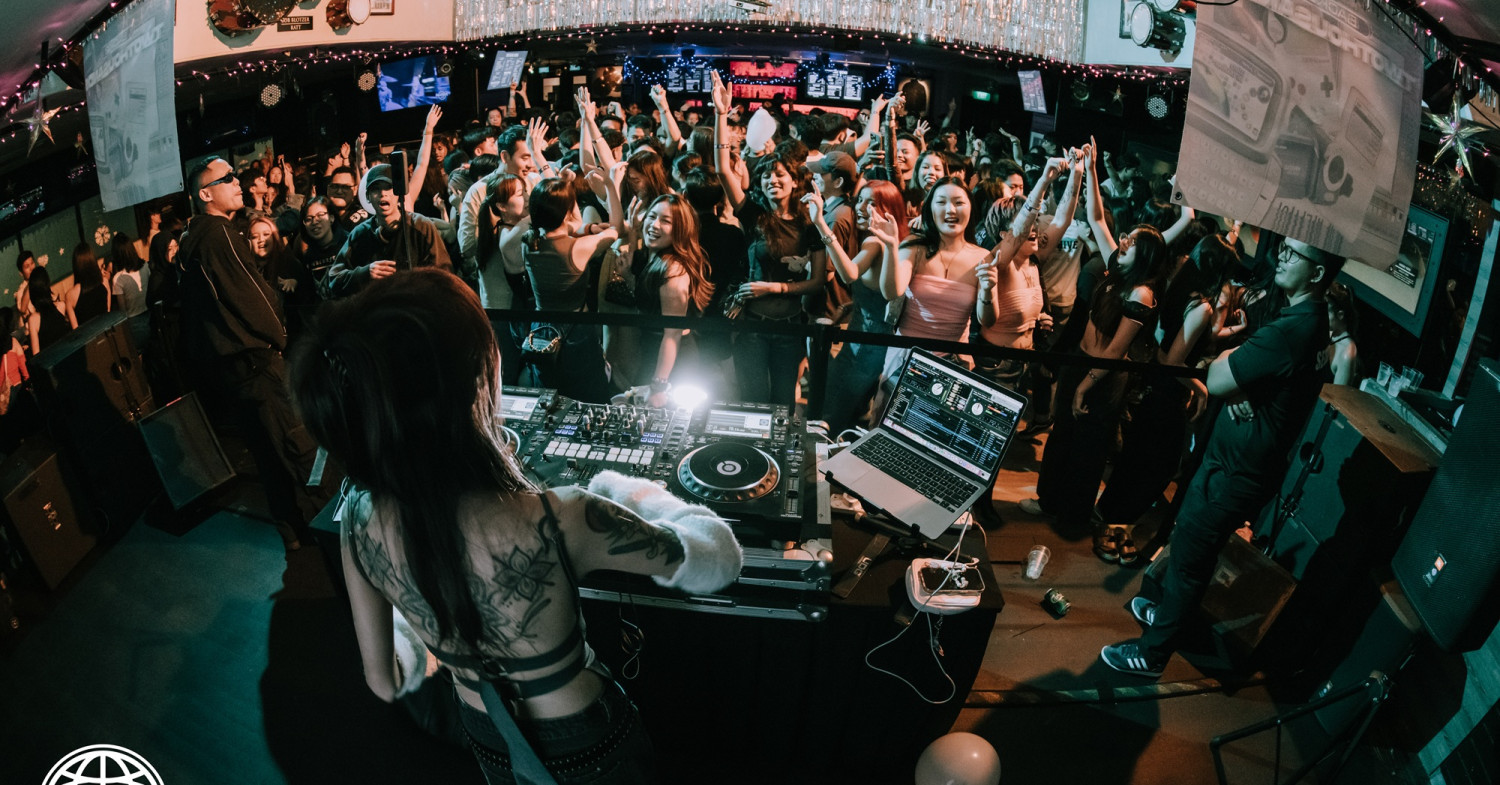
DJ Chael and the crowd at a party organised by Culture, at Hard Rock Cafe. Singapore’s nightlife players are exploring fresh concepts and models to keep up with consumer tastes. (Photo: Culture SG)

Years ago, a typical night out in Singapore would have felt incomplete without a stop at Clarke Quay. Crowds packed the riverside district long after midnight, weaving between queues outside popular venues.
For many partygoers at the time, hitting the clubs followed a familiar script: pre-drinks with friends, hours on the dance floor, and a late-night supper to refuel before heading home at dawn.
That version of Singapore nightlife feels increasingly like a bygone era to the current crop of revellers, including 25-year-old Jane C.
“I feel like the nightclub scene just died down. It was so vibrant,” she tells EdgeProp Singapore. “After the pandemic, all our favourite spots have closed. The landscape has changed so much.”
The shift has been so pronounced that Jane and her peers struggle to name a single defining venue, as nightlife options have fragmented well beyond traditional establishments. “I don’t even know where to recommend people in their 20s to go,” she adds.
Fresh concepts, hybrid spaces
Industry players point to broader changes taking place across the sector.
As venues face mounting pressure to maximise increasingly scarce and expensive space, operators are adopting hybrid concepts and diversifying their programming to stay relevant to today’s clubgoers.
“Clubs and event spaces will increasingly need to diversify their programming if they don’t want to die out,” says Ahmad Faizal, co-founder of Culture SG, which organises themed parties and has hosted events at establishments such as MDLR, Yang Club and Hard Rock Cafe.
According to Faizal, who DJs under the moniker SoundsOfFai, curated and community-focused experiences are appealing to a new generation of consumers.
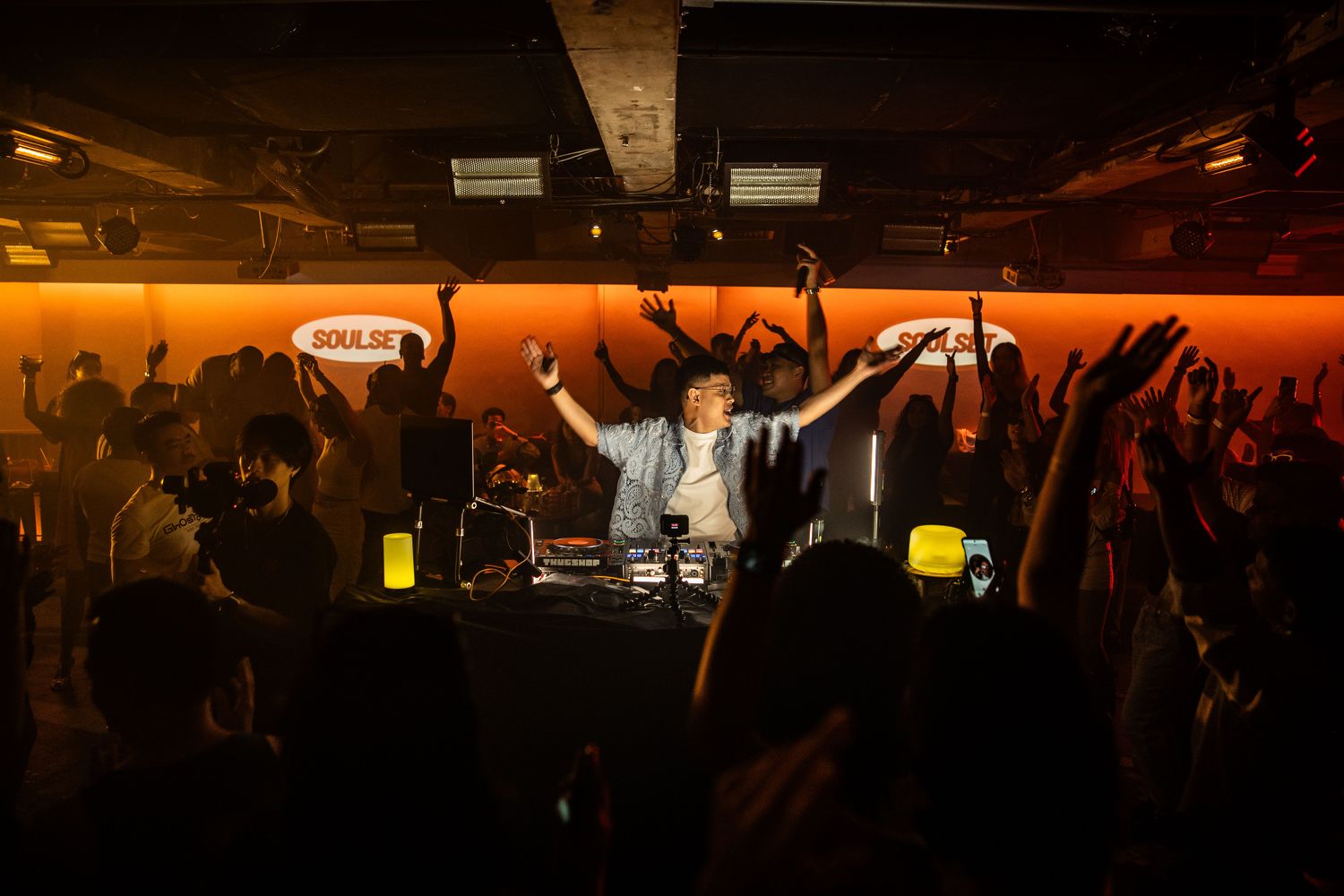
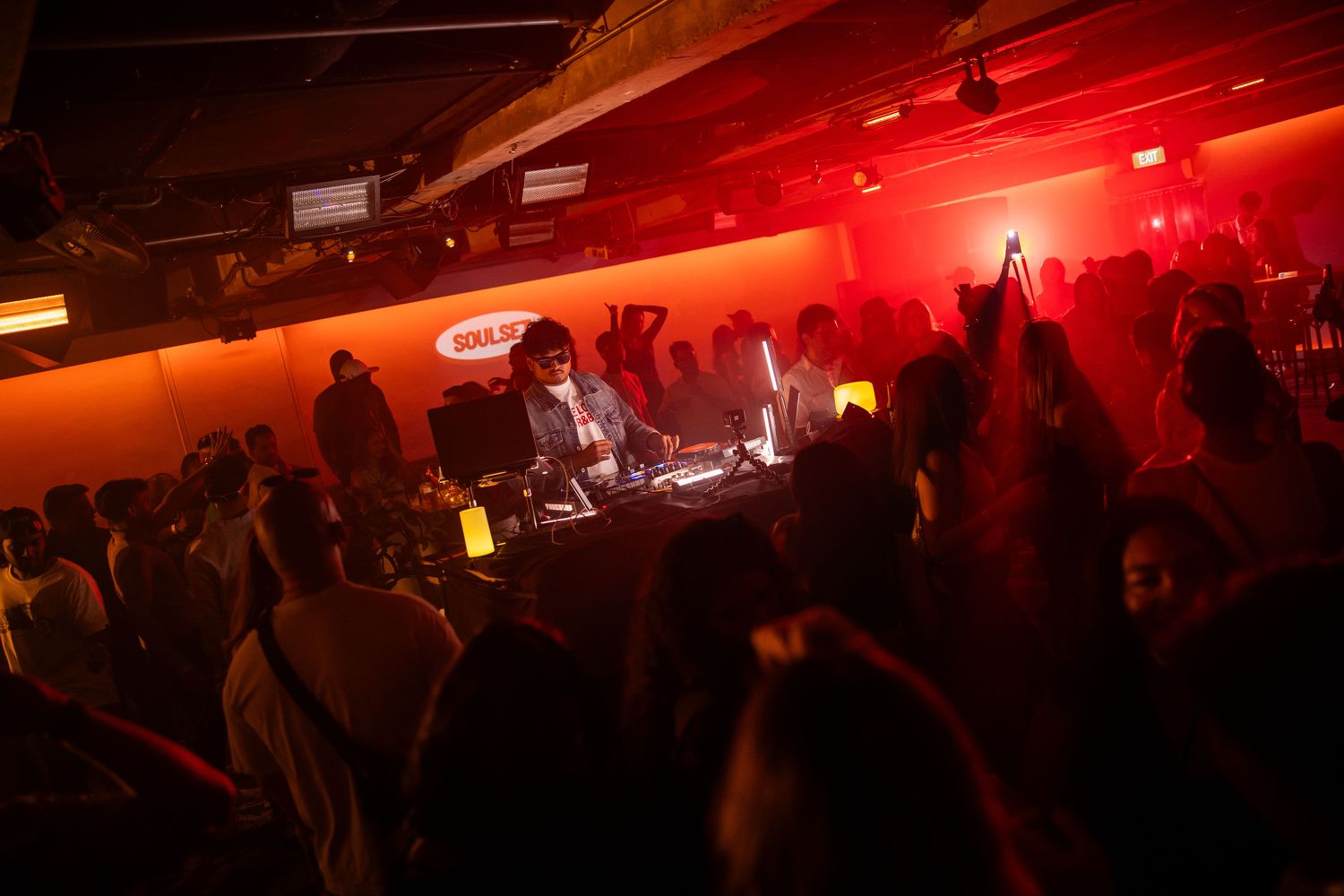
SoundsOfFai at a SoulSet daytime R&B party by event organiser Culture. Nightlife players are exploring fresh concepts, models and locations to keep up with consumer tastes. (Photo: Culture)
That is also prompting more asset owners and operators to set up shop outside of traditional nightlife districts and rethink long-standing business models.
Meanwhile, Clarke Quay, once the epicentre of Singapore’s nightlife scene, has evolved into a more subdued version of its former self.
While the precinct still houses nightlife mainstays such as Zouk Group’s venues and Yang Club Singapore, several establishments that previously defined the area’s party scene — including Attica Singapore, Zirca, Shanghai Dolly, F.Club and Get Juiced — have since shuttered.
Nearby at Boat Quay, prominent red-lit basement club Headquarters, a cornerstone of the underground house and techno circuit for a decade, held its farewell party on May 30.
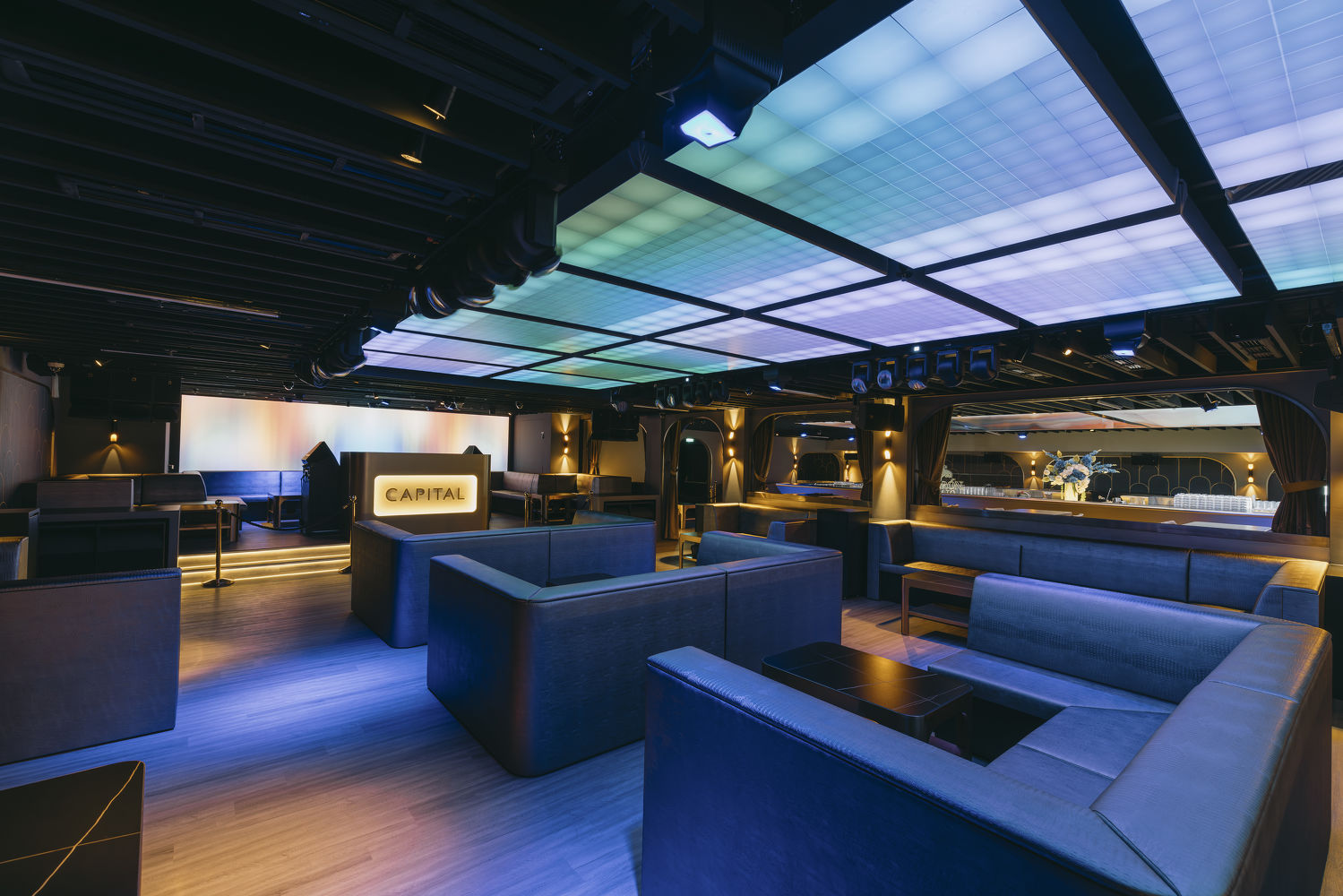
Capital, one of the nightclubs of Clarke Quay nightlife mainstay Zouk Group. The venue reopened in March after a two-month revamp. (Photo: Culture)
The CBD’s after-hours awakening
Footfall has been dispersing towards other areas in Singapore — with skyscrapers in the CBD emerging as clubbing hotspots after the office crowds clear out.
The CBD is now home to a growing cluster of venues, including Jungle Ballroom at Mondrian Singapore Duxton.
Cherry Discotheque relocated from York Hotel to Keck Seng Tower along Cecil Street in late 2018. And just a three-minute walk away is the pop-up club MDLR, tucked within TPI Building on the same street.
Culture’s Faizal reckons that the financial district’s appeal lies in its accessibility — a key consideration for operators and patrons alike. “If you work in the CBD, it’s easy to head straight to a nearby venue after work,” he says.
Sulian Tan-Wijaya, executive director of retail and lifestyle at real estate consultancy Savills Singapore, likewise notes that operators targeting young, professional urbanites are likely to find hotels and CBD buildings more suitable as nightclub venues.
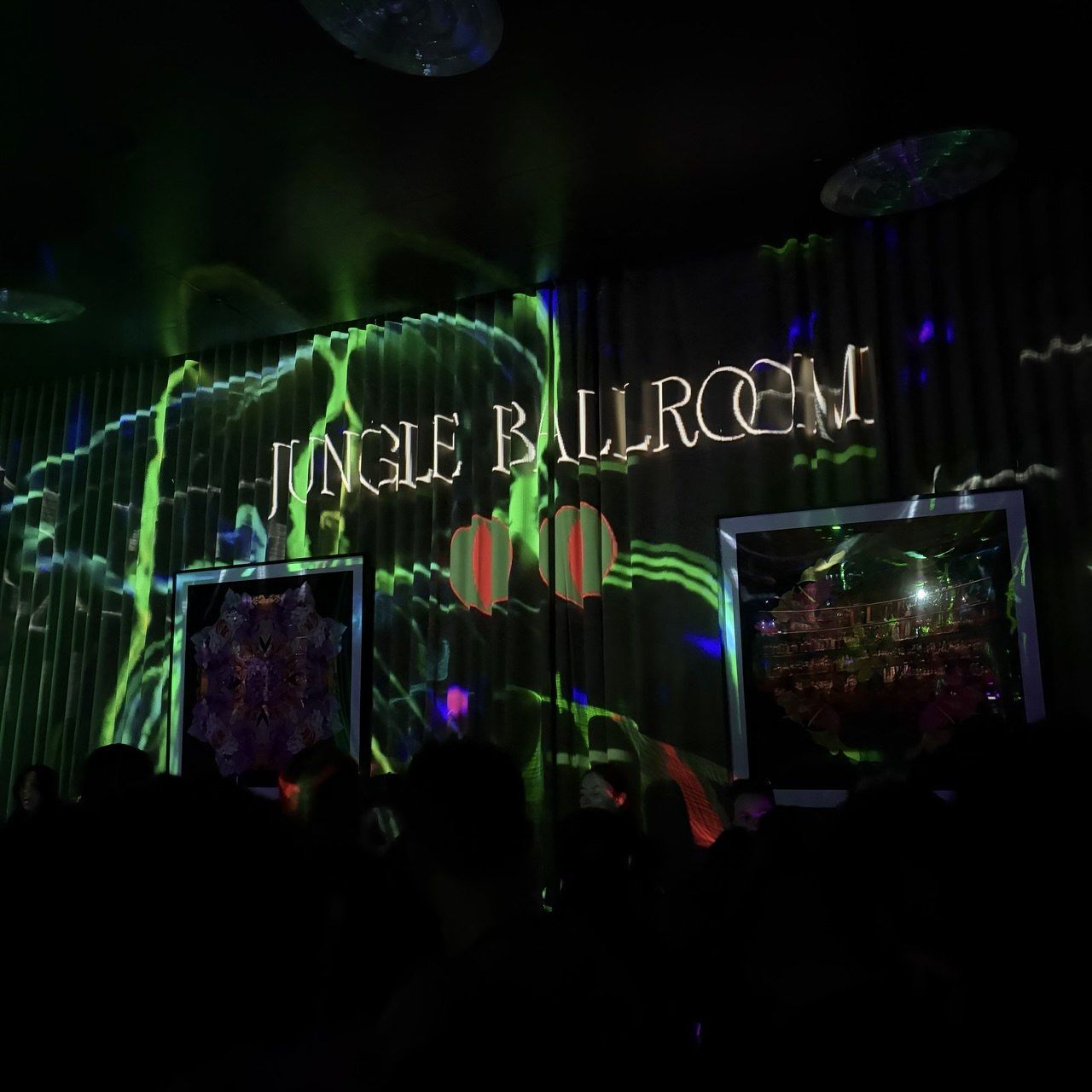
More nightspots are sprouting up in the CBD, including Jungle Ballroom (pictured), a hidden cocktail bar at the Mondrian Singapore Duxton hotel. (Photo: EdgeProp Singapore)
This new wave of venues is shifting the CBD from a strict 9-to-5 zone into a round-the-clock destination.
It is also fuelling the rise of dual-identity spaces that cater to professionals during office hours before transforming into party hubs after dark.
One such multi-concept destination is COTU (Center of the Universe). Perched atop CapitaGreen in Raffles Place and opened in December 2024, it spans 18,000 sq ft across five concepts.
These include Ensō Steakhouse, cocktail bar Little Birdie, live jazz and dining lounge The Whisper Room, pool bar Dashi Skypool, and the Dashi Go-Go boutique nightclub.
The spaces are designed to appeal to different demographics, says Tan-Wijaya.
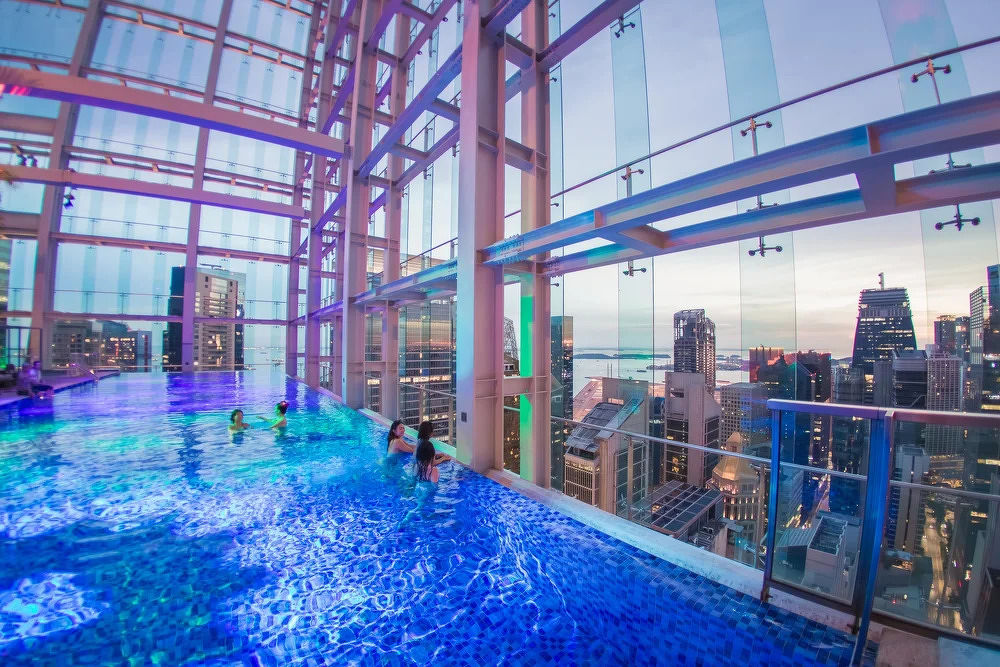
Dashi Skypool, one of five concepts at COTU at CapitaGreen in Raffles Place. (Photo: COTU)
“The Whisper Room is a favorite among professionals who prefer a more laid-back, after-office lounge experience and comfortable decibel levels like jazz performances,” she adds. In contrast, Dashi Go-Go is inspired by Japanese nightlife energy and Neo-Tokyo aesthetics, catering to younger partygoers seeking high-energy music.
Also in Raffles Place, arts and nightlife venue Rasa Space opened its doors at Republic Plaza in January 2025.
Occupying 6,000 sq ft, Rasa blends dining and lounge spaces with a community event venue and a nightclub — featuring a swanky restaurant, gelato counter, dance floor, and more. A versatile room hosts events such as talks, gigs, stand-up comedy and theatre shows. Rasa bills itself as a space for “art, music, food, wellness, culture, and everything in between”.
Over in the Civic District, one of the newest entrants is Milli, a rooftop dining and entertainment destination at the National Gallery Singapore. Savills brokered the lease transaction for the space, which opened on May 31. Sitting across two levels overlooking the city skyline, Milli combines a rooftop restaurant with a separate late-night lounge.
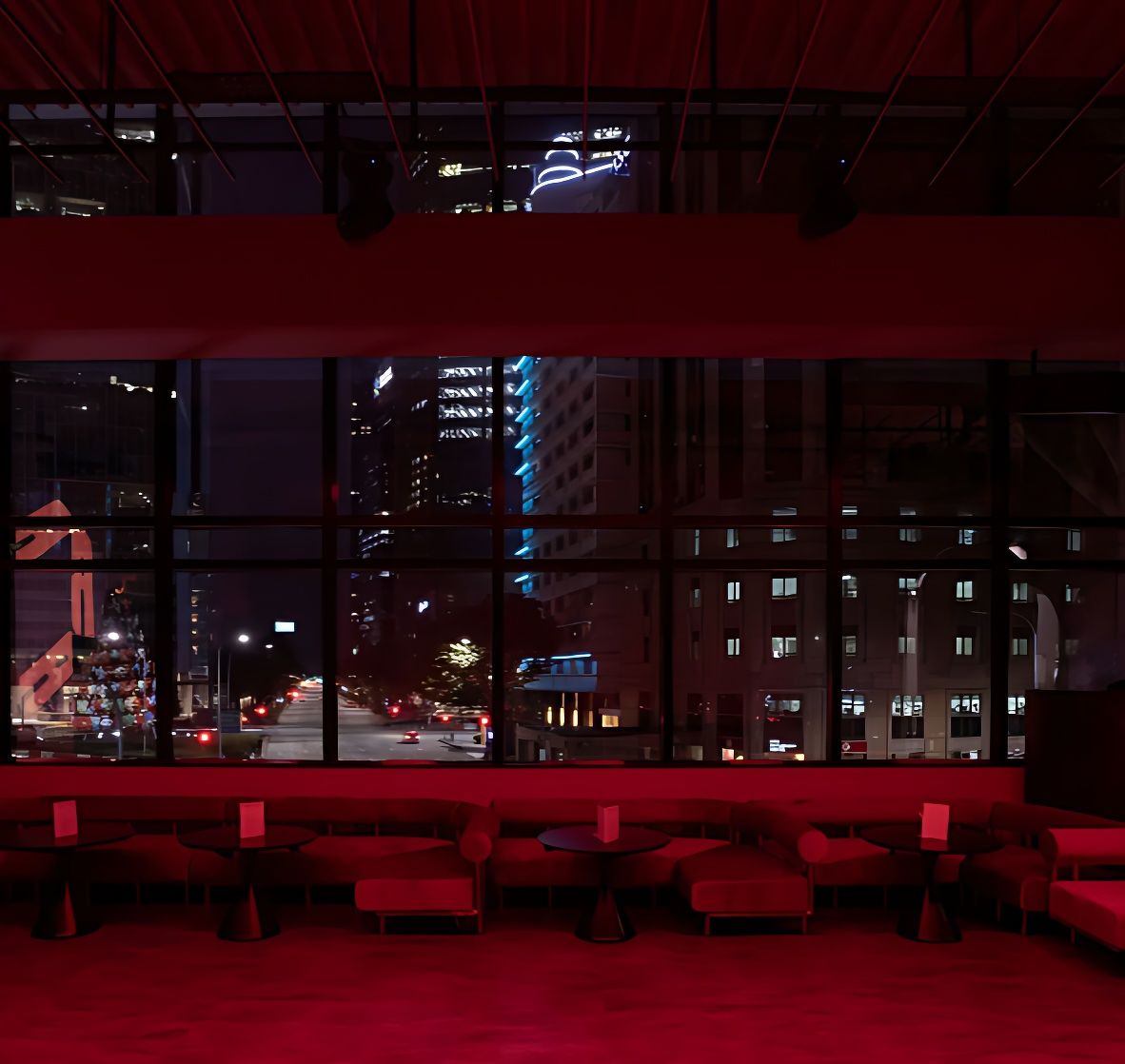
Rasa Space at Republic Plaza focuses on “art, music, food, wellness, culture, and everything in between”. Savills brokered the leasing deal for the 6,000 sq ft venue last year. (Photo: Rasa Space)
Daytime programming gains traction
Going by real estate consultancy Cushman & Wakefield’s (C&W) observations, landlords generally prefer tenants who can activate the space throughout the day. Examples include running a cafe or dining concept before transitioning into entertainment or nightlife in the evening, says Wong Xian Yang, head of research for Singapore and Southeast Asia at C&W.
“Operationally, however, this might be challenging to execute, as different concepts might require different operating models, staffing requirements, and so on,” he adds.
While some permanent brick-and-mortar venues may grapple with such operational hurdles, independent event organisers are also pivoting to fill the daytime void.
By bringing tailored pop-up concepts to a mix of nightclubs and unconventional venues, they have expanded into daytime sober parties that cater to those seeking experience-driven social spaces without the late-night hours.
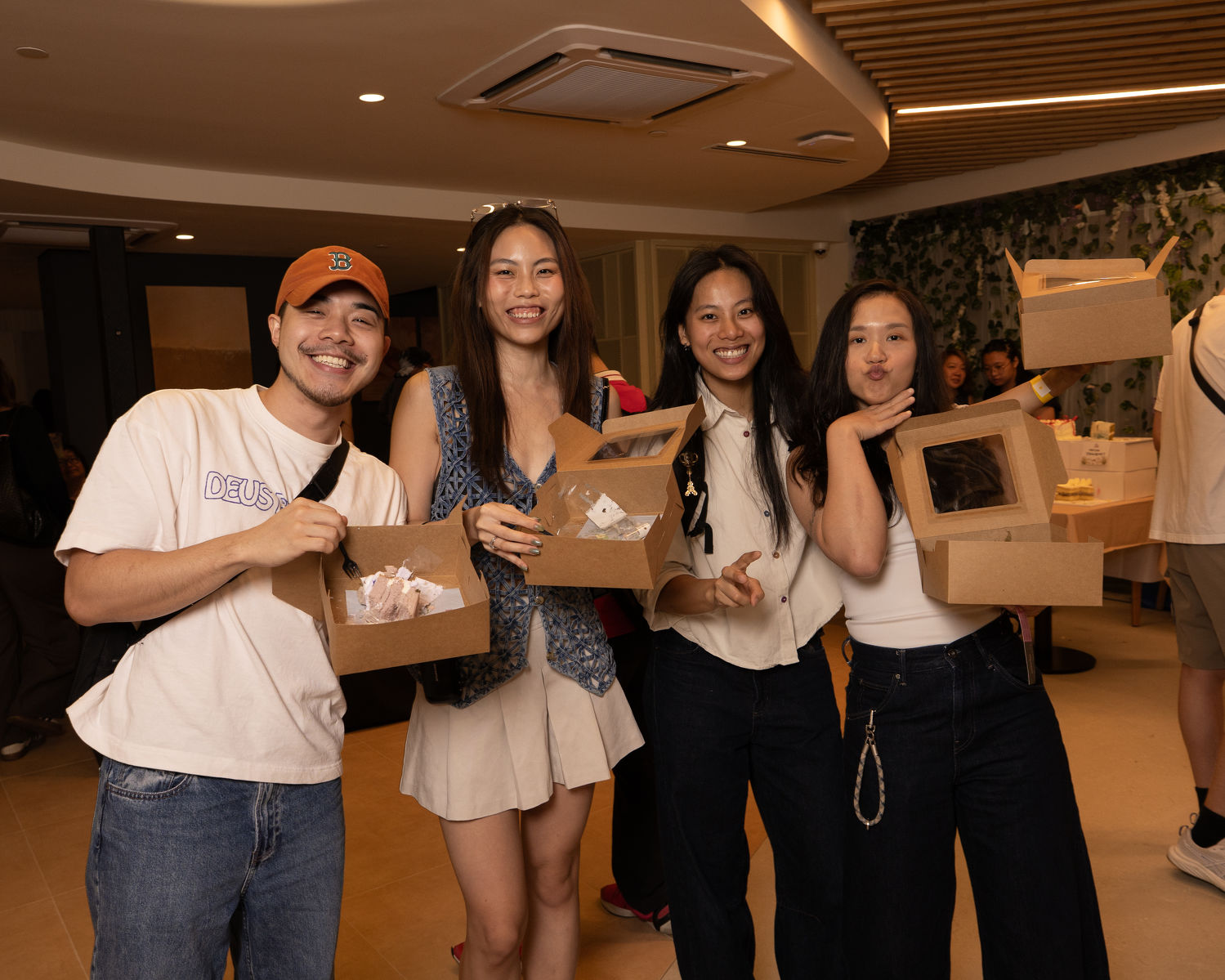
Participants gathered at Coliwoo Midtown in April for Rave4Cake, a sober daytime party centred on music and cake. (Photo: Better Say Yess)
This comes as younger consumers are increasingly prioritising wellness and healthier lifestyles. Anecdotal evidence indicates that youths in Singapore, such as Gen Zs, are generally consuming less alcohol than older cohorts — either for health or cost reasons, Savills’ Tan-Wijaya says. At alcohol-free daytime parties, attendees are swapping cocktails for caffeinated drinks, with “matcha raves” among the emerging trends. These events often incorporate wellness rituals such as soundbaths, too.
For example, the Exposure Therapy collective held the second edition of its matcha rave in August 2025, featuring mat pilates, at Rasa from 3pm to 8pm.
Flexible living firm Coliwoo has been hosting a series of events at its co-living properties, running from 2pm to 6pm each time, in collaboration with daytime rave organiser Better Say Yess.
Rave4Cake, a sober cake picnic party held this April at Coliwoo Midtown, provided ceremonial matcha, artisanal coffee, hot chocolate, and cakes by local bakeries, accompanied by live sets by three DJs.
Traditional nightclub operators have similarly experimented with daytime programming.
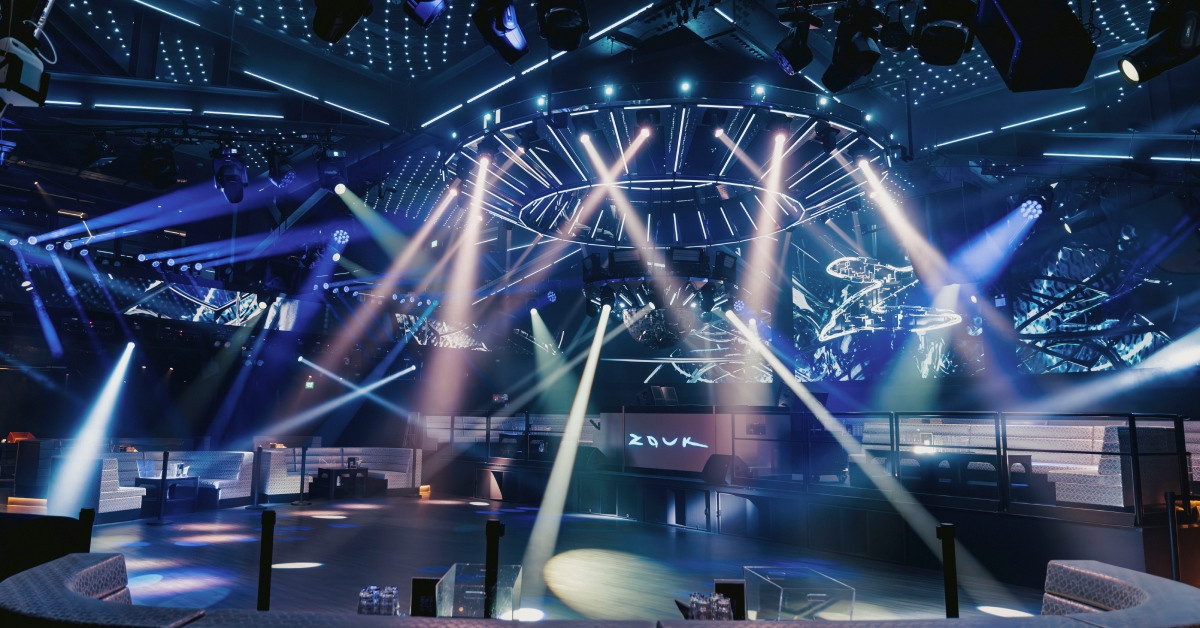
Zouk, for instance, hosted its Sunday afternoon market series, “Hungover”, at its club premises in October 2025 and February 2026, before it shuttered temporarily for renovation. Open to all ages, the free-entry event combined a flea market and food stalls with live DJ sets, taking place from 12pm to 7pm. Beverages served included beer, smoothies, coffee and matcha.
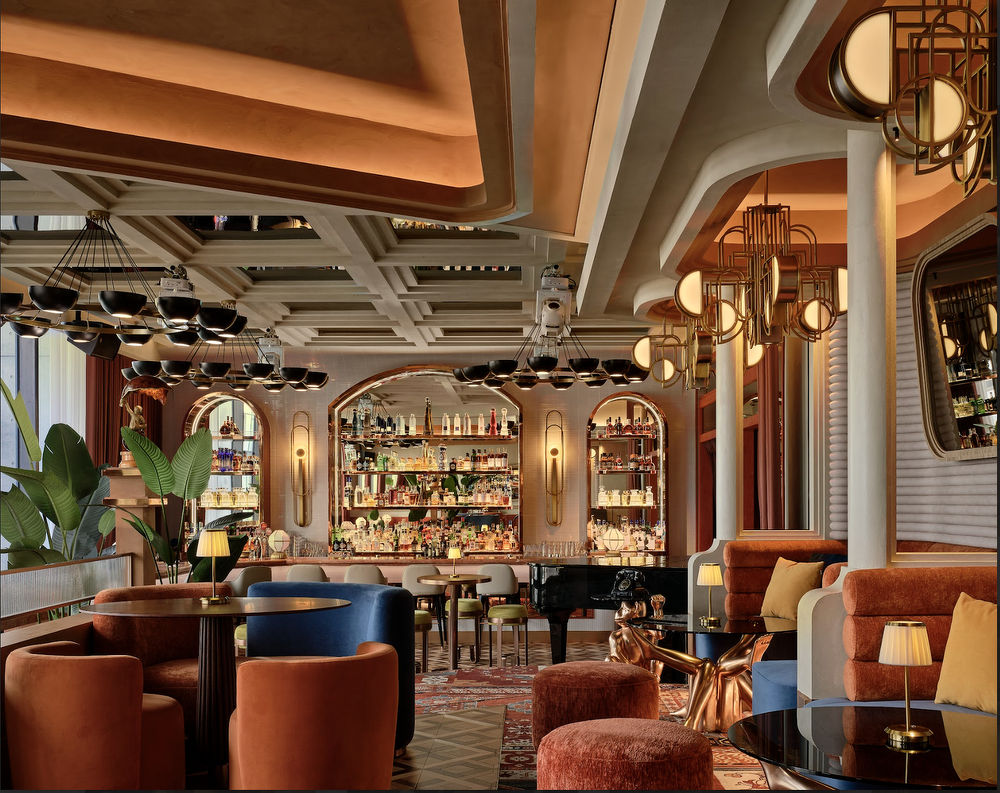
In the CBD, The Whisper Room operates as a dining venue by day, and a live jazz lounge and event space by night. (Photo: COTU)
Prioritising connection and community
These experimental formats respond to a deeper, structural shift in consumer preferences.
“Pre-Covid, clubbing was a mainstream, almost default, rite of passage for Singapore’s youth and a regular affair where clubbers would splurge on alcohol and party into early hours,” says Tan-Wijaya.
Today, however, younger consumers are becoming more selective about where they spend and prioritising experiences that align with their interests and identities.
Culture’s Faizal attributes this to the pandemic having changed the way an entire generation of clubgoers discovered music, entertainment and online trends.
As social media algorithms on platforms such as Tiktok and Instagram became more tailored to individual interests, many users found themselves gravitating towards niche communities with shared tastes and passions.
“What we do is bring those online communities offline,” says Faizal.
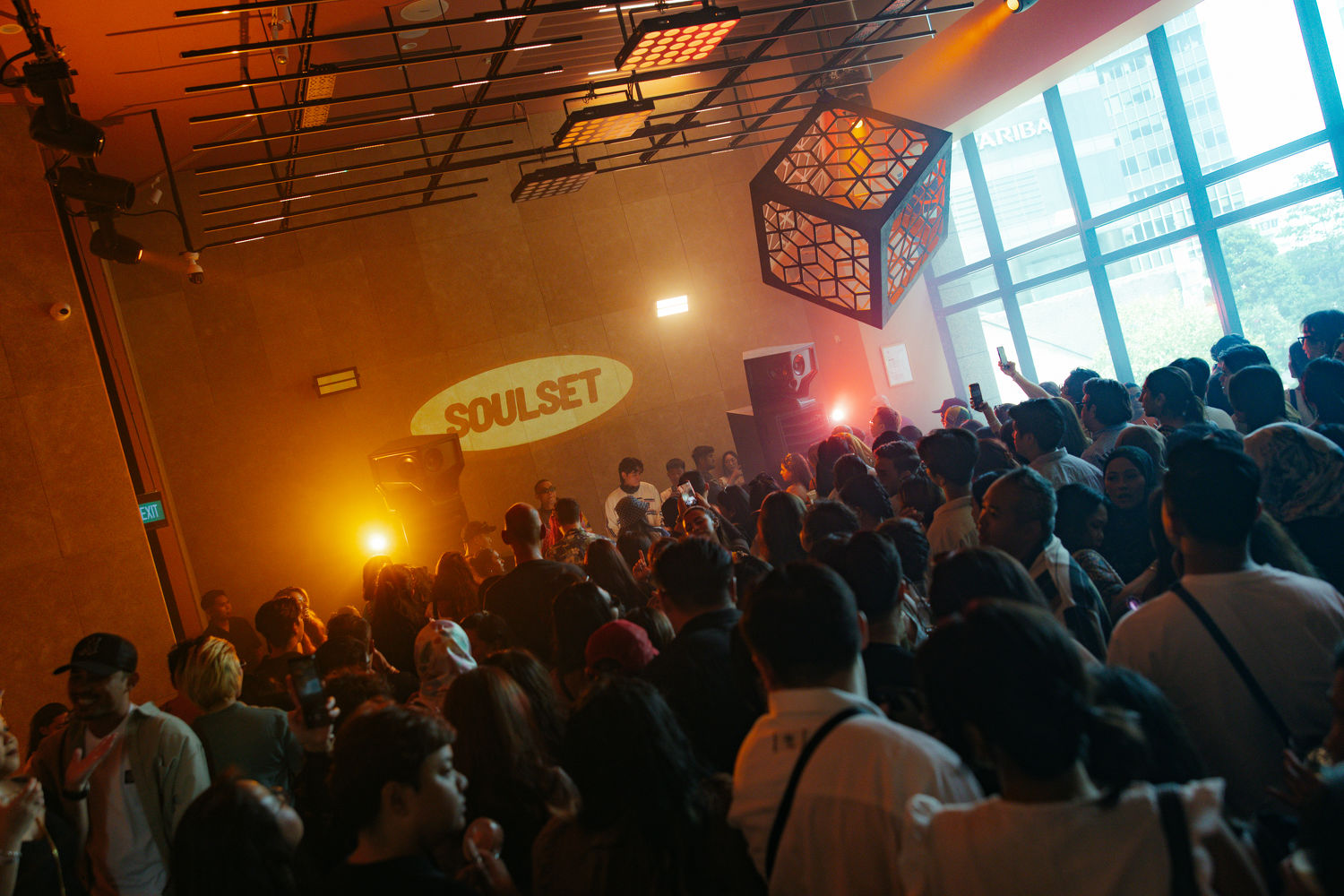
Niche music communities are a focus of Culture, whose lineup includes SoulSet for R&B lovers (pictured). (Photo: Culture)
Culture is one group that has tapped into this growing demand for community-driven experiences. It is helmed by Faizal, Vira Suria, Ashraf Karim and Lucas Armstrong, who all started out as club DJs.
Shortly after pandemic restrictions were lifted, the group’s TikTok-themed party series put them on the map. Those events drew around 800 partygoers at a time, tapping into music and dance trends popularised on the social media platform.
The concept also attracted a strong presence of local TikTok creators. “I would confidently say we were the party that had the most number of TikTok-ers in one venue,” adds Faizal.
Culture’s focus remains on building niche music communities.
Its lineup of events includes Mandohearts for Mandarin pop fans, Idolique for K-pop enthusiasts, and SoulSet, aimed at lovers of R&B music.
“We realised that clubgoers increasingly value a sense of community, rather than just going to a venue with their own circle of friends,” observes Faizal.
The group has also ventured into more unconventional event spaces. In collaboration with coffeeshop chain Kim San Leng, Culture launched the Neighbourhood Desk Tunes party series to bring nightlife-style experiences into the heartlands.
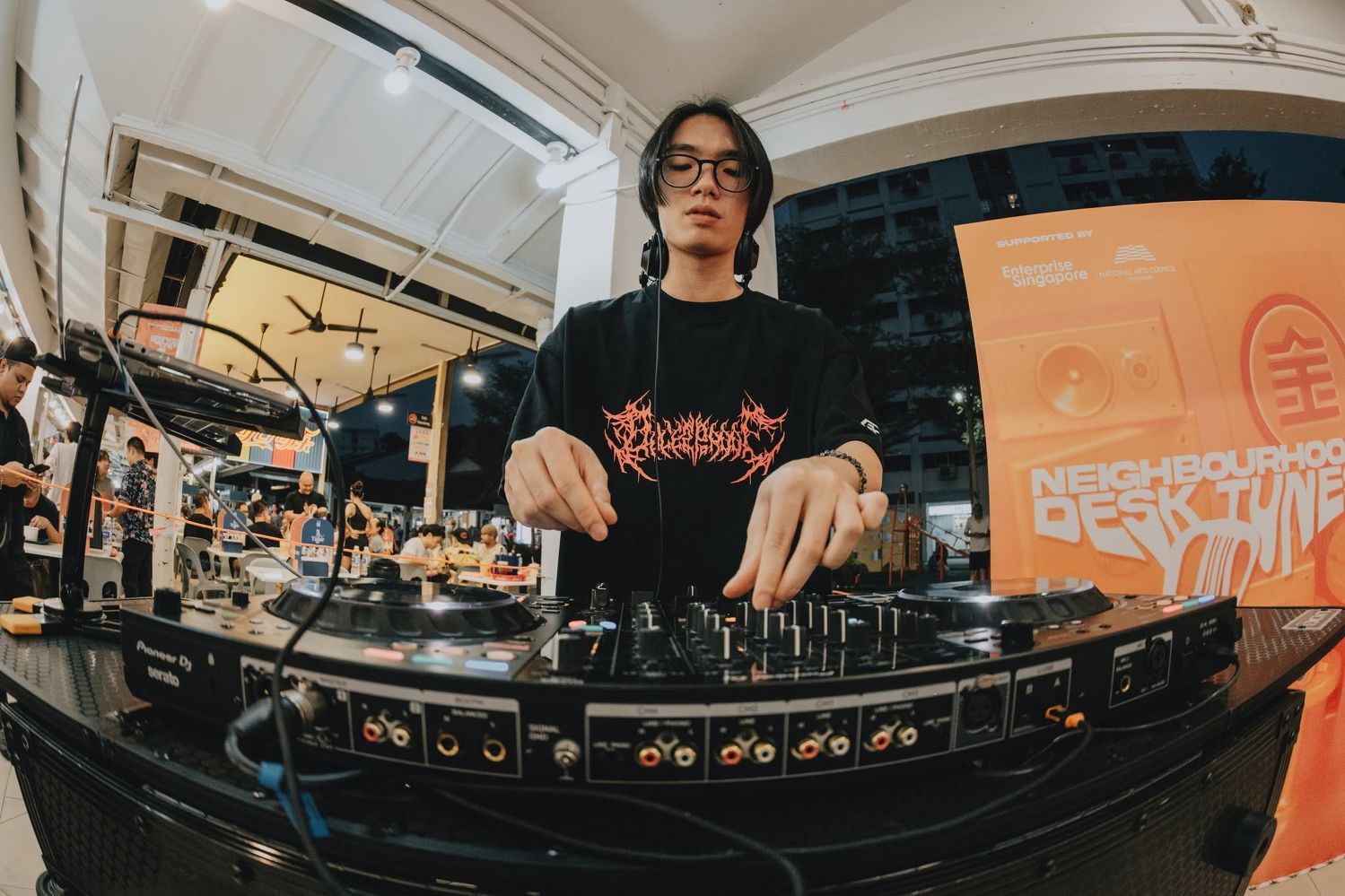
DJ Ling at the Neighbourhood Desk Tunes community-focused gig series. The event is supported by Enterprise Singapore and the National Arts Council. (Photo: Culture, National Arts Council Facebook Page)
The series debuted in September 2024 at Kim San Leng’s Yishun Avenue 11 outlet, and was later also held at its Pioneer Junction location. “They approached us because they wanted to raise awareness of their coffeeshop brand through these events,” says Culture’s Armstrong.
Beyond DJ sets, the parties also featured live performances by local artists including singer-songwriter Layyi and Dru Chen.
This focus on fostering a sense of community is also central to venues like Rasa, which frequently collaborates with Culture. Rasa founder Kavan Spruyt shares Culture’s vision of creating inclusive environments where everyone is treated as equal.
In search of alternative business models
With audiences connecting through niche subcultures and communities, operators and promoters are exploring different ways to package and market nightlife experiences.
The traditional nightclub business model typically uses a tiered system that divides the crowd by access and spending power — segmenting partygoers as general ticket holders, guest-list attendees and VIP patrons.
Under this setup, many venues also rely on bottle service and table bookings as key revenue drivers, catering to higher-spending customers.
Moving away from this model, Culture eliminates complimentary entry, the VIP tier and the accompanying bottle service, at its events.
“The idea is that everyone feels equally part of the experience, regardless of whether they buy a table or a ticket,” says Faizal.
At the same time, rising expenses, especially the steep cost of late-night transport, are deterring young clubgoers and making them much more selective about where they spend their nights.
Admission fees have also made some consumers less inclined to check out new nightspots.
This hesitation is compounded by a prevalent guest-list culture in the nightlife scene. As guest lists have become a common offering at many establishments, it has naturally shaped expectations around free access to parties, numerous industry players tell EdgeProp Singapore.
As a result, paying full ticket prices has become a harder sell for many clubbers.
That said, some venues and event collectives are proving that consumers will still pay for the right experience.
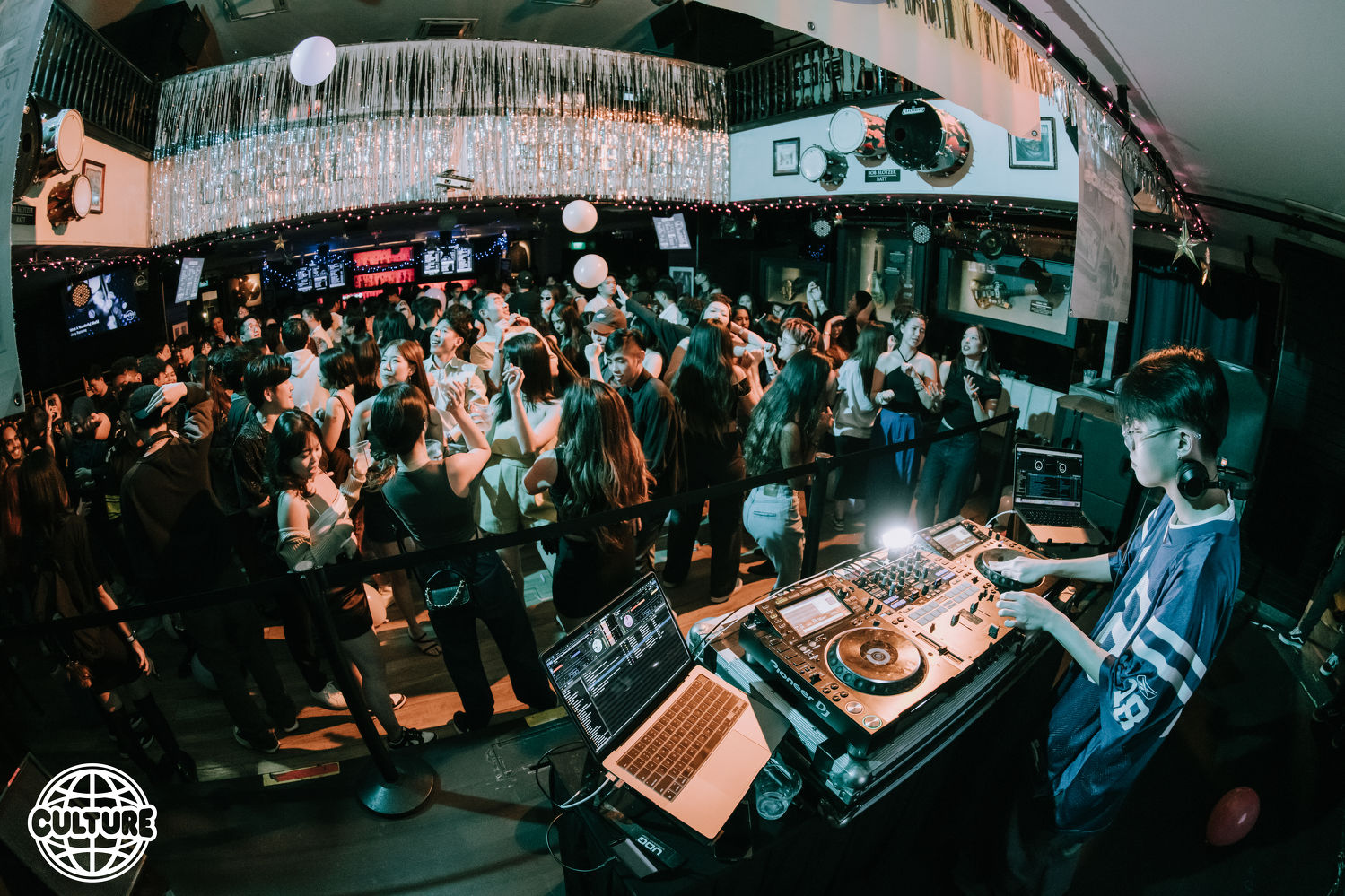
Culture has done away with complimentary entry and the VIP tier at its themed parties, so “everyone feels equally part of the experience”. (Photo: Culture)
Culture continues to pull sizeable crowds consistently at its events, where ticket prices usually range from $20 for early-bird entry to about $40 for general admission, inclusive of one drink.
Faizal credits this steady turnout to revellers seeking experiences that are tailored to their musical tastes and interests.
“Consumers today are more willing to pay for tickets when the music and overall experience align with their preferences, rather than broader mainstream programming,” he says.
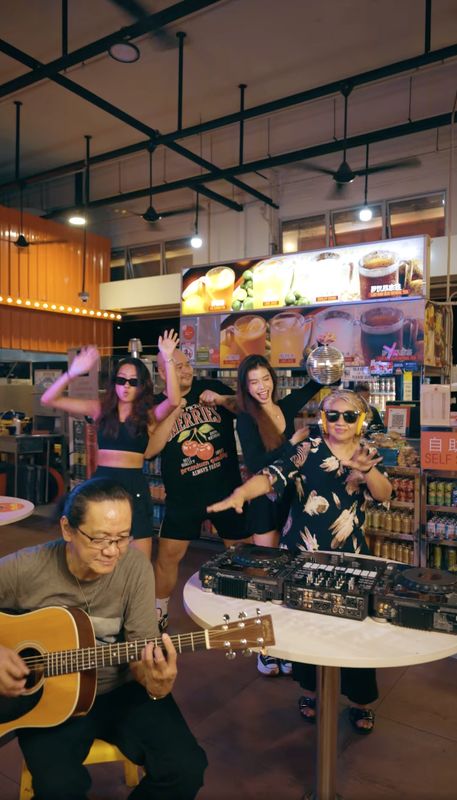
A screengrab from the promotional video for Culture SG's Neighbourhood Desk Tunes series, created in partnership with Kim San Leng. (Photo: Culture, Kim San Leng Facebook Page)
High ceilings and squeezed margins
Behind these evolving concepts lies a challenging business environment marked by shifting consumer preferences and lifestyle choices, a limited market size and broader cost pressures that may make a traditional, single-use business model harder to sustain.
Stagnant sales and higher operating costs lead to margins being squeezed, which has prompted some nightclubs to exit the market in recent years, says Savills’ Tan-Wijaya.
As standard practice, nightlife leases typically span three years, with an option to renew for a further three years. That said, a larger floor plate may come with a longer lease of around five years, she notes.
Finding and securing large-format spaces suited for nightlife continues to be difficult, however.
Douglas Dunkerley, managing director of commercial property agency Corporate Locations, which focuses on office rentals, cites a recent example of a nightclub owner seeking a sprawling new venue of about 30,000 sq ft with specific criteria.
An extensive search proved unsuccessful, which highlights a shortage of sizeable, club-ready real estate across the island. “Options for large premises are few and far between, and nightclub operators usually need very high ceilings,” says Dunkerley. Besides, given the strict fire safety regulations, many fire exits are needed and there are carparking requirements.
As a result, finding suitable setups in secondary, or non-Grade A, buildings can be challenging. This may deter nightclubs from stepping in to absorb space that is difficult to lease out.
MDLR (pictured), a pop-up club within TPI Building on Cecil Street, is one of several venues used by Culture as it experiments with different event spaces. (Photo: Culture)
When it comes to nightlife rents, Tan-Wijaya points out that they “have not changed that much in the past years”. She adds that they are generally lower than retail or F&B rents, partly because nightclubs tend to occupy much larger areas and also given that they are usually located in parts of a building with lower footfall and less visibility, such as the rooftop.
While there is a dearth of recent rental market insights for nightlife spaces, estimates by C&W place the rates in Clarke Quay at roughly $9 to $15 psf per month, depending on the size, for units measuring 3,000 sq ft or more.
Rents of similar venues in the CBD are expected to be about the same, says C&W’s Wong.
In comparison, asking rates for office spaces at CBD commercial developments ranged from $6 to $18.50 psf per month — for buildings in areas including Raffles Place, Downtown, Robinson Road, Shenton Way, Tanjong Pagar and City Hall — as of this April, according to Corporate Locations’ 2Q2026 office rental guide.
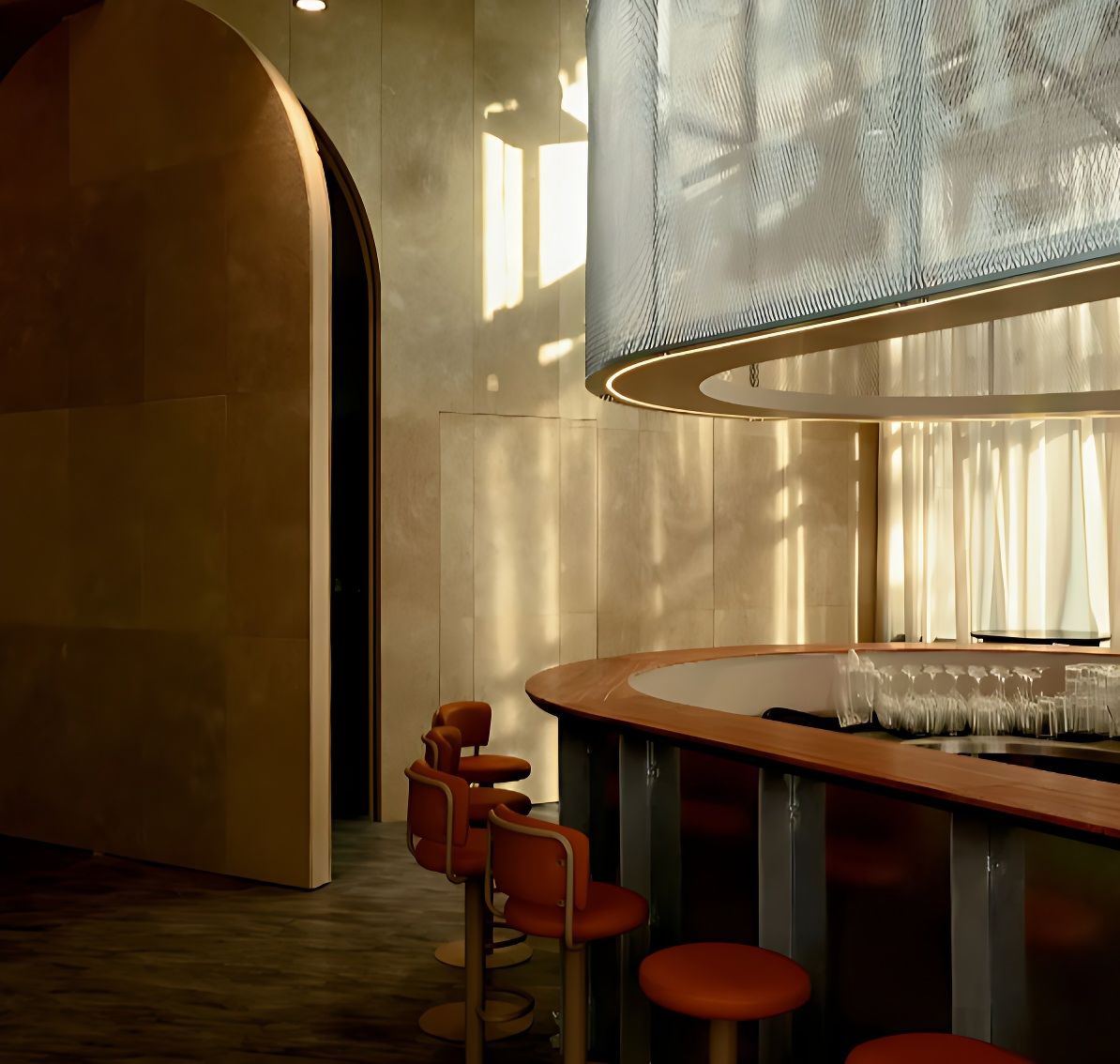
Arts and nightlife venue Rasa was designed by Karhard Studio, the same firm behind Berlin’s renowned club Berghain. (Photo: Rasa Space)
Redefining the dance floor
From rooftop pool bars to community events and matcha raves, Singapore’s nightlife scene has expanded beyond traditional late-night clubbing culture and into new hubs such as the CBD.
In tandem, operators are experimenting with creative concepts that blur the boundaries between dining, entertainment, wellness and community. Culture’s Faizal believes Singapore’s nightlife scene is not disappearing, but evolving into new formats and experiences.
As the landscape continues to diversify, the challenge for operators is no longer just attracting the largest crowds, but building spaces and experiences that give people a reason to keep coming back.
----------
From nightlife district to lifestyle destination
Clarke Quay was once synonymous with late-night revelry. Rasa Space founder Kavan Spruyt recalls a time when partygoers could spend an entire night there, moving from venue to venue until the wee hours.
That began to change after tighter liquor licensing rules were introduced in 2013, which capped alcohol sales at 4am on Sundays and public holidays, and by 3am during the rest of the week at most bars and clubs.
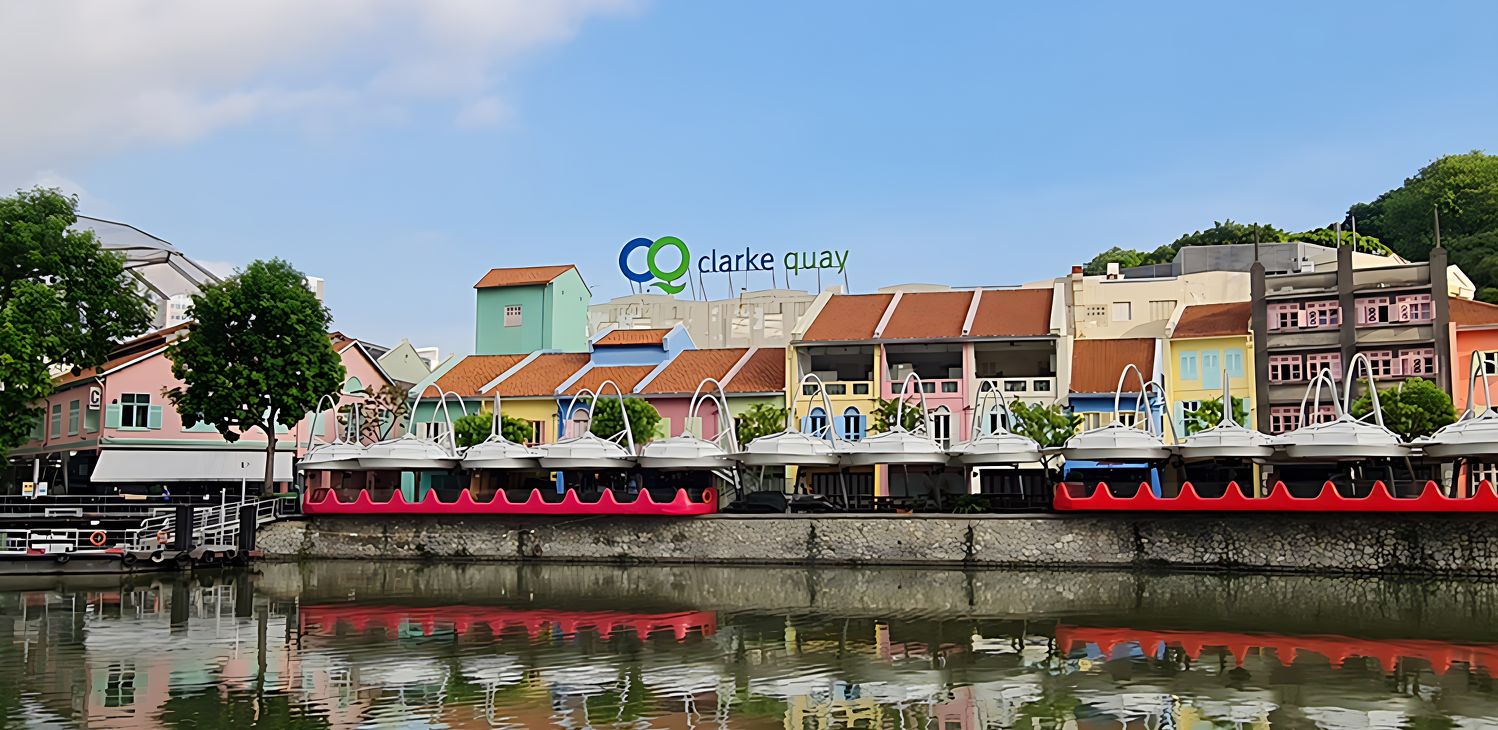
Following a $62 million revamp, CQ @ Clarke Quay has expanded its appeal beyond nightlife with new retail, dining and lifestyle offerings. (Photo: CapitaLand Integrated Commercial Trust)
Spruyt highlights that as a key factor behind Clarke Quay’s gradual transition away from the late-night scene.
These restrictions continue to define the market today, leaving club or bar owners with a limited choice of viable locations.
“Singapore is relatively highly regulated when it comes to getting licences to operate a bar or club till 3am,” says Sulian Tan Wijaya, executive director of retail and lifestyle at Savills Singapore. “This hurdle precludes bars with live entertainment or clubs from opening near residential areas.”
This reality is reinforced by the expanding residential footprint around Clarke Quay. For instance, the 696-unit CanningHill Piers along River Valley Road is slated to obtain its temporary occupation permit around 4Q2026.
A year-long government trial launched in August 2025 is currently testing extended liquor trading hours until 4am on Fridays and Saturdays — across Clarke Quay, Boat Quay and Upper Circular Road — to make the nightlife scene more vibrant.
Even so, Clarke Quay’s overall identity has already broadened.
In 2022, CapitaLand Integrated Commercial Trust started a $62 million asset enhancement initiative (AEI) for CQ @ Clarke Quay — comprising five blocks of restored shophouses and waterfront godowns — to transform it into a day-and-night destination.
With the AEI completed in 2024, the rejuvenated property now features a diverse tenant mix, including Zouk, FairPrice Finest supermarket, Lava Fitness, Swee Lee Clarke Quay music store and cafe, as well as pet-friendly amenities.
----------
Student DJs take the decks
In curating their sound, Singapore’s nightlife operators and organisers are taking a more structured approach.
University DJ collectives have emerged as one talent pool they are turning to, with venues such as Cherry Discotheque and Yang Club hosting clubbing events in collaboration with these student groups.
Event organiser Culture SG also regularly works with student DJs, scouting talent from such university groups and grooming them through its themed parties.
Established as co-curricular activity groups at institutions such as the National University of Singapore (NUS) and Singapore Management University, these collectives provide aspiring DJs with opportunities to develop their craft through events ranging from end-of-semester celebrations to student orientation parties.
One such DJ is Altar, who graduated from NUS in 2025 and was previously part of the Kremix collective at NUS' Kent Ridge Hall. He credits the collective with providing opportunities that helped kickstart his career.
“Not only did I get to perform at clubs and spaces through student hall events, but the networking from these gigs also opened doors to more DJ jobs outside of school,” says Altar.
Besides nightclubs, student collectives are also taking their events to a wider range of venues.
In February, Sheares Beats — the DJ collective of NUS’ Sheares Hall — organised a Chinese New Year party at Skyfall Rooftop Restrobar Singapore, located at Travelodge Harbourfront. They also hold the recurring College Rave series at The Riverhouse in Clarke Quay.
----------
With additional reporting by Fiona Lam and Kalynskye Adrian
Check out the latest listings for Clarke Quay properties
Follow Us
Property updates, 24/7.


Subscribe to Newsletter
Market insights, delivered weekly.
Related Articles
Top Articles
Search