
Special Feature
Generations @ Tannery offers rare freehold industrial space with a values-driven vision
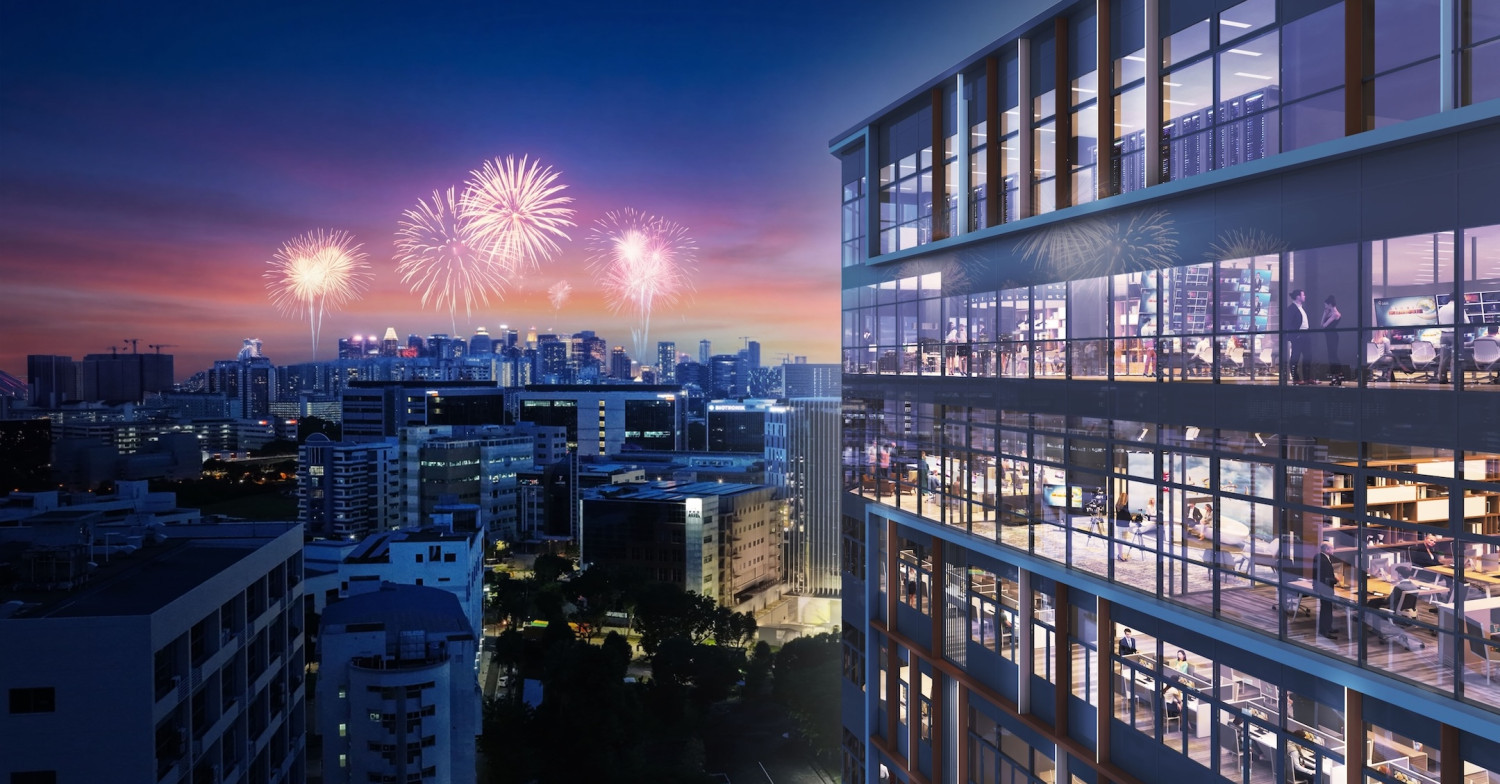
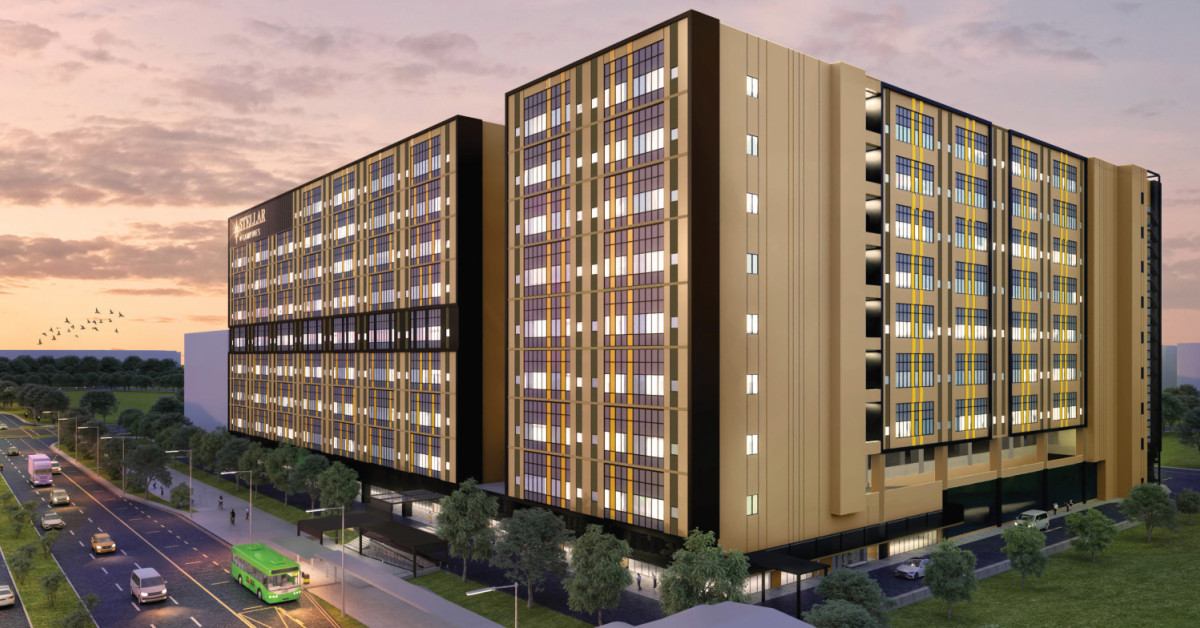
The freehold Generations @ Tannery is within walking distance of the Mattar MRT Station (Artist’s Impression: Providence Capital Management)
Demand for freehold strata industrial space in Singapore’s city fringe has been rising, even as new supply remains scarce.
That is fuelling interest in Generations @ Tannery, an upcoming freehold B1 industrial development by Providence Estates at 71 Tannery Lane, a six-minute walk from Mattar MRT Station.
A redevelopment of the former City Industrial Building, the project is positioned as more than just another strata industrial launch. Providence Estates describes it as an exercise in “redemptive real estate” — an approach that seeks to balance commercial returns with social purpose and a multi-dimensional approach to stewarding land.
The timing could not be more favourable. An analysis of freehold industrial transactions from January to April 2026 found that 61% of deals were concentrated in the MacPherson and Tai Seng industrial estates in the city fringe, says Alan Cheong, executive director of research and consultancy at Savills Singapore.
Demand in MacPherson was evident at the launch of the freehold strata-titled industrial development CT Gold, where all 66 units were snapped up.
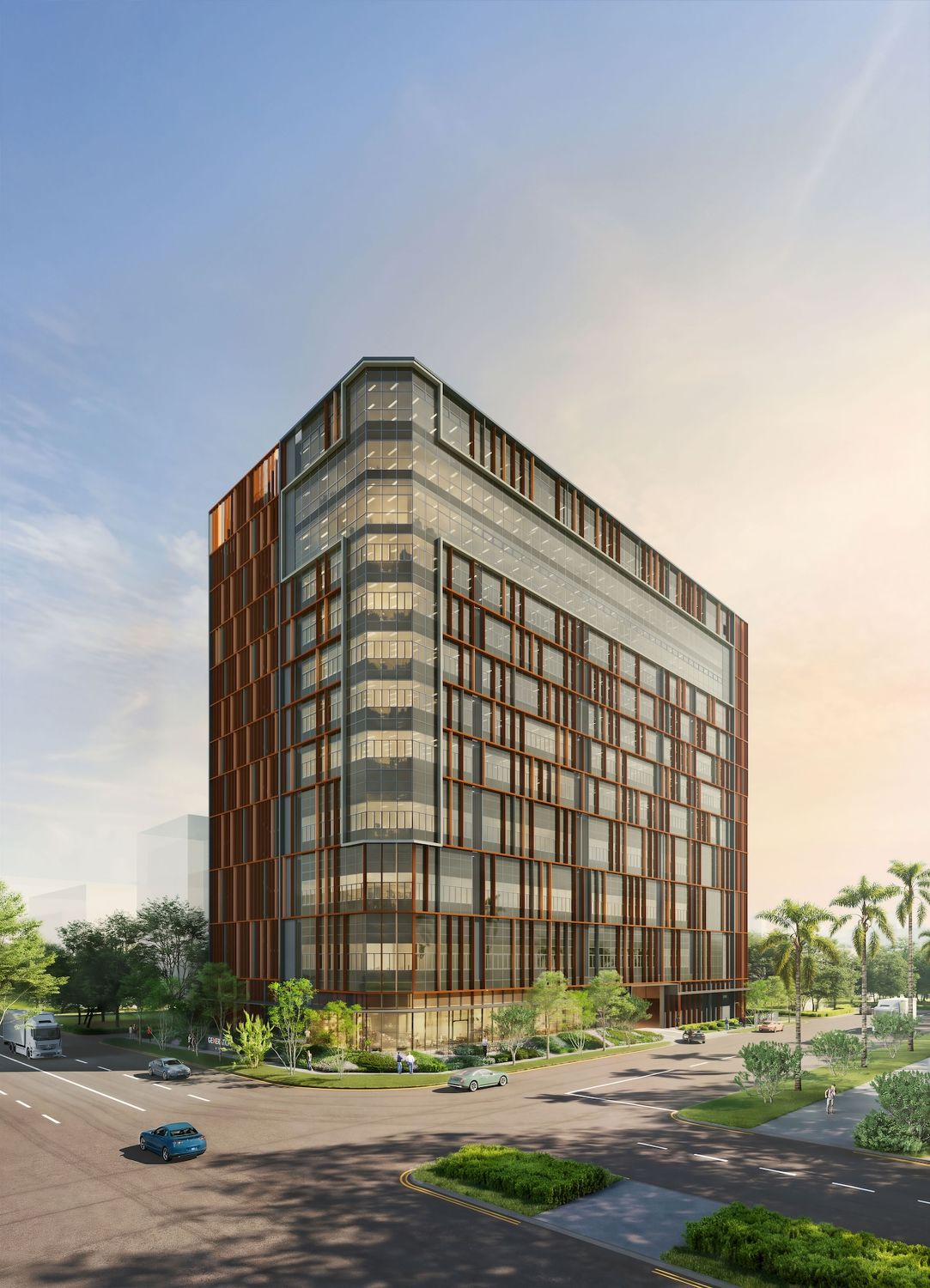
The 59-unit freehold Generations @ Tannery is within a six-minute walk from Mattar MRT Station (Artist's Impression: Providence Estates)
A philosophy beyond maximising space
Generations @ Tannery stands out not only for its freehold tenure, but also for the philosophy shaping the project.
“We are not squeezing every square foot for sale,” says Terrance Tan, managing partner of Providence Estates. “We want to leave something on the table for others.”
About 4% to 5% of the project’s potential saleable floor area was deliberately set aside for larger communal spaces, wider circulation areas, and more generous lobbies and drop-off points. Based on the project’s estimated gross development value of $250 million to $300 million, that translates into significant tangible value for investors and end-users.
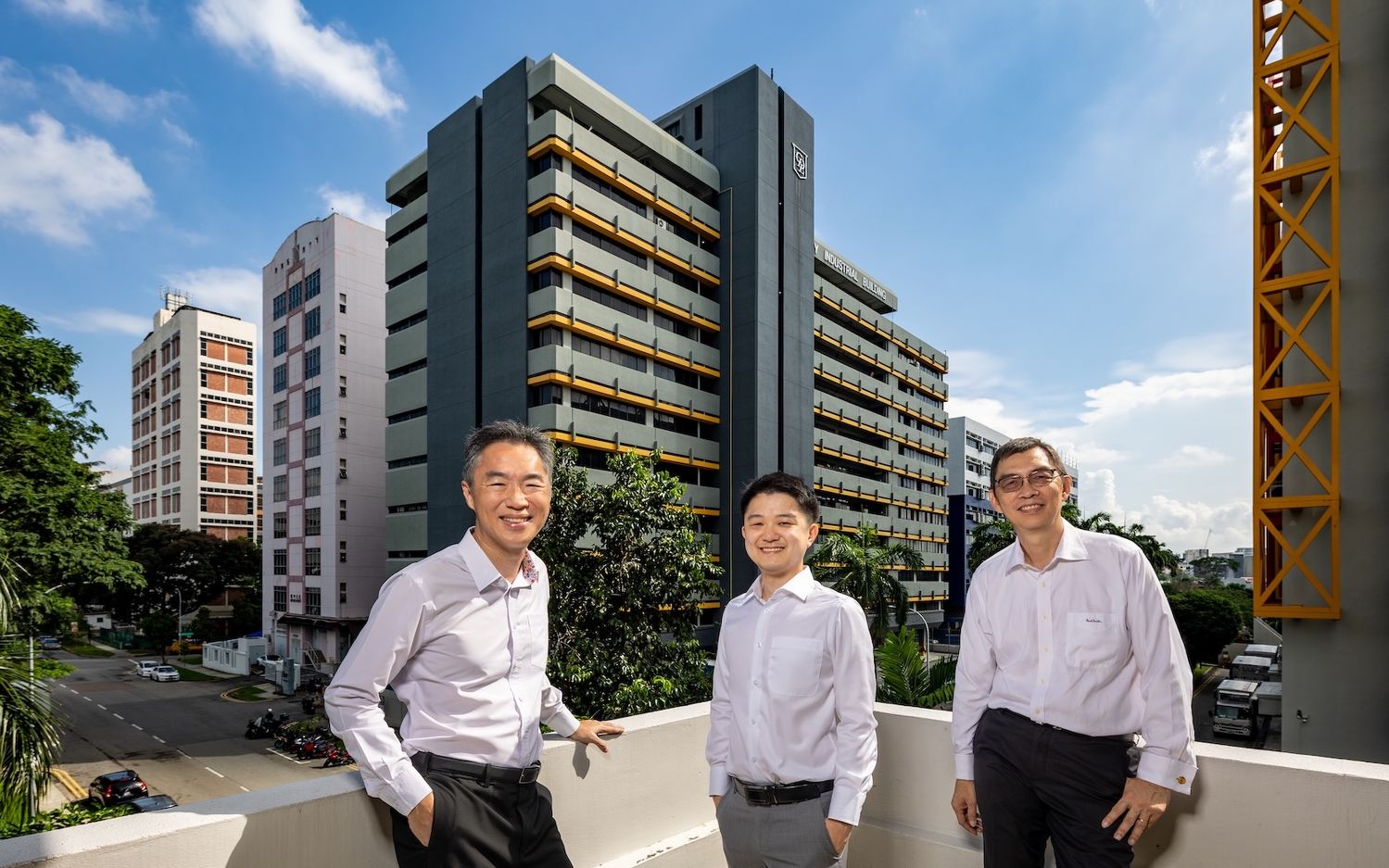
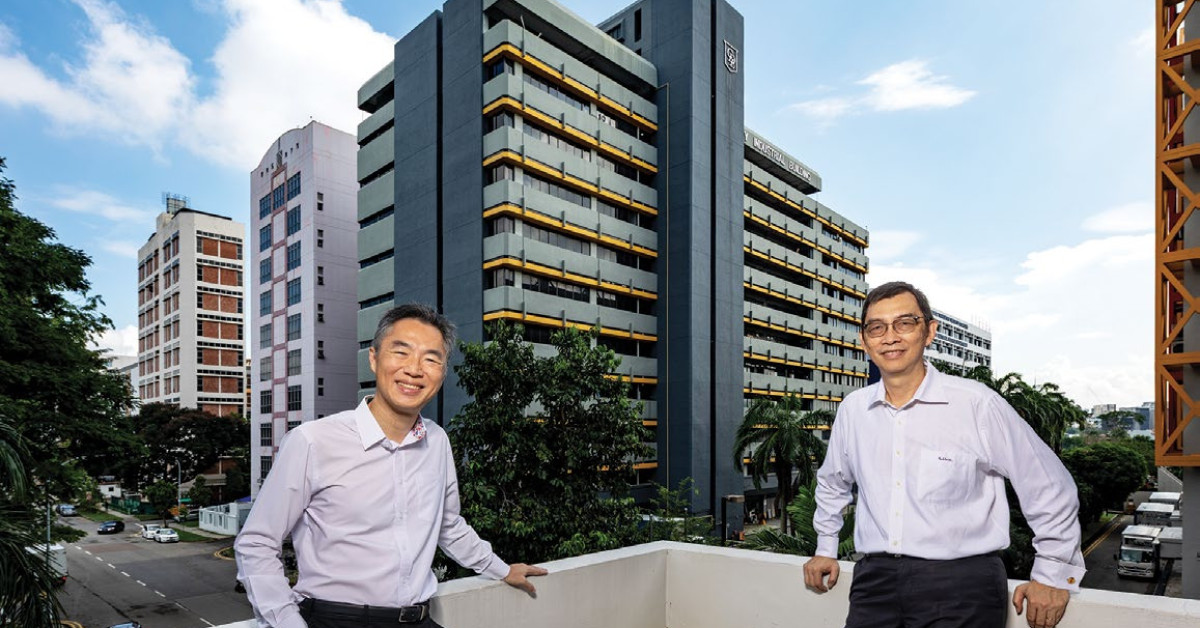
Standing in front of City Industrial Building (from left): Providence Estate’s Daniel Long, Josias Ding and Terrance Tan (Photo: Samuel Isaac Chua/EdgeProp Singapore)
“As a sustainability-minded developer, we recognise that pursuing broader objectives beyond financial metrics will inevitably have a significant impact on the bottom line,” says Daniel Long, managing partner of Providence Estates.
“But perhaps that is the reality for those seeking to deliver redemptive outcomes — there is a very real price to be paid,” he adds. “Whether in our affordable housing projects in Vietnam, where we have invested time, effort and resources into providing services and amenities for communities, or at Generations @ Tannery, where saleable efficiency was intentionally sacrificed to make the building more usable, relevant and welcoming for its occupants.”
Designed for flexibility and community
Designed by Kyoob Architects, the 12-storey project will feature two statement main lobbies and drop-off areas across the first and second storeys, five high-capacity passenger lifts, and a service lift serving each floor.
Vehicular ramps provide direct access to production units on the first five floors.
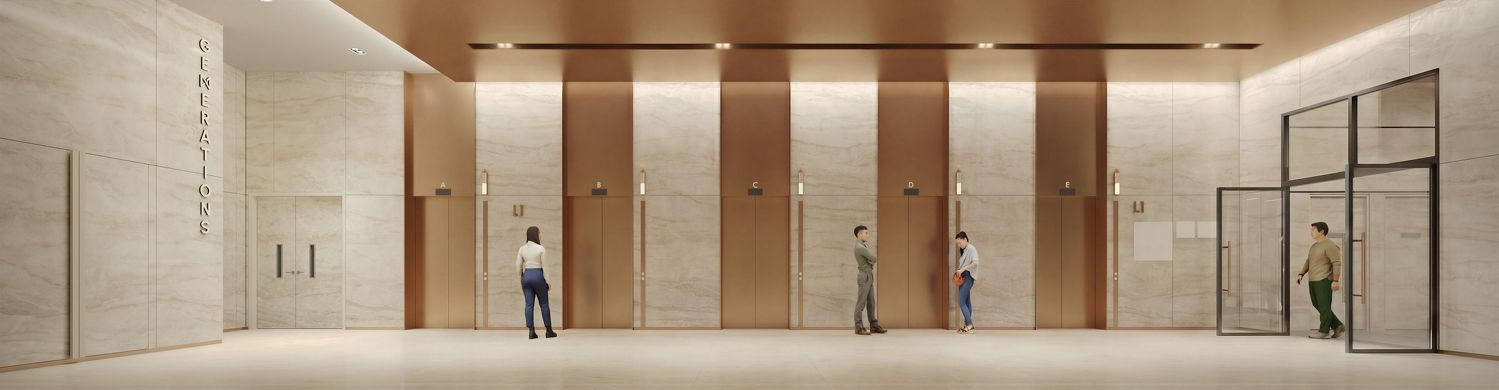
Five high-capacity passenger lifts and a service lift serve each floor (Artist's Impression: Providence Estates)
Floor plates average about 22,000 sq ft and accommodate up to 10 production units per floor. There are only 54 production units in the development, with sizes ranging from 1,658 to 2,695 sq ft.
Many of the units will feature double-volume ceiling heights, allowing occupiers to configure layouts based on their operational and business needs.
In addition to the production units, five canteen units on the first floor are also for sale. Providence Estates hopes to sell the canteen units to operators who can curate F&B concepts that appeal not just to occupants but also to nearby residents, creating a more vibrant communal space for all.
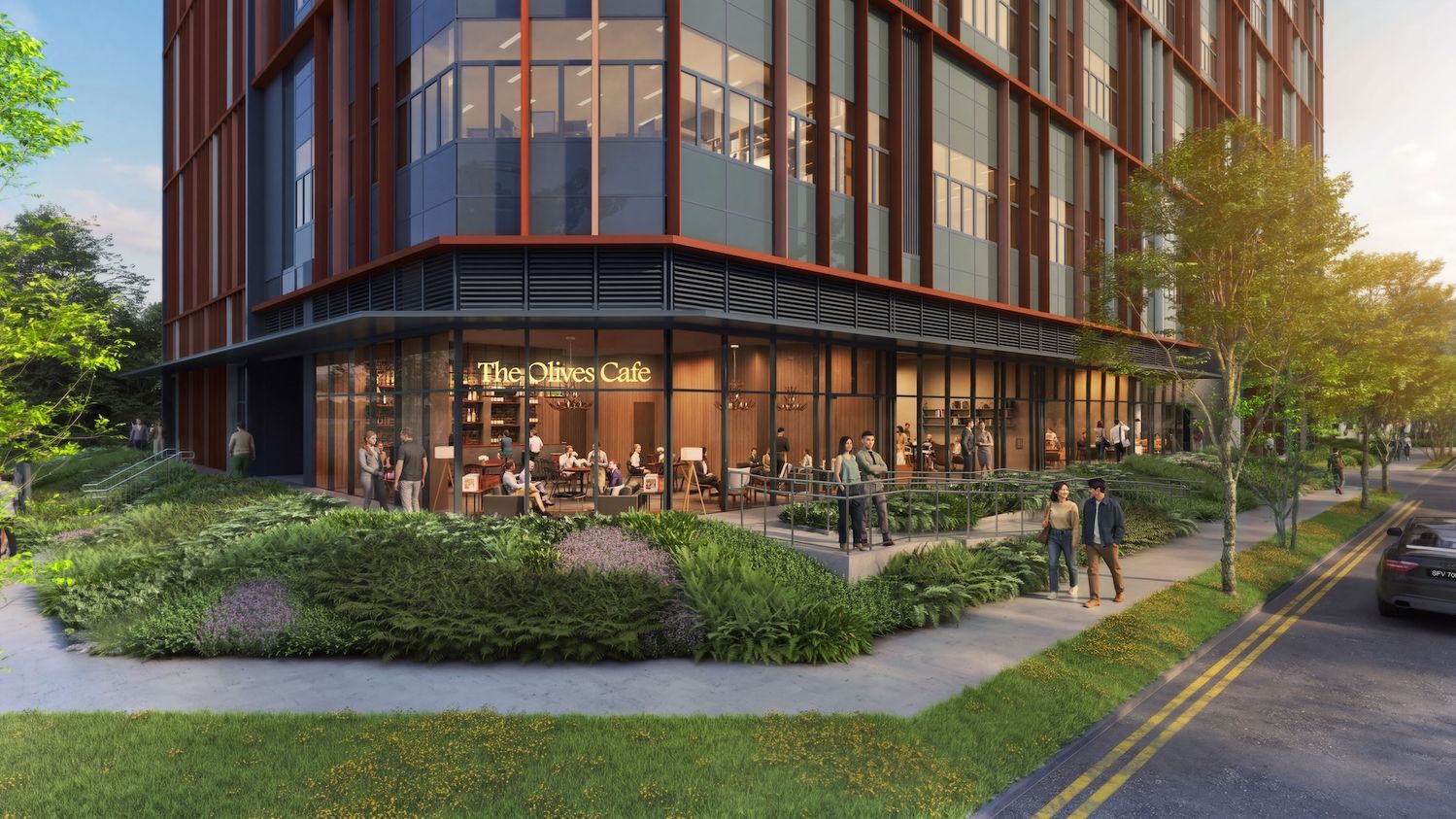
The five canteen units can be amalgamated into a large-format eatery (Artist's Impression: Providence Estates)
“So much of real estate development today is focused on maximising saleable efficiency, often at the expense of creating breathing room for communities to grow and flourish,” says Long. “But we want to create a welcoming place where people genuinely feel comfortable and want to spend time in.”
Every production unit comes with an ensuite toilet, with 14 units designed as dual-key units with two toilets. This allows the units to be partitioned for two separate users, each with its own facilities.
There are also opportunities for buyers seeking multiple units. An example is faith-based organisations, which tend to favour such freehold properties because they take a longer-term view, says Savills’ Cheong.
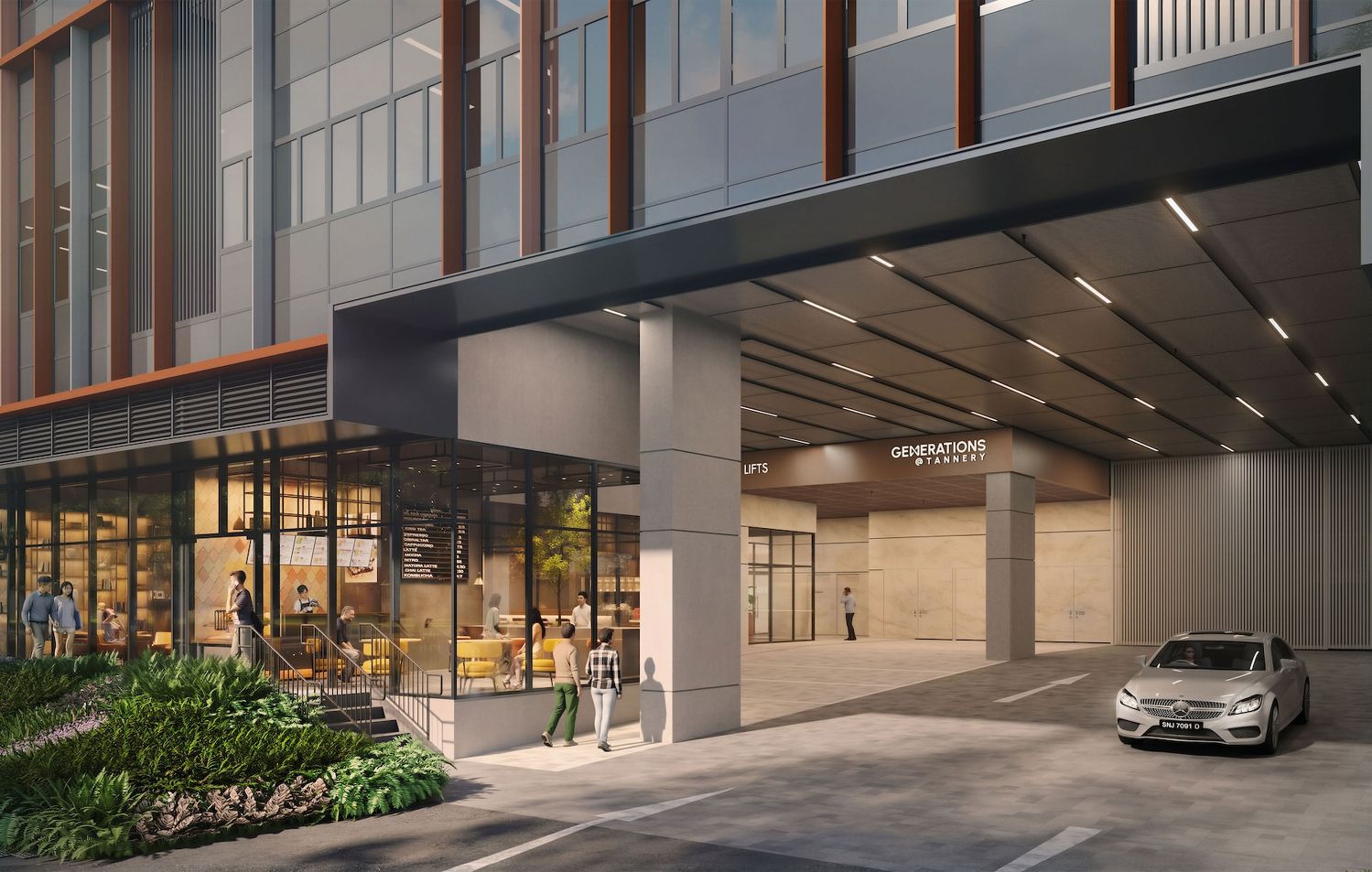
The wide driveway and entrance to the lobby of the building (Artist's Impression: Providence Estates)
Broadening pool of buyers and occupiers
The profile of buyers in the strata industrial market has evolved over the past decade. The rise in investor participation is driven by yield compression in other asset classes and growing awareness of industrial real estate as an attractive investment class, especially properties with freehold tenure, says Tan Hong Boon, executive director and founder of AlpsEdge Real Estate.
According to Savills’ Cheong, newer industrial developments are increasingly blurring the lines between traditional industrial space and office environments in terms of design.
Potential occupiers include Industry 4.0 firms, e-commerce operators, creative studios, high-tech production, technical training facilities, laboratories and ancillary office users (such as showrooms).
“Such tenants are willing to pay a premium for buildings with a contemporary office-like environment, a city-fringe location and easy access to public transport,” notes Cheong.
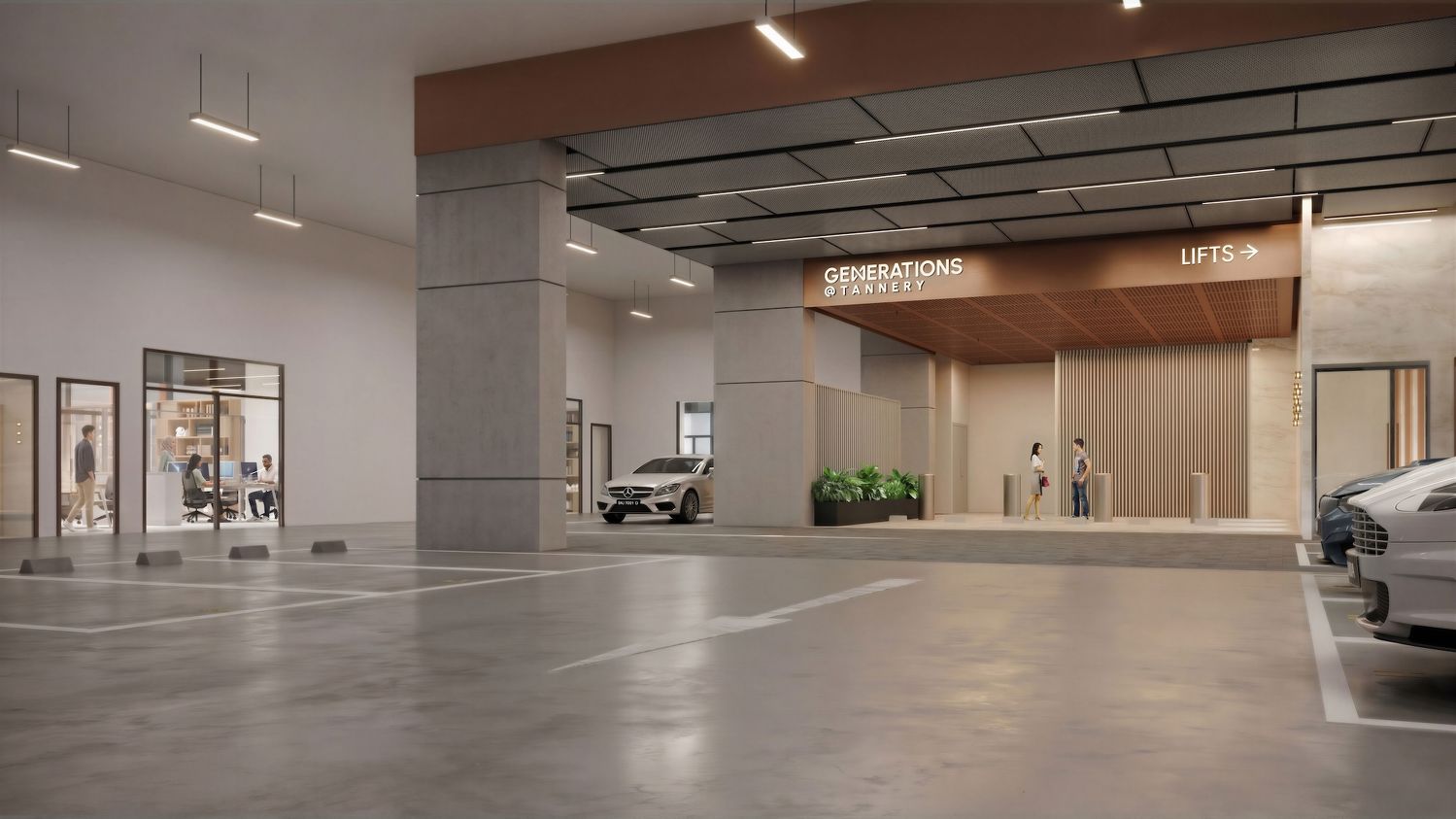
One of the two main lobbies and drop-off areas across the first and second storeys of the upcoming Generations @ Tannery (Artist's Impression: Providence Estates)
Building a community and a collective, not just a development
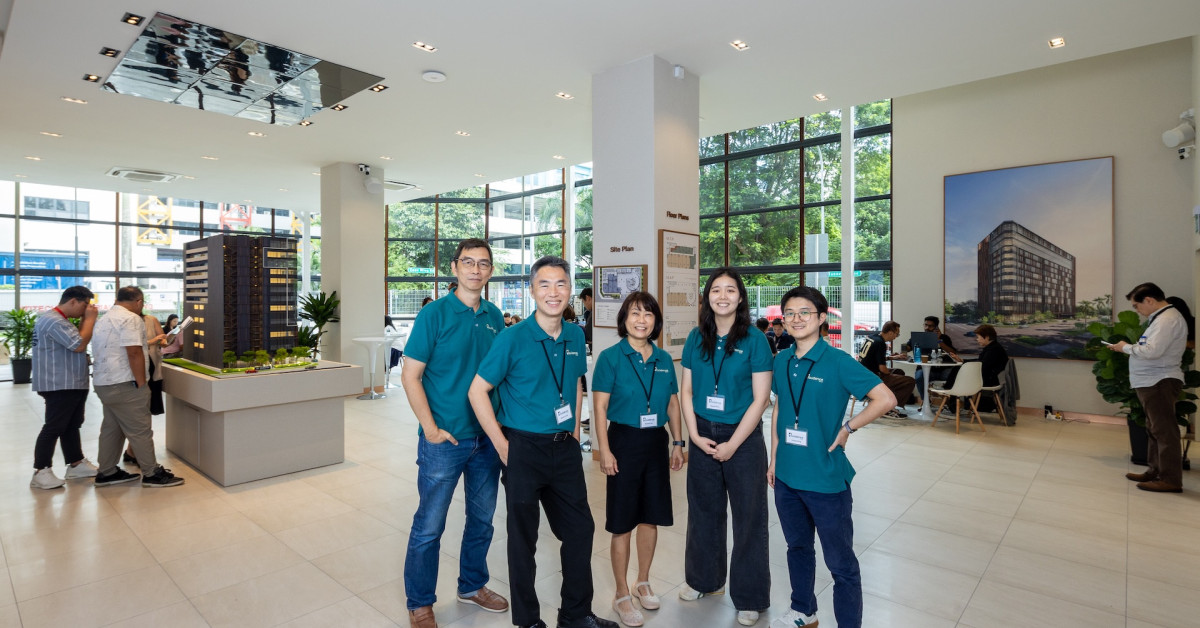
Providence Estates is seeking to curate an ecosystem of occupiers aligned with broader social or humanitarian goals, while remaining open to a wide range of businesses that meet B1 industrial guidelines.
The developers envision the project as a hub where startups, media firms, social enterprises and faith-based groups can coexist and collaborate within the same ecosystem.
One faith-based organisation is already understood to have committed to taking up significant space within the development. Another group is exploring plans to occupy an entire floor to create a hub and incubator for “redemptive enterprises” that address the needs of underserved communities — such as refugees, individuals with physical disabilities who require specialised aids and equipment, and organisations that provide services or manufacture products aimed at promoting human flourishing.
Long believes that bringing such like-minded enterprises together in close proximity could amplify their collective impact and influence.
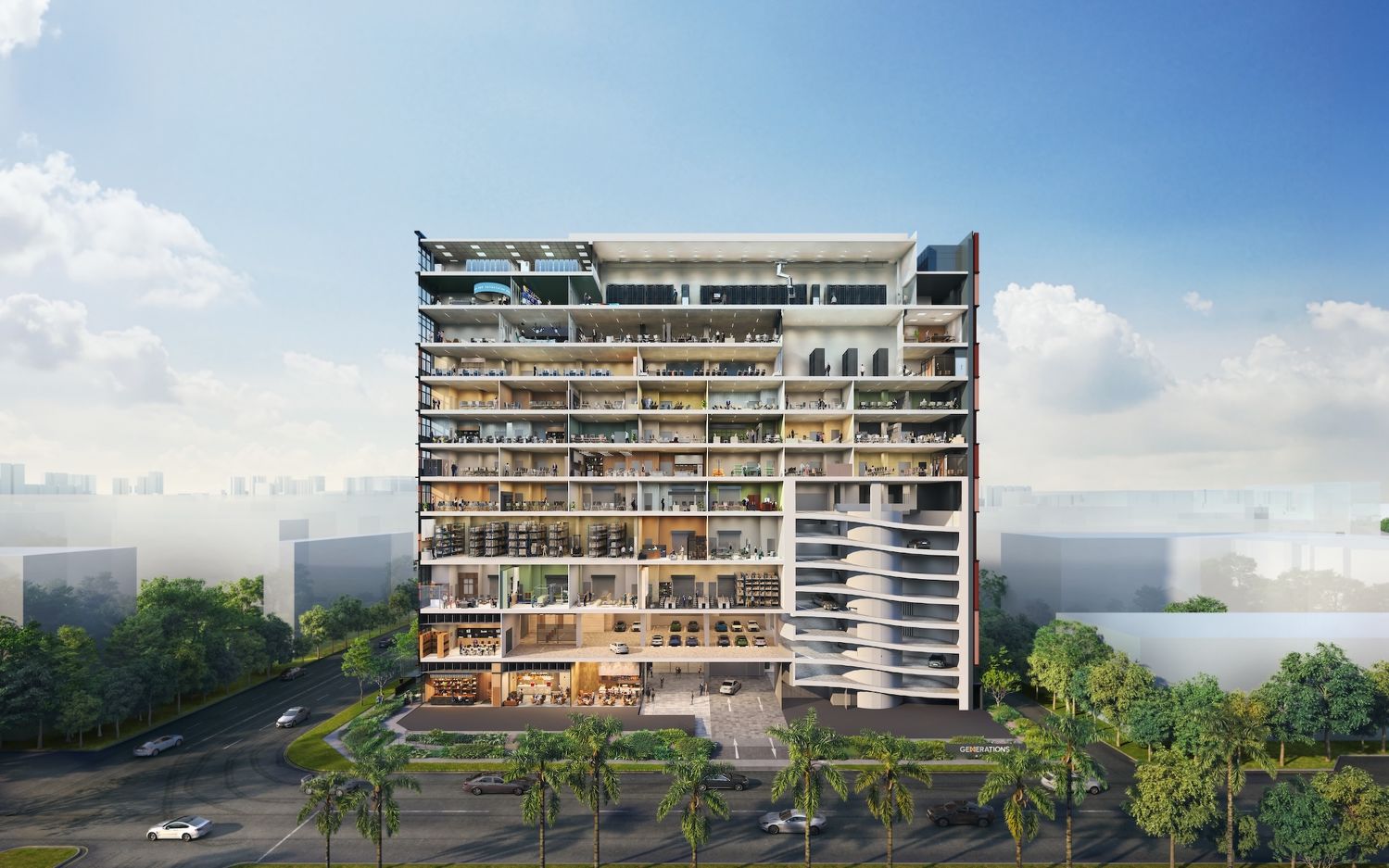
Cross-section of the 12-storey building, where vehicular ramps provide direct access to production units on the first five floors (Artist's Impression: Providence Estates)
Rising appetite for freehold industrial space
Sammi Lim, executive director of Brilliance Capital, expects sustained investor interest in freehold strata industrial assets.
“The appeal lies in the scarcity of freehold tenure within the industrial segment, coupled with relatively lower quantum compared to commercial properties,” she says.
She adds that investors increasingly view industrial properties as defensive assets offering stable yields and operational flexibility.
According to Daniel Phua, an ERA advisory group division director, some foreign investors, deterred by Singapore’s high ABSD rates for residential property, are increasingly exploring industrial assets instead.
“They want freehold property because they don’t have to worry about lease decay,” he says.
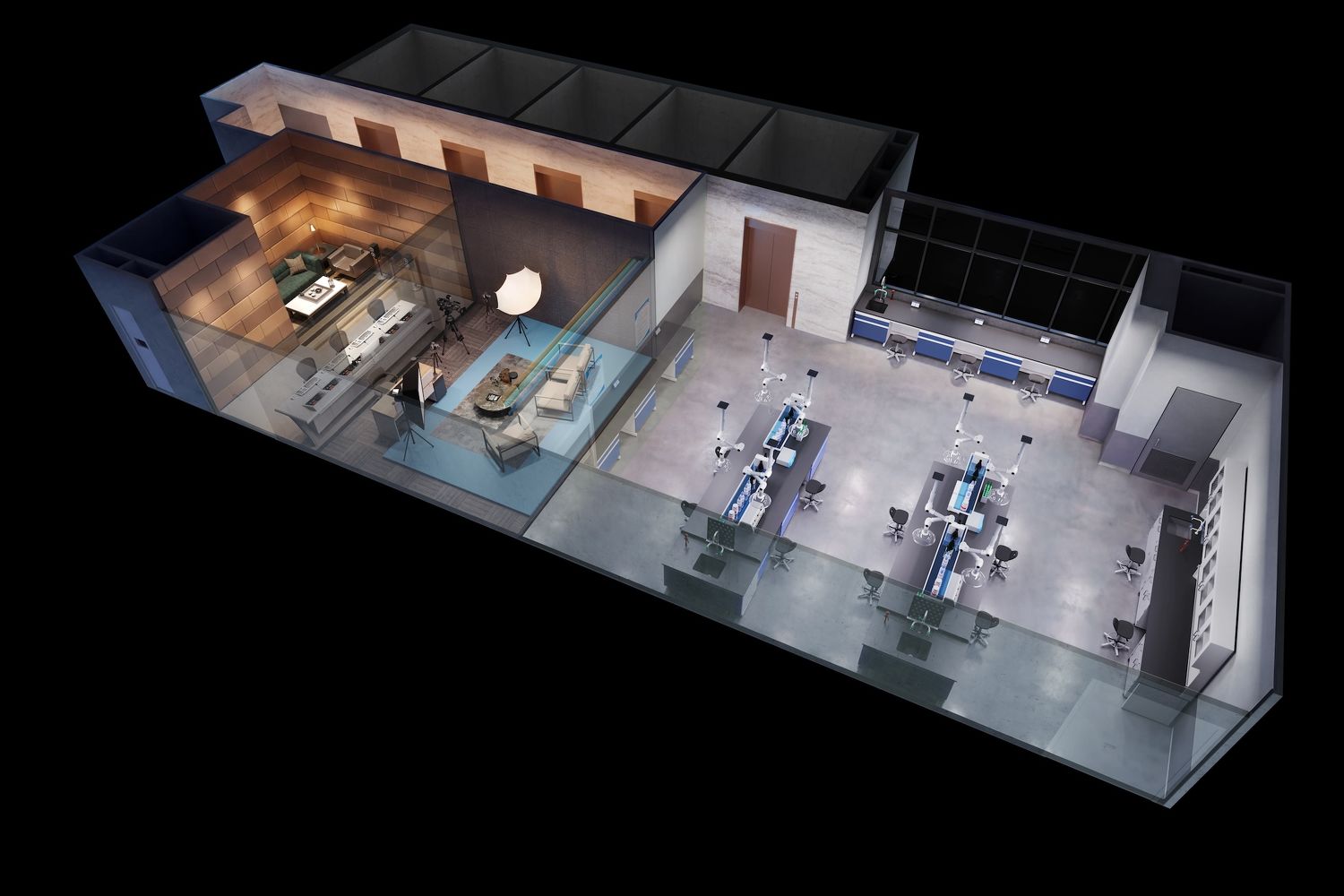
Three exclusive units with private lift access, alongside 14 units with dual-key optionality for enhanced adaptability (Artist's Impression: Providence Estates)
Appeal of newer freehold buildings
One reason newer freehold industrial developments remain attractive is the short tenure of many newer JTC industrial sites.
“JTC has been releasing mainly 30-year or 33-year industrial sites,” says Ioannes Koh, PropNex Realty’s project lead for the development.
He notes that businesses increasingly prefer newer freehold premises for their modern specifications and facilities, compared with ageing industrial buildings.
Rental rates in the city-fringe areas of Districts 12, 13 and 14 generally range between $5 psf and $6.50 psf per month, depending on building specifications, unit size and fit-out quality, says Tan of AlpsEdge.
For now, Generations @ Tannery represents an unusual proposition within Singapore’s industrial property market — one that combines modern industrial functionality with a consciously values-driven vision.
“In today’s market, buyers are increasingly selective and focused on assets which preserve value over the long term and have genuine differentiation,” says Joseph Loh, project head and head of commercial, PND at Huttons Asia. “Generations @ Tannery stands out not just because it is freehold, but because of the thoughtfulness behind the project and the philosophy shaping it.”
For further information on Generations @ Tannery, please contact:
Sammi Lim (Brilliance)
CEA: R003899J
Mobile: 93689803
Carin Puah (AlpsEdge)
CEA Regn. No. R027893B
Mobile: 90083502
Daniel Phua (ERA)
CEA Regn. No. R008941B
Mobile: 89007771
Joseph Loh (Huttons)
CEA: R007898D
Mobile: 86110110
James Gan / Ioannes Koh (PropNex)
CEA: R010756H / R045545A
Mobile: 92488000 / 91768768
Follow Us
Property updates, 24/7.


Subscribe to Newsletter
Market insights, delivered weekly.
Top Articles
Search