
Land Betterment Charge rises: Bayshore, East Coast, Marina East, Lorong Chuan in the spotlight
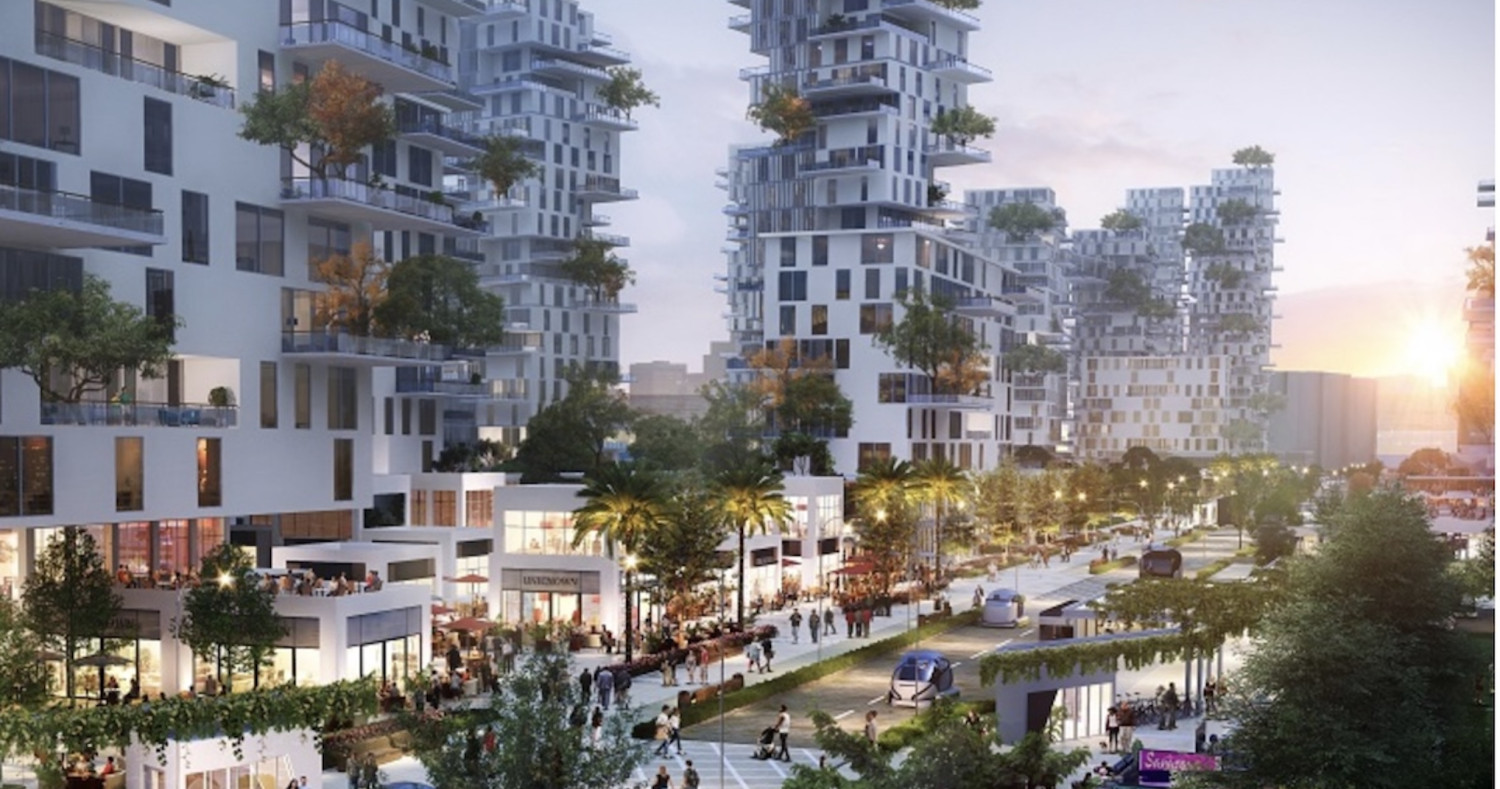
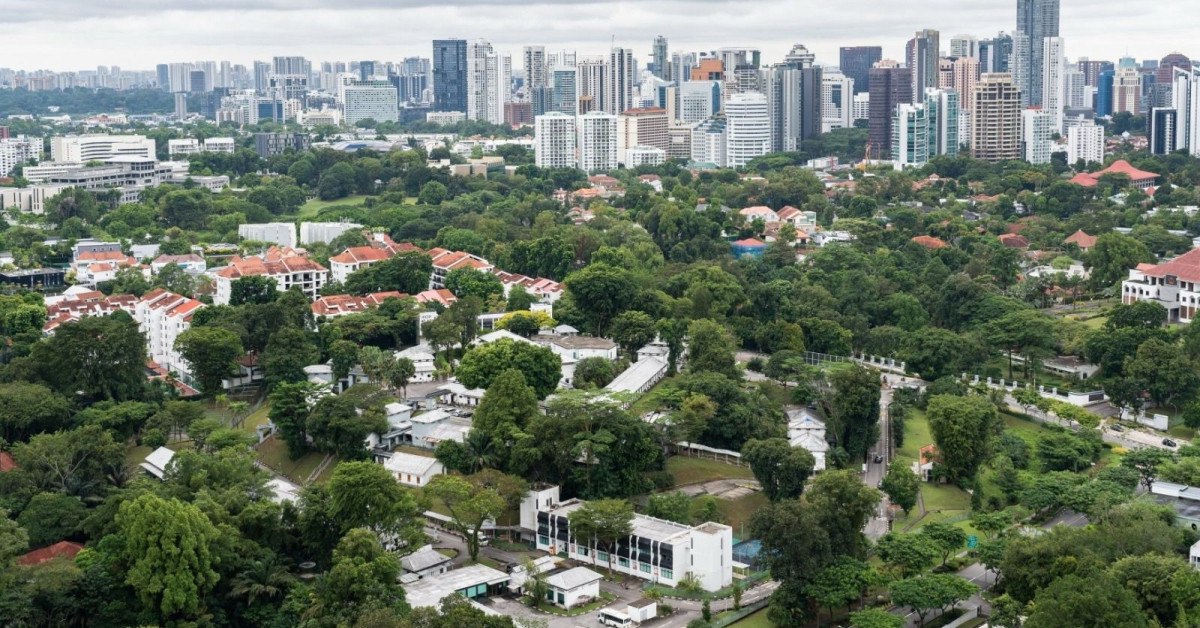
The future Bayshore precinct will have 12,500 homes - a mix of private and public housing (Source: URA)
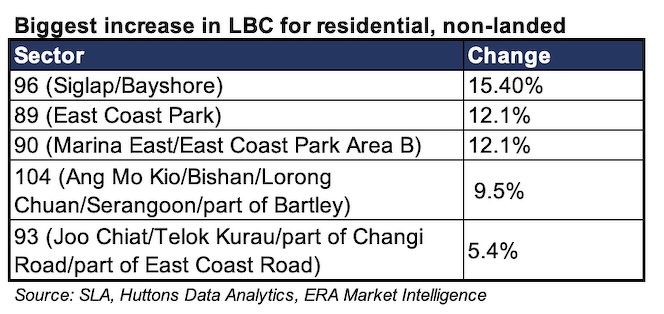
In its latest revision of land betterment charge (LBC) rates for the six-month period from Sept 1, 2025, to Feb 28, 2026, the Singapore Land Authority (SLA) has raised rates for the B2 (residential, non-landed) use group by an average of 0.7%.
"Among the sectors that saw an increase in LBC are areas such as Bayshore, Marine Parade, and Serangoon, where several GLS sites have been sold. The tweaks are aimed at catching up with recent land price increases,” says Eugene Lim, key executive officer of ERA Singapore.
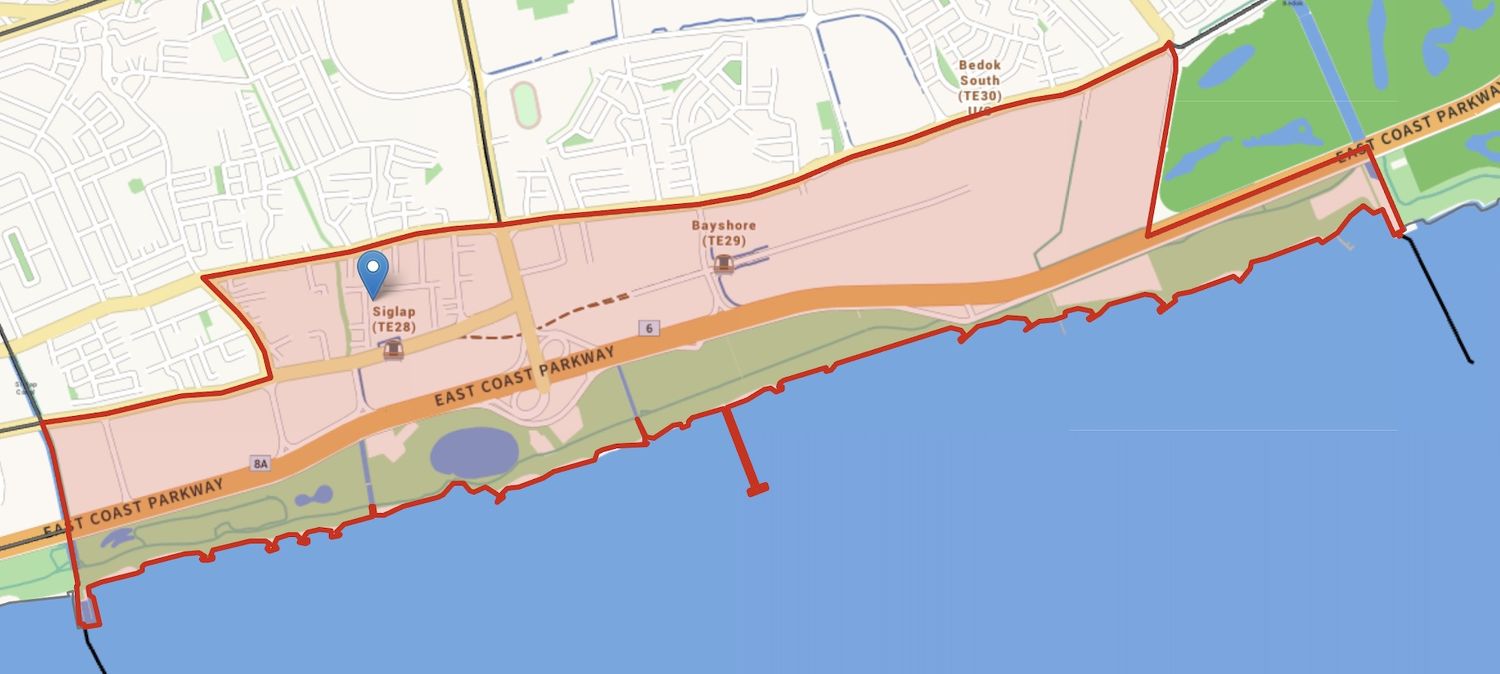
Sector 96 covers the Siglap and Bayshore areas (Source: URA SPACE)
Bayshore leads the way
The sharpest jump was seen in the East Coast, with Sector 96 (Bayshore) recording a 15.4% increase. ERA attributes this to the benchmark bid of $1,388 psf per plot ratio (ppr) achieved for the first government land sale (GLS) site in Bayshore.
The 112,992 sq ft, 99-year site — fronting the Bayshore MRT Station on the Thomson-East Coast Line — was awarded to SingHaiyi, which topped a field of eight bidders at the March 2025 tender. The site can yield around 515 residential units.
Bayshore has been designated as a new lifestyle waterfront precinct under the URA Master Plan. Stretching across 60ha, it will feature an estimated 12,500 homes, comprising both private and public housing. Residents will be served by two MRT stations, Bayshore and Bedok South.
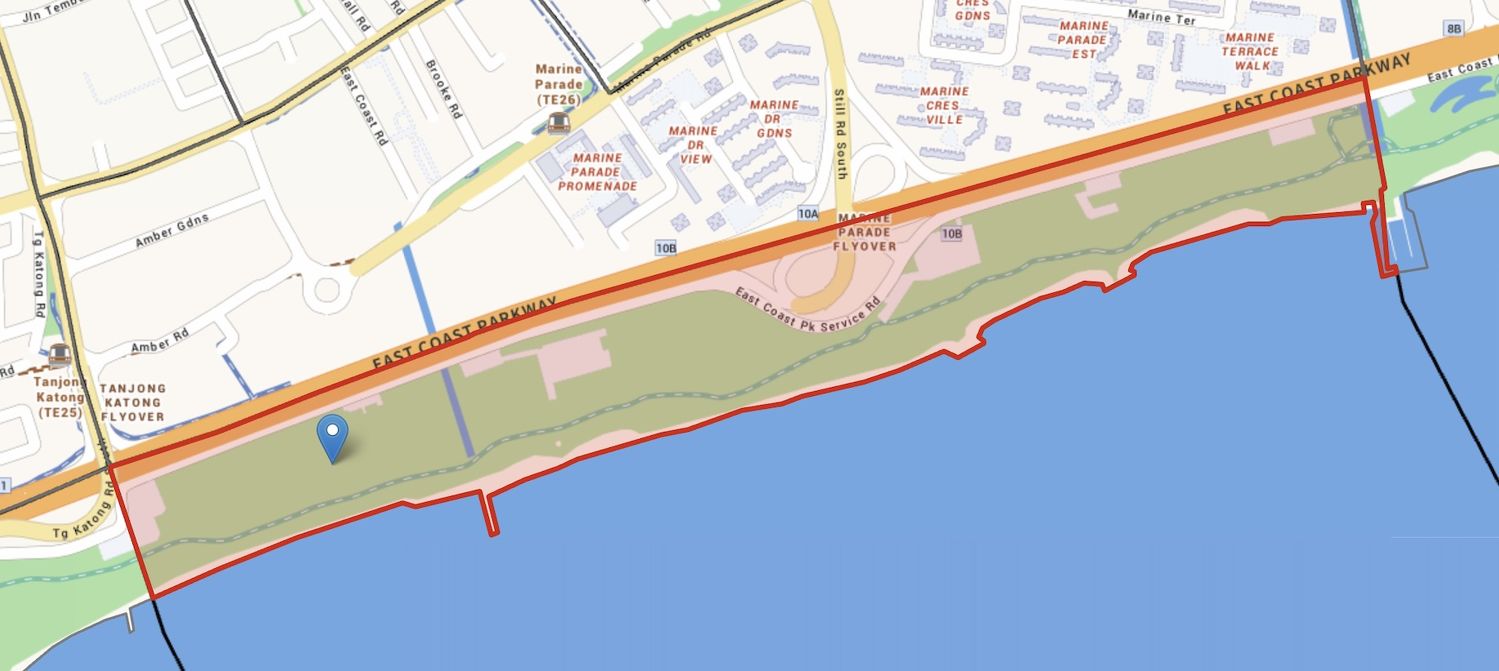
Sector 89 covers the East Coast Park, which forms part of the 'Long Island' development (Source: URA SPACE)
East Coast and Marina East see 12.1% increase
Nearby, Sectors 89 (East Coast Park) and 90 (Marina East/East Coast Park Area B) each recorded a 12.1% increase in LBC rates. According to ERA, the hikes in LBC anticipate the roll-out of the new Master Plan.
The East Coast Park precinct (Sector 89) is part of URA’s “Long Island” vision—a 20km recreational waterfront that will form part of a larger 120km stretch of accessible coastline along Singapore’s southern shore.
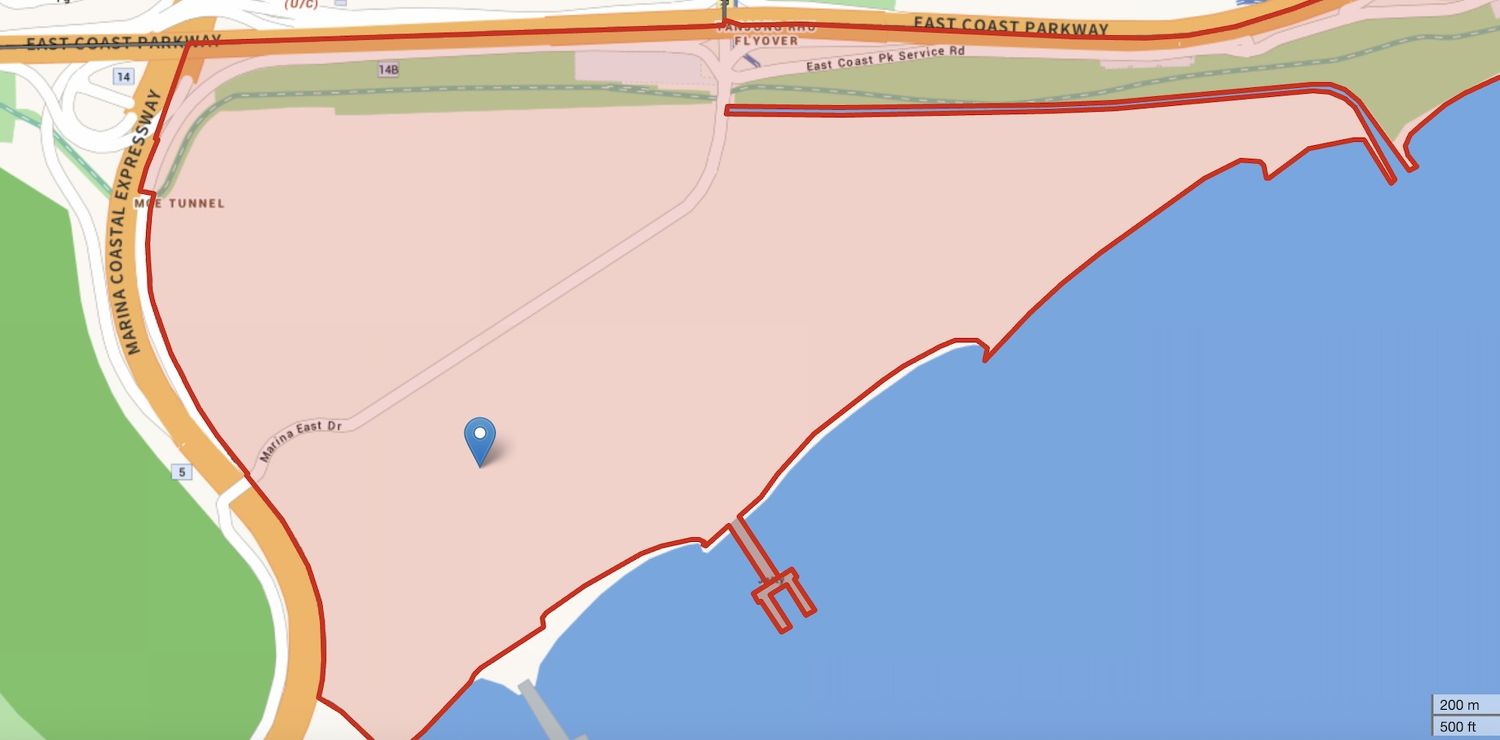
Sector 90 covers Marina East and East Coast Park Area B (Source: URA SPACE)
Marina East (Sector 90), within the Greater Southern Waterfront, is also earmarked for transformation. Together with Marina South, it is expected to deliver more than 10,000 new homes, alongside new lifestyle and recreational amenities.
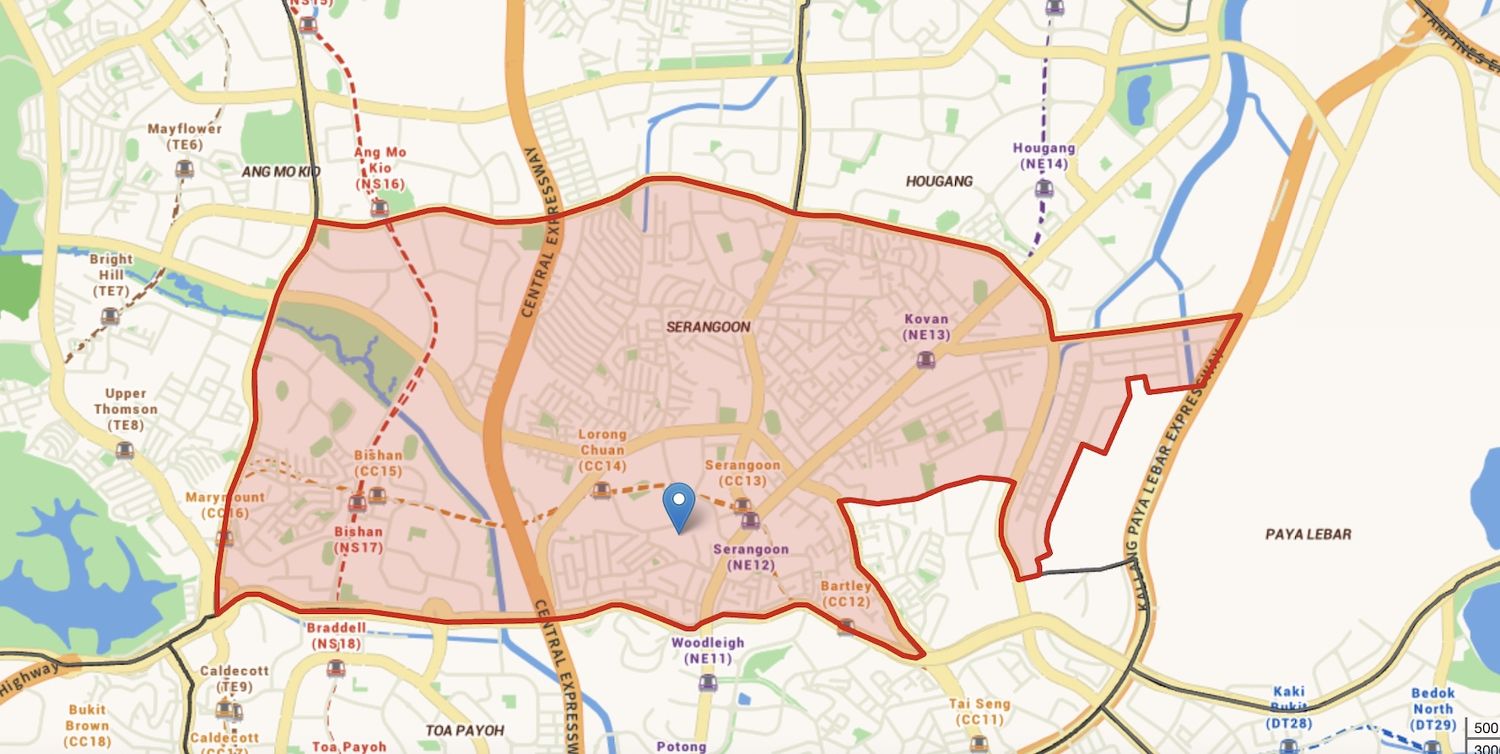
Sector 104 covers the Serangoon, Lorong Chuan, Bishan, Ang Mo Kio and part of the Bartley area (Source: URA SPACE)
Chuan Grove’s highest bid factored into 9.5% rate increase
Sector 104, which encompasses Ang Mo Kio, Bishan, Serangoon, Lorong Chuan, and part of Bartley, saw a 9.5% increase in LBC rates. ERA's Lim notes that the increase reflects the highest bid of $1,376 psf ppr paid by a joint venture between Sing Holdings and Sunway Developments for the Chuan Grove GLS site. The tender closed in July with seven bids. The 99-year site can be developed into a 550-unit private condominium.
This was the first of two Lorong Chuan GLS plots released. The second, which can yield about 505 units, was launched in May and closes for tender on Sept 4. Both are located near Lorong Chuan MRT Station on the Circle Line.
Strong sales spur developers' landbanking activity
According to Mark Yip, CEO of Huttons Asia, strong new-home sales in recent months have spurred developers to replenish land banks. He observes more GLS tenders now drawing well above the typical three bids, with competition driving up prices.
Looking ahead, Yip expects upcoming GLS sites at Chencharu Close, Hougang Central, Telok Blangah Road, and Tanjong Rhu Road to be highly contested, possibly setting new benchmarks. “It may translate to higher LBC rates in the next review,” he adds.
“Market sentiment has turned more positive despite US tariffs,” Yip continues. "Singapore’s economy has outperformed expectations in 1H2025, prompting economists to raise full-year forecasts. Coupled with lower interest rates, property demand has returned in a big way.”
Meanwhile, LBC rates for Group B1 (landed) rose by an average of 0.4%, driven by a resurgence in Good Class Bungalow (GCB) transactions. Huttons notes 11 GCB sales in 2Q2025, compared to just two in 1Q. The priciest was a $58 million sale in Caldecott Hill Estate to buyers linked to the founders of Koufu Group.
What is the Land Betterment Charge (LBC)?
The LBC is payable to the Singapore Land Authority (SLA) when property owners or developers enhance the value of their land — for example, through a change of use, an increase in plot ratio, or redevelopment.
SLA revises LBC rates twice a year, in March and September, across 118 geographical sectors and for different use groups (residential, commercial, industrial, and landed). These rates act as benchmarks for calculating the charge payable.
When setting the rates, SLA considers recent market evidence, including land prices achieved in Government Land Sales (GLS) and private collective sales. This is why LBC rate increases often mirror the high bid prices developers are willing to pay for GLS sites, as seen in Bayshore and Chuan Grove.
In practice, the LBC is most commonly triggered in redevelopments, en bloc sales, and leasehold top-ups, when land value rises due to new planning parameters.
Follow Us
Property updates, 24/7.


Subscribe to Newsletter
Market insights, delivered weekly.
Top Articles
Search