
Why first movers still hold the upper hand in Singapore's next housing frontiers
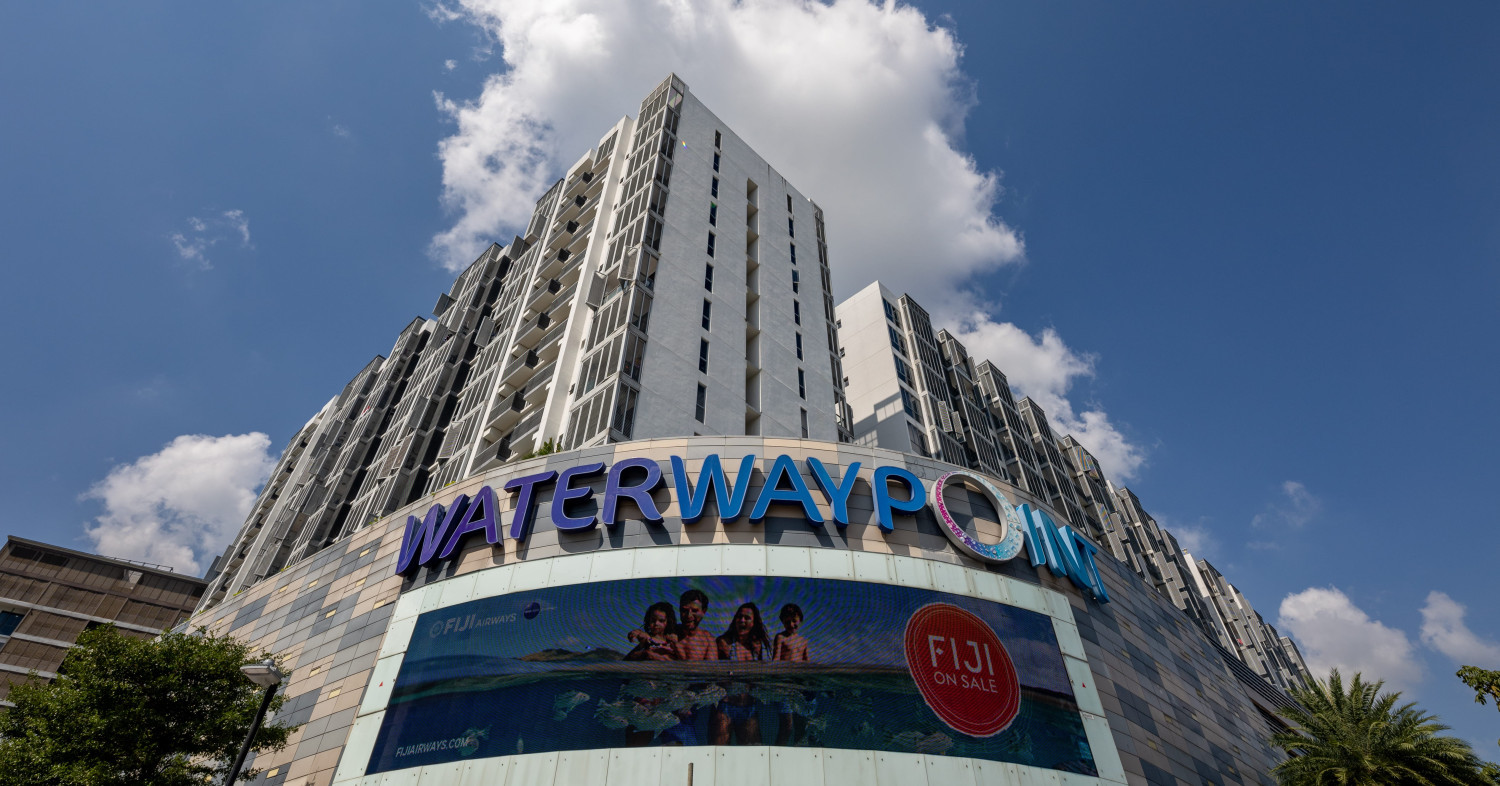
Waterway Point, improved MRT connectivity, waterfront upgrades and a growing residential critical mass — likely supported resale performance in Punggol over time (Photo: Samuel Isaac Chua/EdgeProp Singapore)
In Singapore’s residential property market, timing can matter just as much as location.
While attention often centres on established districts, market behaviour suggests that some of the most compelling opportunities lie at the start of a precinct’s transformation.
The notion of a “first-mover advantage” is not new. But what is becoming increasingly evident is that this is not merely theoretical — it is a recurring pattern across emerging residential districts.
Early entry is about positioning, not risk
A common perception is that buying into a newly developing area comes with uncertainty. Infrastructure may be incomplete, amenities limited and connectivity is still evolving.
Yet this is precisely where the opportunity lies.
Early buyers are entering at a stage where the full value of the precinct has yet to be priced in. As transport links, infrastructure and commercial amenities are progressively introduced, liveability improves — often translating into stronger price support over time.
Rather than viewing early entry as a risk, it may be more accurate to see it as positioning ahead of a precinct’s growth curve.
The Punggol precedent
The transformation of Punggol offers one of the clearest illustrations of how this dynamic plays out.
When the town was repositioned as a waterfront residential estate in the mid-2000s, private housing supply was introduced gradually — starting with executive condos (ECs) before transitioning to private developments.
At that stage, much of the supporting infrastructure was still in progress. Yet with the introduction of key amenities such as Waterway Point, improved MRT connectivity and enhanced waterfront spaces, Punggol has since evolved into a highly liveable residential town.
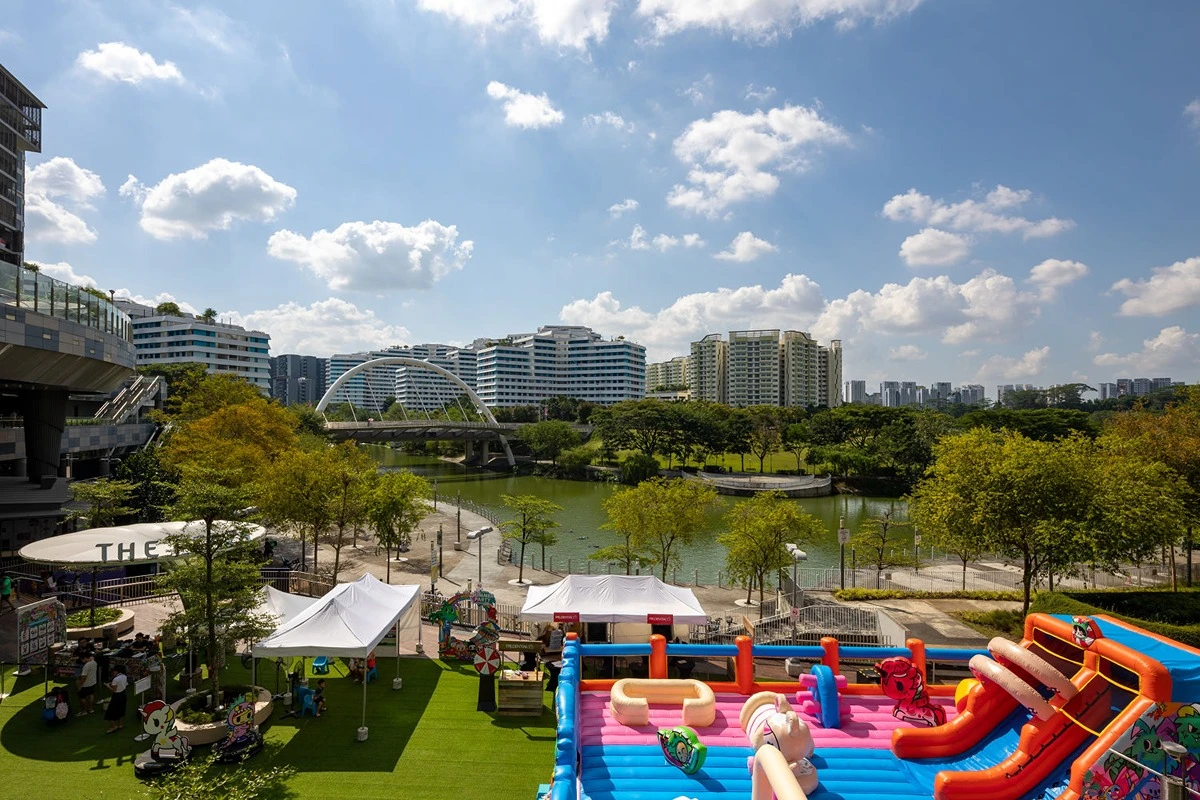
Private and executive condos sit alongside HDB flats in this vicinity in Punggol (Photo: Samuel Isaac Chua/EdgeProp Singapore)
Data reinforces early-mover advantage
This is not merely a narrative shaped by hindsight. Transaction data supports it.
Based on an analysis of 4,887 caveated new sale and resale transactions in the Punggol Planning Area between 2011 and 2025 — covering all non-landed private condo launches, excluding ECs — A Treasure Trove recorded the highest number of profitable resale transactions among its peers.
As the first private condo launched during Punggol’s early transformation phase, A Treasure Trove registered 316 profitable resale transactions over the period analysed.
The data suggests that early entry into a developing precinct can offer advantages as the area matures. The project was launched when Punggol was still undergoing infrastructure rollout and town building. Subsequent enhancements — including Waterway Point, improved MRT connectivity, waterfront upgrades and a growing residential critical mass — likely supported resale performance over time.
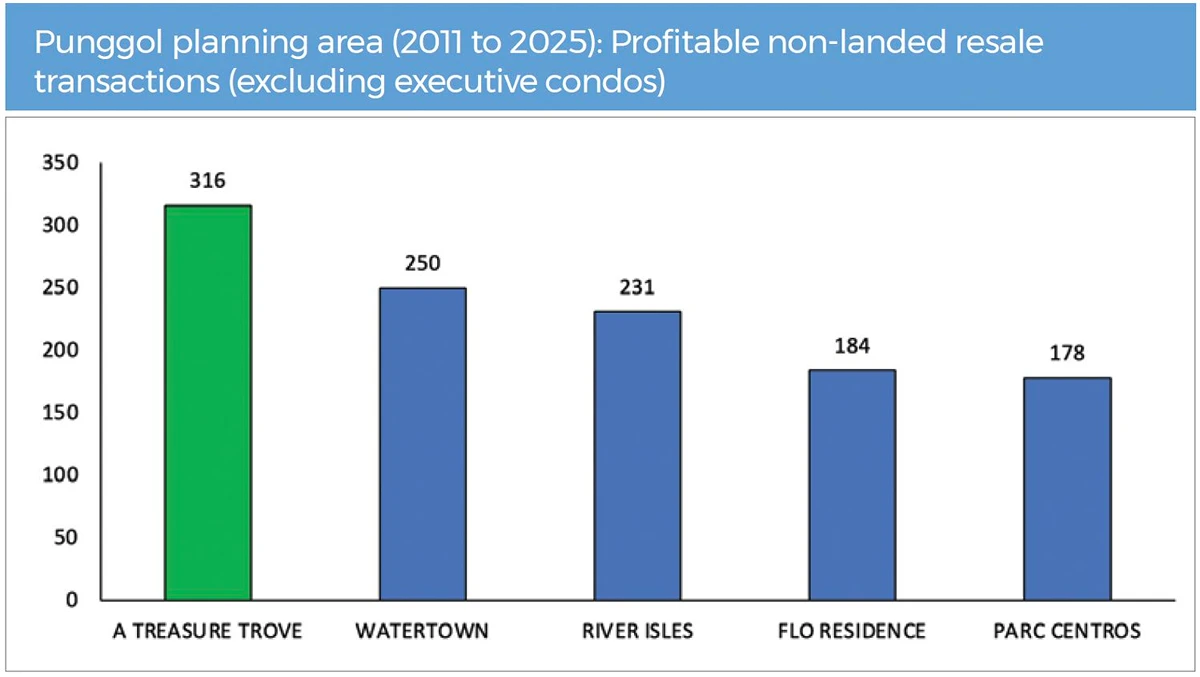
Chart: SRI Research, URA Realis
Viewed in a broader context, this underscores how projects launched at the beginning of a precinct’s development trajectory can benefit from subsequent infrastructure completion, population growth and amenity expansion.
New wave of emerging precincts
The ramp-up in Government Land Sales (GLS) in recent years has played a key role in shaping new residential frontiers across Singapore.
Several upcoming projects are entering the market at the early stages of precinct transformation — forming the first wave of private housing supply and potentially setting initial pricing benchmarks.
One such project is Vela Bay in the Bayshore precinct along the East Coast. It is expected to benefit from the upcoming Bayshore MRT Station on the Thomson-East Coast Line, improving connectivity to both the city centre and the eastern region. The broader area is also slated for a pipeline of residential and mixed-use developments as part of a larger coastal transformation.
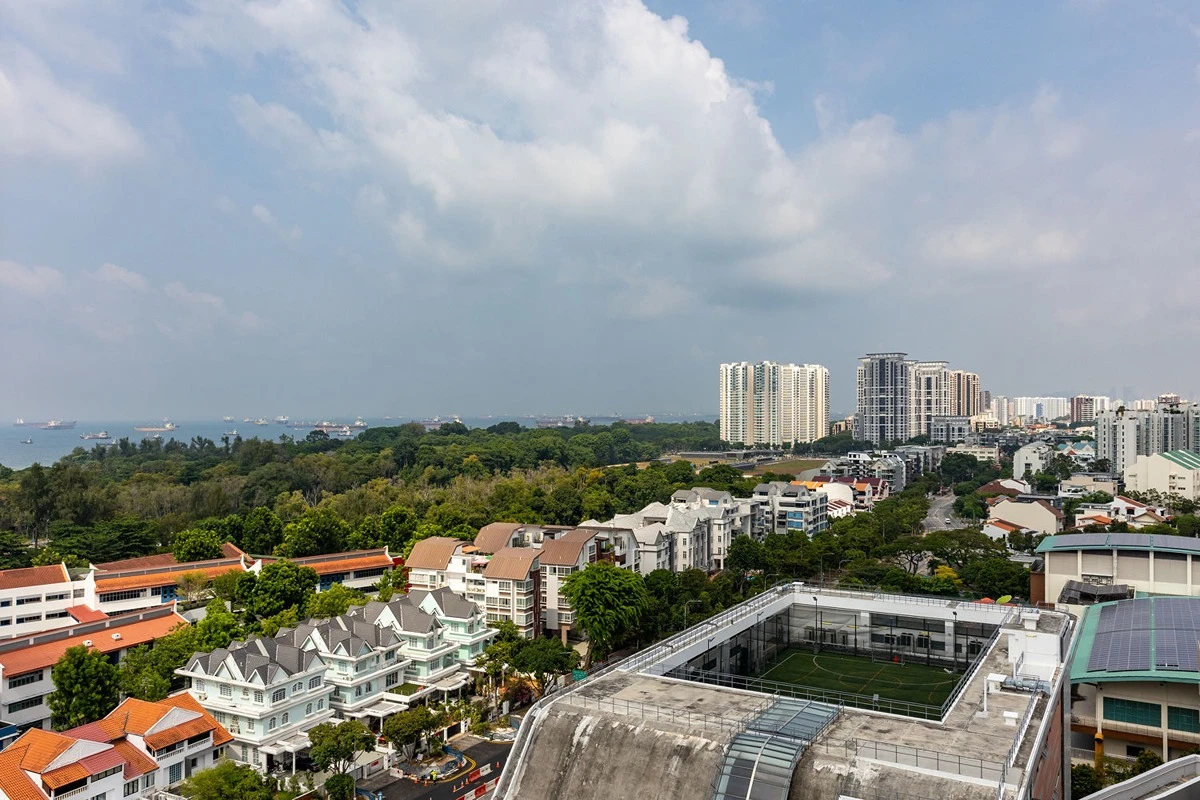
Vela Bay in the Bayshore precinct along the East Coast — it is expected to benefit from the upcoming Bayshore MRT Station on the Thomson-East Coast Line, improving connectivity to both the city centre and the eastern region (Photo: Samuel Isaac Chua/EdgeProp Singapore)
Similarly, Tengah Garden Residences represents an early private residential launch within a newly developing town. Tengah is now transitioning into a growth phase where infrastructure, residential critical mass and amenities are beginning to converge. As the town’s first private condo, the project enters the market at a point where Tengah is increasingly defined by tangible progress rather than future potential alone.
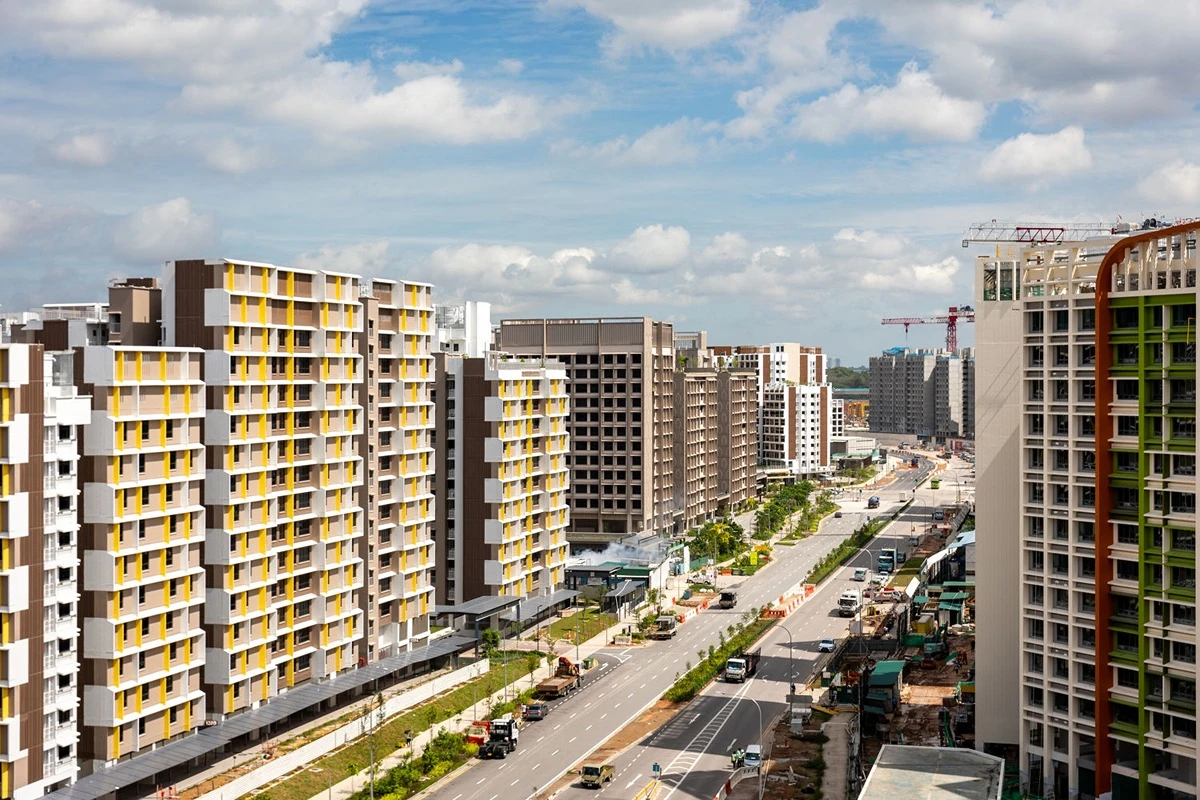
Tengah is now transitioning into a growth phase where infrastructure, residential critical mass and amenities are beginning to converge (Photo: Samuel Isaac Chua/EdgeProp Singapore)
In the Central Region, a site along Dunearn Road within the former Turf City is earmarked for redevelopment into a new residential enclave with about 20,000 homes. Plans include parks, community amenities and enhanced transport connectivity — positioning the first residential launches as early movers within an entirely new town environment.
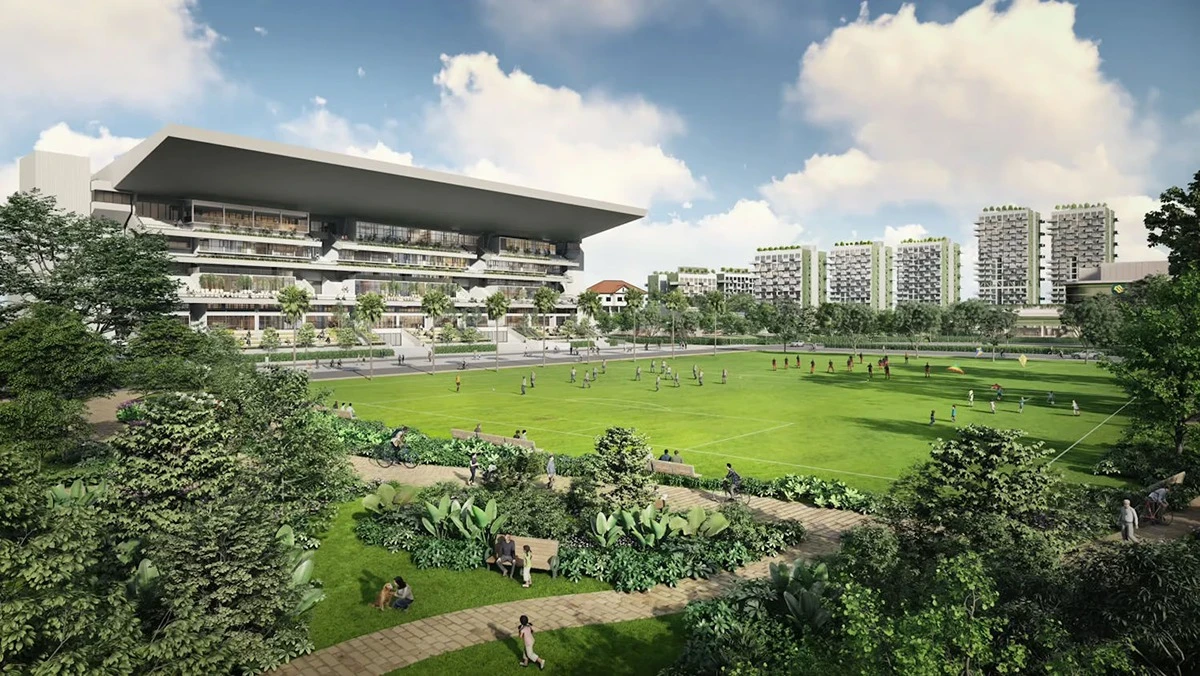
Artist’s impression of the former Turf City, which has been earmarked for redevelopment into a new residential enclave with about 20,000 homes (Photo: URA)
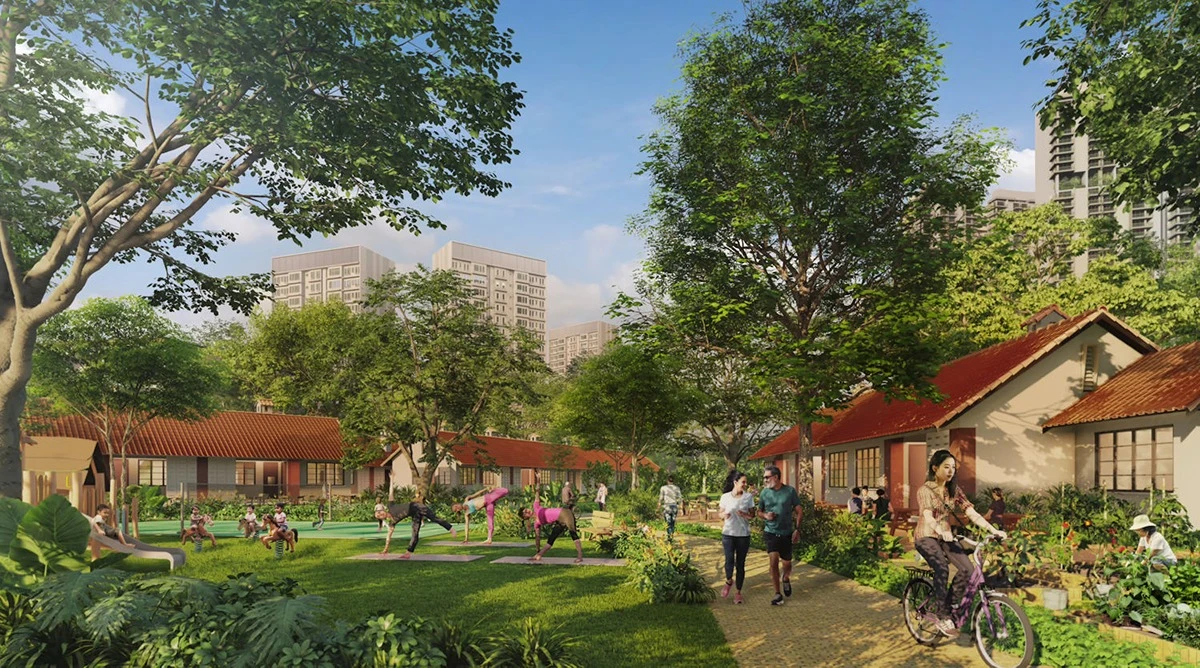
Plans include parks, community amenities and enhanced transport connectivity. (Photo: URA)
Likewise, the Holland Link site — part of the upcoming Holland Plain precinct in Bukit Timah — represents another early-stage opportunity. Envisioned as a low-rise, greenery-rich enclave alongside the Rail Corridor and Bukit Timah First Diversion Canal, the first developments here are likely to define both the character and pricing benchmarks of the area.
In the north, a project at Chencharu Close in Yishun introduces a different model of early precinct development. As the first mixed-use development in the estate, it will integrate housing with a bus interchange, hawker centre and retail offerings — positioning it as a potential anchor for a new residential hub.
Farther south, a site along Telok Blangah Road within the Greater Southern Waterfront (GSW) forms part of one of Singapore’s most significant long-term redevelopment initiatives. The GSW will progressively transform the southern coastline into a mixed-use waterfront district, and early residential launches may set the initial benchmarks for this future precinct.
While each of these areas has distinct characteristics and demand drivers, they collectively reflect a broader trend: residential supply being introduced ahead of full precinct maturity.
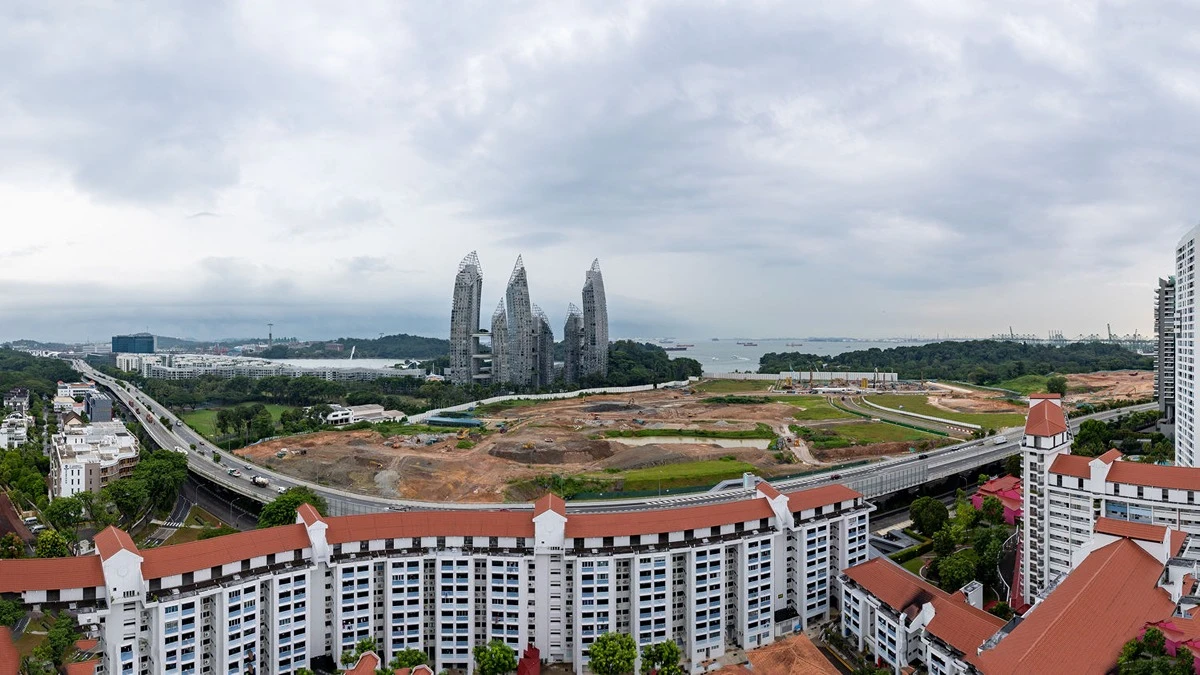
A site along Telok Blangah Road within the Greater Southern Waterfront forms part of one of Singapore’s most significant long-term redevelopment initiatives
Positioning along the growth curve
None of this suggests that every early launch will outperform, or that timing alone guarantees returns.
Market cycles, project attributes and broader economic conditions still matter. But what both data and historical patterns indicate is that early entry offers exposure to a different phase of the value curve — one tied less to the short-term upside and more to the long-term evolution of a precinct.
In that sense, a first-mover advantage in Singapore’s residential market is not about speculation. It is about aligning with the direction of urban development — before it is fully realised.

Mohan Sandrasegeran is the head of research and data analytics at SRI
Follow Us
Property updates, 24/7.


Subscribe to Newsletter
Market insights, delivered weekly.
Top Articles
Search