
Post-renovation guide for Singapore homeowners: What to expect after handover


You’ve got the keys. Now what? A guide to what happens after handover. (Photos: Unsplash)
Handover is often treated as the end of a renovation. Keys change hands, final payments are made, and the natural assumption is that everything is complete.
But in reality, it marks the start of a different phase: when the home is actually lived in for the first time and issues begin to surface from daily use.
Our latest guide brings together insights from Singapore renovation firms and industry practitioners, including Homescape and Renodots, to outline what homeowners should realistically expect in the initial weeks following handover — and how to manage this phase with clarity and control.
When problems actually show up

The first few months of living in a home tend to reveal more than the entire handover process. Some issues become apparent within the first few days, while others take weeks of regular use to surface.
A newly completed renovation is, in many ways, a controlled environment.
“A renovation in progress is essentially a static environment. Issues often only surface when the space becomes dynamic — when water is running daily, appliances are under load, and the family begins to inhabit the flow of the design,” say YC Ong, the co-founder of Homescape, an interior design and renovation company. “Typically, this awareness surfaces within the first 48 to 72 hours of residency.”
This is why the early stage of occupancy often feels like a second round of discovery. What appears complete on handover may still require fine-tuning once the home has been lived in.
What to check for during handover
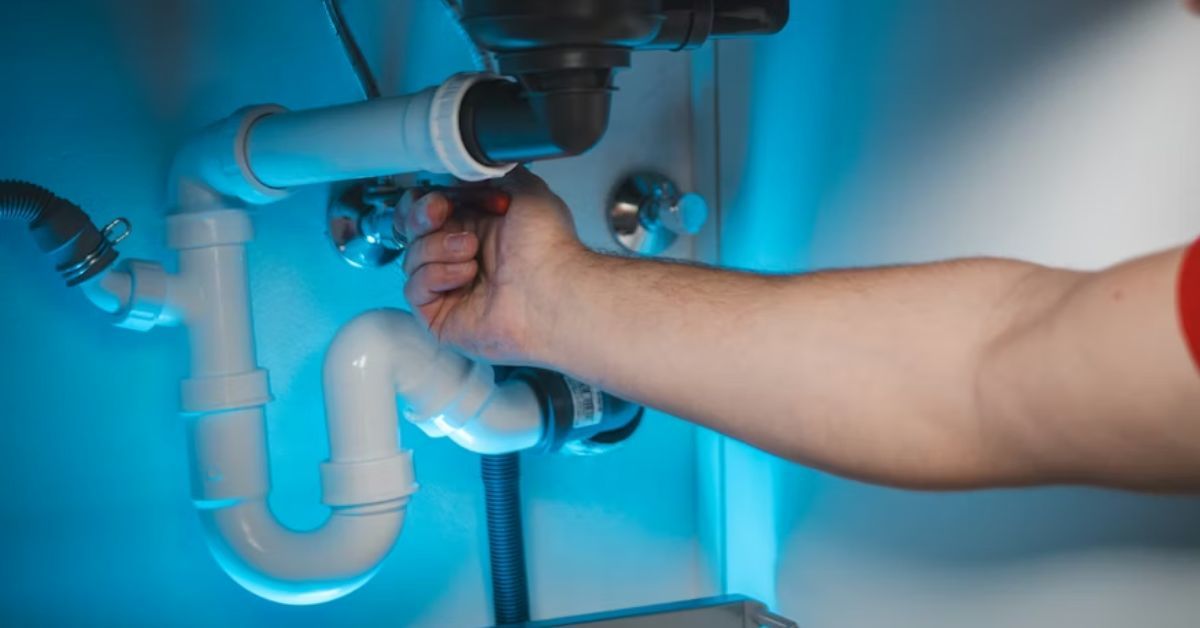
Most homeowners focus on visible imperfections such as scratches, uneven paintwork and chipped edges. While these are important, a more effective approach is to prioritise how the home performs.
“Homeowners should conduct a ‘functional audit’ of how the house actually performs,” says Homescape’s Ong.
Rather than treating handover as a visual inspection, it should be approached as a functional test — actively running systems, applying load and observing how different elements work together.
Post-renovation checks: what to test during handover
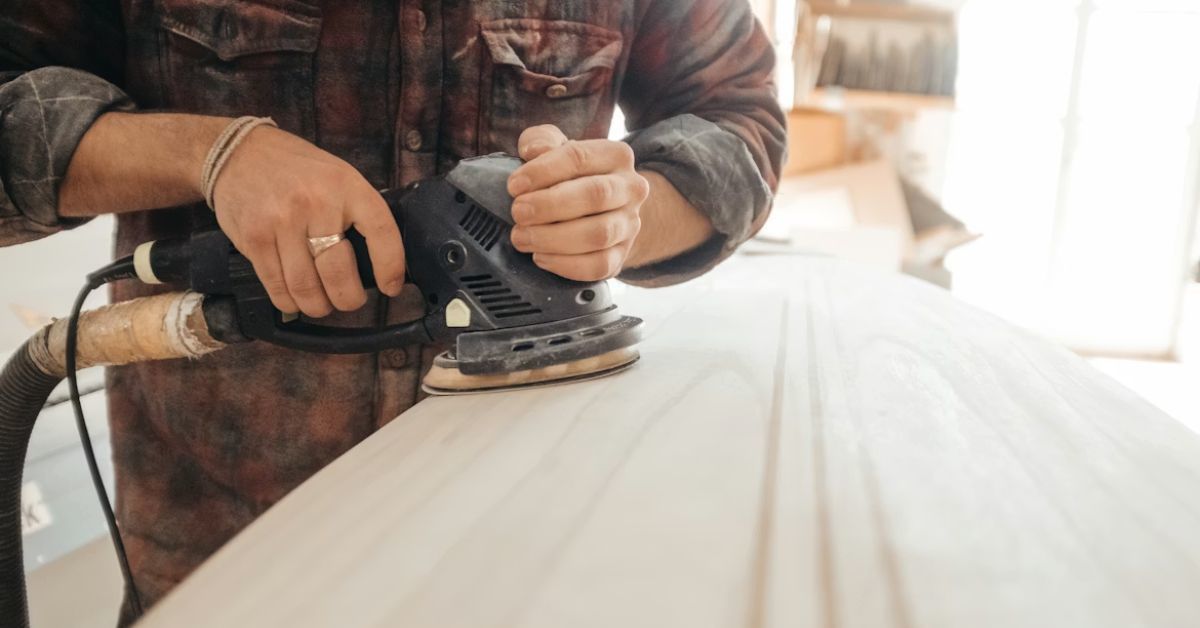
Tiling: Gently tap across different sections to check for hollow spots. Inconsistent sounds may suggest poor adhesion beneath the surface.
Water drainage: Pour some water in wet zones and observe how quickly it clears. Slow movement or pooling may indicate an insufficient floor gradient. As a quick visual check, you can also place a few marbles on the floor. If the slope is adequate, they should naturally roll towards the drain.
Floor alignment: Check for uneven surfaces that could affect furniture stability. A levelling tool can help in determining if the flooring is properly aligned.
Air-conditioning: Leave the air-conditioner running for at least 30 minutes to detect leaks, unusual vibrations or inconsistent cooling.
Water pressure: Turn on several taps or water outlets at once to see if water flow remains steady across the system.
Carpentry: Open and close drawers, doors and hinges repeatedly at different speeds to check their alignment and durability.
Bathroom fittings: Run some water through sinks and showers while checking for leaks. Apply light pressure to the fixtures to ensure they are firmly installed.
Electrical points: Switch on the lights and test the power sockets to check if everything is functioning properly, without flickering or looseness.
Seals and joints: Check seals and joints around windows, doors, and wet areas (for example, bathrooms and kitchens). Look for gaps, cracks or uneven application, which can lead to water leakage or mould over time.
Surface condition: Scan for cosmetic issues such as scratches, uneven paint, or peeling finishes across walls and built-ins.
As home renovation platform Deconstruct notes, “leaving a one to two week breathing space before moving in” can also be beneficial. This allows time for residual fumes from paint, adhesives and new carpentry to dissipate.
The first week: What might start to change
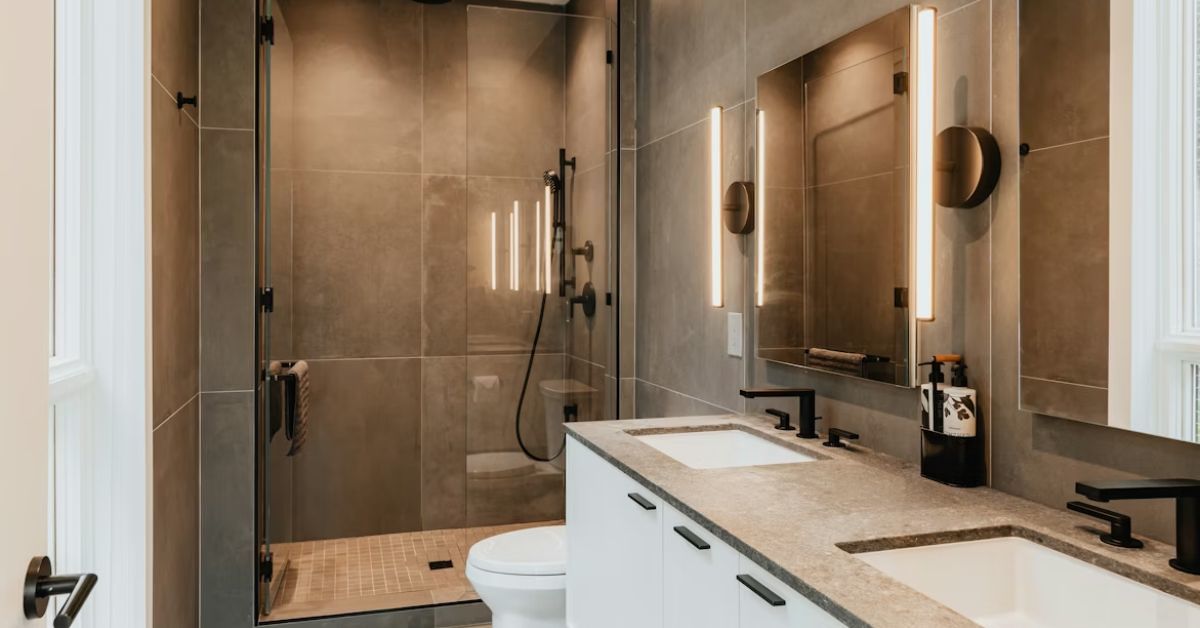
Once the home is occupied, small adjustments begin to take place as materials respond to both usage and environment. These changes can feel concerning, but many are part of the natural settling process rather than signs of poor workmanship.
“Minor mechanical adjustments are common — cabinet doors settling, silicon joints expanding slightly due to temperature changes, or the fine-tuning of smart home sensors,” says Lim.
Common early shifts include:
Carpentry settling: As wardrobes and cabinets are filled, hinges and runners may require minor realignment.
Thermal movement: Air-conditioning can cause materials such as timber and silicone to contract slightly, resulting in small gaps at joints.
Plumbing adjustments: Residual debris may collect in traps or aerators, affecting drainage or pressure after repeated use.
Electrical load balancing: Circuits are tested under real conditions when multiple appliances operate simultaneously.
What actually matters (and what does not)

Not all issues carry the same weight. Treating every imperfection as urgent can lead to unnecessary stress and inefficient rectification.
A more effective approach is to prioritise based on how the issue affects daily living.
Types of issues and priority levels
“Prioritise monitoring and observing over ‘checking’. Focus on functionality first,” says Homescape’s Ong. “A scratch is merely aesthetic, but a slow-draining sink or a tripped circuit disrupts the fundamental peace of your sanctuary.”
Reporting defects properly

One of the most common breakdowns in the post-renovation phase is how defects are communicated.
Reporting issues as they arise may seem efficient, but often results in fragmented communication and repeated back-and-forth. A more structured approach improves clarity and speeds up resolution.
Homeowners should consolidate observations and present them clearly, supported by visual documentation. This typically includes both wide-angle shots to show context and close-ups to highlight the issue itself.
According to Renodots, a Singapore interior design and renovation platform, homeowners should “document everything” and “communicate clearly”.
“Capture detailed images of any defects or unfinished work encountered during your inspection,” Renodots writes. “Communicate your findings to your contractor or interior designer in a clear and concise manner. Provide detailed descriptions of each defect and articulate your expectations regarding rectification works.”
To make this process more manageable:
- Check for group defects by area (kitchen, bathrooms, bedrooms)
- Number each issue clearly
- Include both wide and close-up photos
- Use videos where movement, sound or leaks are involved
This level of organisation allows contractors to assess and respond more effectively, reducing delays caused by incomplete information.
What a proper response looks like
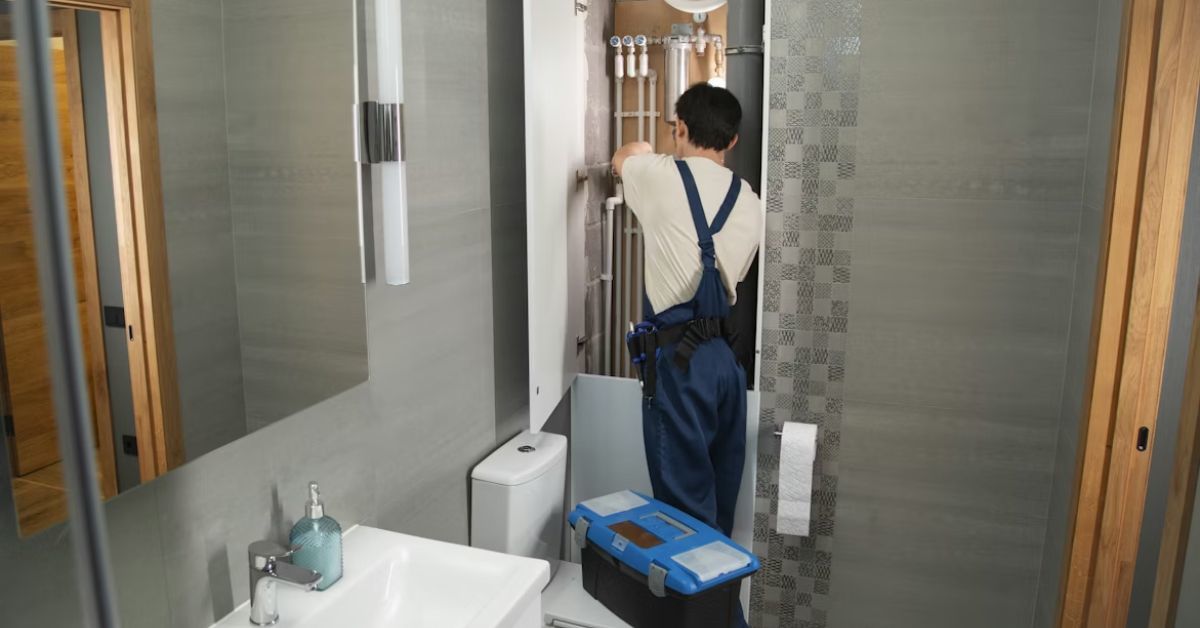
How a contractor responds to defects is often more important than the defects themselves.
“A reliable contractor will acknowledge an issue immediately without becoming defensive,” says Ong. “The issue itself is rarely the problem. It’s how it is handled that determines the overall experience for the homeowner.”
He adds: “A good response isn’t just, ‘We’ll take a look.’ It should come with an explanation of what might have caused the issue, and a clear plan for rectification.”
Early warning signs to watch for include:
- Delayed replies with no acknowledgement
- Vague answers without timelines
- Attempts to shift responsibility
A proper response, on the other hand, is structured and transparent — setting expectations for both scope and timing.
What timelines to expect
Unclear timelines are one of the biggest sources of frustration in the post-renovation phase. Even minor issues can feel prolonged without a clear sense of when they will be resolved.
While timelines vary depending on complexity, most follow a general pattern:
Post-renovation defect rectification timeline
Timely acknowledgement is particularly important. Even if immediate rectification is not possible, early communication signals that the issue is being taken seriously and helps maintain trust.
Common issues in the first 30 days
Within the first month, certain issues tend to appear as the home settles into regular use. These include minor settlement cracks, small alignment adjustments in carpentry, and occasional missed finishing details in less visible areas.
Most of these are expected and can be addressed as part of routine rectification.
What warrants closer attention are signs that persist or worsen over time.
“Any sign of moisture, persistent odours, or unusual sounds from electrical boards should be taken seriously,” says Homescape’s Ong.
These may indicate underlying issues that require more immediate investigation.
What matters in the weeks after handover
A well-managed renovation does not end at handover. The post-renovation phase should include structured follow-ups, ensuring that the home continues to perform as intended.
Rather than waiting for issues to be raised, proactive contractors typically check in at key intervals — often within the first week and again after the first month. This allows for early identification of issues and ensures that outstanding items are tracked and resolved systematically. Clear communication, defined timelines and ongoing engagement are what distinguish a smooth post-renovation experience from a frustrating one.
The first few weeks after handover are also when a home is truly tested. Not everything needs immediate attention, but issues that affect daily living should be identified early and addressed with clarity.
A well-handled post-renovation phase is not about eliminating every imperfection, but about understanding what matters — and ensuring that the home functions as it is intended to.
Follow Us
Property updates, 24/7.


Subscribe to Newsletter
Market insights, delivered weekly.
Top Articles
Search