
Central Region retail rents up 0.6% q-o-q in 2Q2026, but store closures lift vacancies
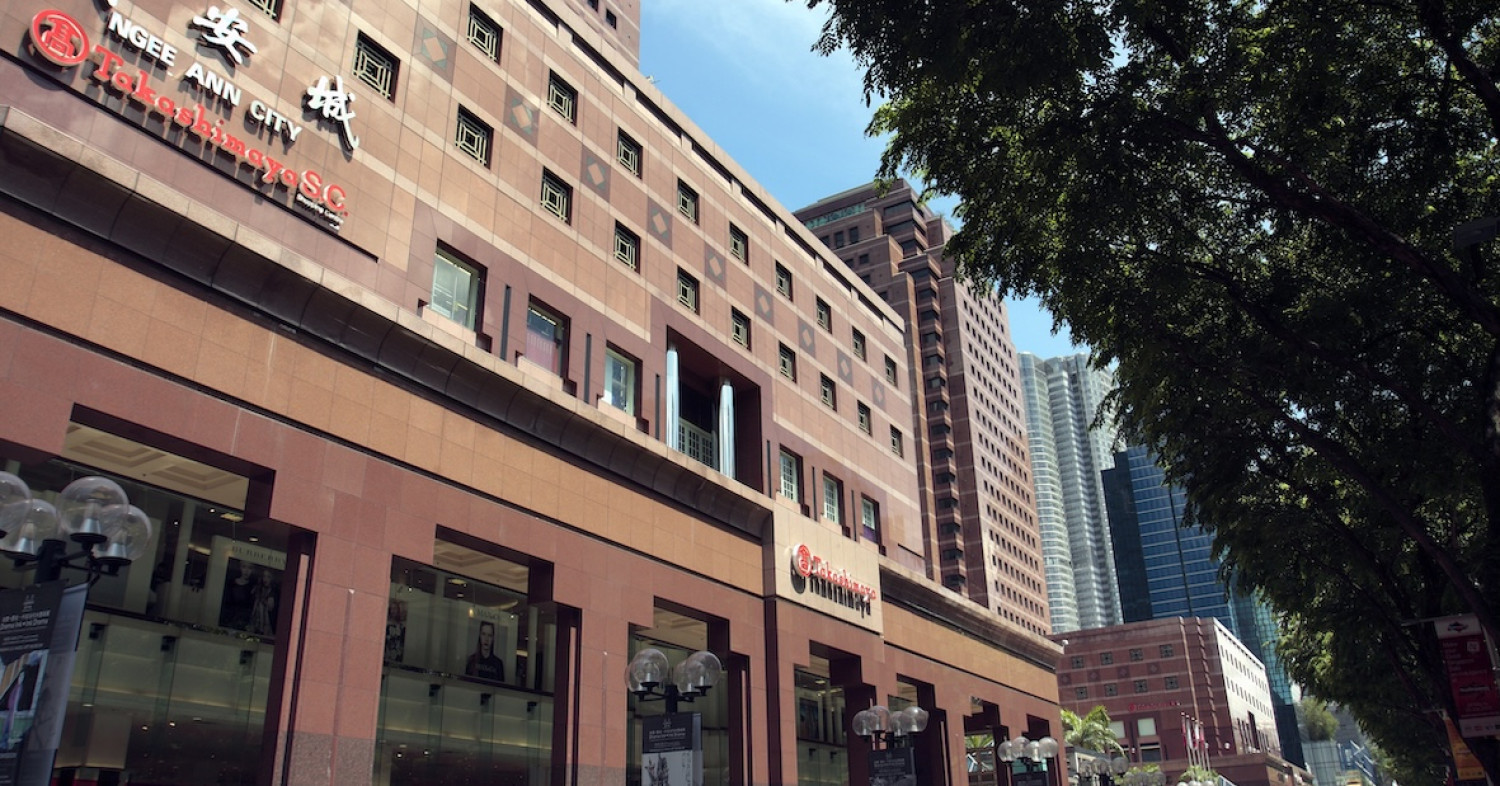
URA's 2Q2026 data showed that rents of retail space in the Central Region rose by 0.6% q-o-q, reversing the 0.6% q-o-q decline the previous quarter (Photo: Samuel Isaac Chua/EdgeProp Singapore)
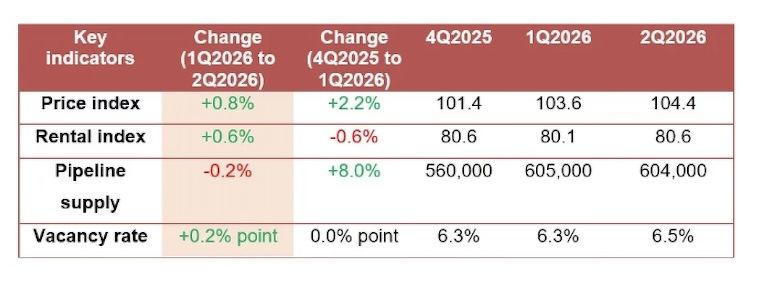
URA's 2Q2026 data showed that retail rents in the Central Region rose by 0.6% q-o-q, reversing the 0.6% q-o-q decline the previous quarter.
Prices of retail space in the Central Region also rose, up 0.8% q-o-q in 2Q2026, moderating from the 2.2% q-o-q increase in the previous quarter, according to URA data.
URA 2Q2026 Retail Overview
Source: URA.gov.sg
Separately, CBRE Research data showed that islandwide prime floor rents increased by 0.4% q-o-q in 2Q2026, bringing 1H2026 rent growth to 0.9%.
"Sustained demand for prime retail spaces reflected retailers' confidence in tourism and consumer spending," says Tricia Song, CBRE head of research, Singapore and Southeast Asia.
While leasing activity remained healthy in 2Q2026, tensions in the Middle East have made retailers more cautious. Retailers continue to grapple with manpower shortages, rising operating costs — further exacerbated by the Middle East conflict — and intense competition from e-commerce players, adds Song.
Prime retail demand driven by new F&B, retail entrants
According to CBRE, demand for space remained robust, driven primarily by the Singapore debut of international F&B players such as French cafe Bouillon Gavroche, Australian dessert chain Yo-chi Self-Serve Frozen Yogurt, Japanese Yakitori chain Torikizoku, South Korean fast-food chain Lotteria, and Molly Tea, from Shenzhen, China, famous for its floral-scented fresh milk teas.
Other new F&B entrants include Yang's Dumpling from Shanghai, which opened at Bugis Junction, and Japanese café, bakery and French-style tearoom Rituel Tokyo, which made its Singapore debut at Ngee Ann City, notes Knight Frank Singapore head of research, Leonard Tay.
New fashion, toys and hobbies retailers — including Italian fast-fashion retailer Subdued, Japanese footwear brand kurun Tokyo, Snoopy Store & Café featuring Peanuts comics-themed merchandise, and designer art toys and blind-box retailer Happibox — also contributed to strong space take-up, notes CBRE's Song.
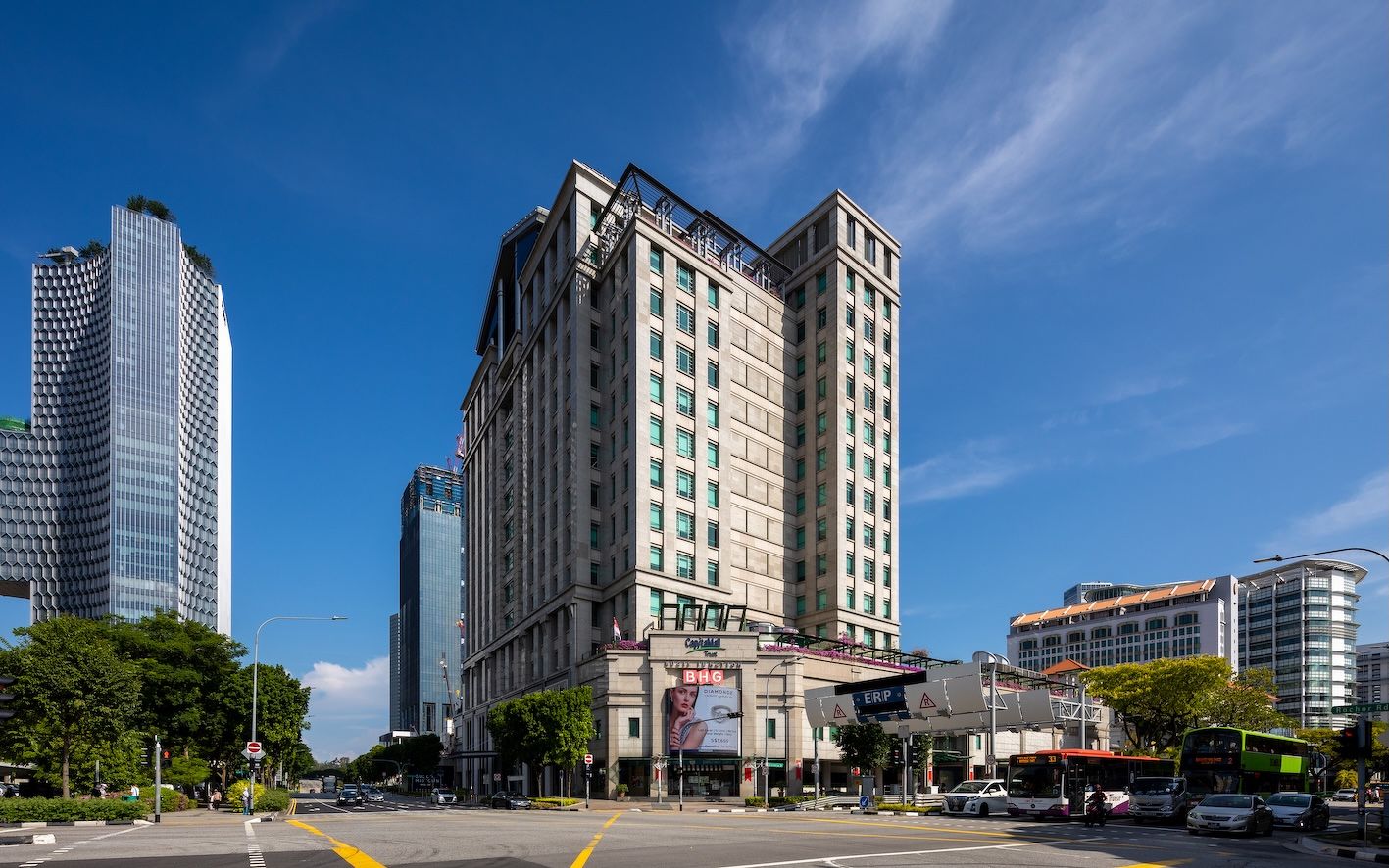
New F&B entrants include Yang's Dumpling from Shanghai, which opened at Bugis Junction (pictured above) [Photo: Samuel Isaac Chua/EdgeProp Singapore]
"This steady pipeline of new concepts, particularly from overseas brands, highlights that Singapore remains an attractive location for expansion," says Knight Frank's Tay. Its attractiveness also drew returning players, such as British health and wellness retailer Holland & Barrett and South Korean fast-food restaurant chain Mom's Touch, both returning after earlier exits.
"Singapore continues to attract international retailers and first-time physical store entrants, underpinned by its affluent consumer base, recovering tourism and position as a regional business hub," says Wong Xian Yang, Cushman & Wakefield (C&W) head of research, Singapore and Southeast Asia.
F&B remained the key demand driver among these notable foreign debuts, adds Wong, accounting for 53% of prime mall openings in 1H2026. Lifestyle and fashion contributed 16% and 14% of new openings, respectively.
Leasing interest from wellness concepts, including health and fitness operators, remained elevated, adds CBRE's Song, although their larger space requirements continued to present challenges in finding suitable locations.
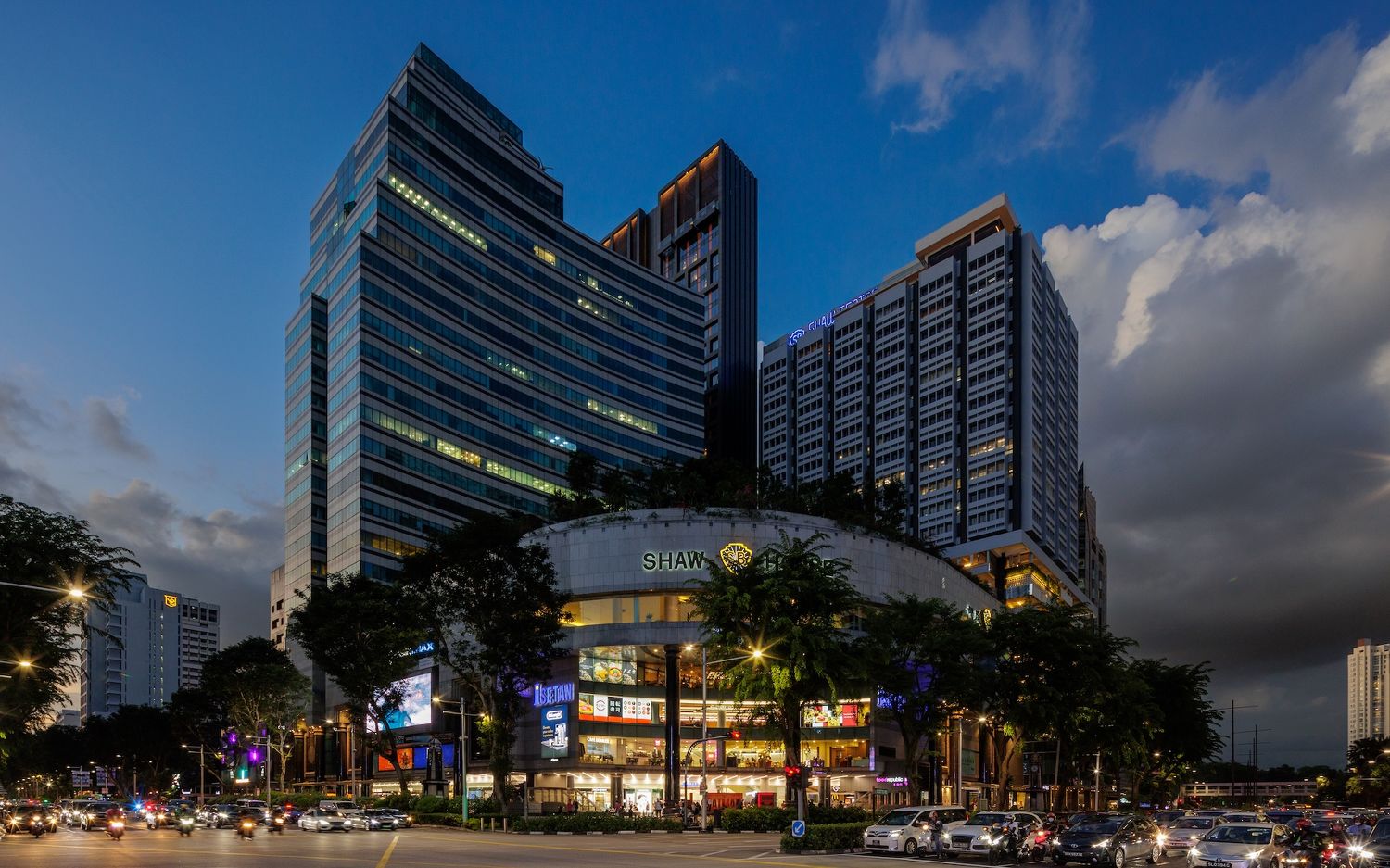
Other closures in the quarter include the 11-year-old artisanal tart brand Tarte by Cheryl Koh under the Les Amis Group, which closed both outlets in Raffles City and Shaw Centre (pictured above) this April (Photo: Samuel Isaac Chua/EdgeProp Singapore)
Retail, F&B closures lead to negative absorption
However, 2Q2026 was also marked by several F&B and retail outlet closures, says Knight Frank's Tay. They include retro-themed local eatery Old School Delights at Esplanade, French restaurant Encore by Rhubarb, century-old Cantonese restaurant Wing Seong Fatty's Restaurant, Jumbo Seafood's flagship East Coast Seafood Centre outlet, Tim Ho Wan at Plaza Singapura, and Don Don Donki alongside other retailers at HarbourFront Centre.
"Notably, closures at some of these locations were driven by redevelopment plans, underscoring the ongoing impact of constant asset repositioning in Singapore's retail and dining landscape," adds Tay.
Other closures in the quarter include the 11-year-old artisanal tart brand Tarte by Cheryl Koh under the Les Amis Group, which closed both outlets in Raffles City and Shaw Centre this April. Singtel's G-Force Network Store at Funan also closed, following the closure of the outlet at IMM earlier. Local spa and skincare brand Porcelain closed its outlets and entered provisional liquidation in April.
These closures led to negative net absorption of 29,000 sq m (about 312,000 sq ft) in the islandwide private retail market, according to URA data. It marks a reversal of the positive net absorption in the past three quarters, notes CBRE Research. Consequently, islandwide private retail vacancy rates rose q-o-q from 6.4% to 7.0% in 2Q2026.
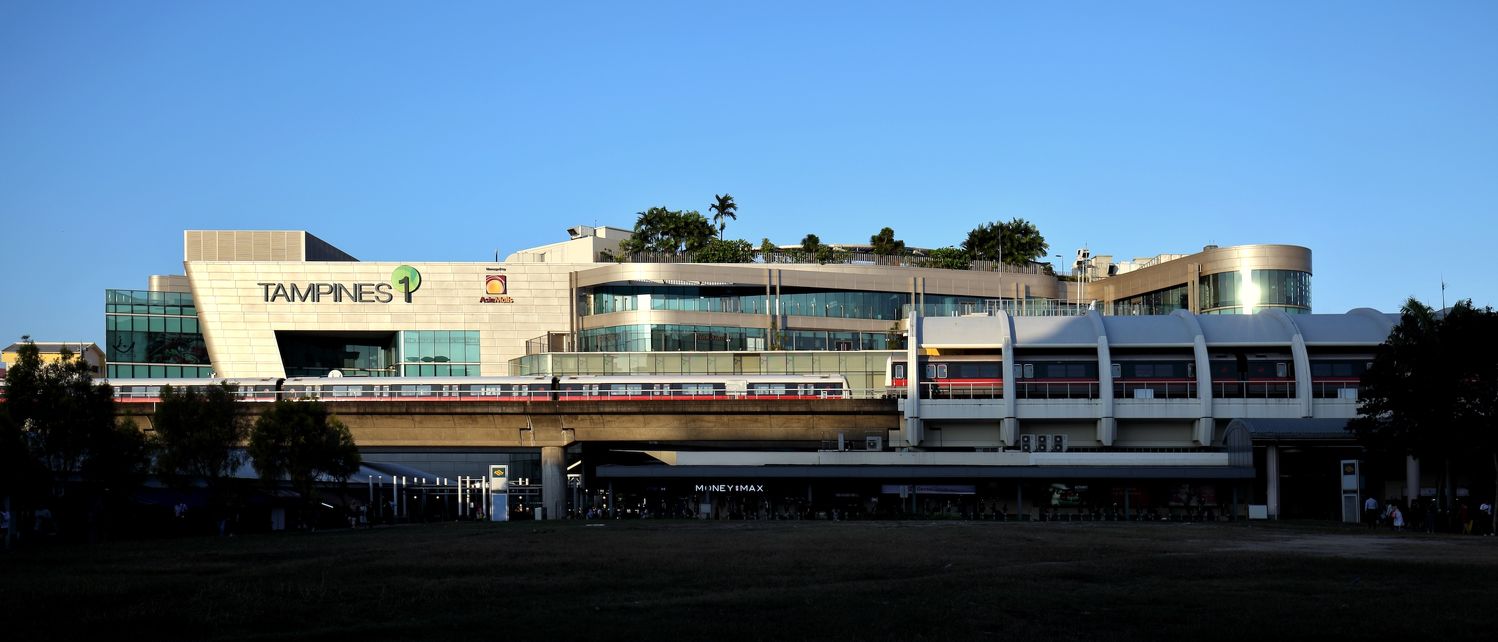
Japanese dollar store Daiso, which closed its Tampines 1 (pictured above) outlet in June, following earlier closures of stores in 100AM in Tanjong Pagar and Sembawang Shopping Centre (Photo: Samuel Isaac Chua/EdgeProp Singapore)
'Ongoing tenant churn'
"All submarkets saw negative net absorption in 2Q2026," observes CBRE's Song. The city fringe or Rest of Central Region (RCR) submarket registered the lowest negative net absorption of about 22,000 sq ft, reversing the positive net absorption of 32,000 sq ft the previous quarter.
New pop-ups and store openings in New Bahru likely offset some of the space returned by retailers in the submarket, limiting the extent of the decline, notes CBRE. Vacancy in the submarket therefore rose from 7.9% to 8.3% in 2Q2026.
Conversely, the suburban or Outside Central Region (OCR) submarket reversed its 1Q2026 outperformance, registering the highest negative net absorption across all submarkets, according to CBRE. Negative net absorption in the area reached 129,000 sq ft, compared with positive net absorption of about 140,000 sq ft in 1Q2026.
Large-format store closures during the quarter include Japanese department store Isetan's closure of its store in Nex shopping mall in Serangoon; and Japanese dollar store Daiso, which closed its Tampines 1 outlet in June, following earlier closures of stores in 100AM in Tanjong Pagar and Sembawang Shopping Centre. Amid these closures, OCR vacancy rose from 4.1% to 5.2% in 2Q2026, says CBRE.
"The rise in retail vacancy rates alongside rental growth reflects ongoing tenant churn, with weaker-performing retailers exiting the market amid cost pressures, while demand from new-to-market entrants and expanding retail concepts continues to support rents, particularly in well-located assets," says Wong of C&W.
Despite the increase in vacancy rates, the OCR retail market continued to record the lowest vacancy rate among all submarkets, adds Wong, reflecting resilient retailer demand for suburban malls supported by large residential catchments and recurring consumer spending.
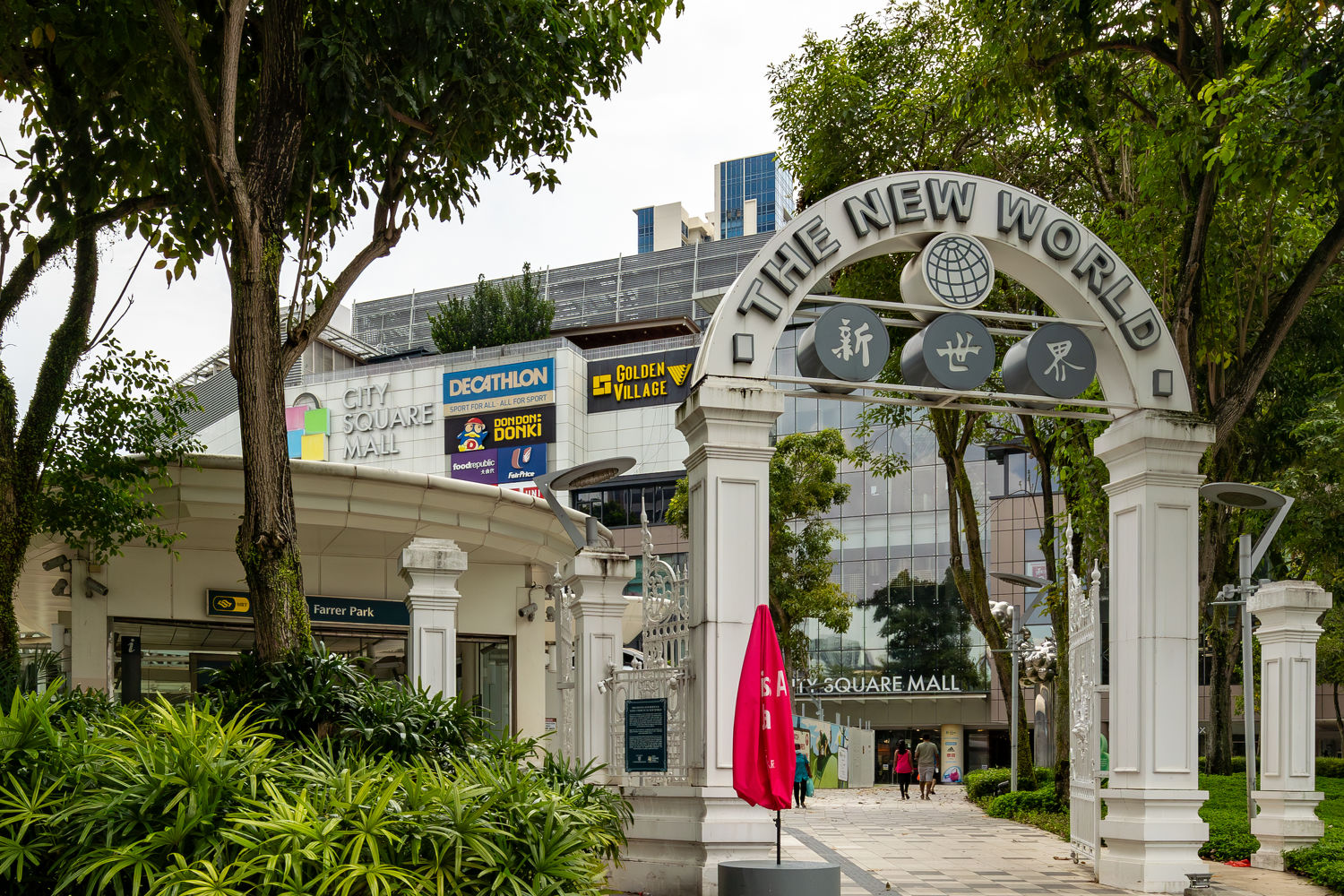
Recent and planned mall upgrades include City Square Mall (pictured above), West Mall, Hougang Mall, Nex and Plaza Singapura (Photo: Samuel Isaac Chua/EdgeProp Singapore)
Retail sector to remain 'two-tiered'
Prime retail assets remain supported by tight availability, underpinned by limited new supply, according to C&W. Islandwide retail completions are projected to average just 0.4 million sq ft annually through 2031 — around half the historical average — with most new supply concentrated in suburban mixed-use developments, Wong observes.
"Against this backdrop of limited new supply, many landlords are expected to remain focused on asset enhancement initiatives (AEIs) to unlock value from existing assets," says Wong. Recent and planned mall upgrades include City Square Mall, West Mall, Hougang Mall, Nex and Plaza Singapura. "They reflect ongoing efforts to optimise space utilisation, refresh tenant mixes and enhance the overall shopper experience.”
Wong sees the retail market remaining "two-tier." The AEIs are expected to strengthen the competitive position of top-tier assets, characterised by strong connectivity and curated tenant mixes, further widening market bifurcation, Wong notes.
Nevertheless, stronger tourism spending, underpinned by a healthy pipeline of MICE events and concerts, together with resilient consumer spending and Singapore's safe-haven status, should continue to support demand for prime retail space, adds CBRE’s Song.
With new supply over the next three years expected to remain below historical norms, CBRE Research forecasts prime retail rents to grow by 1–2% in 2026.
While tourist arrivals are expected to remain stable with higher per capita spending in 2H2026, the latest tranche of government household vouchers for essential goods could ease cost pressures, potentially lifting discretionary spending, adds Knight Frank's Tay.
"These factors are likely to underpin retail activity," continues Tay. He projects rents to remain stable and register growth of 2% to 4% for the full year 2026, despite ongoing challenges in the sector.
Follow Us
Property updates, 24/7.


Subscribe to Newsletter
Market insights, delivered weekly.
Top Articles
Search