
Maureen Li of Abiel Property Investment builds $130 mil portfolio on shophouses, industrial assets

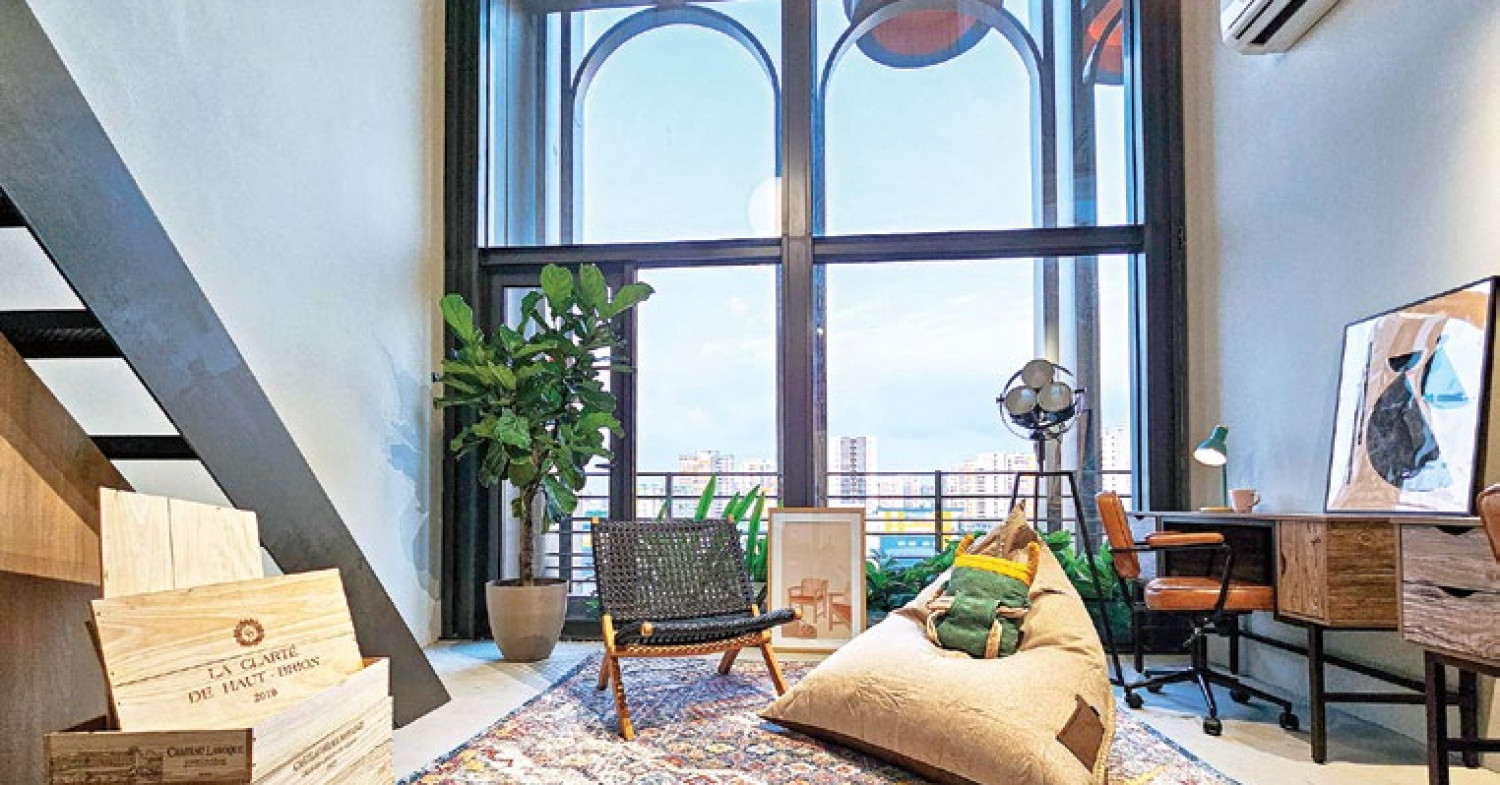
Interior of one of the workspaces at 81 Aljunied Road (Photo: Abiel Property Investment Group)
When Maureen Li moved to Singapore from Australia in 2012, she founded Abiel Corporate Housing, a firm specialising in helping expatriate professionals relocate and secure housing.
Abiel handled apartment leasing on behalf of landlords — many of whom were high-net-worth individuals — and became a preferred housing provider for MNCs such as Franklin Templeton, KPMG and Siemens.
However, the operating environment began to change as expatriate housing budgets were pared back, especially since 2017. “Gone are the days when expatriate staff were given generous housing packages,” says Li. “Today, they are given a salary package and have to manage their own housing budgets.”
For corporate housing specialists like Abiel, margins came under pressure. That prompted Li to pivot away from a pure leasing platform towards property management and, ultimately, ownership. That led her to establish Abiel Property Investment Group, where she has been CEO since 2013.
The transition drew on her earlier experience in Australia, where she had invested in and developed regional malls. “As a property developer in Australia back in 2013, yields were significantly higher, especially for regional malls,” she says. “But today, many investors — including Singaporean groups — are buying into that segment, and prices have adjusted accordingly.”
When Li first considered buying property in Singapore in early 2020, the biggest hurdle was the entry price. “Back then in 2013, you could buy a regional mall for $20 million in Australia. In Singapore, that might get you only a shophouse,” she says.
Over time, however, she came to appreciate the trade-off. While Australian real estate is largely yield-driven, Singapore offers stable cash flows — particularly for well-located assets — alongside long-term capital appreciation.
Li began studying conservation shophouses across Chinatown, the CBD, Geylang and Arab Street. She observed that properties along Amoy Street, Telok Ayer Street and Club Street had recorded capital gains of 1,160% over 20 years. Given the limited supply of such assets, she concluded that few real estate asset classes offered comparable long-term growth.
While most commercial shophouses typically yield just 2% to 3% today, Li set out to acquire assets where she could raise yields to at least 5%. The only way to achieve that, she realised, was to actively manage them.
From terraces to industrial asset
In February 2020, Li purchased a row of three freehold terraced houses at 81, 83,and 85 Aljunied Road for a total of $10.88 million, or about $720 psf based on gross floor area.
The site is zoned for B1 (light industrial) use under URA’s Master Plan and is within walking distance of Aljunied MRT Station on the East-West Line. Many neighbouring properties along the stretch have already been redeveloped into light industrial buildings.
On one side is Atrix, a six-storey freehold development completed in 2013 by Hafary. On the other is Victory Centre, a seven-storey building developed by Fragrance Group with a 60-year lease from 2012, which was sold to LaSalle Investment Management for $90 million in December 2022.
In 2020, Li embarked on the redevelopment of the three terraced houses on Aljunied Road into a nine-storey industrial building.
“We didn’t want to create another me-too product,” she says. “We wanted to create something different and add value to the market.”
Abiel Property Investment appointed Francis Goh, founding partner of FDAT Architects, to design the building at 81 Aljunied Road as “New York warehouse-inspired workspaces”.
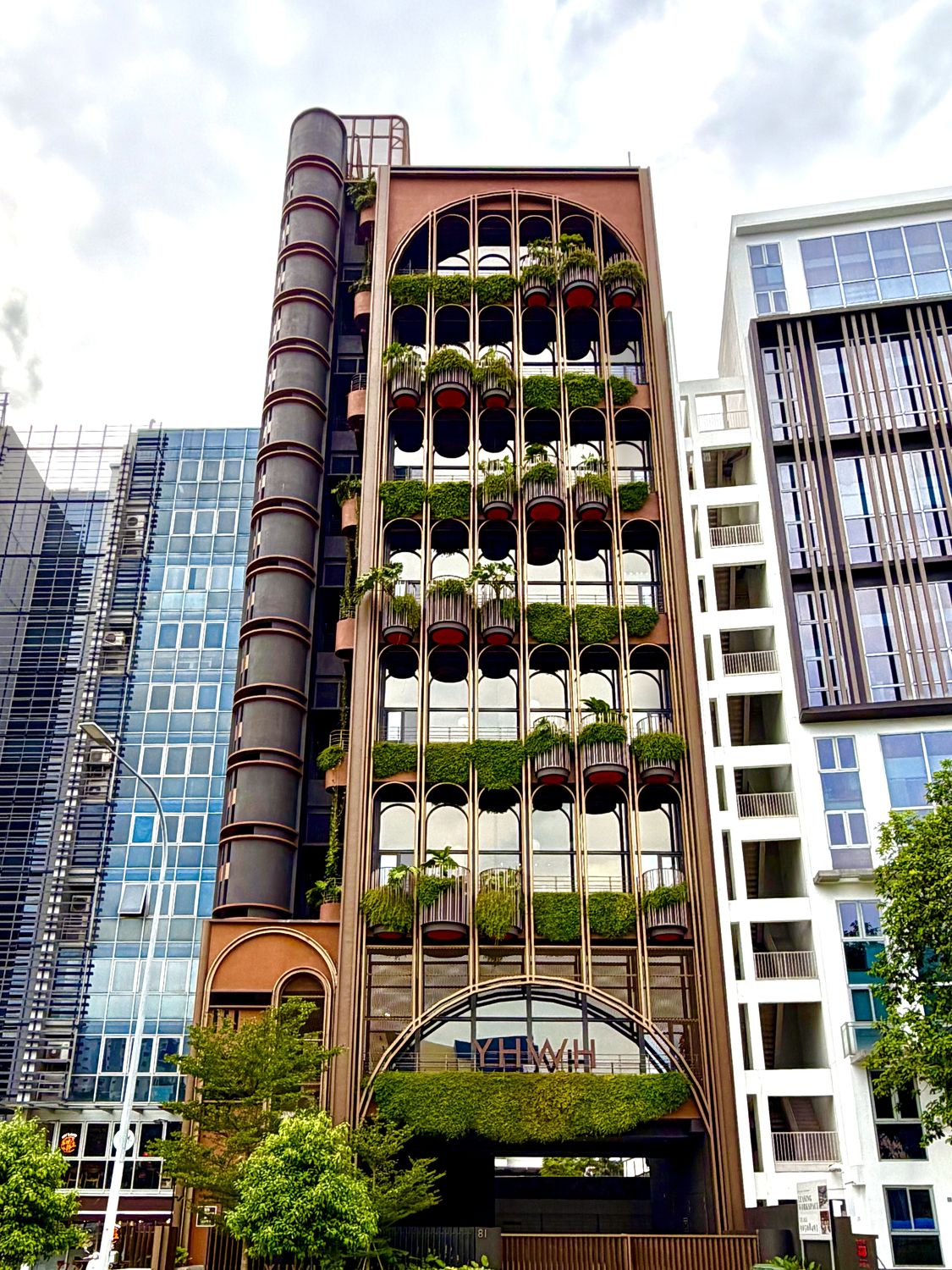
Exterior of the nine-storey, freehold industrial building at 81 Aljunied Road (Photo: Abiel Property Investment Group)
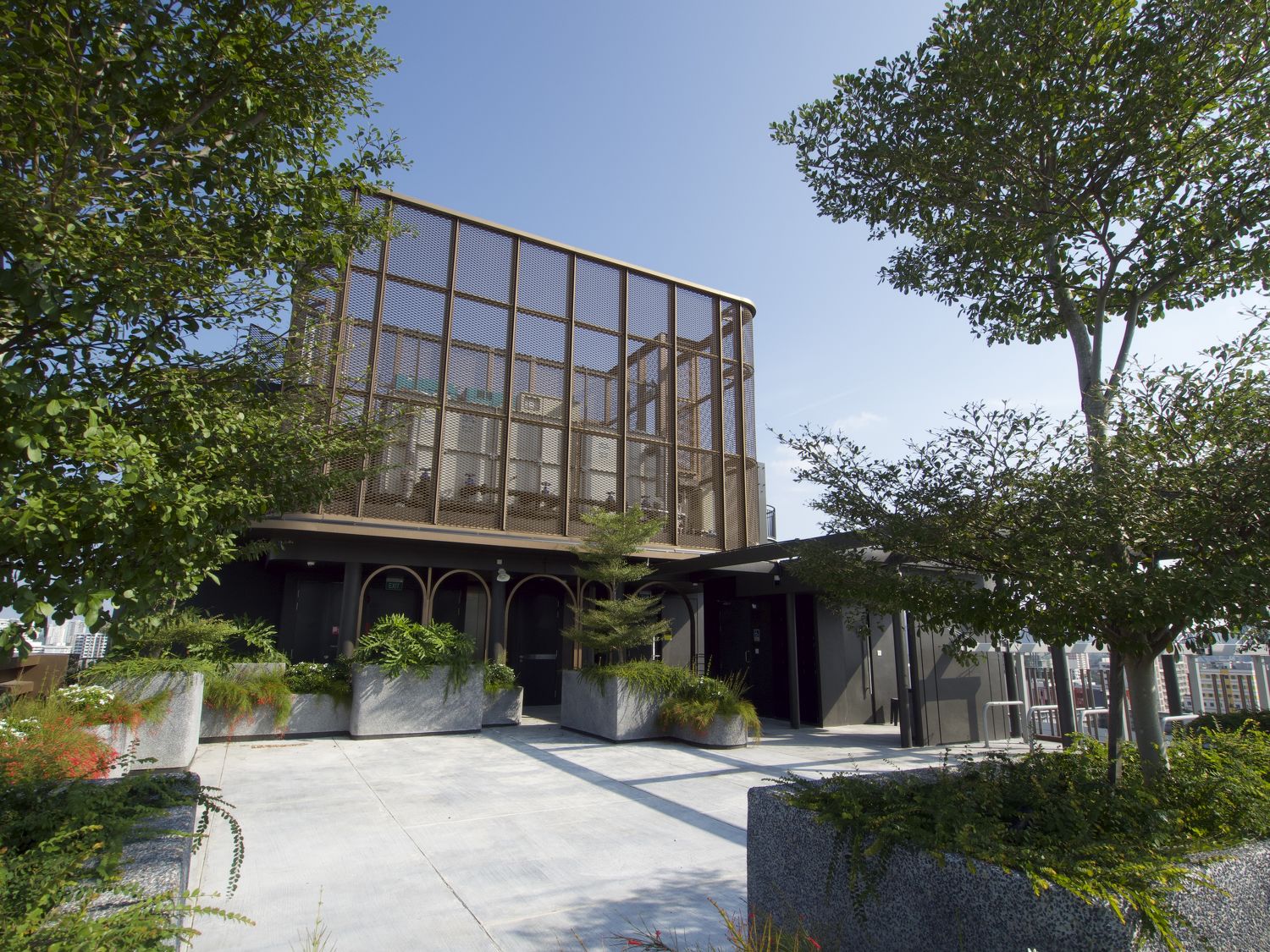
The open roof terrace for tenants to use (Photo: Abiel Property Investment Group)
Goh steered away from the heavy, conventional industrial facade in favour of vertical metal fins and arched frames. He notes that they introduce “a refined, contemporary-classical order”, which over time, will be softened by creepers and shrubs across the facade. The building was completed in 2024.
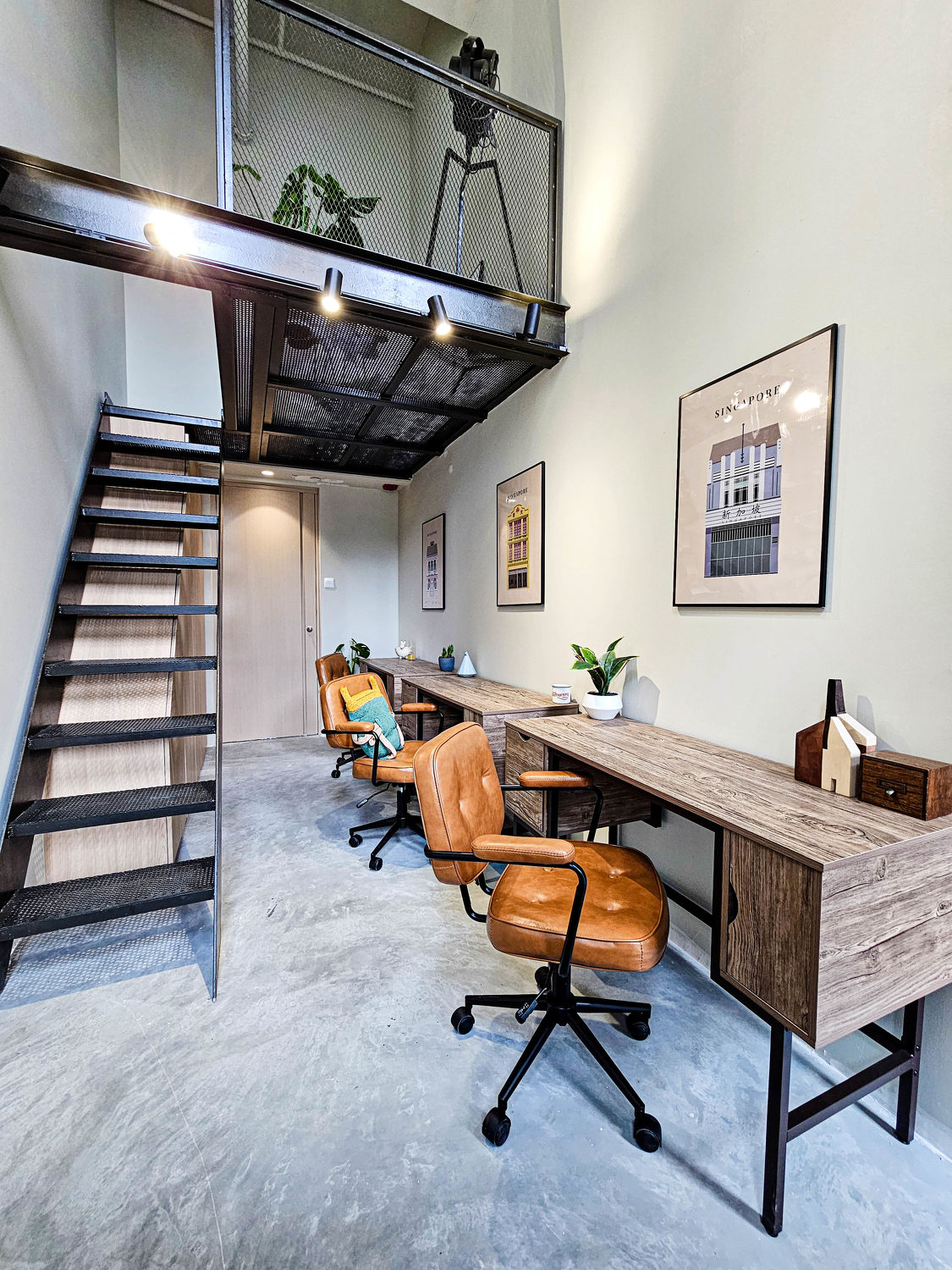
Beyond the façade, Abiel focused on functionality. Units feature double-volume ceilings of up to 6m and full-height windows. The firm also consulted start-ups and SMEs — its primary target tenants — to understand their operational needs.
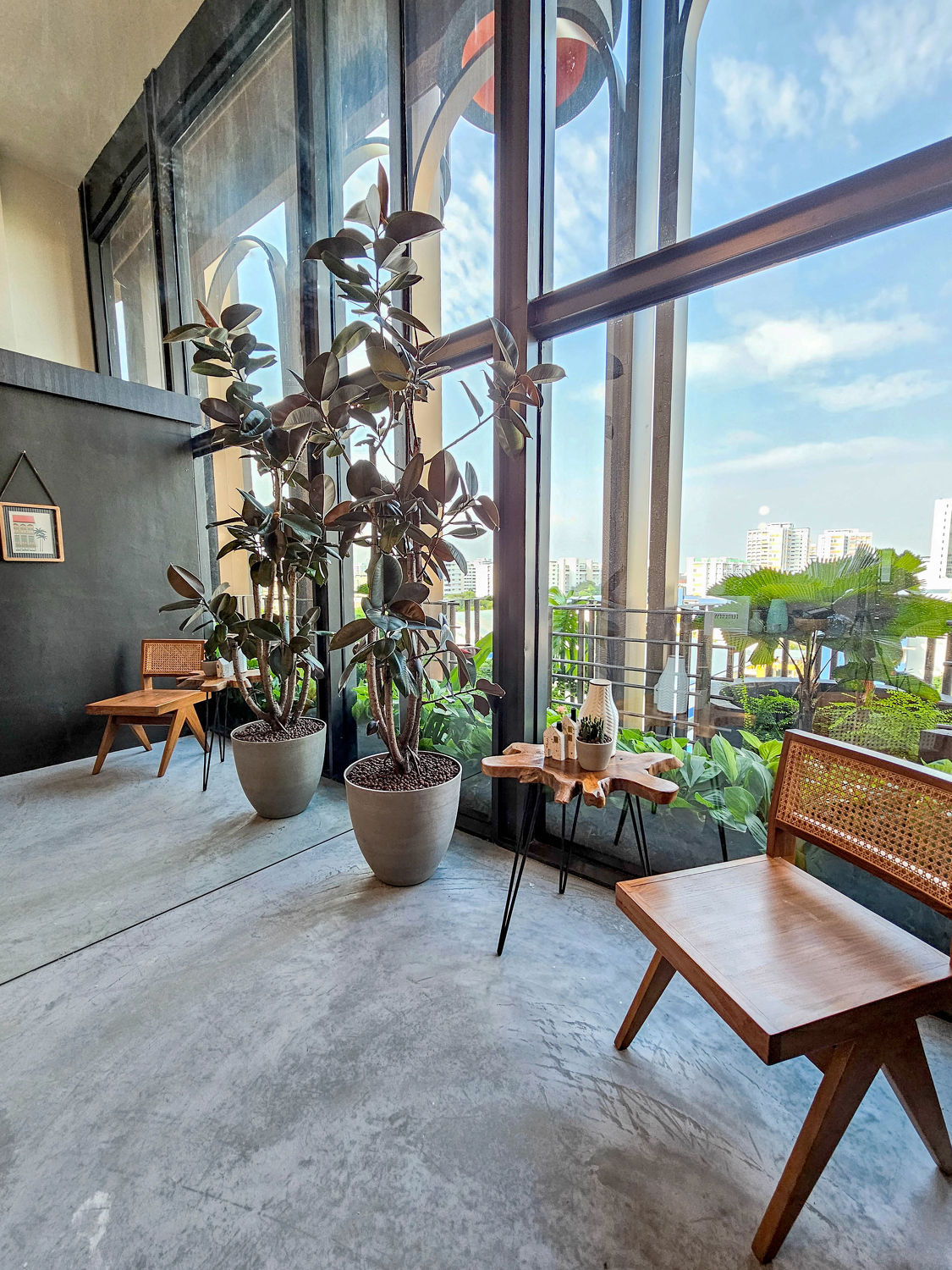
All units come with a double-volume ceiling of 6m and full-height glass windows (Photo: Abiel Property Investment Group)
One key concern was air-conditioning. “Most buildings have central air-conditioning that shuts off at a fixed time, typically 6pm,” says Li. “But many start-ups work long hours and want control over their own systems.”
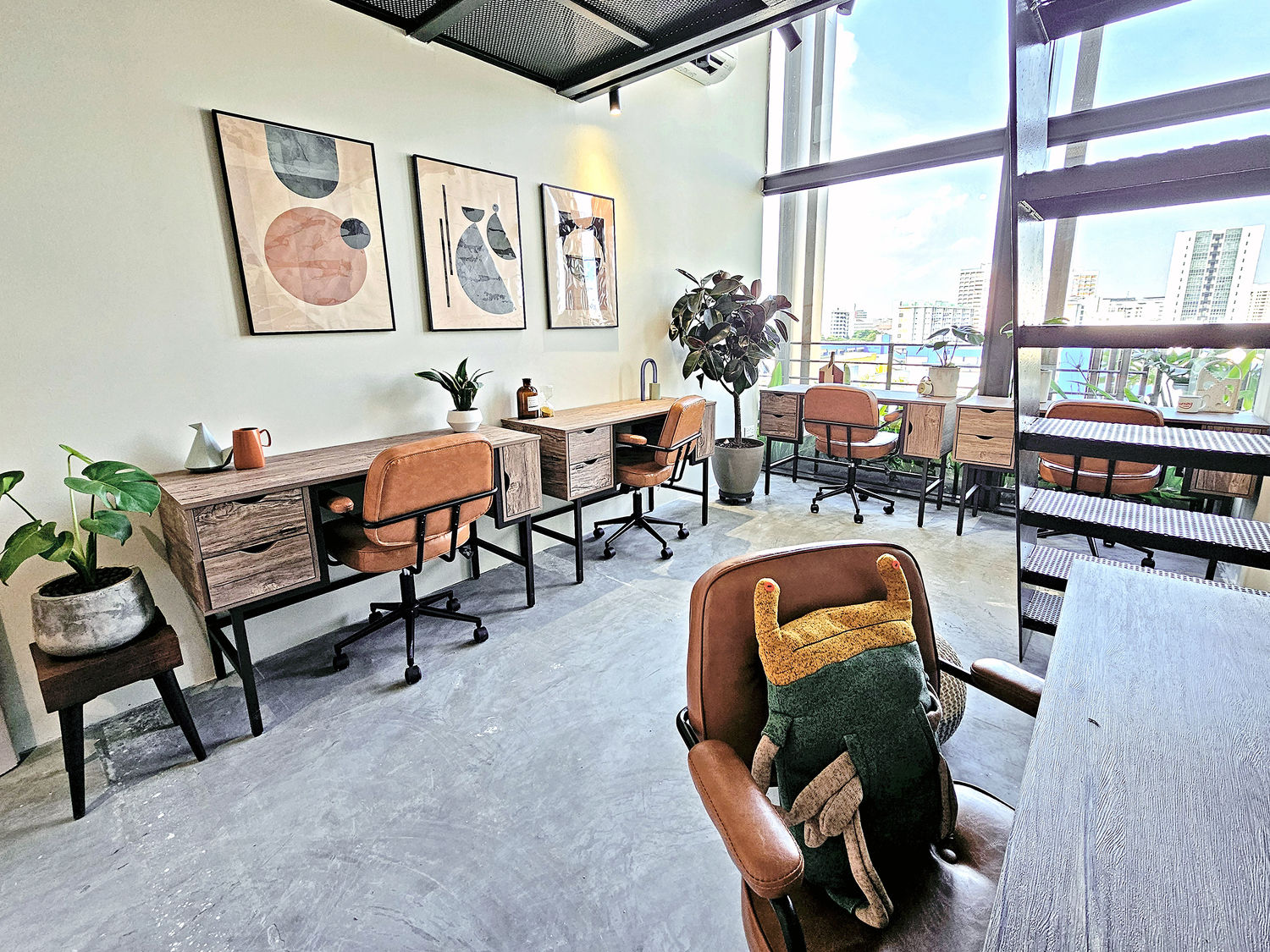
Above, left; and above, right: A workspace with mezzanine level at 81 Aljunied (Photos: Abiel Property Investment Group)
Another issue was hidden costs. “We bundled value-added services, including fit-out, so tenants don’t incur additional upfront or recurring costs beyond rent,” she adds.
The strategy has paid off. Since completion, 81 Aljunied Road is about 98% occupied, with average rents of around $8 psf — comparable to Grade B office space in the CBD.
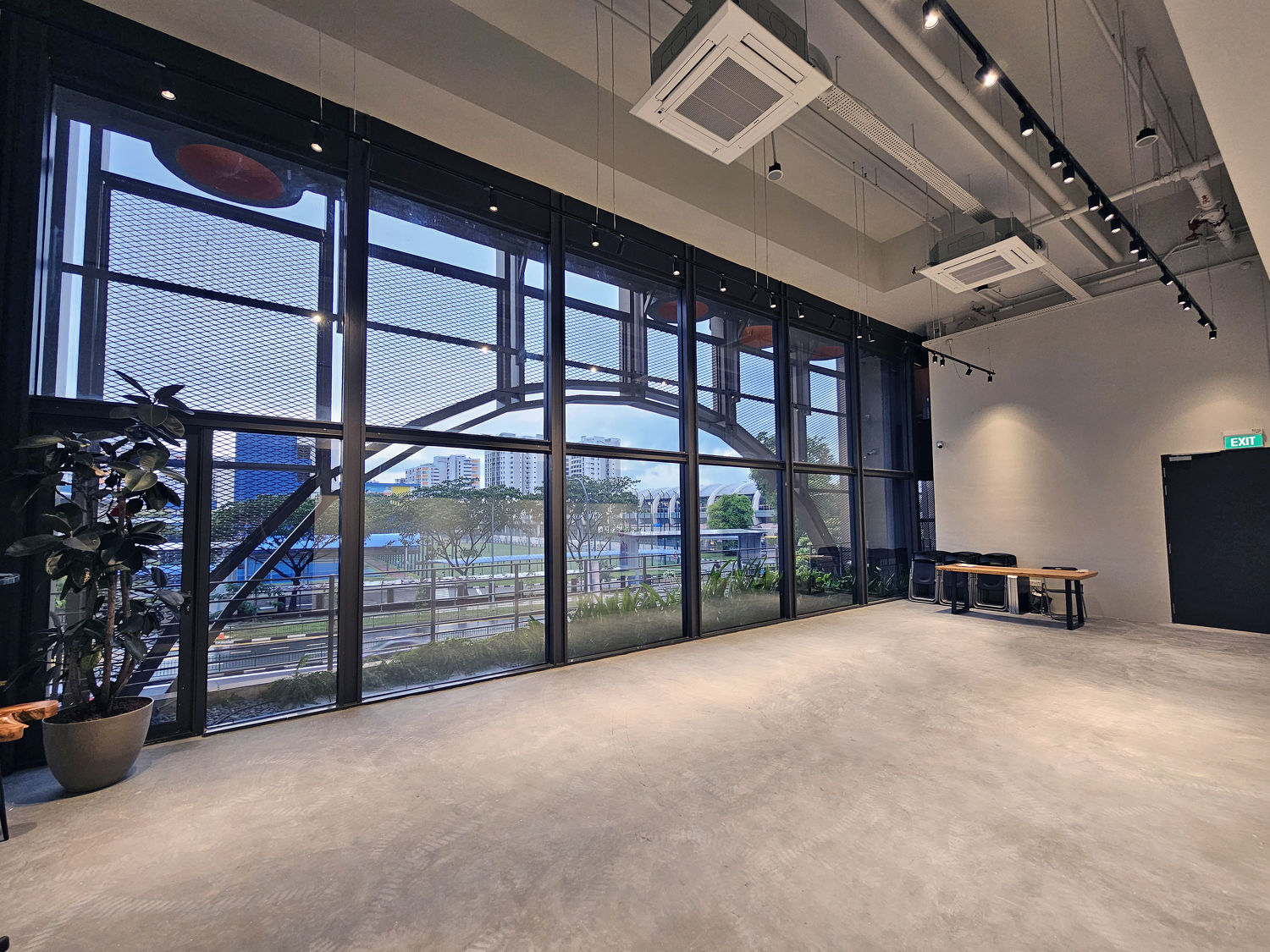
Multi-purpose space on the second level for the use of tenants of 81 Aljunied Road (Photo: Abiel Property Investment Group)
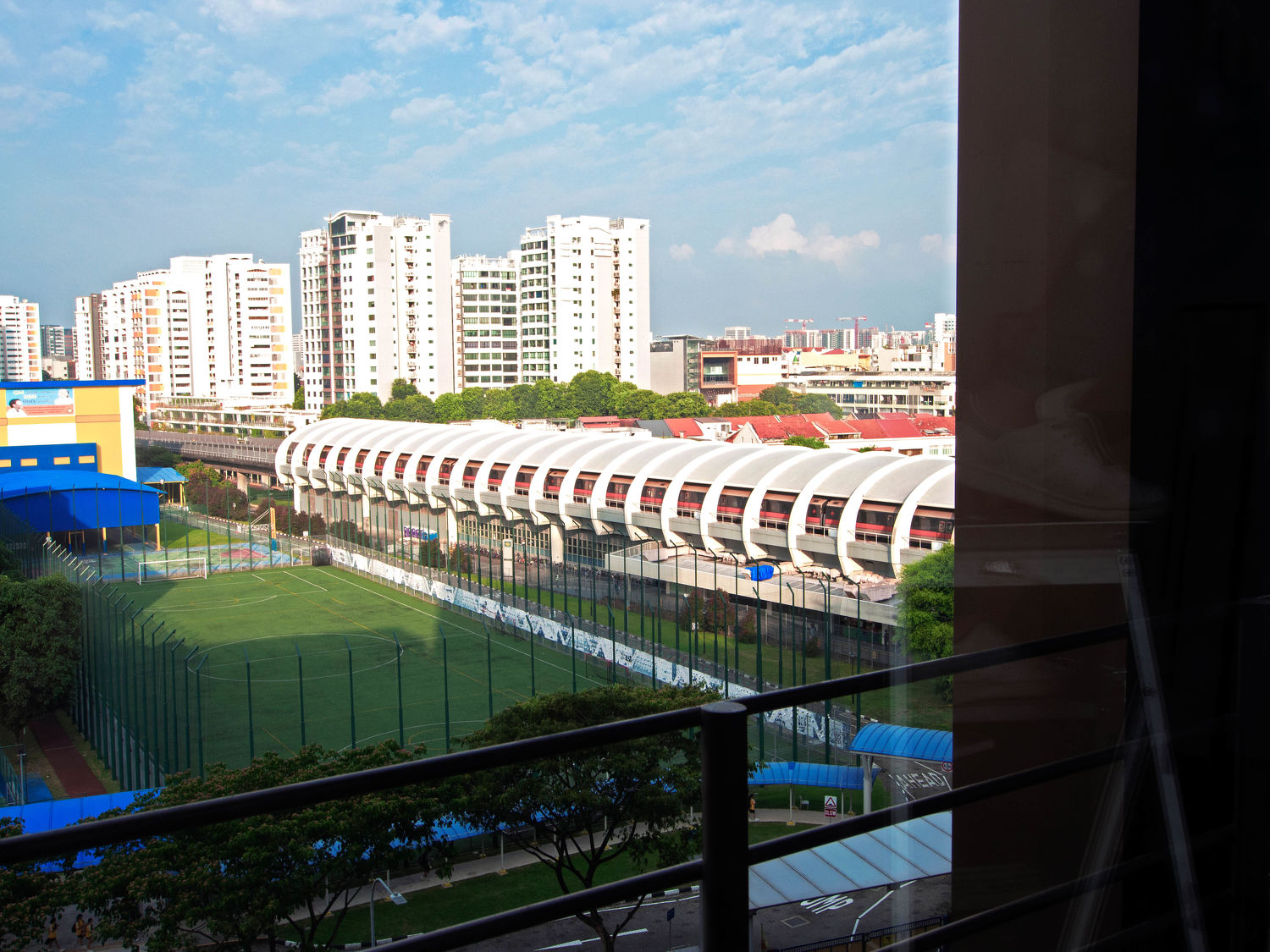
View of Aljunied MRT Station across the road from one of the balconies at 81 Aljunied (Photo: Abiel Property Investment Group)
Tenants span e-commerce, media, tech and light production sectors. Many are image-conscious businesses that host clients or events within their units. “They want flexible space, but they also care about branding and presentation,” she adds.
Scaling the concept
Following the success of 81 Aljunied Road, Abiel acquired adjacent freehold land at 84, 86 and 88 Lorong 23 Geylang. A nine-storey annex block is now under construction, also designed by FDAT.
Rather than mirroring the first building, Goh designed the rear block as “a refined iteration”. He reimagined the site as a connected, green urban space anchored by a central garden plaza. The plaza is publicly accessible via a 24-hour pedestrian pathway linking both blocks.
“Designed with steps, seating and greenery — and reinforced by overhead bridges — the space encourages movement, gathering and, over time, small shared activities,” he adds. There are plans to get URA approval to operate a café there.
The new block, targeted for completion in 1Q2027, will feature larger floor plates. This allows existing tenants to expand within the development rather than relocate.
Building a shophouse portfolio
Between 2022 and 2024, Abiel also acquired several conservation shophouses. These include a pair at 708 and 710 Geylang Road for $11.02 million in September 2022, followed by three adjoining units at 223, 225 and 227 Geylang Road for $18.68 million in February 2024, and a unit at 10 Jalan Pinang in Kampong Glam for $4.18 million a month later, based on caveats lodged.
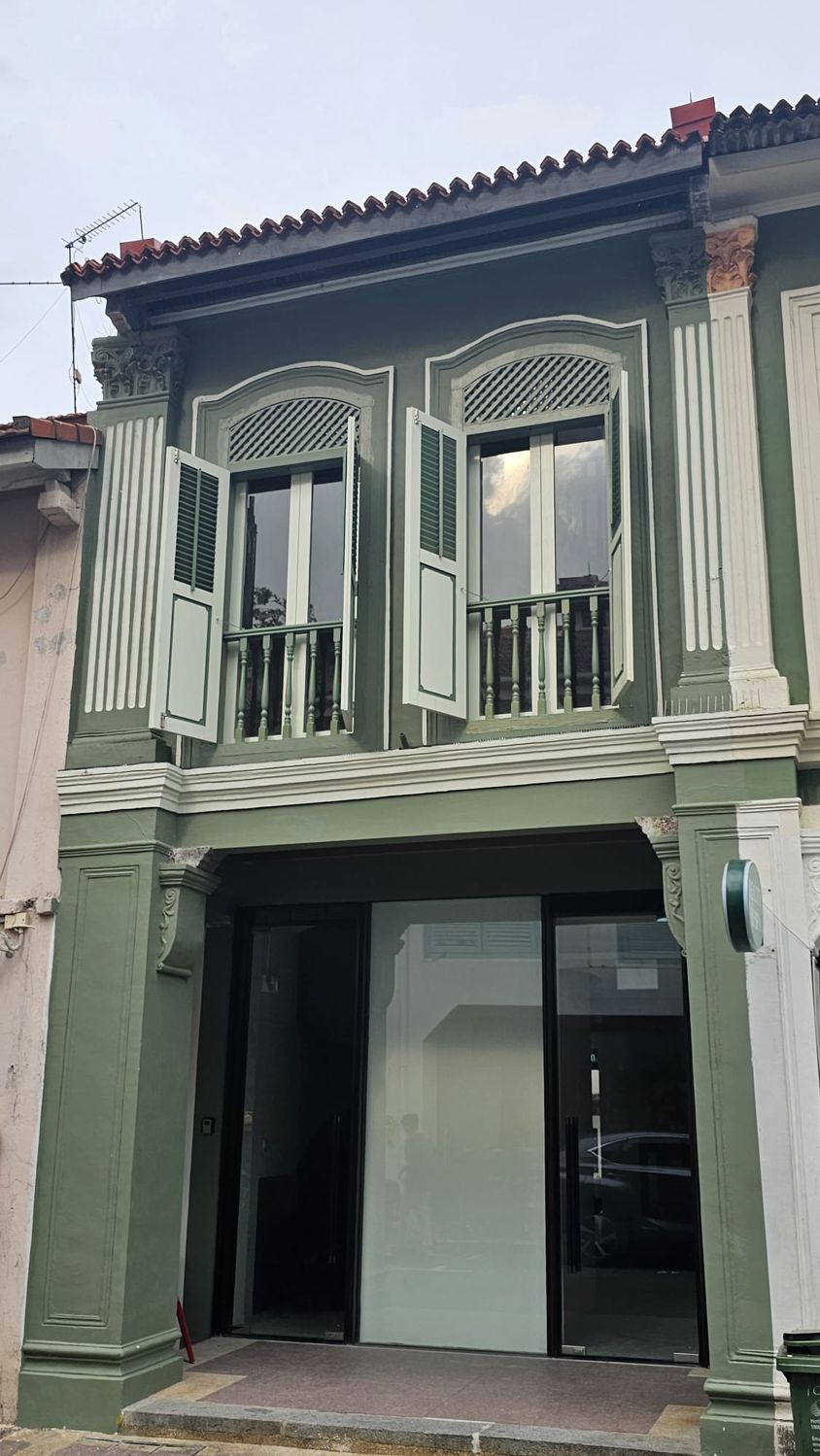
The exterior of the 2½-storey shophouse at 10 Jalan Pinang in Kampong Glam. Abiel acquired the shophouse for $4.18 million, and has refurbished the interiors. (Photo: Abiel Property Investment Group)
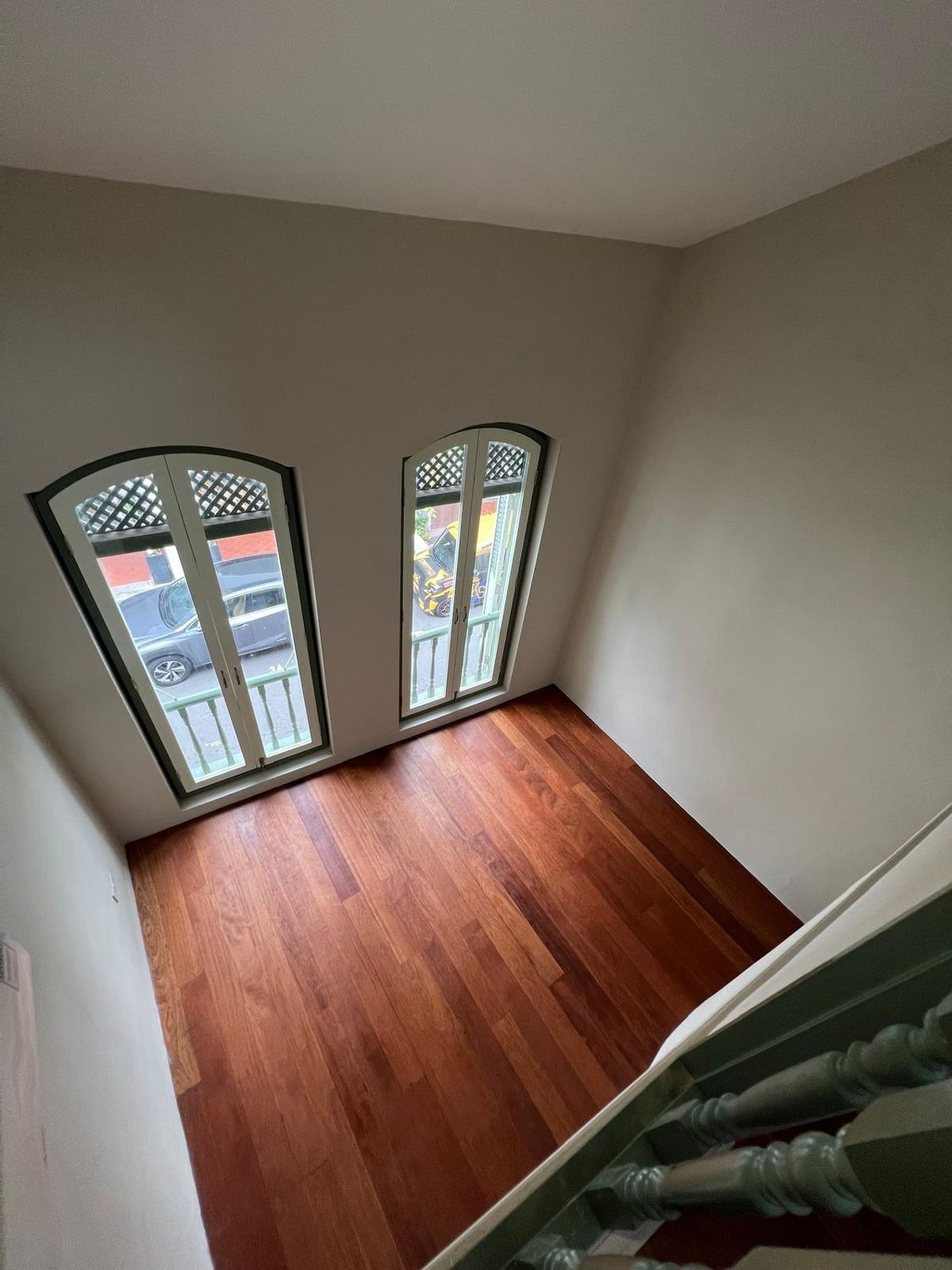
View of the second level from the attic at 10 Jalan Pinang (Photo: Abiel Property Investment Group)
“We liked Geylang because entry prices were attractive and the shophouses are freehold,” says Li. “We saw growth of 605% over 23 years, which is hard to find.”
Today, Abiel manages total assets of about $130 million.
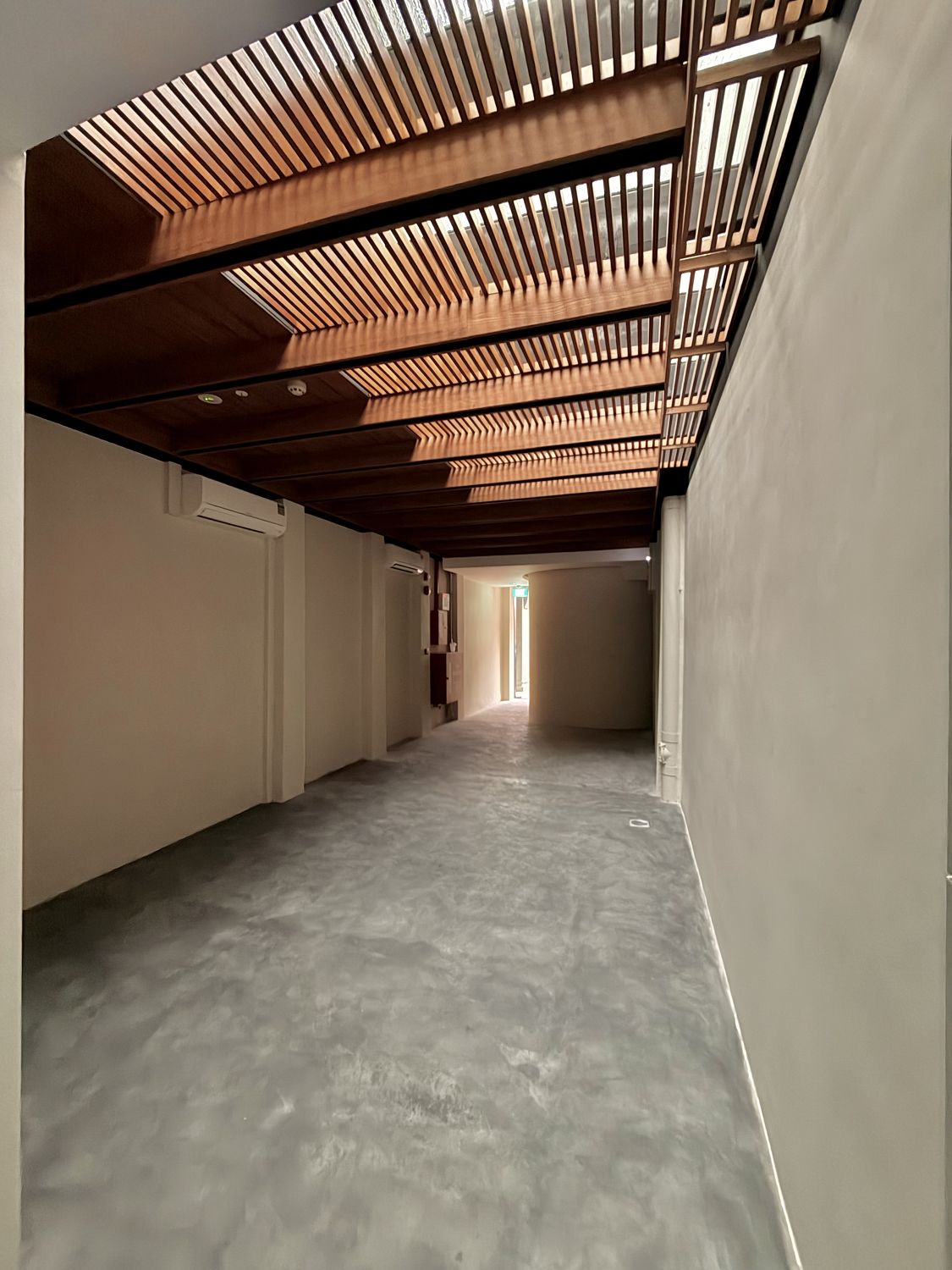
The interior of the first level of the shophouse at 10 Jalan Pinang (Photo: Abiel Property Investment Group)
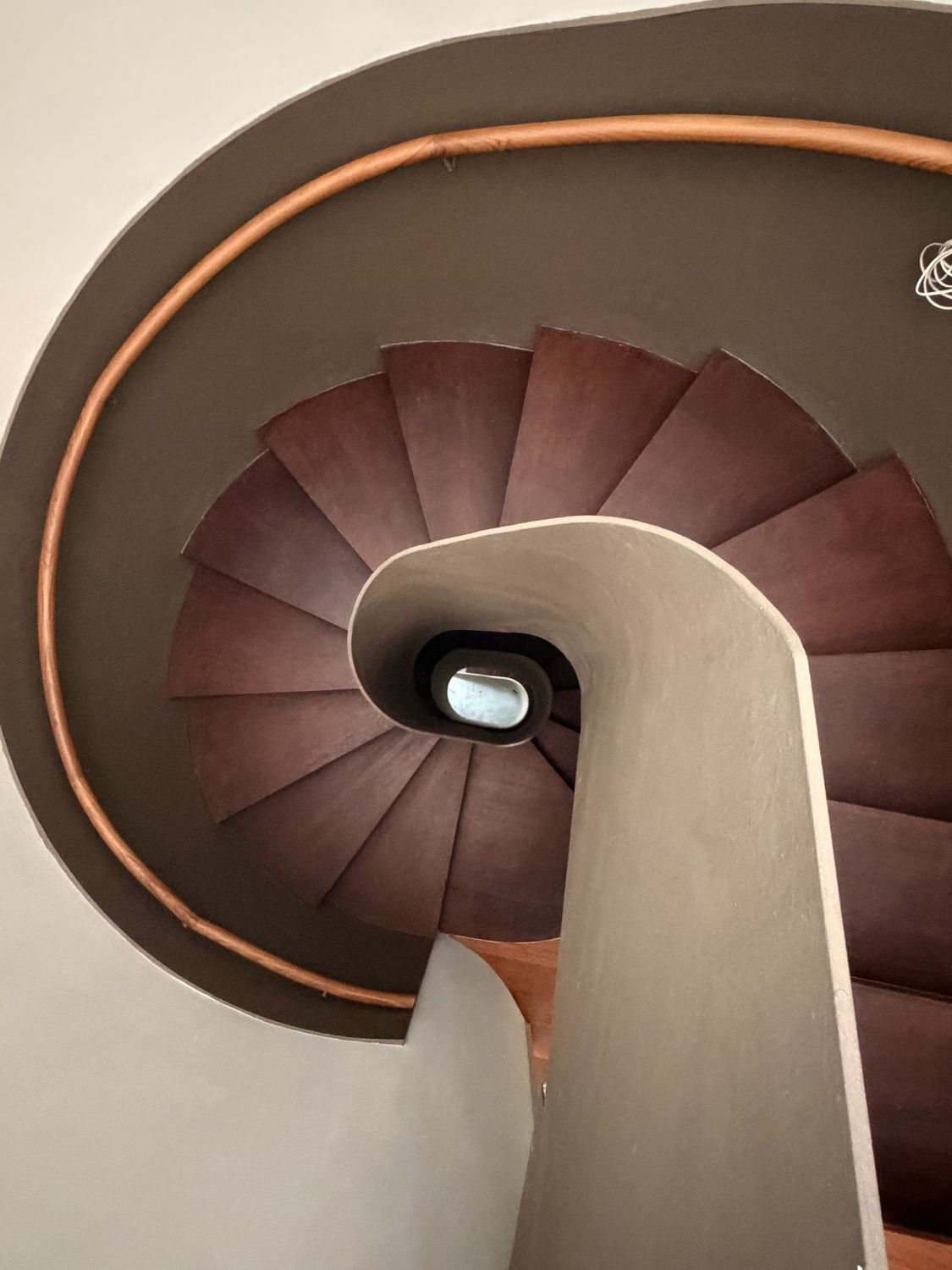
The spiral staircase that connects all levels of the shophouse at 10 Jalan Pinang (Photo: Abiel Property Investment Group)
Li launched the Abiel Real Estate Fund in July 2020, shortly after the firm entered the development and asset management business. The platform operates as a closed-end structure, but with a twist: Each asset is held in a separate fund, and co-investors are granted preferential and voting rights on reserved matters.
“We aim to acquire assets that can deliver double-digit returns for our investors,” she says.
In one instance, a Geylang Road shophouse was sold, delivering an estimated annualised return of about 20%.
Li continues to see opportunities in commercial shophouses. “What’s exciting is their flexibility — they can be used as offices, co-living spaces, hotels or F&B,” she says. “That flexibility helps protect downside risk while preserving capital.”
She adds: “I believe shophouses will remain a very compelling asset class.”

Maureen Li, Abiel Property Investment Group: What’s exciting about commercial shophouses is their flexibility — they can be used as offices, co-living spaces, hotels or F&B. That flexibility helps protect downside risk while preserving capital. (Photo: Abiel Property Investment Group)
For more news and analysis, read our weekly e-paper. Prefer a print copy? Get it delivered to your home every Monday.
Follow Us
Property updates, 24/7.


Subscribe to Newsletter
Market insights, delivered weekly.
Top Articles
Search