Property market sentiment dips in 4Q2025 as global uncertainties cloud outlook: NUS index

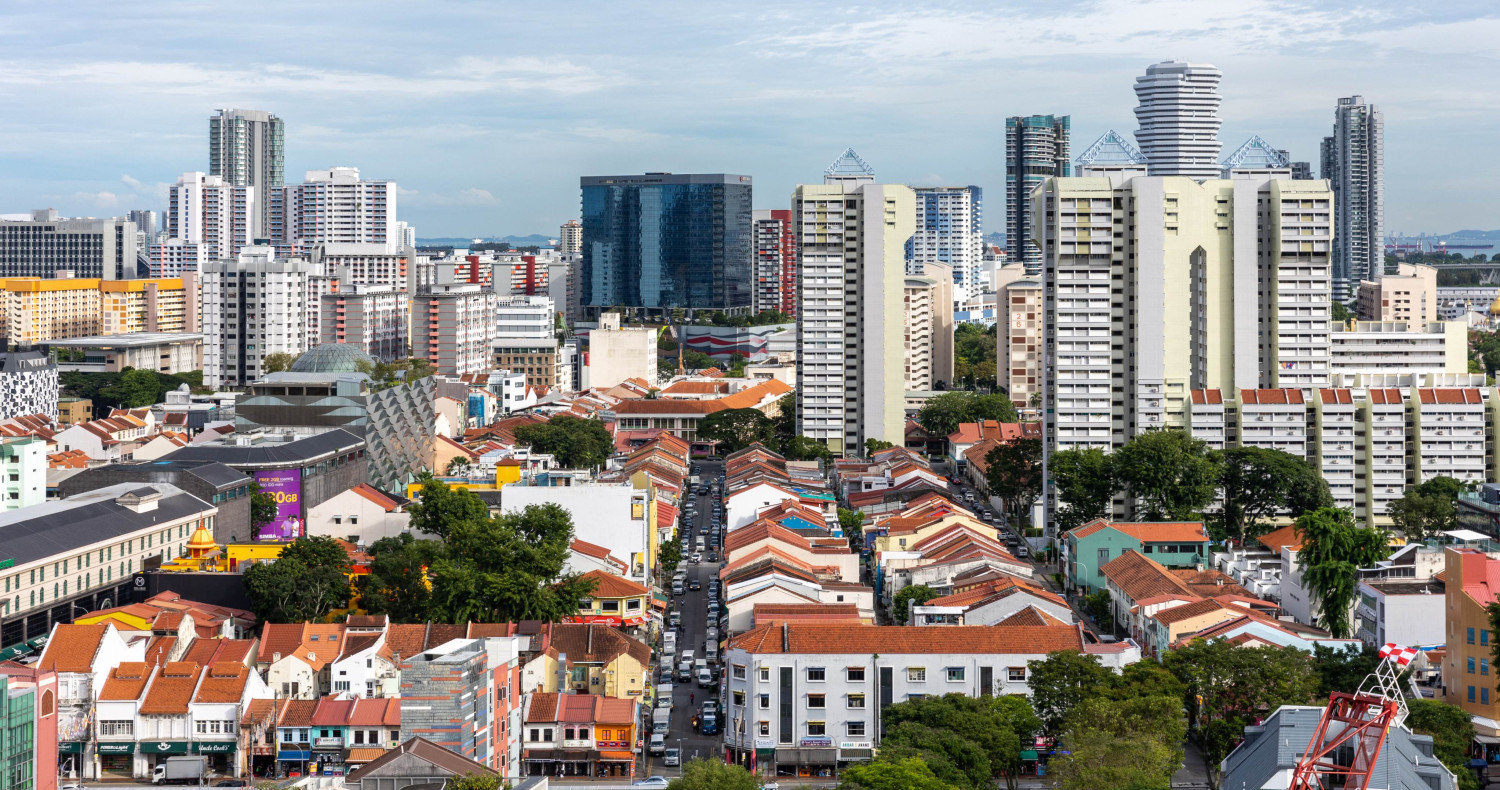
The 4Q2025 Real Estate Sentiment Index declined in 4Q2025, amid growing caution over geopolitical tensions worldwide (Picture: Samuel Isaac Chua/EdgeProp Singapore)
Sentiment in the Singapore property market is growing cautious amid unfolding global uncertainties. The 4Q2025 Real Estate Sentiment Index (Resi), published by the National University of Singapore’s (NUS) Department of Real Estate and Institute of Real Estate and Urban Studies (Ireus), showed that the Composite Sentiment Index declined to 5.8 in 4Q2025, from 6.1 in the previous quarter.
The Resi, which is published quarterly, surveys senior executives in real estate firms to provide an alternative measure of private real estate market performance. It comprises a Current Sentiment Index that tracks changes in sentiment over the past six months, while a Future Sentiment Index tracks changes in sentiment over the next six months.
The Composite Sentiment Index combines the current and future indices to derive an indication of overall market sentiment. Resi scores range from 0 to 10, reflecting the extent of pessimism and optimism of the survey respondents.
Advertisement
Advertisement
The dip in the Composite Sentiment Index comes amid diverging current and future sentiments among market players. The Current Sentiment Index stayed unchanged at 6.1 in 4Q2025, reflecting confidence across both the sell and buy sides of the market, said NUS in a March 10 release.
In addition, among developers surveyed, 50% anticipate unit prices of new launches over the next six months to be “moderately higher”, while the remaining 50% expect prices to remain consistent with the last quarter.
However, the Future Sentiment Index declined, going from 6.0 in 3Q2025 to 5.5 in 4Q2025. NUS posits that the “notable decline” stems from uncertainties arising from geopolitical tensions worldwide.
“Being a heavily export-oriented country, Singapore is particularly vulnerable to global shifts in trade and politics, so while our domestic fundamentals remain sound, the survey reflects a clear sense of caution regarding the external environment,” remarks Qian Wenlan, director of the NUS Ireus.
Risk of a slowdown or decline in the global economy was top of mind for developers, with 71% of the Resi survey respondents indicating this as a primary concern for the next six months. Additionally, 53% of respondents are concerned about potential job losses and a decline in the domestic economy over the same period, while 47% are concerned about rising construction costs.
In light of the external risks, more industry players may be prompted to pivot away from aggressive growth strategies in favour of more risk-averse approaches, or more conservative ways of raising capital, she says.
Advertisement
Advertisement
Overall, the market indicates a more tempered sentiment, as participants brace for potential risks. “On the whole, survey results paint a picture of an industry that is still healthy but is proactively preparing for a potential hard landing,” Qian remarks.
Follow Us
Property updates, 24/7.
Subscribe to Newsletter
Market insights, delivered weekly.