Singapore office workers seek flexible work hours amid return-to-office push: JLL
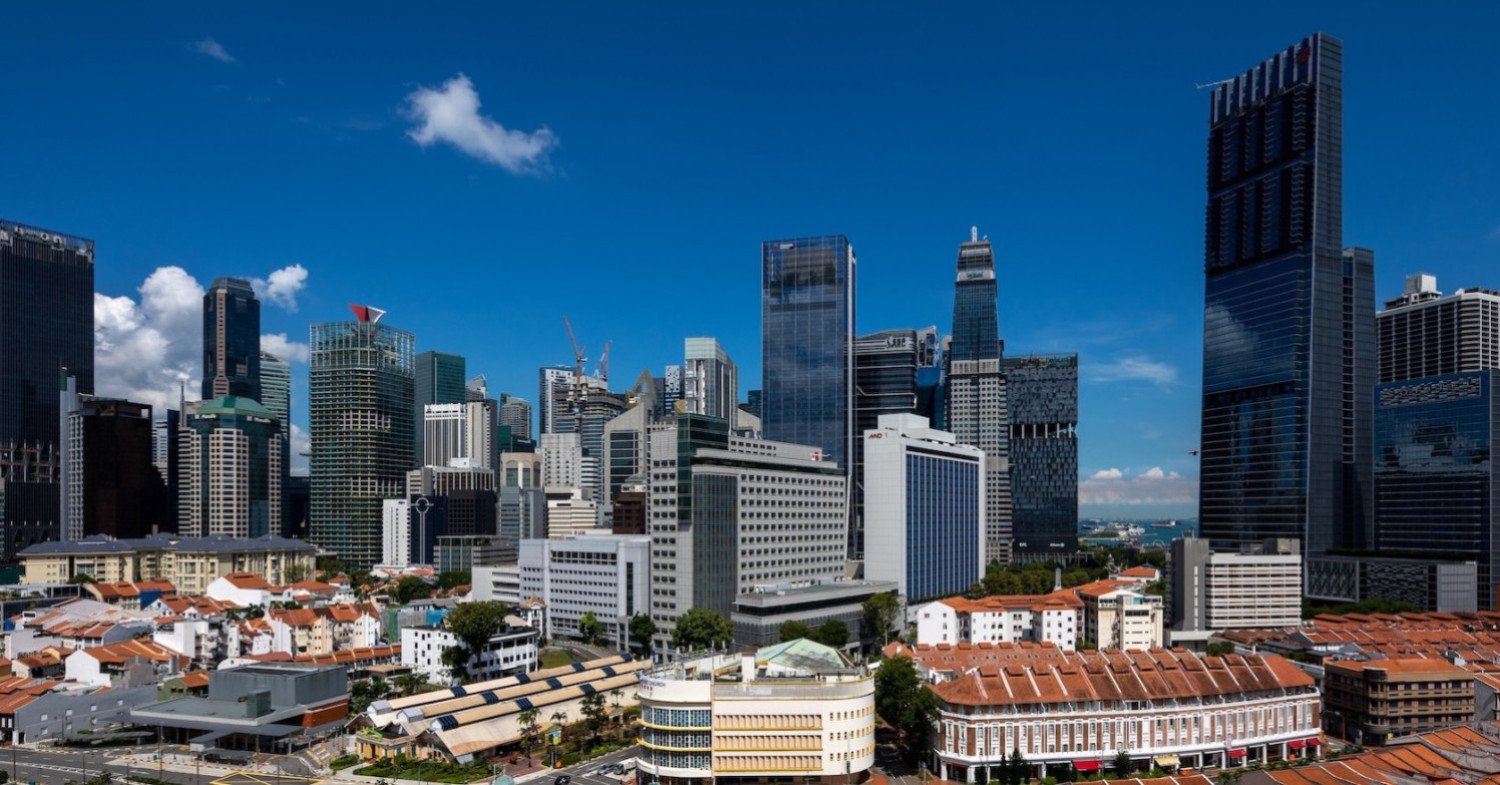
About 63% of employees polled reported a positive sentiment about their company’s RTO mandate, largely underpinned by the belief that collaboration thrives with in-person facetime with colleagues, along with a preference for working in the office over other locations. (Photo: Samuel Isaac Chua/EdgeProp Singapore)
A new JLL survey has found that Singapore office workers are increasingly prioritising flexibility and wellbeing in response to the return to the office. The firm’s 2025 Workforce Preference Barometer, which surveyed 500 employees in Singapore, revealed that 69%, or about seven in 10 employees, are now subject to structured return-to-office (RTO) policies, similar to the regional average of 71%.
The RTO policies span from full-time RTO mandates to a hybrid structure. In Singapore, 26% of employees surveyed are back in the office full-time, while 42% follow a hybrid structure, with one to four days in the office. The remaining 31% do not have a structured mandate.
About 63% of employees polled reported a positive sentiment about their company’s RTO mandate, largely underpinned by the belief that collaboration thrives with in-person facetime with colleagues, along with a preference for working in the office over other locations.
Advertisement
Advertisement
However, JLL notes that as Singapore employees adapt to being back in the office, workers' needs are also evolving, with a higher focus being placed on wellbeing and time autonomy. This comes amid growing burnout risk, with 49% of those surveyed reporting feelings of burnout due to work pressures, higher than the Apac average of 41%.
In response, flexibility in working hours has become a sought-after benefit. Currently, only 41% of those polled have access to flexible work hours, despite 64% wanting such arrangements, pointing to a 23% gap between employee demand and current RTO policies. In addition, over half, or 61%, of employees indicated they would choose a new employer based on flexibility, higher than the Apac average of 54%.
In terms of amenities, while Singapore workers are generally satisfied with essential workplace provisions such as desks and the ability to sit with team members, gaps remain in terms of wellness and culture features. The biggest areas for improvement highlighted by employees include access to outdoor and wellness spaces, recharge zones and creative environments. Other perks sought after include food services, with four in 10 Singapore workers wanting free lunches in return for RTO mandates.
Training around artificial intelligence (AI) is also an emerging factor. While roughly 71% of Singapore employees surveyed have received some training around AI, only 30% feel confident in applying AI tools at work, signalling the need for employers to continuously upskill employees to future-proof talent and remain competitive.
Ultimately, while Singapore’s office professionals have embraced RTO policies, their expectations around time autonomy, wellbeing and digital upskilling are advancing rapidly, says Kamya Miglani, head of work dynamics research at JLL Asia Pacific. “To attract and retain top talent, organisations must move beyond mandates and invest in meaningful flexibility, holistic wellbeing, and lifelong learning opportunities,” she adds.
Follow Us
Property updates, 24/7.
Subscribe to Newsletter
Market insights, delivered weekly.