
What the AI shift means for data centre investors in Asia Pacific: APREA report

/ EdgeProp Singapore
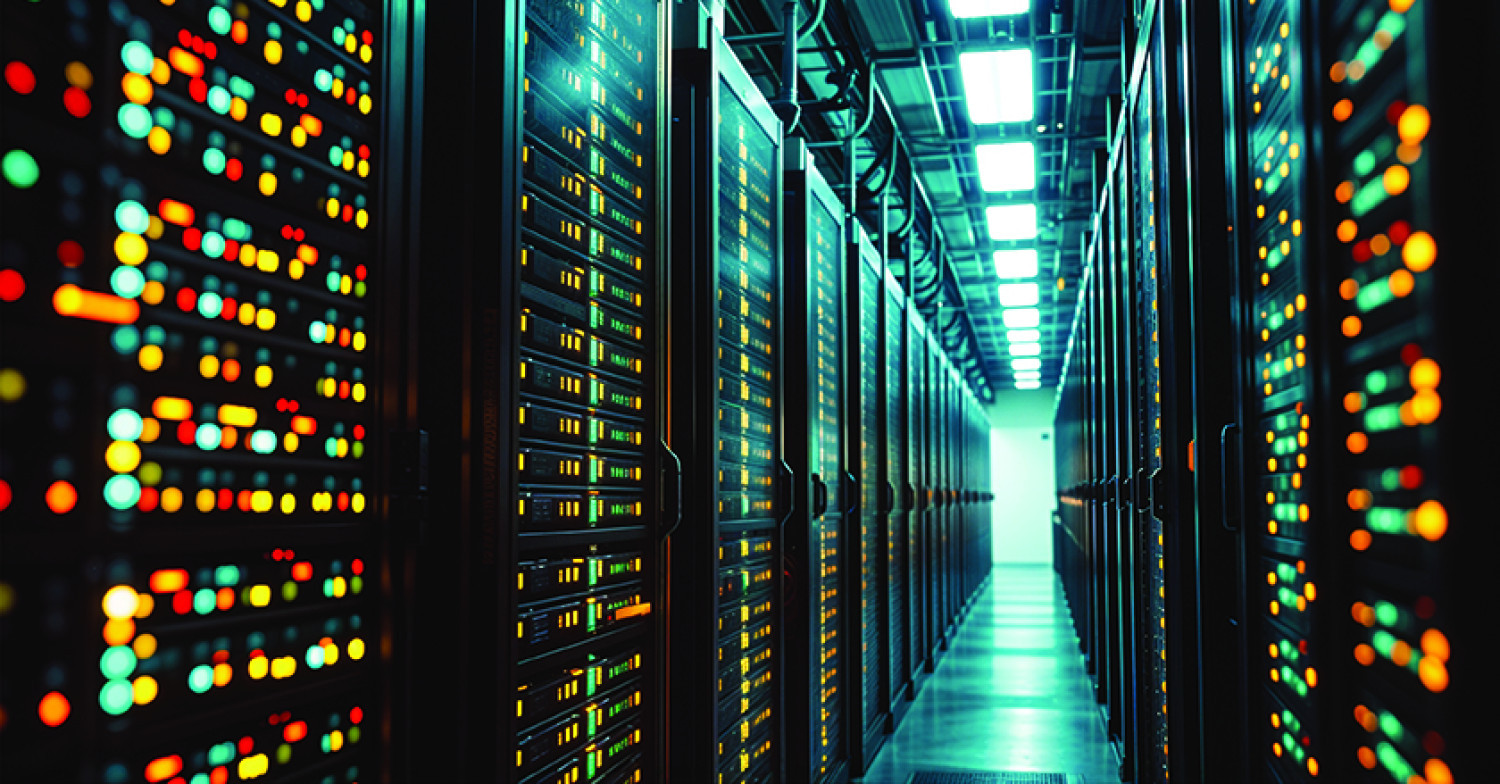
As primary data-centre markets such as Singapore, Tokyo and Sydney face constraints, some capital is moving to secondary markets like Johor Bahru, Osaka and Melbourne. (Photo: Shutterstock)
As AI adoption picks up pace, demand for data storage, processing capacity and network connectivity continues to grow rapidly.
This has resulted in an extensive infrastructure buildout in Asia Pacific (Apac) driven by data centres, which have evolved into critical assets attracting global capital, specialised developers and long-term investors.
Building data centres for the AI age fundamentally differs from traditional real estate development. This growth brings implications for investors and policymakers — from securing reliable power supply and navigating land use regulations, to structuring financing models and managing long-term operational risks — according to the latest insights report compiled by the Asia Pacific Real Assets Association (APREA), The Age of AI in Real Assets.
Advertisement
Advertisement
This shift is drawing institutional investors who are seeking predictable yields and applying infrastructure capital-allocation logic, law firm S&R Associates writes in the report.
Unlike traditional commercial real estate, where location and square footage drive value, data centre assets are valued primarily on technical specifications — including secured contracted power, connectivity density and operational uptime, note Aakanksha Joshi, partner, and Deborshi Barat, head of public policy and knowledge management, at S&R Associates.
Power, cooling, land use, interconnectivity and specialised financing are key to successful development and investment in this sector, they add. Each factor presents distinct challenges and opportunities.
Power: The new currency
Data centres consume immense amounts of electricity and AI is making the power challenge acute. The availability of reliable energy and access to it have become defining constraints of the asset class.
Power scarcity is reshaping how investors evaluate projects, driving new underwriting models, especially in mature markets like Japan, where power availability can lag behind project deadlines, says CBRE senior managing director of data centre solutions for Apac, Matt Madden, in the APREA report. Data centre valuations now prioritise power above other factors.
“Grid-ready sites have sparked fierce competition for bids as technology companies scramble for locations with access to power and water, in turn creating new markets as existing hubs struggle with capacity,” Madden notes.
Advertisement
Advertisement
That said, grid access does not make a site AI-ready. Many grid-connected sites fail to meet deployment standards once detailed technical assessments are completed, which reinforces why truly AI-capable locations are scarce and command a premium, he adds.
More operators are also exploring hybrid renewable contracts, open-access sourcing and captive generation, according to Ashish Kumar Verma, general manager for technical development at Tabreed India, a district cooling firm. This is because operators can no longer sustain margins on conventional power alone, as AI workloads consume five to six times more energy than before.
“We foresee the emergence of captive renewable energy parks where data centre campuses are either co-located or directly linked to gigawatt-scale solar and wind farms through long-term PPAs (power purchase agreements),” Verma writes in the report.
Cooling tech comes to the fore
As power intensity rises, cooling requirements are evolving in parallel. When servers overheat, equipment can fail and downtime becomes costly, which is why cooling technology affects both upfront capital expenditure and ongoing operational costs, the S&R Associates authors note.
The industry is moving away from older, water-intensive evaporative systems — which pose a risk in areas facing water scarcity — and towards more efficient and sustainable alternatives, according to S&R’s Barat and Joshi.
Tabreed India’s Verma expects the next generation of hyperscale and colocation data centres to adopt liquid cooling and immersion cooling technologies. These allow for denser compute and lower operational footprints, while being more thermally efficient and reducing water footprint when designed intelligently.
Advertisement
Advertisement
District cooling and cooling-as-a-service (CaaS) models, already tested in commercial real estate, could be applied in the data centre ecosystem, too, Verma suggests. “By outsourcing thermal infrastructure to specialised operators, developers can free up capital, improve uptime, focus on digital operations and align with sustainability mandates,” he adds.
The rise of secondary markets
As primary markets like Singapore, Tokyo and Sydney face constraints, CBRE has observed some capital moving to secondary markets, such as Tier 2 cities, or even nearby locations in other countries, says Madden. This shows how investors are now considering markets they previously would have discounted.
For example, when Singapore paused development, neighbouring Johor Bahru, Malaysia and Batam, Indonesia emerged as the primary beneficiaries. Initially farmland, Johor has transformed into a key data centre hub over the last four years. Its proximity to Singapore allows it to serve the same demand with similar latency but without the land and power constraints, Madden notes.
Meanwhile, Thailand is aggressively positioning itself with fast-track programmes for data centre permits and clearer land use rights, as it aims to capture the spillover from regional constraints.
In Japan, as Tokyo has become more land-constrained and expensive, Osaka has become a secondary hub. Likewise in Australia, Melbourne is now the fastest-growing region, set to overtake Sydney in total capacity by 2027.
These so-called “AI adjacency markets” share common traits such as cheaper land, ample power supply and governments willing to cut red tape, CBRE’s Madden says. In his view, such markets are poised to fuel the next wave of AI-powered machine learning models for predictive analytics, data-based decision-making and content localisation.
How investors can participate
While data centres are capital-intensive, they are versatile in offering multiple entry points for investors to gain exposure, notes Aashiesh Agarwaal, senior vice president of research and investment advisory at Anarock Capital Advisors.
The options range from listed equity, to direct stakes in data centre operators through platform investments. Other routes include dedicated data centre REITs, ancillary and infrastructure plays such as power solutions and connectivity, as well as green bonds and sustainable finance.
Before committing capital, Agarwaal suggests investors evaluate the power and PPA risks, land and regulatory compliance, customer concentration, technology and obsolescence, environmental impact and potential exit routes.
For more news and analysis, read our weekly e-paper. Prefer a print copy? Get it delivered to your home every Monday.
https://www.edgeprop.sg/property-news/what-ai-shift-means-data-centre-investors-asia-pacific-aprea-report
Follow Us
Property updates, 24/7.


Subscribe to Newsletter
Market insights, delivered weekly.
Related Articles
Advertisement
Advertisement
Advertisement
Top Articles
Search