
Providence Capital eyes community-led industrial play at freehold Generations @ Tannery

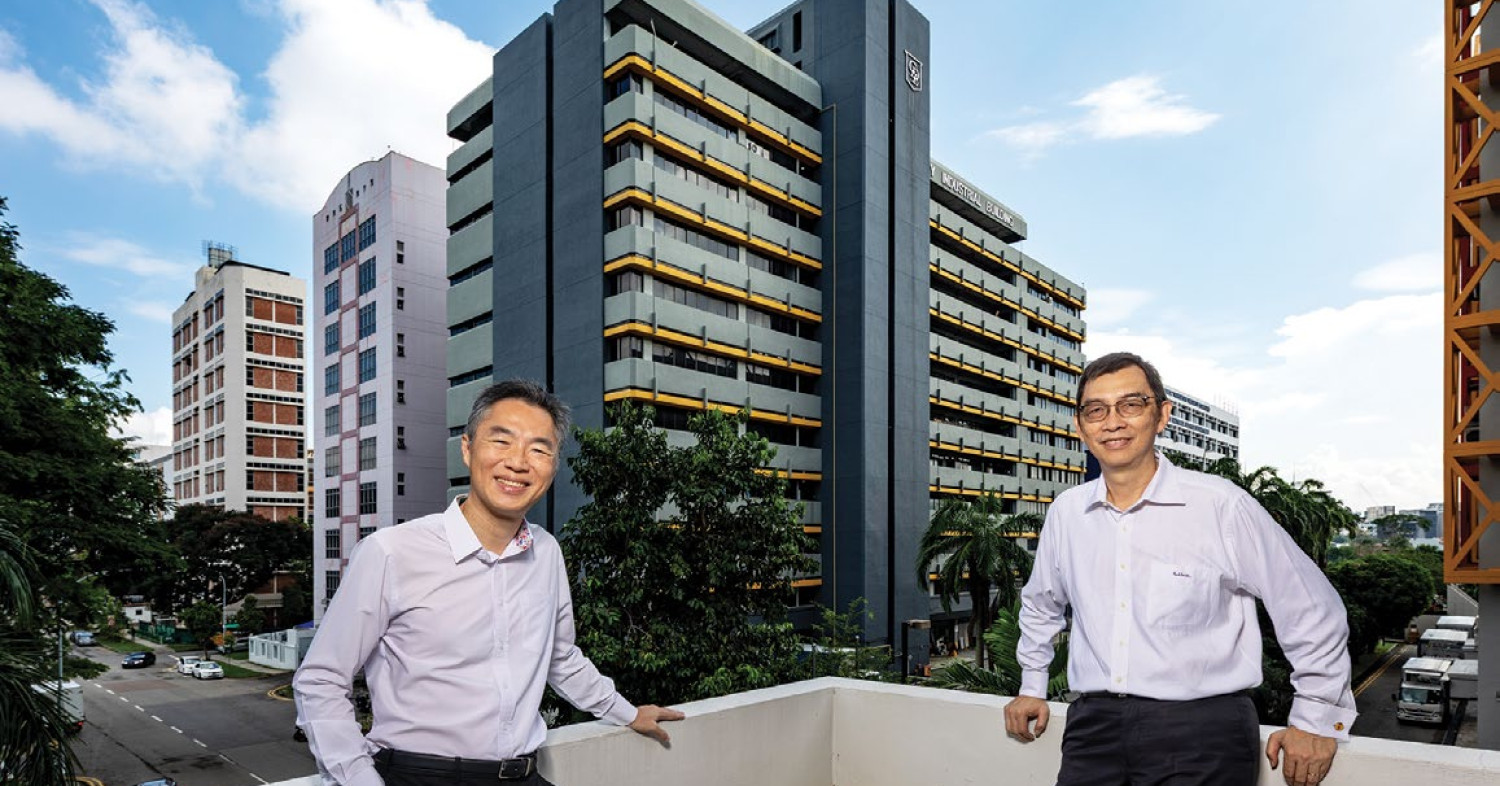
Daniel Long (left) and Terrance Tan, co-founders, managing partners and equal shareholders of Providence Capital Management
In mid-2025, Daniel Long and Terrance Tan, managing partners of Providence Capital Management, acquired the former City Industrial Building at 71 Tannery Lane — a freehold industrial asset in the ageing MacPherson-Mattar-Aljunied estate.
They plan to redevelop it into Generations @ Tannery, an industrial project that reflects a broader shift in how such spaces are designed and used.
Providence Capital believes the precinct is on the cusp of a quiet transformation — driven as much by shifting demographics as by gradual industrial renewal.
Built in 1976, the existing building is an 11-storey flatted-factory on a 33,948 sq ft freehold site. With a plot ratio of 5.14, it can yield a maximum gross floor area of over 174,000 sq ft.
The asset was City Developments’ last legacy industrial property, divested as part of a capital recycling programme that unlocked about $2 billion through a series of sales last year, including its 50.1% stake in South Beach, Piccadilly Galleria and Quayside Isle.
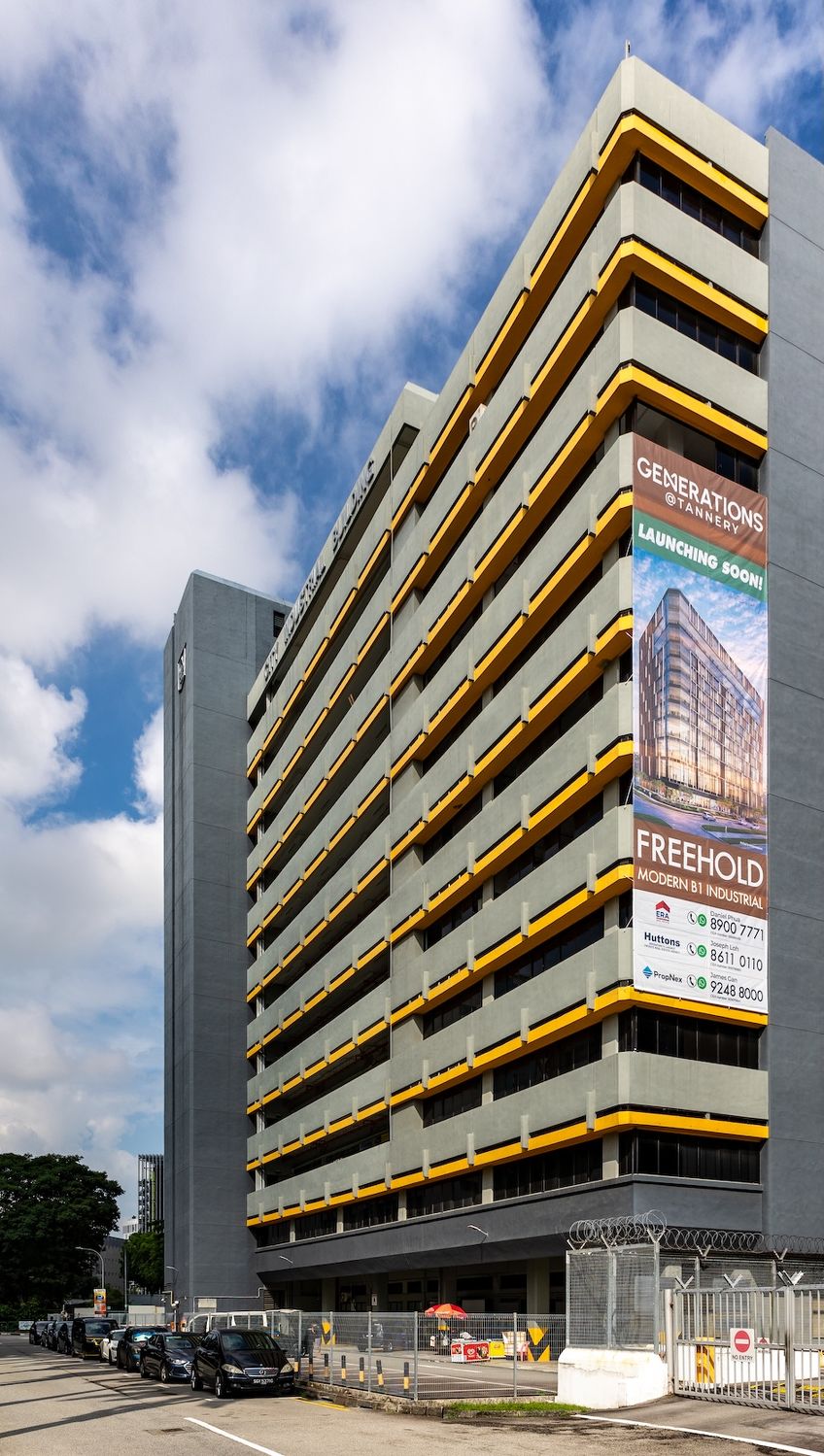
The building at 71 Tannery Lane will be redeveloped into the new 12-storey Generations @ Tannery (Photo: Samuel Isaac Chua/EdgeProp Singapore)
No strangers to development
The partners are not new to development, although Generations @ Tannery is the first project they are fronting directly.
Their past investments in Singapore span freehold light industrial assets such as CT FoodChain, CT Hub and CT Hub 2, as well as residential projects and conservation shophouses, with a combined gross development value of about $2 billion.
In 2017, they executed a reverse takeover of Changjian Fertilizer Holdings, transforming it into Olive Tree Estates — a developer and investor focused on affordable housing in Vietnam with a strong community-centric approach.
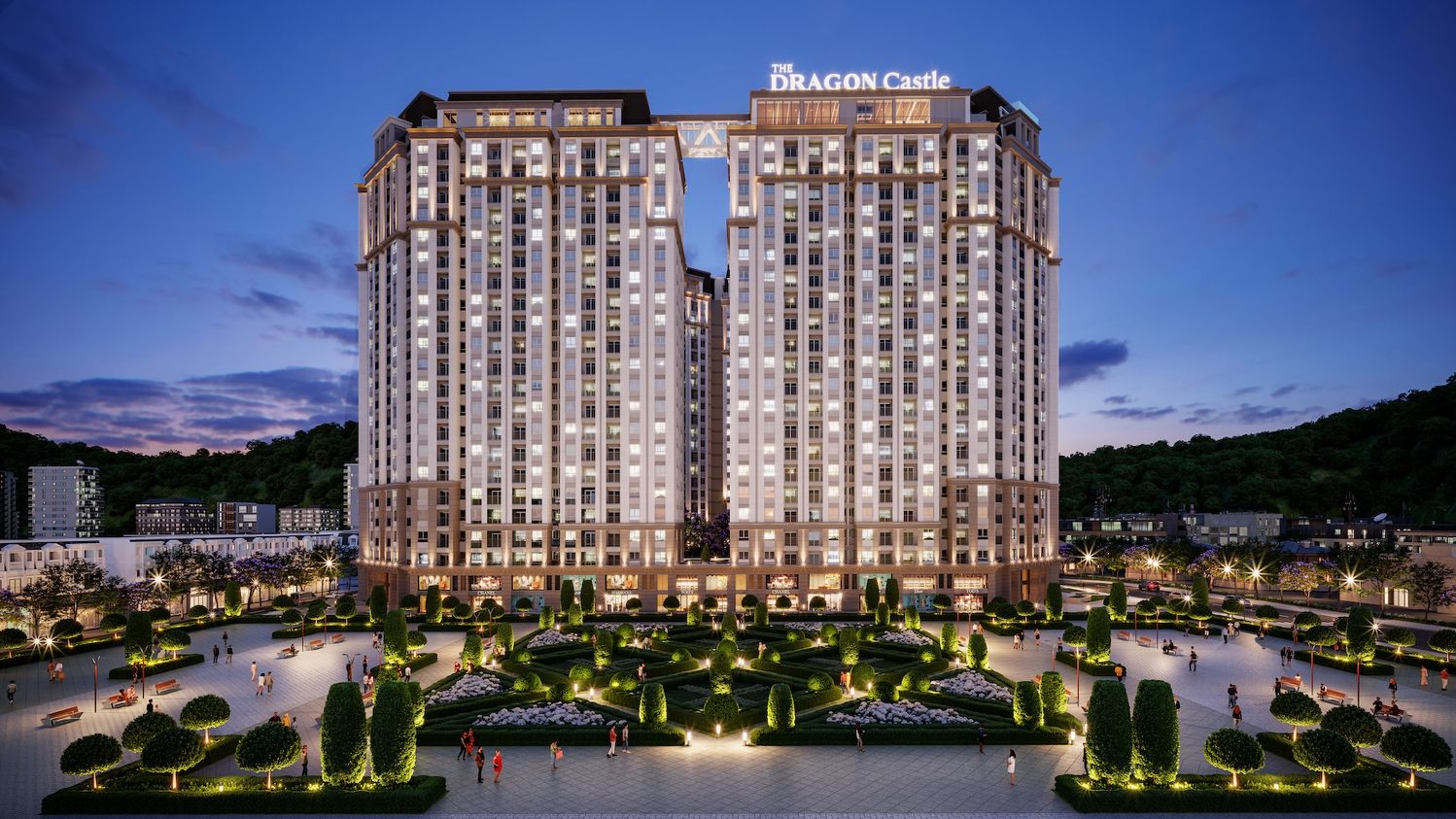
The Dragon Castle, a contemporary Korean-style residential complex developed by Korean-backed affordable and social housing developer National Housing Organization (NHO) in Ha Long Bay, Vietnam, is one of the projects which the partners of Providence Capital Management co-invested in (Artist's Impression: Providence Capital Management)
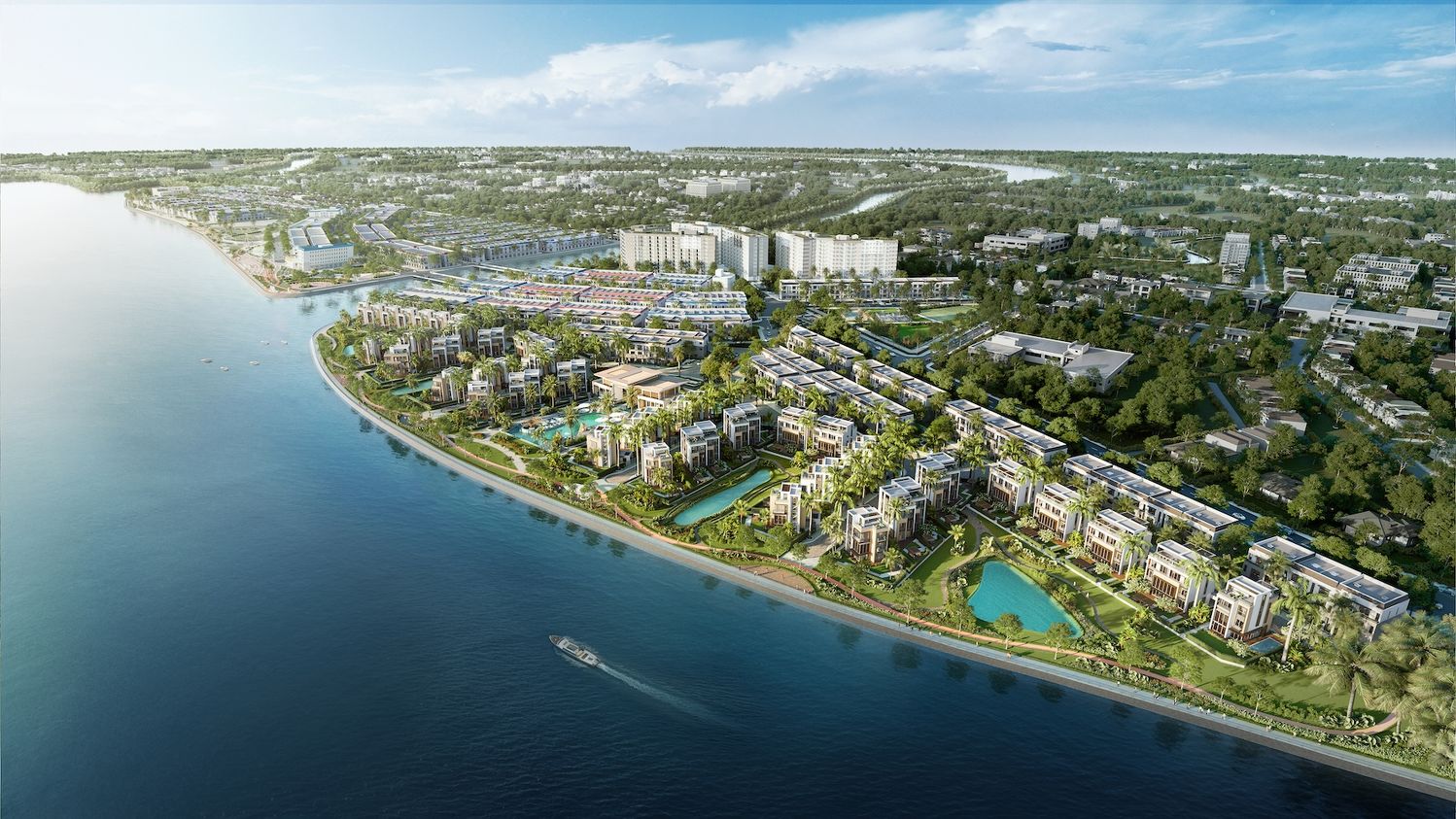
Diamond City in An Giang province, Vietnam, a mixed-use residential project developed by NHO, where Providence Capital co-invested in (Artist's Impression: Providence Capital Management)
They subsequently partnered with National Housing Organization (NHO), one of Vietnam’s largest affordable housing developers backed by Korean investors. Since 2012, NHO has developed more than 10,000 homes across eight provinces, including in Ha Long Bay, Da Nang and Ho Chi Minh City.
For the past few years, the partners of Providence Capital have largely stayed out of Singapore, citing elevated prices, limited opportunities and low returns.
That perception changed in mid-2025, when they were presented with the opportunity to acquire the former City Industrial Building.
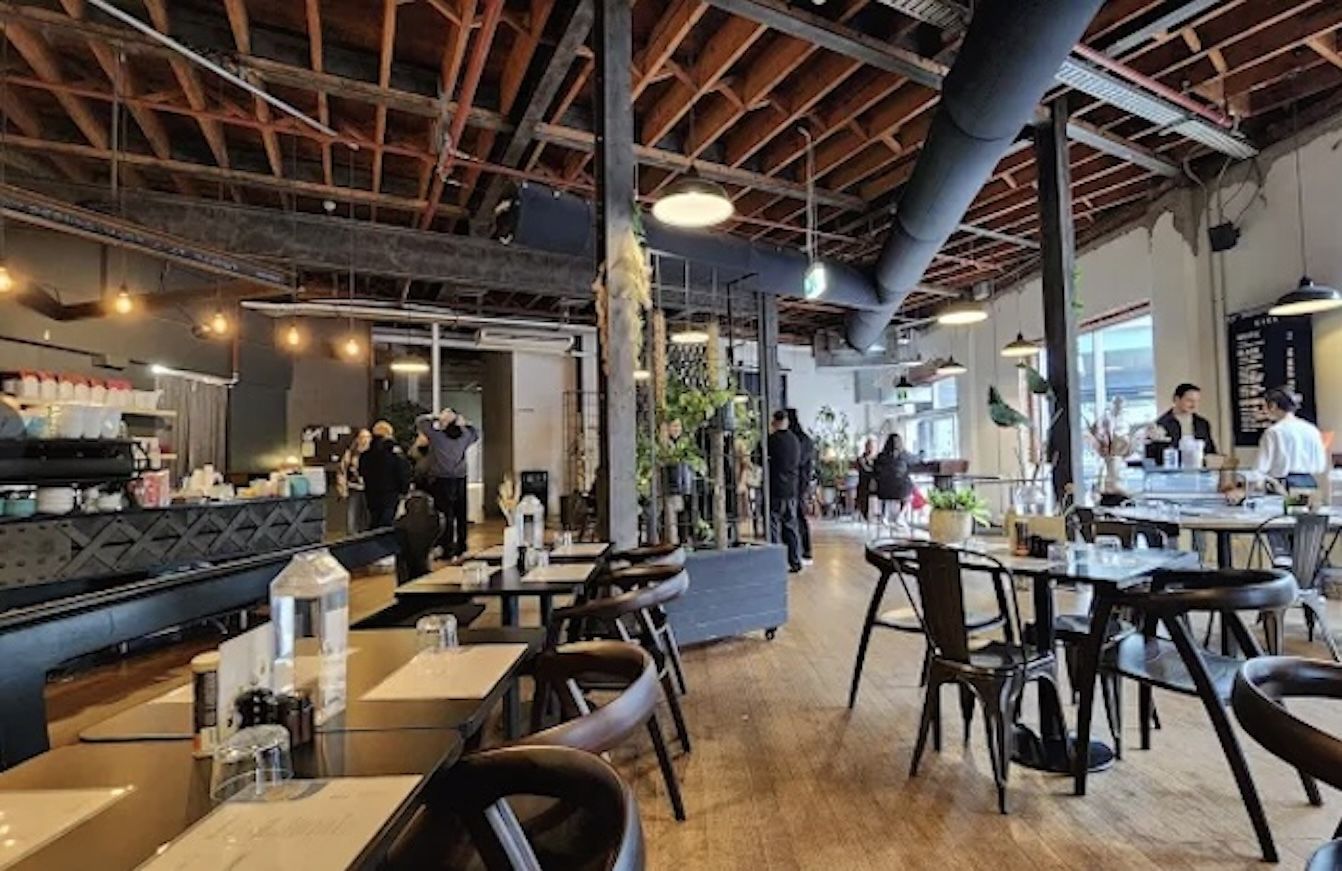
The Cafe Ciel that Daniel Long visited while in Melbourne (Photo: Google Maps/Fizah Zulaiman)
A Melbourne inspiration
After buying the site, Long travelled to Australia for inspiration. While walking along Melbourne’s Southbank by the Yarra River, he came across an unassuming industrial building bearing the Planetshakers sign, which piqued his curiosity.
He walked around the building and noticed Café Ciel, a cavernous café on the ground floor. “I sat there for a long time just to feel the vibe,” he recalls. “It was welcoming, with good coffee, great food and spaces for people to gather — even Instagrammable corners.”
The barista told him the café was conceived as “a safe and friendly space where faith and community come together over coffee and meals”, Long recounts.
Planetshakers Church occupies the entire office-warehouse building, spanning over 9,000 sq m (about 97,000 sq ft). In addition to its headquarters, the building includes an auditorium and a school.
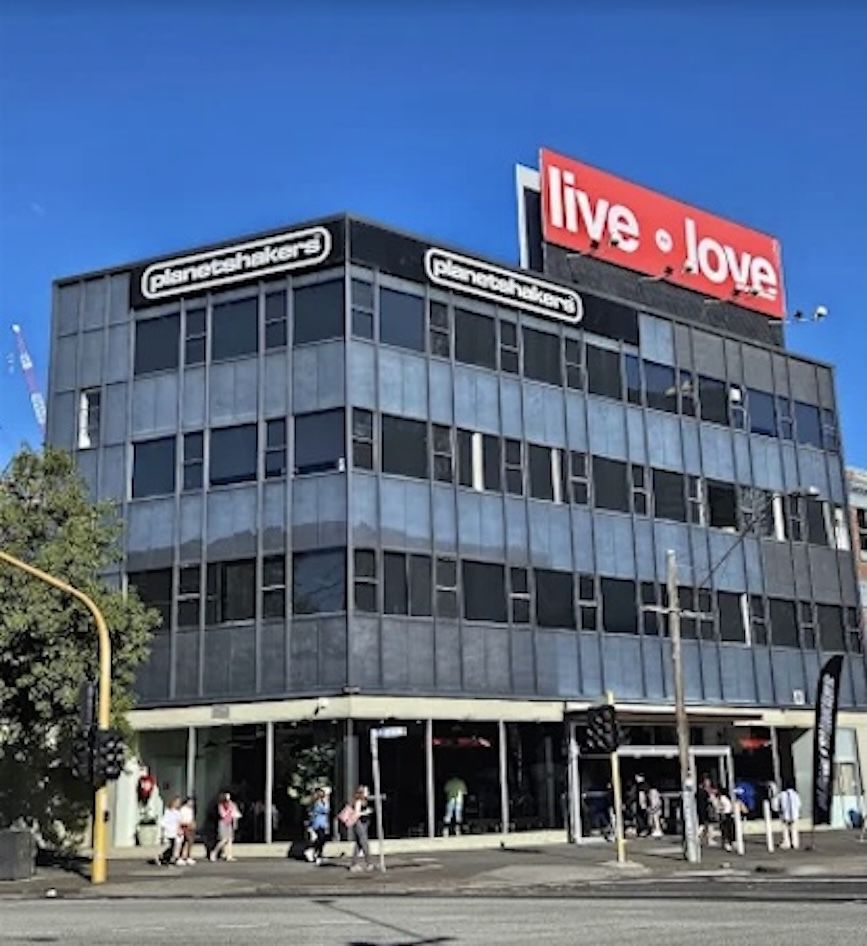
The headquarters of Planetshakers Church is in a warehouse-office building (Photo: Google Maps/Jason Chua)
Creating a ‘beachhead’ for the community
That experience shaped Long’s vision for Generations @ Tannery as “a beachhead for the wider community”.
A key feature is the introduction of five canteen units on the first level, which could be operated independently or curated under a single operator with a multi-concept F&B destination.
“We want the building to feel open, warm and inviting,” says Long. “If people come to the café, they may also explore the upper floors.”
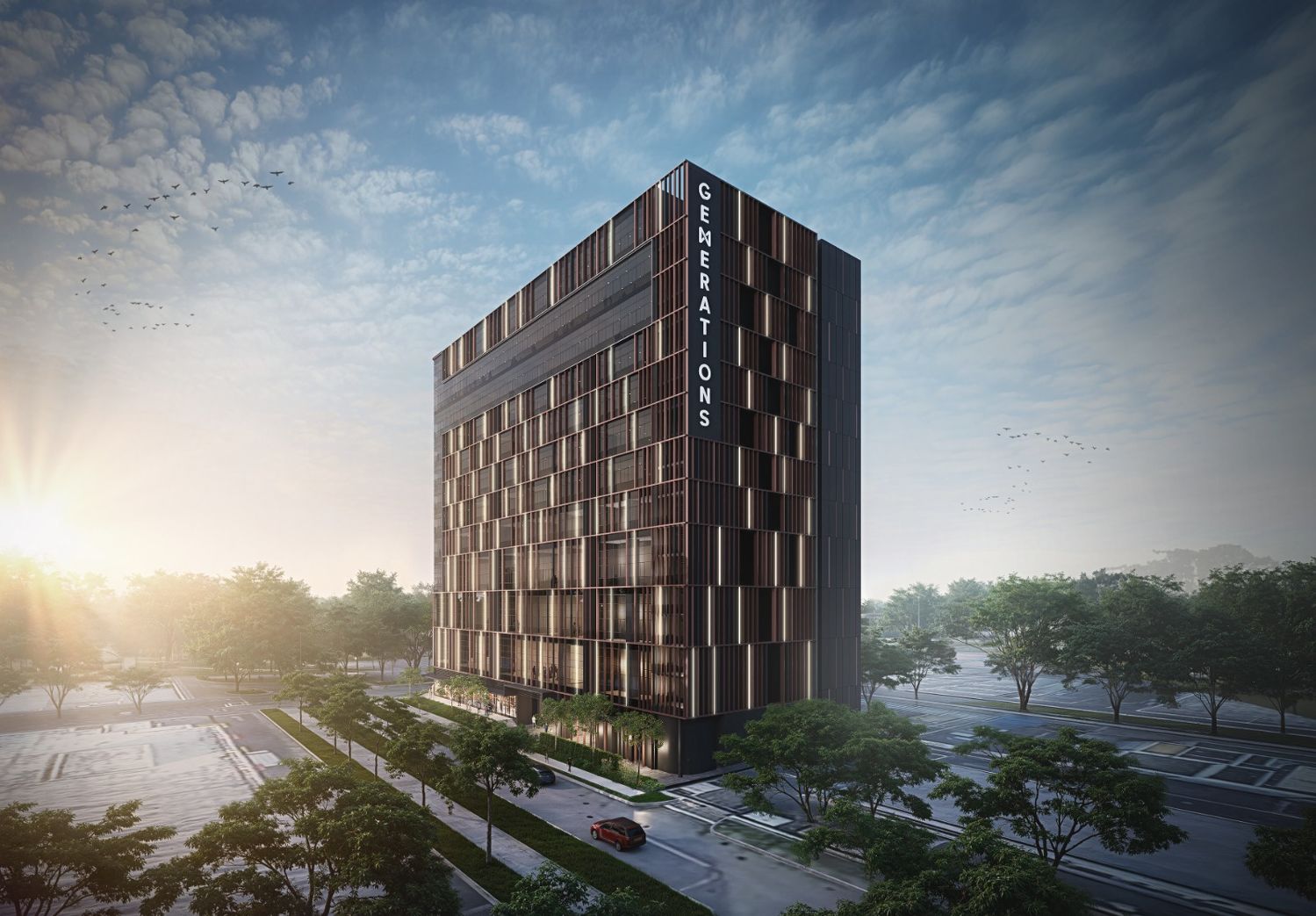
The upcoming Generations @ Tannery is situated at a prominent junction of Tannery Lane and Soon Wing Road. The 12-storey building was slated for launch in June (Picture: Kyoob Architects)
Reimagining an industrial building
From the outset, Providence Capital did not want the project to resemble a conventional industrial block. “We want it to stand out like a beacon in the neighbourhood and connect with the surrounding residential community,” says Long.
Julian Chia, director and co-founder of Kyoob Architects and his team designed the 12-storey B1 industrial building.
The façade will feature a curtain wall and vertical fins to add depth, giving it the appearance of a contemporary Grade A office building rather than a typical industrial block. “With the additional investment of about $8 million, the façade enhances visibility and elevates the building’s overall market appeal and long-term value,” says Chia.
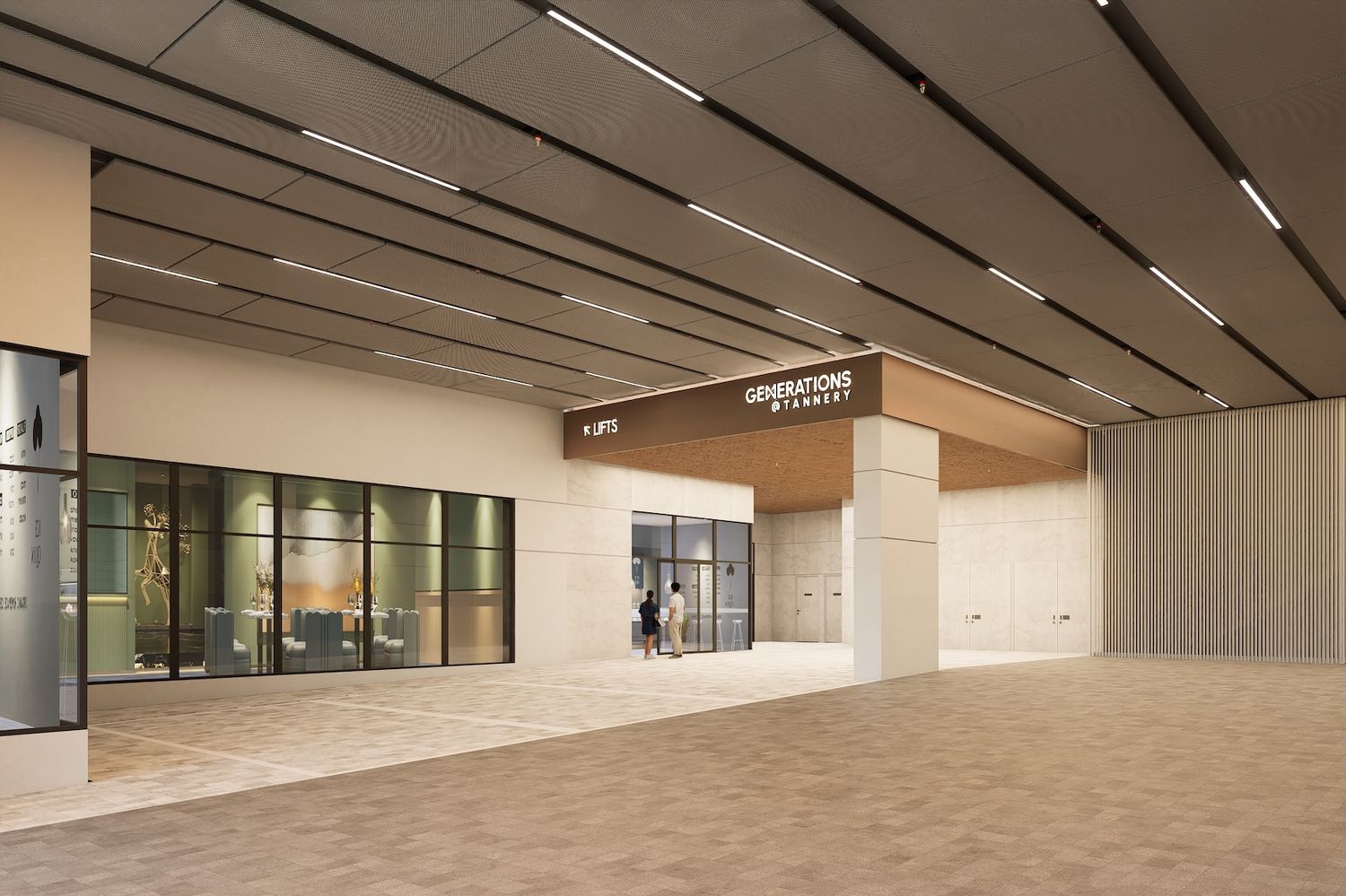
One of the two lobby entrances – on the first and second levels of the building (Artist's Impression: Kyoob Architects)
Ramp-up access will serve the first five storeys. When completed in 2029, the development will feature a Grade A office-style driveway and dual drop-off points — one each on the first and second levels — to improve traffic flow and safety.
The lobby will be more than three times larger than those in typical industrial developments, creating a “grander” and more welcoming arrival experience, adds Chia.
The development will have five lifts in the lobby, each with a capacity of 33 persons. It will also feature four staircases — double the usual number — and will be 60% wider at 2m, compared to the standard 1.25m.
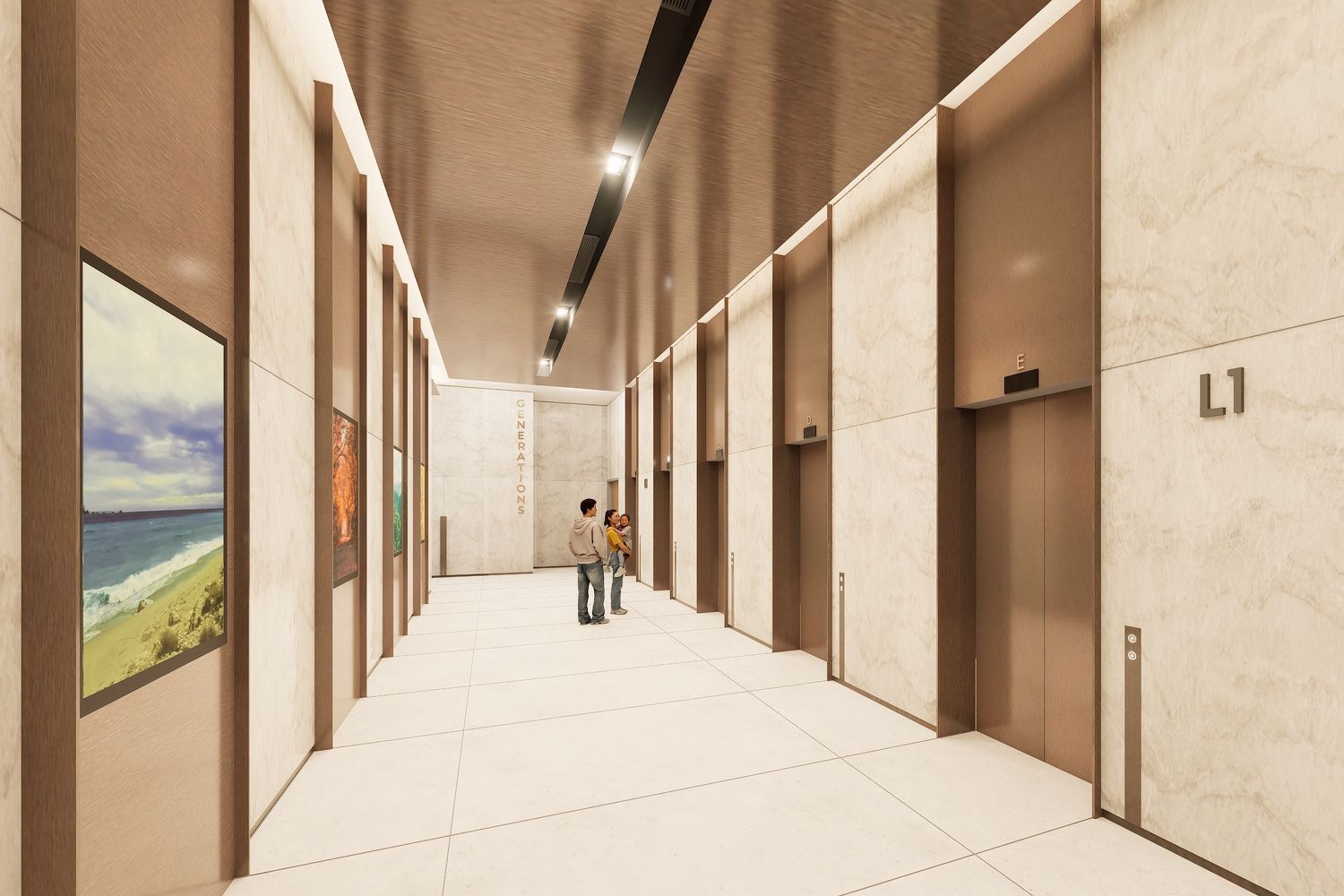
The lift lobby with five passenger lifts, each with a capacity of 33 people (Artist's impression: Kyoob Architects)
Flexible, higher-spec units
The project will comprise 54 industrial units (excluding the five canteen units), designed with high ceilings, ample natural light and full-height windows.
Each unit will have an en suite toilet — unlike most industrial buildings, which offer shared toilets on every floor.
Ten units will be configured as dual-key layouts with two toilets, allowing owners to occupy part of the space while leasing out the remainder. Some units will also feature private lift access.
“These are features not many developers are willing to provide, given the higher cost,” says Chia.
To accommodate these enhancements, development costs are “significantly higher on a psf basis” than conventional industrial projects, says Tan of Providence Capital.
The partners also gave up at least 4% of saleable floor area for the added amenities and features — a trade-off many developers avoid due to its short-term impact on profitability, he adds.
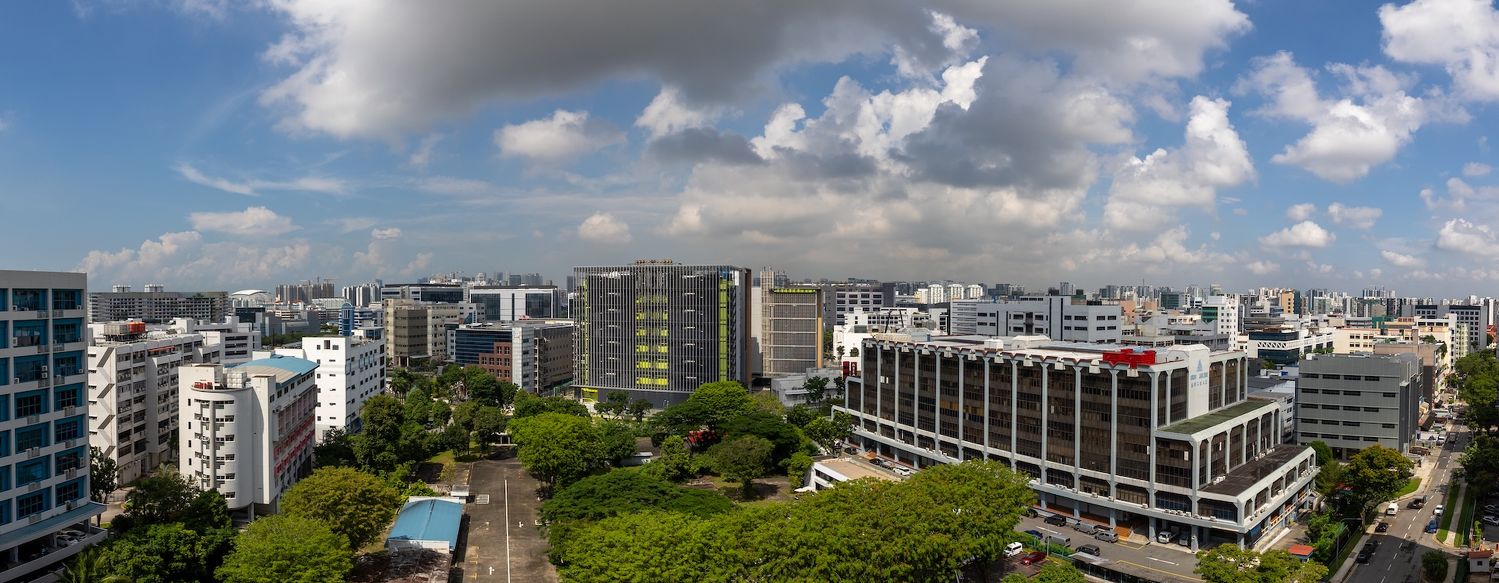
View of the surrounding Genting Lane and Kallang area, which is gradually being renewed into a mixed-use area (Photo: Samuel Isaac Chua/EdgeProp Singapore)
More than just a B1 industrial building
The name Generations @ Tannery reflects not just the freehold tenure, but also the idea of businesses passing down values across generations, says Long.
While targeting B1 occupiers such as AI start-ups, tech companies and light manufacturers, Providence Capital is also seeking tenants aligned with a community-oriented ethos, including social enterprises and humanitarian organisations.
Even before the launch, which is slated for June, a faith-based organisation has committed, in principle, to taking up a substantial portion of the space, says Long.
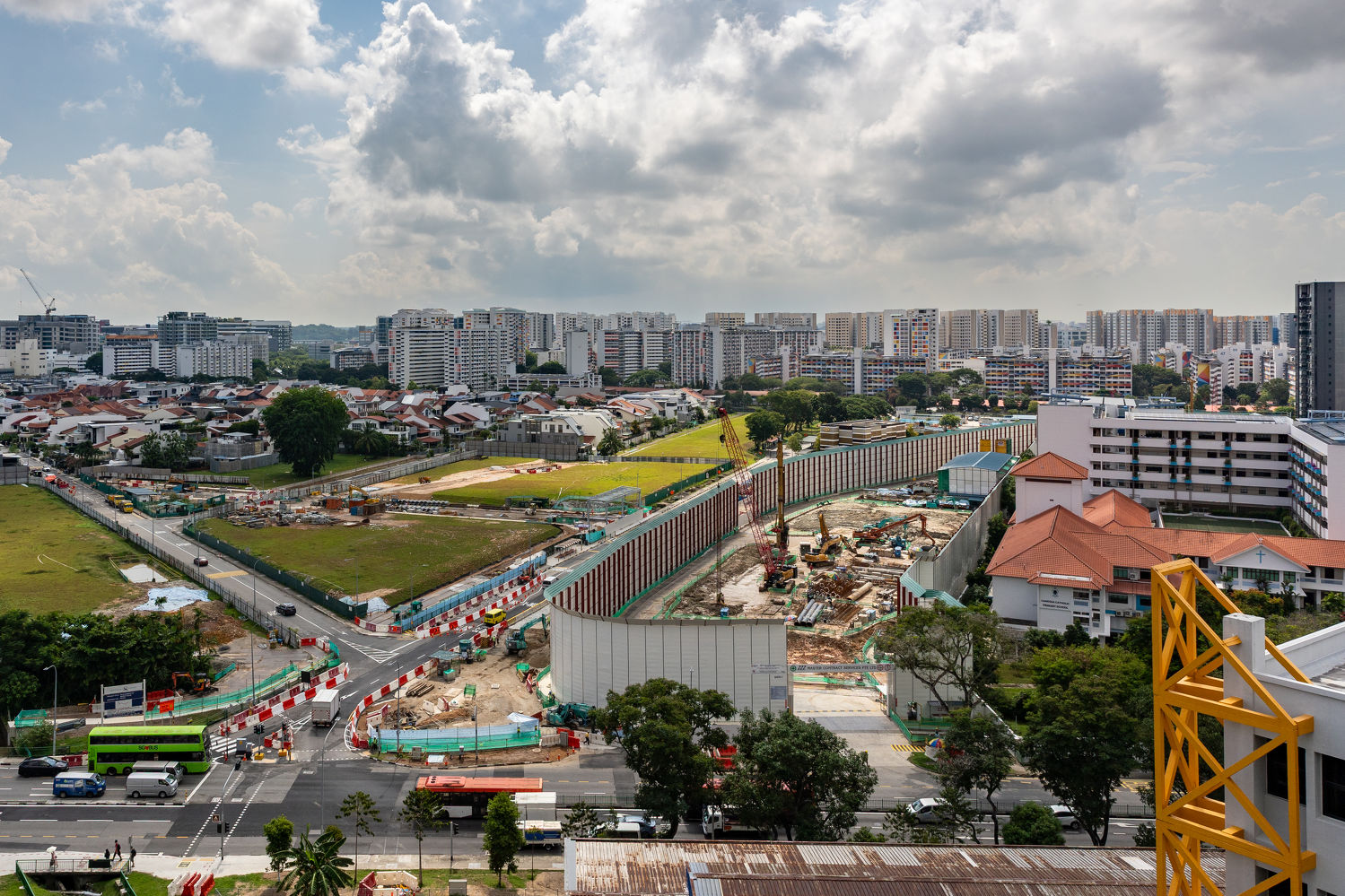
View of the upcoming HDB Build-To-Order project Merpati Alcove, adjacent to the Mattar MRT Station on the Downtown Line (Photo: Samuel Isaac Chua/EdgeProp Singapore)
Positioning in a changing neighbourhood
According to Sammi Lim, founder and executive director of Brilliance Capital, the project is likely to attract e-commerce operators, light manufacturers, creative studios and ancillary office users.
Brilliance Capital is a joint marketing agent for Generations @ Tannery, together with AlpsEdge, ERA, Huttons Asia and PropNex.
“The newer generation of industrial developments also appeals to lifestyle-oriented businesses that value aesthetics and accessibility,” adds Lim.
The appeal is underpinned by a growing residential cluster around Mattar MRT Station. A nearby HDB Build-To-Order (BTO) project, Merpati Alcove, was launched in October 2024 and slated for completion in 1Q2029. Private condos nearby include The Antares and Mattar Residences.
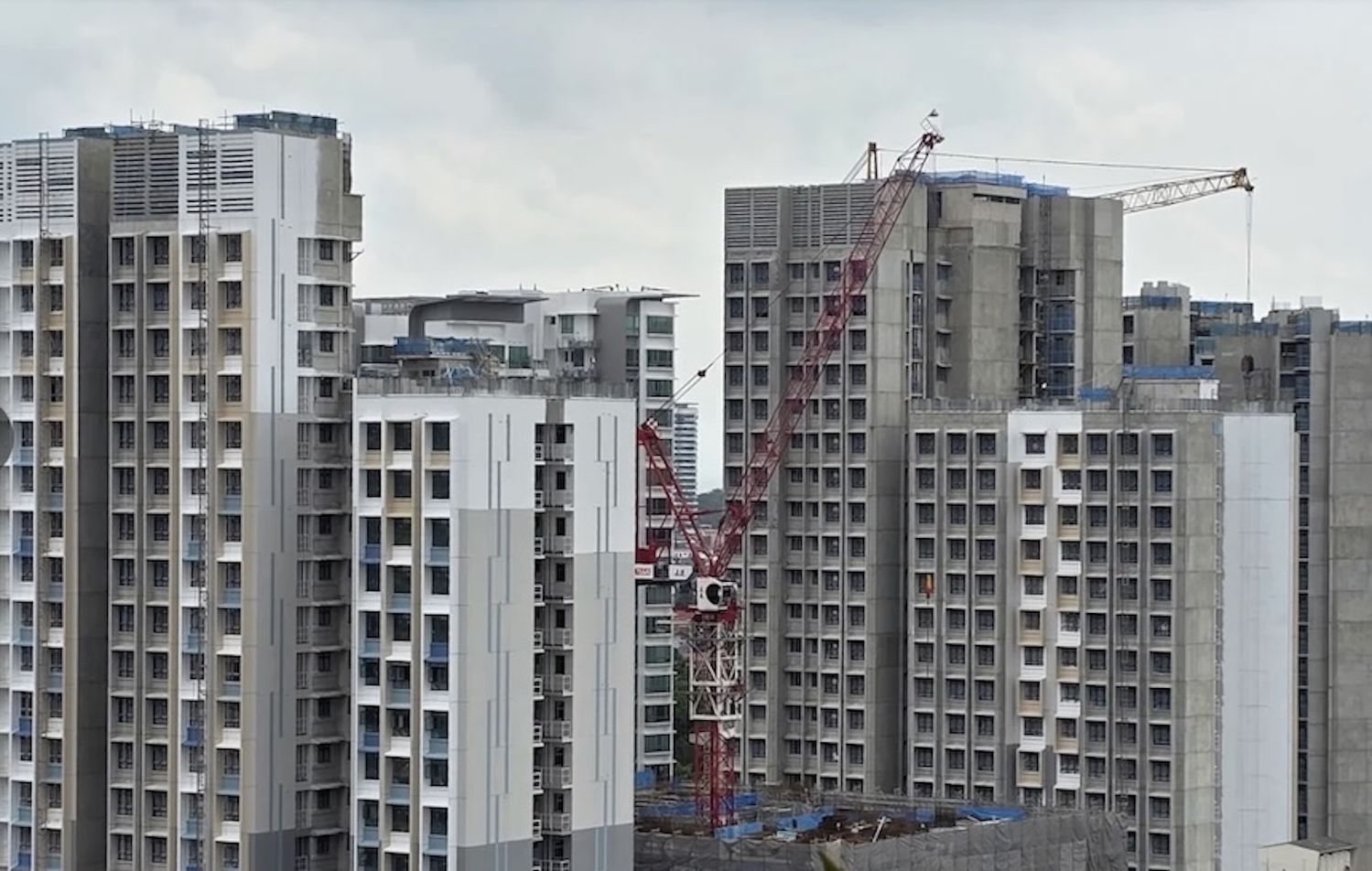
Dakota Crest BTO (Photo: Google Maps/Lina Lee)
A large number of BTO projects have also been launched in the surrounding estates in recent years, says Marcus Chu, CEO of ERA Singapore. They include Bidadari (Potong Pasir/Woodleigh), with an estimated 10,000 to 12,000 units; the Circuit Road-MacPherson area, with 1,000 to 2,000 new units; and the Dakota area, with another 2,000 to 3,000 units.
“It has helped in the rejuvenation and transformation of the area into a mixed-use live-work environment,” adds Chu.
It reflects a broader trend of URA intensifying land use in city-fringe industrial estates, he notes. “Older factories are being redeveloped or refurbished into modern industrial buildings, co-working spaces and lifestyle-oriented workspaces.”
Investment appeal: scarcity and performance
Freehold industrial properties in central locations remain relatively rare and attractive to both occupiers and investors, notes Kelvin Fong, CEO of PropNex.
Industrial assets also benefit from the absence of cooling measures such as additional buyer’s stamp duty, while foreign buyers are eligible to purchase them. Buyers can generally secure a borrowing limit of up to 90% loan-to-value when buying under an operating company, he says.
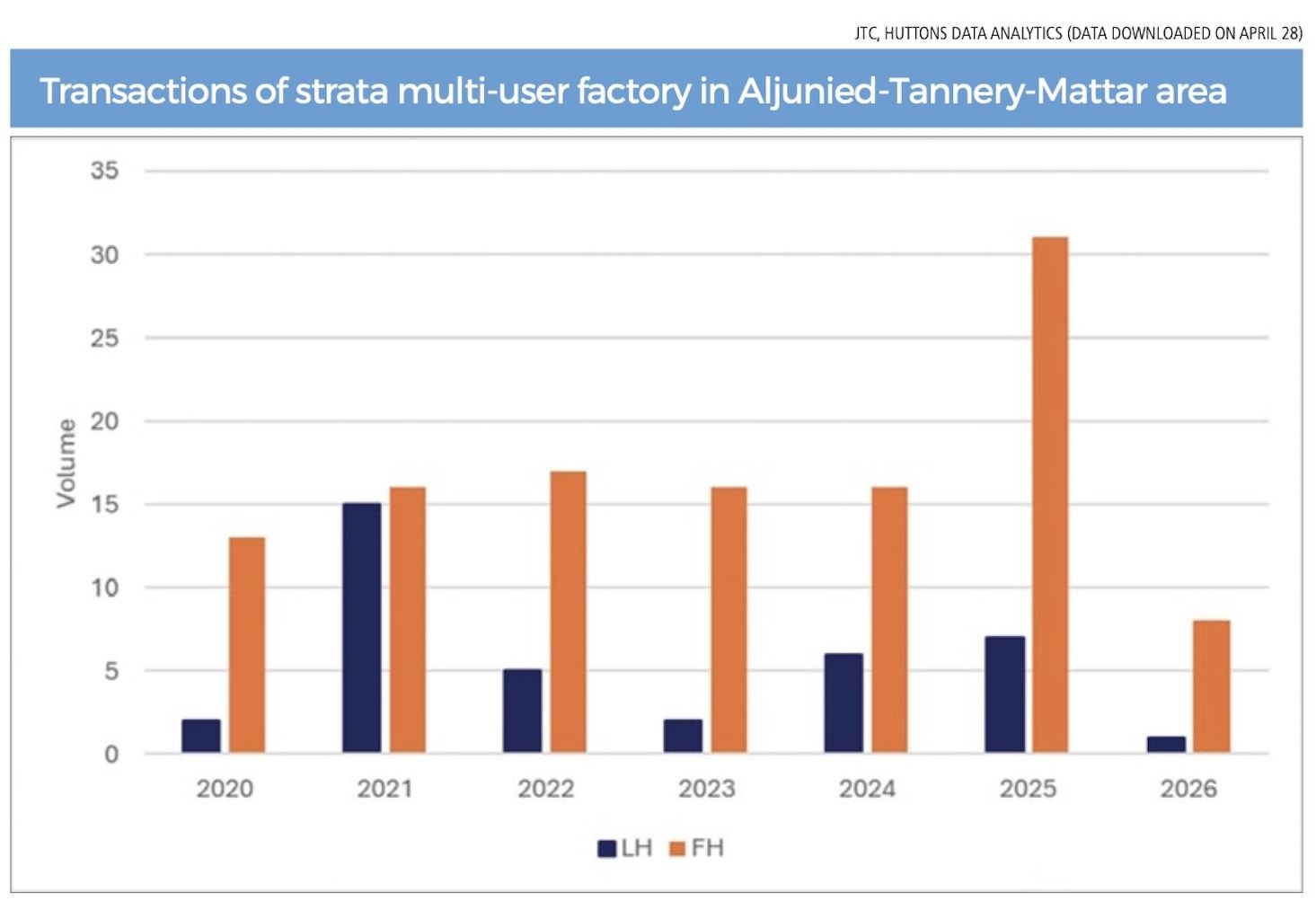
According to Lee Sze Teck, senior director of data analytics at Huttons Asia, prices of freehold strata multi-user industrial properties have risen by about 46% since 2020, outpacing the 26.7% growth of their leasehold counterparts.
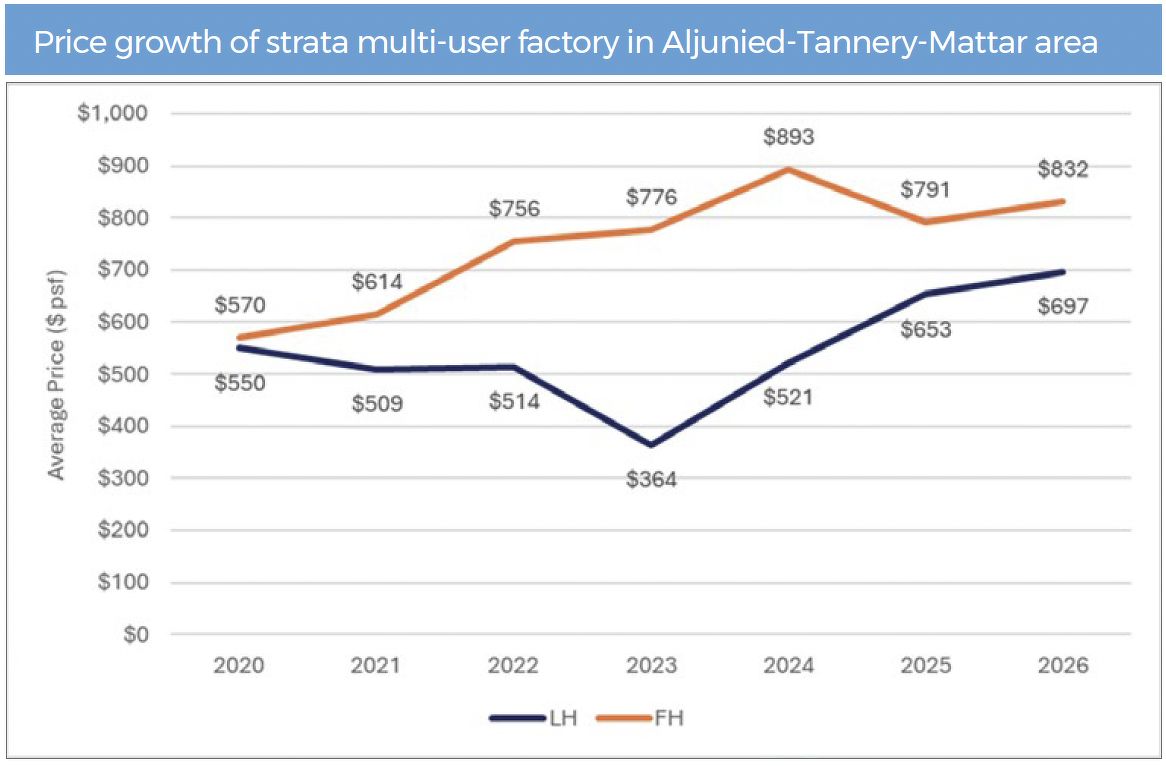
Chart: JTC, Huttons Data Analytics (data downloaded on April 28)
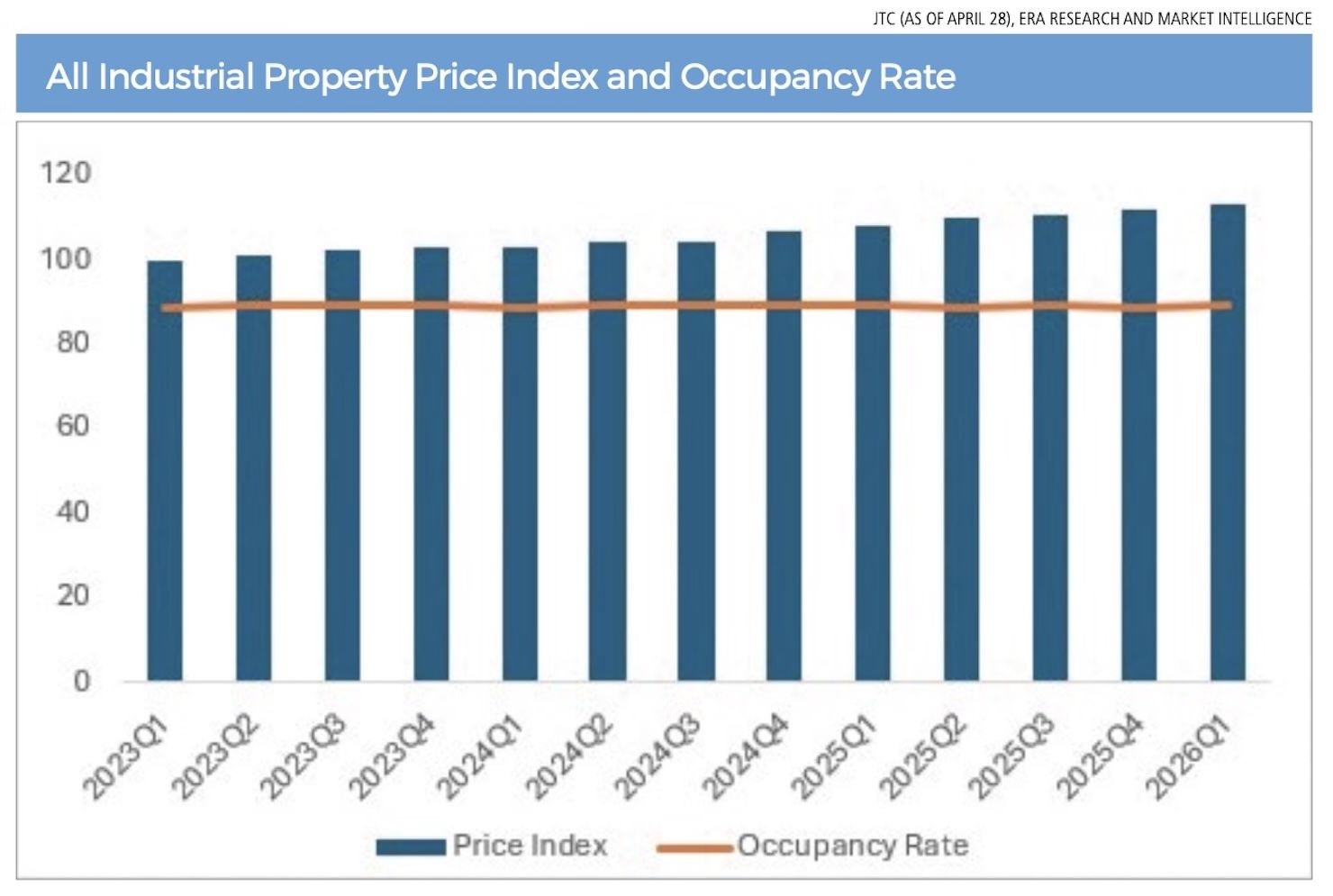
JTC data shows the price index for multi-user factory space rose 1.7% q-o-q in 1Q2026, marking the 18th consecutive quarter of growth. Rentals increased 0.5% q-o-q, extending a 22-quarter uptrend. Meanwhile, the occupancy rate edged up to 90.2%.
“Flight to quality is likely to support demand for newer, well-located industrial assets,” says Fong.
Since the Covid-19 pandemic, industrial prices have been on a steady rise, says ERA’s Chu. This contrasts with crude oil prices, which have been shown to fluctuate amid geopolitical tensions, he adds.
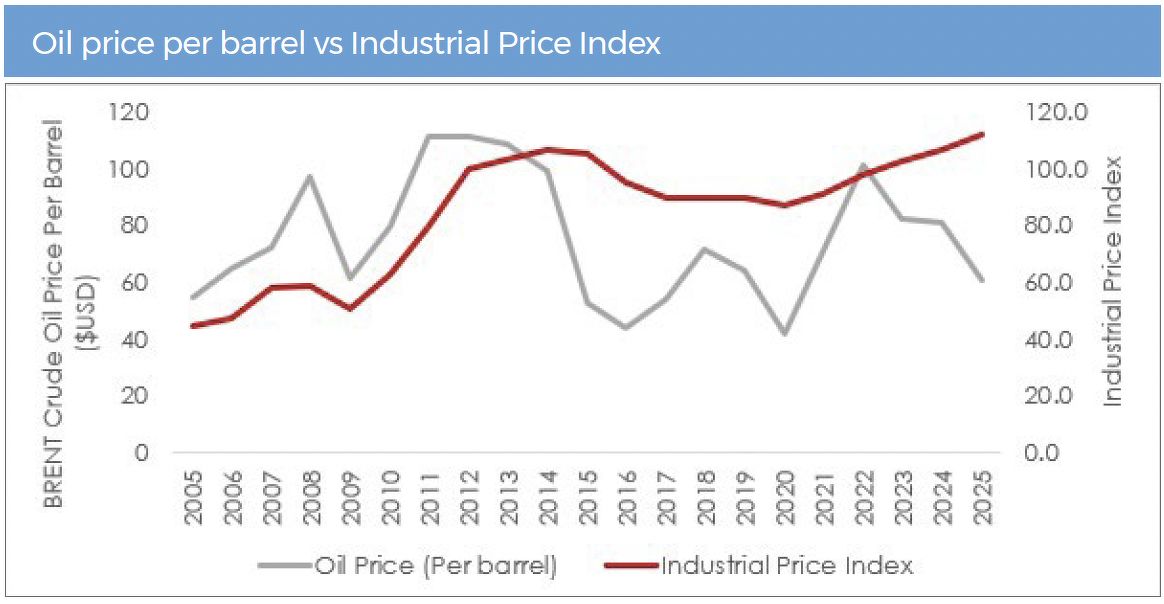
Chart: JTC (as of April 13), US Energy Information Administration, ERA Research and Market Intelligence
Recent strata industrial launches
Gourmet Xchange, which integrates a new multi-user factory with the adaptive reuse of an old industrial building on Kallang Way, was launched in March. It is also near Generations @ Tannery.
“Gourmet Xchange could, in turn, inject vibrancy to the neighbourhood by providing lush greenery and open spaces — such as the riverside walk and central plaza — for the community, as well as F&B offerings at the development,” adds PropNex’s Fong.
Another nearby upcoming B1 industrial property that previewed at the end of April was the freehold CT-Gold @ MacPherson (the redevelopment of the former MacPherson Industrial Complex). “It is the only freehold B1 strata industrial project in the launch pipeline so far this year,” says Tan Hong Boon, executive director and founder of AlpsEdge.
Last year saw the launch of CT Pemimpin, a freehold B1 strata-titled industrial development near Marymount MRT Station. All 56 units and three canteens were sold out shortly after the March 2025 launch, notes Fong.
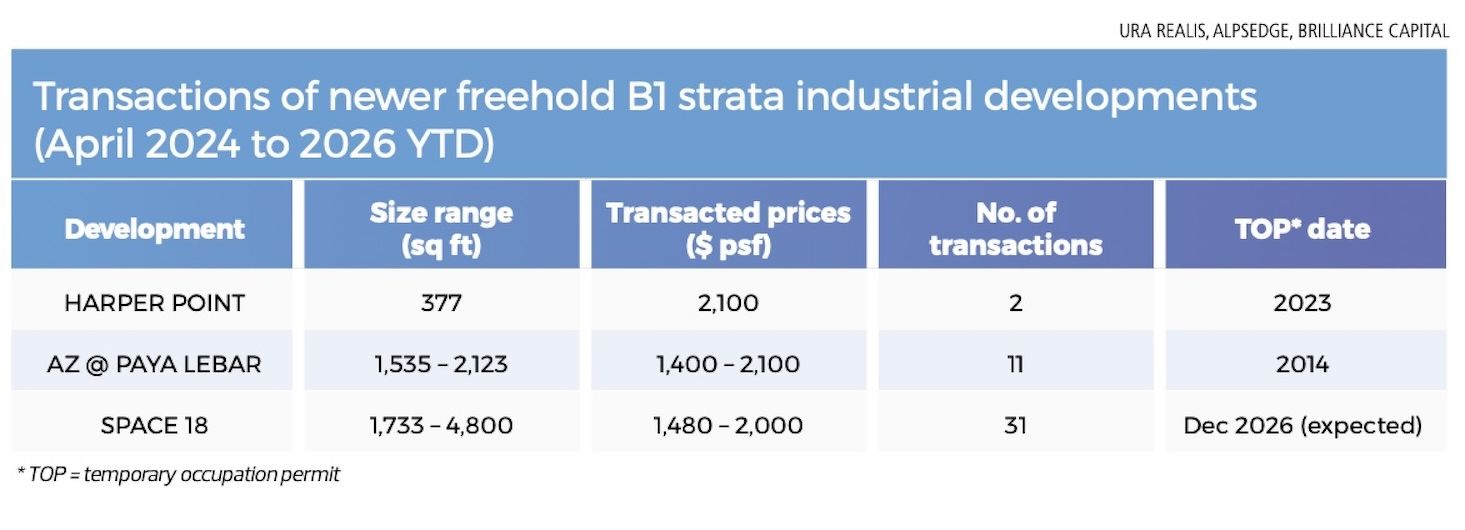
Other new freehold B1 strata industrial units in the city-fringe districts of 12, 13 and 14 have transacted at prices ranging from $1,480 to $1,660 psf, based on URA Realis data, says Tan of AlpsEdge. Meanwhile, a 4,800 sq ft, freehold unit on the ground floor hit a high of $2,041 psf.
At Space 18 in Lorong Ampas, Balestier, freehold units have been sold at prices ranging from $1,480 to $2,000 psf, with a median price of $1,530 psf. In the Aljunied-Mattar-MacPherson micro market, newer freehold B1 industrial units have typically fetched prices ranging from $1,400 to $2,100 psf, estimates Tan.
Outlook ‘remains positive’
Demand is increasingly driven by SMEs and new-economy sectors such as e-commerce, media and tech, which prioritise image, accessibility and functional layouts, notes Brilliance Capital’s Lim.
“The outlook for the B1 industrial sector remains positive, underpinned by structural demand and limited supply — especially for freehold, high-specification projects,” she adds.
Manufacturing output rose 10.1% y-o-y in March, according to the Economic Development Board, signalling resilient economic fundamentals and continued support for industrial demand, says ERA’s Chu.
For more news and analysis, read our weekly e-paper. Prefer a print copy? Get it delivered to your home every Monday.
Follow Us
Property updates, 24/7.


Subscribe to Newsletter
Market insights, delivered weekly.
Top Articles
Search