
JTC sets new benchmark in sustainability, becomes first government agency to win Top Developer award
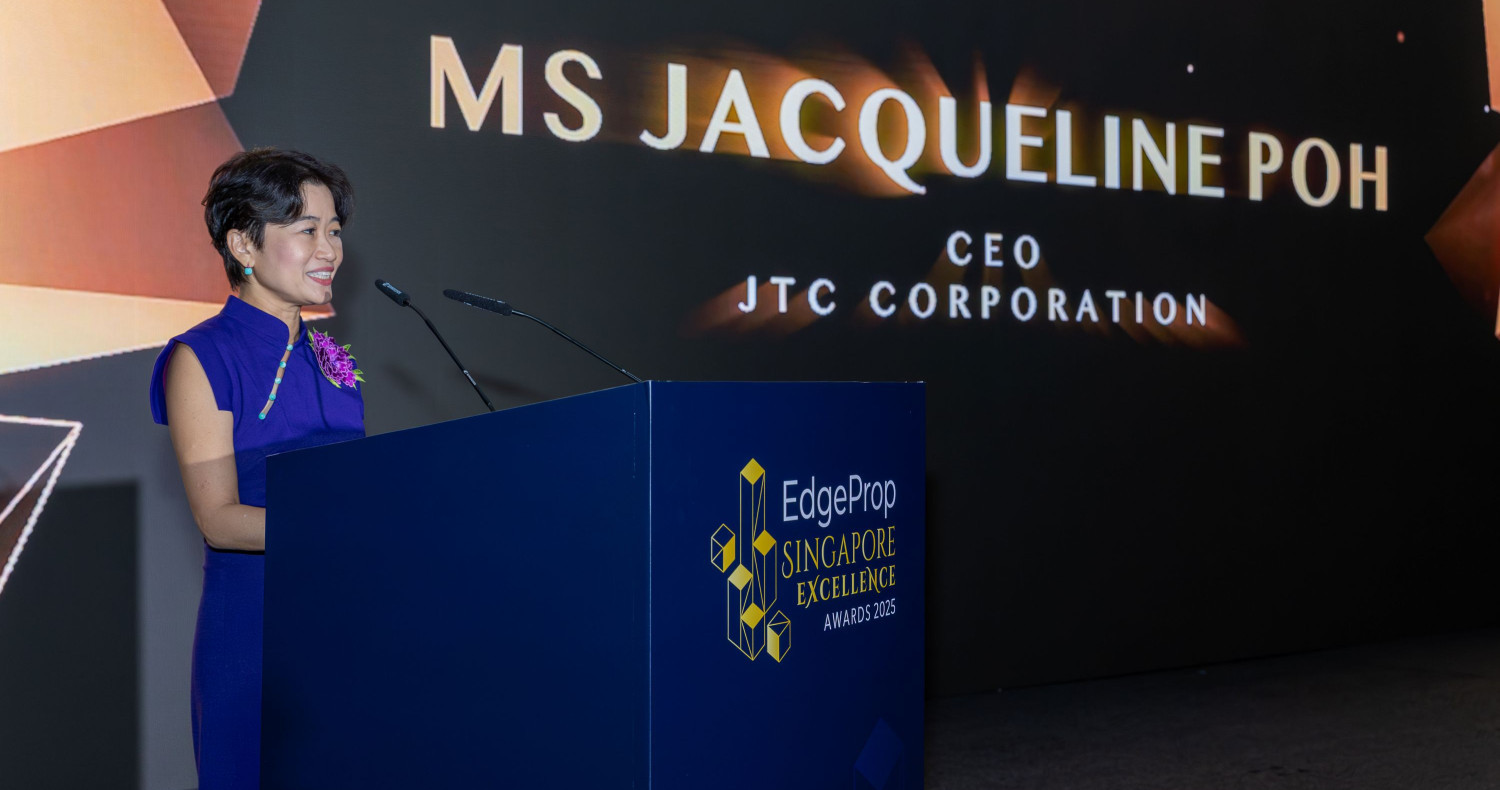
JTC CEO, Jacqueline Poh at the gala of the EdgeProp Singapore Excellence Awards 2025. (Picture: Samuel Isaac Chua/EdgeProp Singapore)
Not only has JTC clinched the Top Sustainable Developer award at the EdgeProp Singapore Excellence Awards (EPEA) 2025, the organisation also won honours for its mixed-use Punggol Digital District, which took home the Top Integrated Development award.
This is the first time a government statutory board has participated in the EPEA.
JTC was recognised for its leading contribution as the industrial master planner and developer, as well as taking the lead in moving the needle on green initiatives and practices to transform the future of the industrial sector.
The statutory board is also pioneering new approaches to planning and building industrial estates, as seen in the development of Punggol Digital District.
“The aim is to create an ecosystem that considers how industries in the same value chain may be located closer together, so that companies may benefit from each other’s proximity. This will help improve the overall logistics footprint,” says David Tan, assistant CEO (Development Group) at JTC.
Some of the future districts being developed by JTC include Sungei Kadut Eco-District for agriculture-technology (agritech) firms, Tuas Biomedical Park for the biomedical industry and the Jurong innovation District to meet the needs of Industry 4.0.
‘Polycentric mixed-use districts’
Industrial planning in Singapore has evolved significantly over the past 60 years. Originally, manufacturing and industrial zones were established to cater to specific industries or value chains.
Today, new and repurposed industrial estates are planned as polycentric developments and districts which are more closely integrated to residential areas. The development of Punggol Digital District complements the decades-long planning and development of Punggol New Town, bringing future-ready jobs closer to the heartlands.
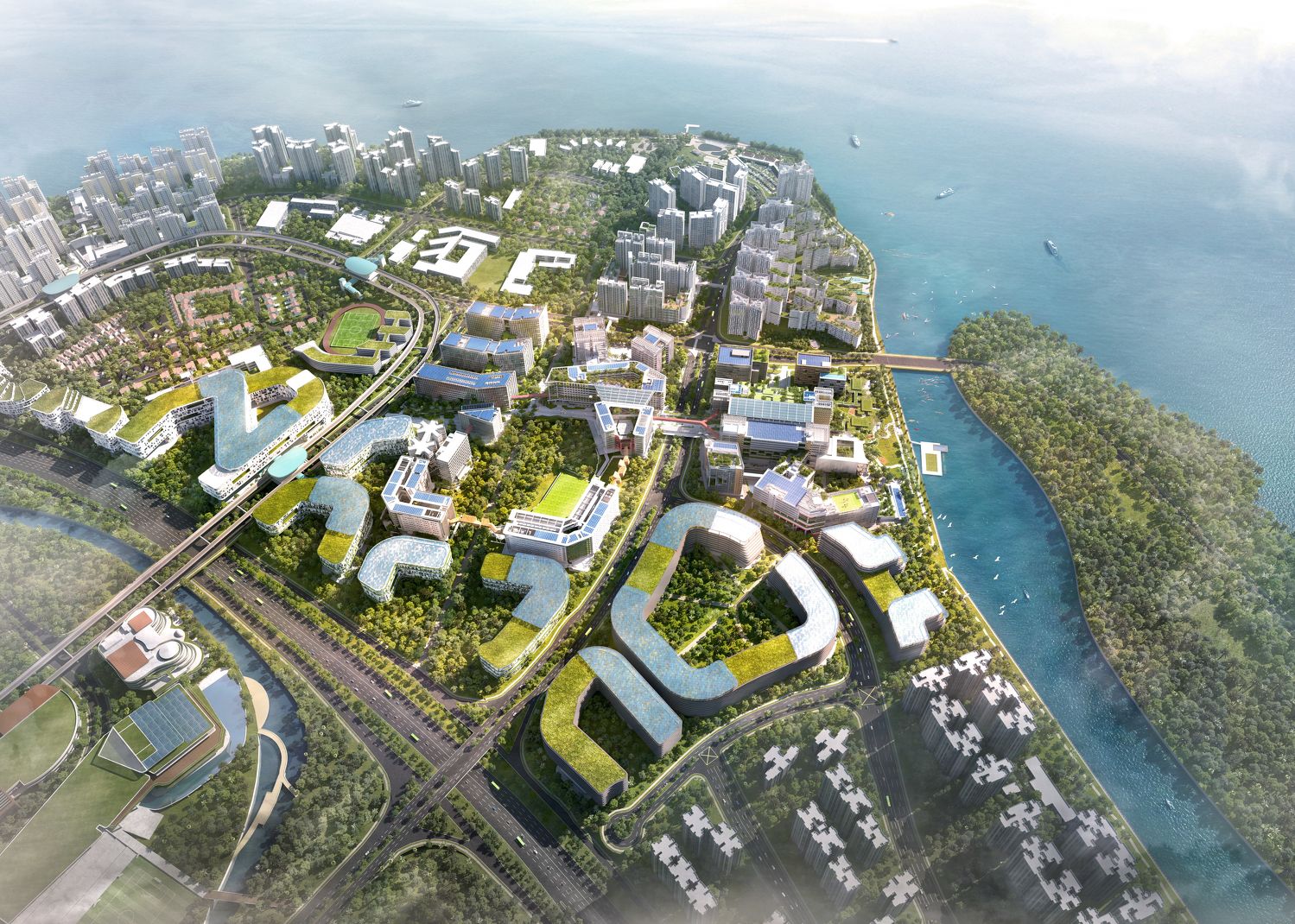
An aerial view of Punggol Digital District. (Picture: JTC)
Other industrial districts that also bring jobs closer to residential areas include the Jurong Innovation District, the one-north precinct and Woodlands Gateway.
“As we locate jobs closer to homes, this reduces commuting times and eases pressure on our road infrastructure. This is one way we consider our sustainability obligation to Singapore,” says Tan.
Woodlands Gateway is the government’s major redevelopment project to transform Woodlands into a new regional commercial and transportation hub that positions it as the northern gateway between Singapore and Malaysia.
Planning for this district will consider how to better integrate it with the future Johor-Singapore Rapid Transit (RTS), which is set to be operational by end-2026. JTC is also examining how manufacturing and industrial zones in Woodlands could synergise with the planned Johor-Singapore Special Economic Zone (JS-SEZ).
“Our intention is to create these types of polycentric industrial developments and districts that are closer to homes and residences, in order to generate a new type of work-live-play-learn environment that positively contributes to sustainability,” says Tan.
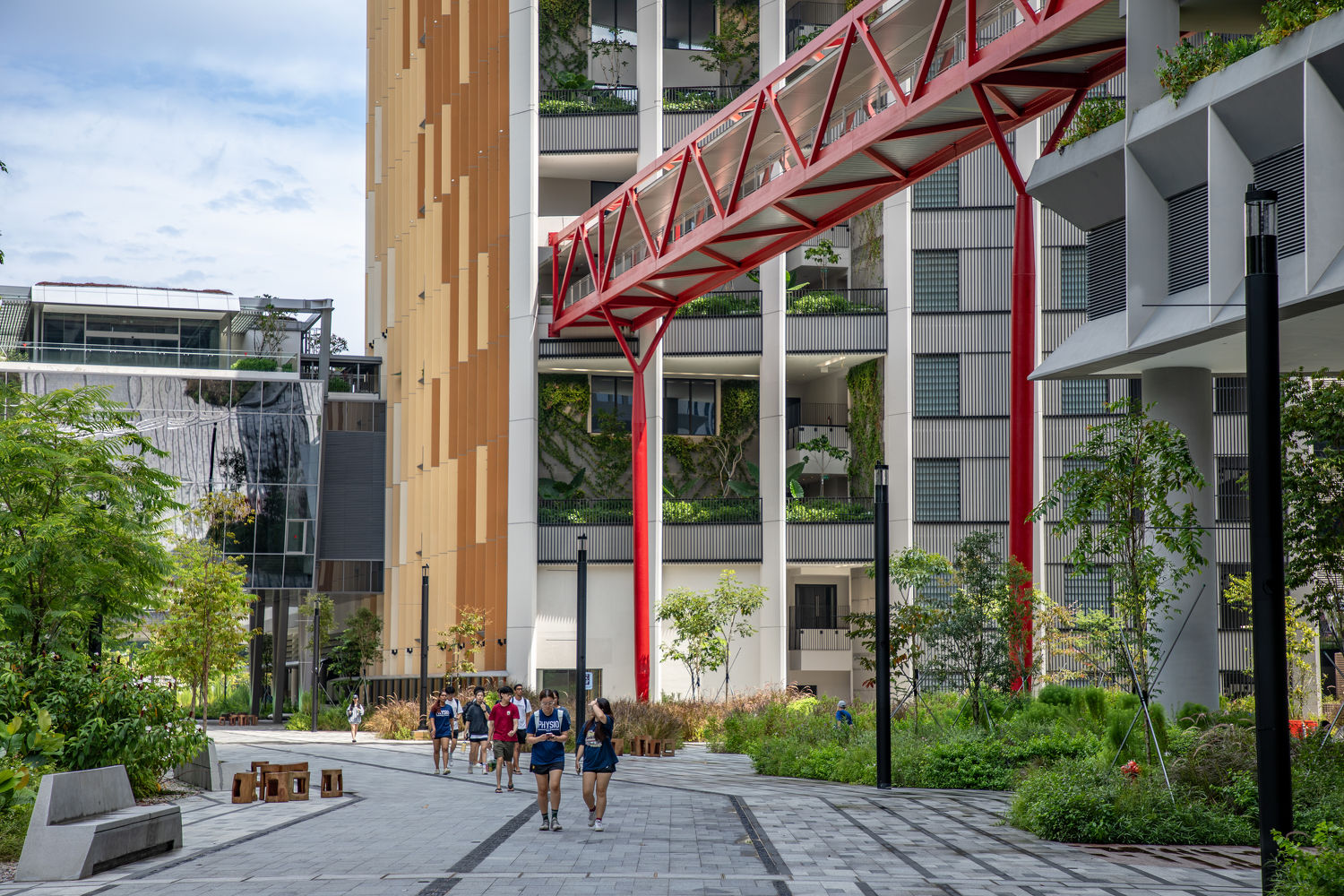
Future industrial districts by JTC will bring clean high-tech jobs closer to residential and commercial areas. (Picture: JTC)
JTC is also reviewing land use plans for brownfield sites and mature industrial estates, to transform them into places where work, play or learn aspects can come together.
For example, Sungei Kadut — one of the first industrial estates that helped to lay the foundation for the local manufacturing industry — is being rejuvenated to support the transformation of existing timber, metal and waste management industries, and capture new opportunities in food-tech and agri-tech sectors.
One Digital Platform
JTC is turning to technology to support and improve the management of its vast industrial portfolio. It has rolled out its proprietary Open Digital Platform (ODP) at Punggol Digital District. This is the first district-wide smart operating system in Singapore that connects buildings, utilities and services through a network of sensors and real-time data analytics.
Co-developed by GovTech and JTC, the ODP integrates with district assets such as the smart electrical grid, district cooling system and building management system. It leverages machine learning to optimise resource efficiency and achieve energy savings of up to 60% compared to traditional industrial districts.
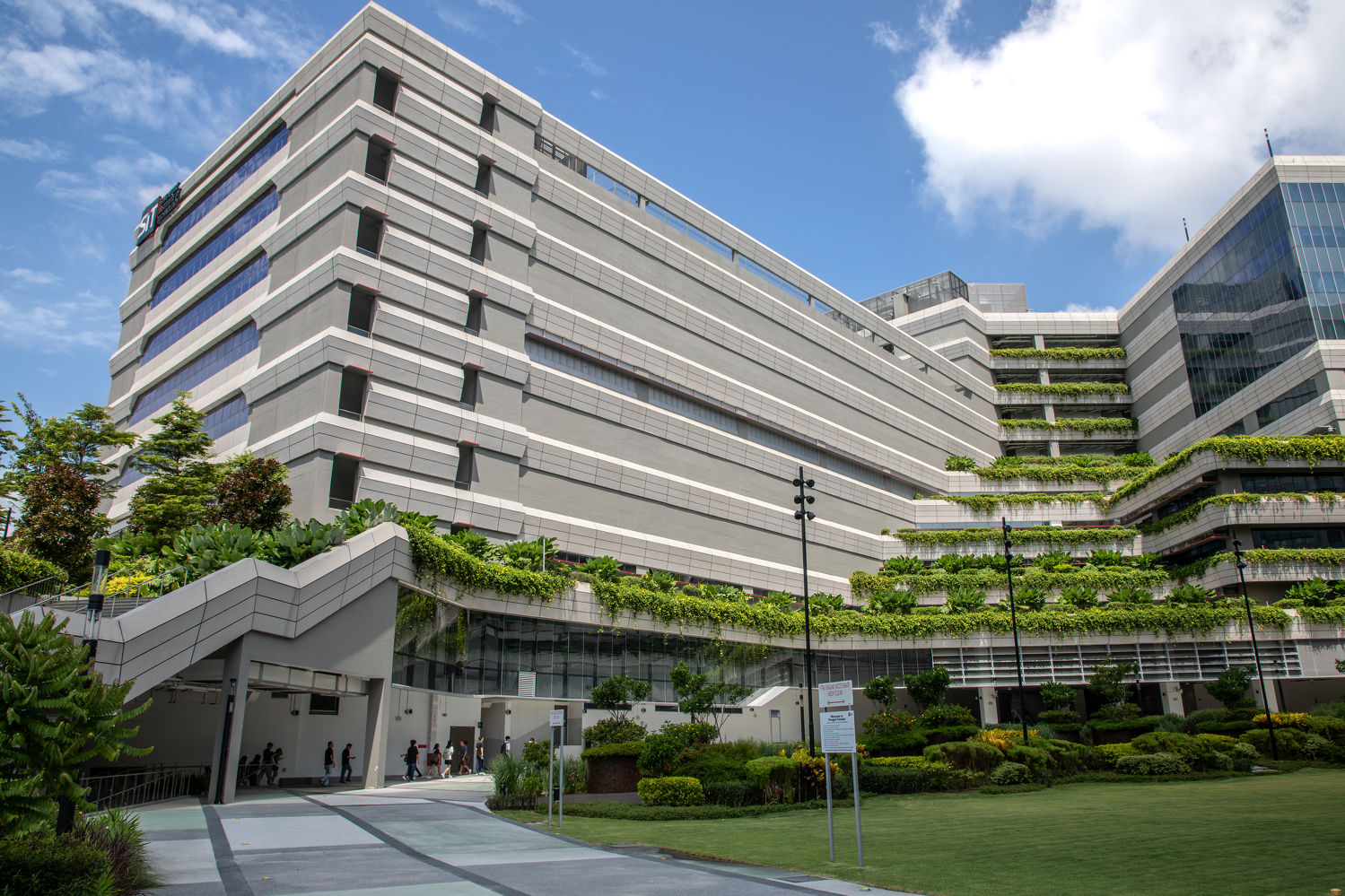
JTC rolled out its proprietary Open Digital Platform (ODP) at Punggol Digital District to support and improve district management. (Picture: JTC)
The ODP now covers Punggol Digital District and JTC Summit, a 31-storey commercial building at 8 Jurong town Hall Road in Jurong Lake District. The building is also the headquarters of the statutory board.
“The ODP is a new product and we aim to progressively implement it across our real estate portfolio. This type of smart facilities management is another tool for us to further improve our sustainability management,” says Tan. He adds that this digital tool will not only be used by JTC but also other government ministries where it is appropriate.
However, one challenge will be adapting JTC’s extensive portfolio of ageing industrial buildings to accommodate the digital infrastructure needed to support an extensive roll-out of ODP across its portfolio.
JTC has a roadmap to upgrade nearly all its older industrial buildings. “As long as we are able to upgrade systems like air-conditioning and lights, we aim to enhance nearly all of our properties,” he says.
However, installing smart systems into simple structures like single-storey factories may not be worth the cost. There are other active and passive measures which can be used to uplift these types of properties, such as using LED lights, landscaping and adaptive reuse strategies.
Value-chain planning
In addition to district and estate-level planning, JTC’s sustainability efforts look closely across the entire development value-chain. This starts with planning, design, construction and operations. It also caps the lifecycle of a building and estate with ongoing maintenance, leasing strategies and placemaking initiatives.
Replacing existing systems and equipment to be digitally compatible will be an expensive undertaking. This makes it imperative for us to consider everything from a lifecycle perspective and how it will fit into our ecosystem, instead of just the upfront costs, says Tan.
“As a property developer for industrial facilities in Singapore, we must take these end-of-life considerations as part of our responsibility, aligning ourselves to the needs of its tenants and end-users,” says Tan.
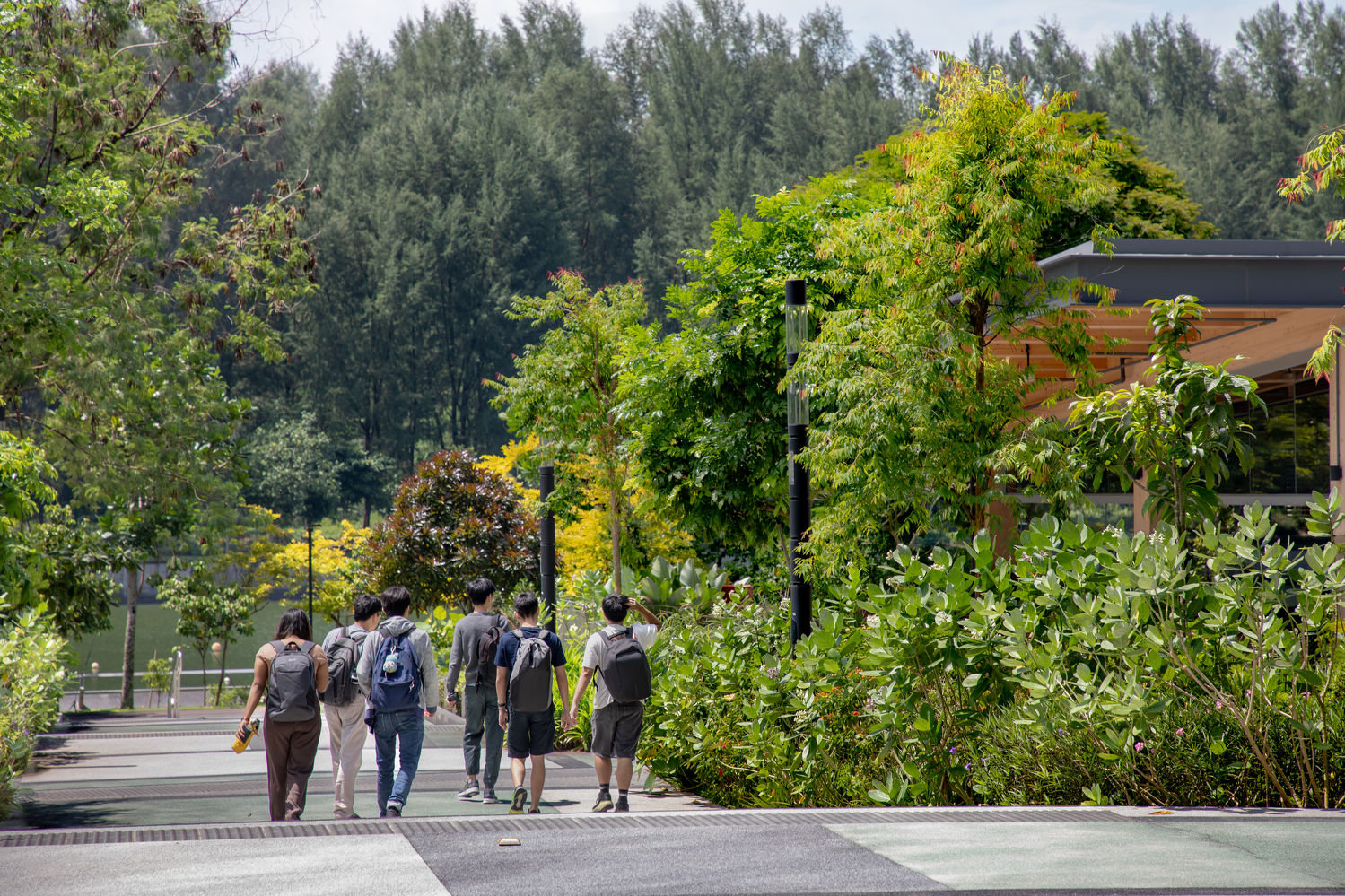
With ESG requirements from corporate industrialists on the rise, JTC is moving quickly to align to tenant needs. (Picture: JTC)
He adds that there are a growing number of industrial corporations who have adopted strong environmental, social and governance (ESG) obligations, that require them to be in green and sustainable developments.
JTC develops estates and buildings that are eligible for the Green Mark Platinum Rating. It also identifies certain estates and buildings for upgrading and asset enhancement, with the aim of achieving Green Mark status. “Collectively, we want to ensure that we deliver our vision of ‘Industry in Nature’ and create more conducive environments to work and do business,” says Tan.
Adaptive reuse strategies
Looking ahead, JTC will implement adaptive reuse strategies to uplift and reposition most of its older industrial buildings and estates. Tan says that most of the industrial buildings owned and managed by JTC are still in good condition and are well-positioned to benefit from enhancements and quality-of-life improvements.
Last June, JTC launched an industrial government land sale (IGLS) of a 4.41ha site at Kallang Way that integrates adaptive reuse as part of its planned rejuvenation of the area. This was the first IGLS site where an existing terrace factory will be retained and adapted for continued industrial use.
The site is part of a designated food zone and the repositioned site will include the co-location of food manufacturing spaces and retail uses such as F&B to inject vibrancy into industrial spaces and provide new amenities for surrounding community and residents.
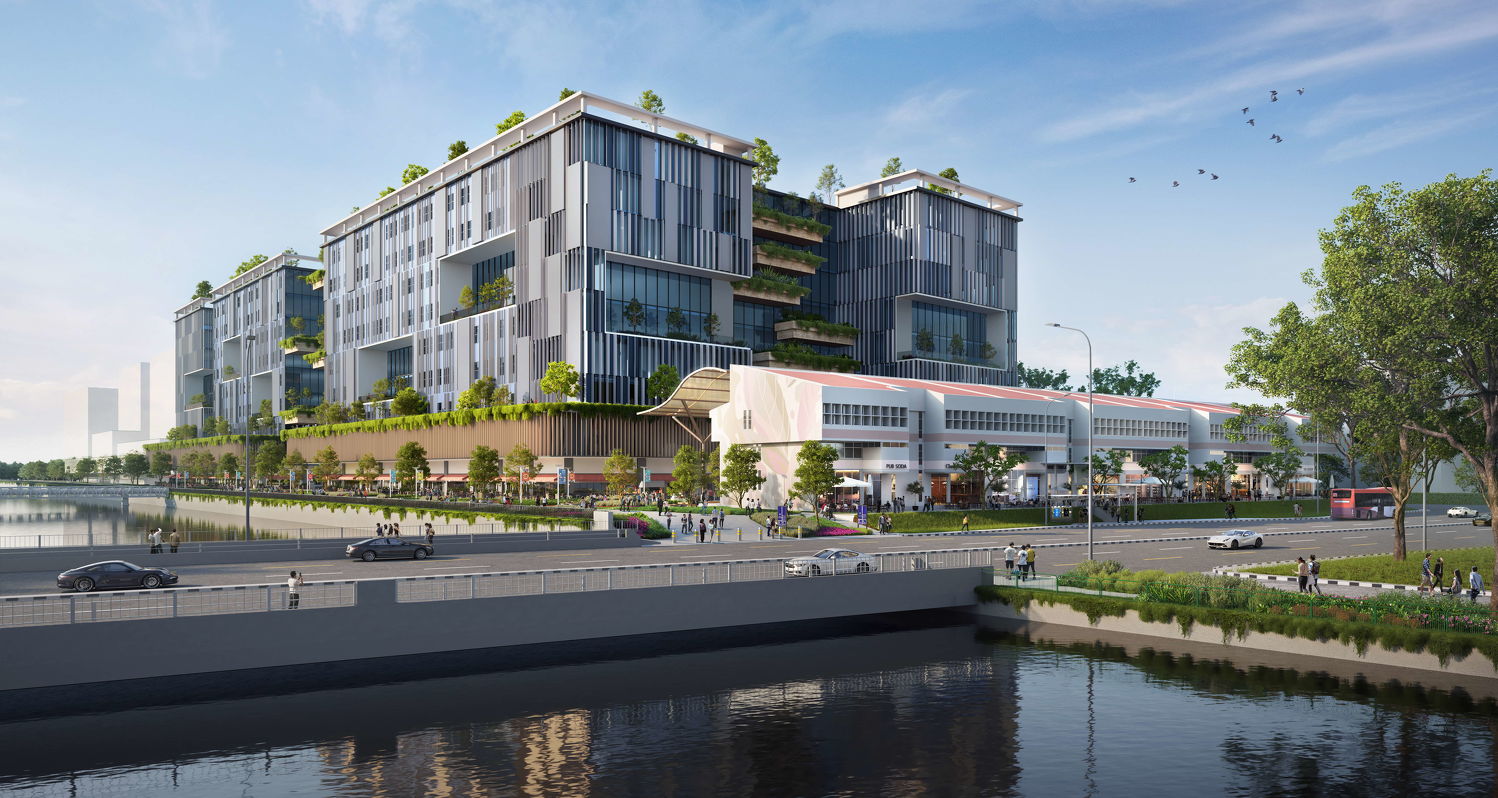
The Kallang Way industrial GLS site was the first to incorporate adaptive reuse conditions in the tender. (Picture: JTC)
As part of the overall conditions of the tender, the site will also have an extended lease of 32 years to allow the successful tenderer additional time to optimise the use of the site, access the retained building conditions and develop comprehensive plans.
The site has been awarded to CL Savour Property, a subsidiary of CapitaLand Development, after the tender closed on Oct 1 last year. The tender attracted four bids, with CL Savour Property submitting the winning bid of $368.9 million.
In June this year, JTC and URA jointly launched a competition to seek innovative proposals to remake the former Jurong Bird Park and Jurong Hill. JTC took back the land when the Bird Park moved to Mandai in 2023. The competition was launched in conjunction with the Draft Master Plan 2025 and is running until Jan 18 next year.
The 39.2ha site will be transformed into a mixed-use development that also enhances its integration with the large Jurong Industrial Estate and surrounding areas. Ideas should consider how to sensitively retain iconic landmarks such as Jurong Hill Tower and key features from the former Jurong Bird Park.
“Public engagement is important to us as we consider how to reuse historically significant sites. We want our efforts to develop ‘Industry in Nature’ to resonate with the public, because we also want them to enjoy the benefits that these new spaces will offer,” says Tan.
Follow Us
Property updates, 24/7.


Subscribe to Newsletter
Market insights, delivered weekly.
Top Articles
Search