
The melting ice cube: Leasehold pools of real estate assets
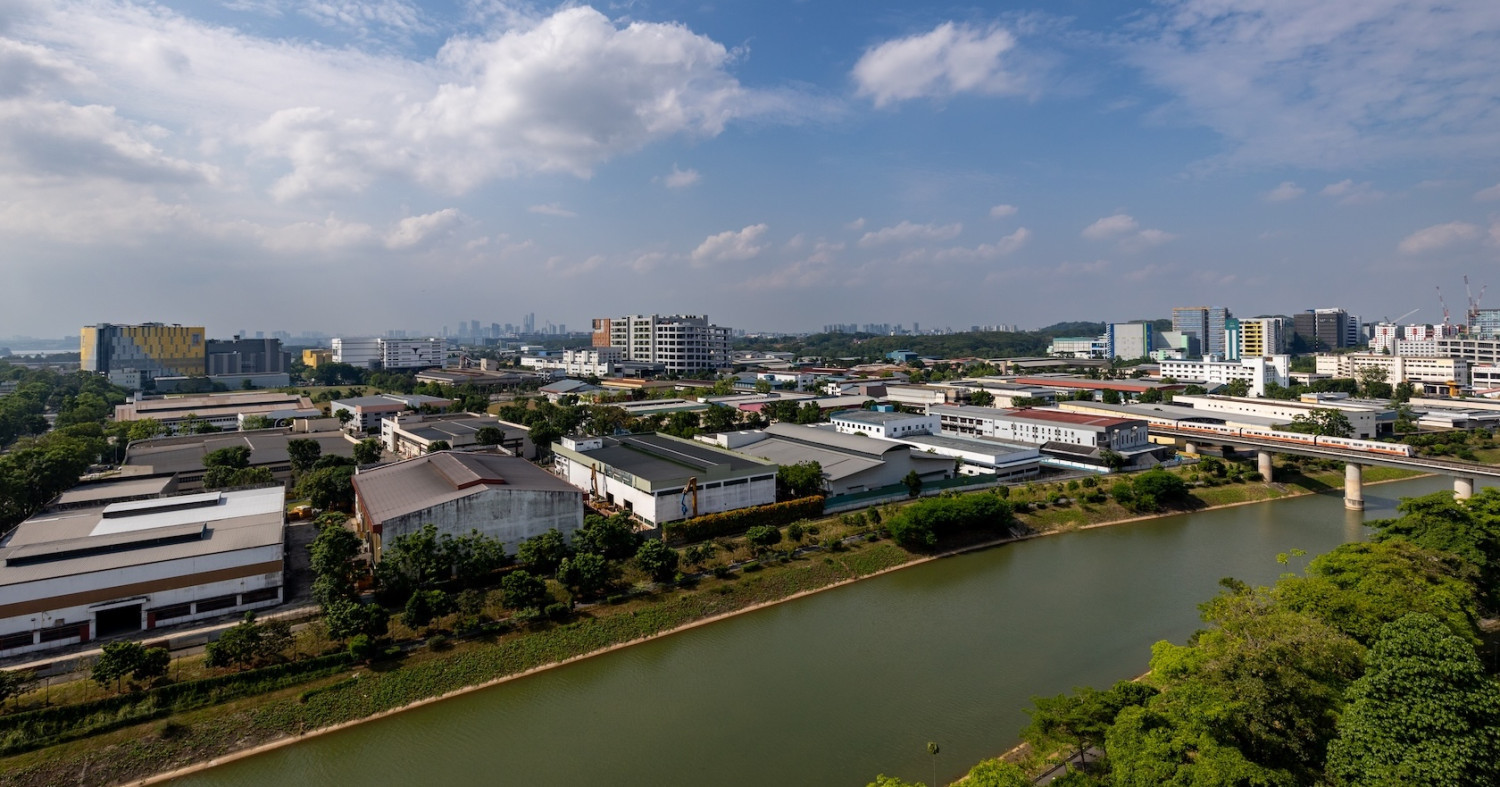
he asset is an ice cube; the cash flow is meltwater. Leasehold time doesn’t renew — it expires (Photo: Samuel Isaac Chua/EdgeProp Singapore)

Ask Buddy
I watched the ice cube in my glass shrink under the afternoon sun, its edges softening into the whiskey until nothing remained but a faint chill. That’s what some pools of real-estate assets feel like — while pretending to generate eternal cash flow.
Portfolios of property can be packaged and sold on the Singapore Exchange — structured for liquidity, dressed in yield and marketed as instruments of stability. They promise visible cash flows and the discipline of listed governance. The veneer is convincing.
Investors salivate at the “stable” income stream, a triumph of hope over fine print. What the prospectus buries is the decaying lease. The asset is an ice cube; the cash flow is meltwater. Leasehold time doesn’t renew — it expires. Each year you own less, edging closer to JTC or the state reclaiming the land, sustained only by hope of a benevolent extension.
The math is simple, which is why it’s so successfully ignored. Every distribution is a quiet raid on your finite right to occupy. Tenants pay, you get a cut, the manager gets a bigger cut (naturally), and the land’s value quietly marches back to the state. You are not an owner; you are a temporary custodian on a long, slow walk to surrender.
As Charlie Chan of Splendid Asia Macro Fund dryly observes, the premise is brutally straightforward: “A building with a 20-year lease has 20 years of rental remaining. After one year, it has 19. Absent shifts in interest rates or rents, the building price must fall.” He adds, “It is common sense that leasehold assets of a shorter remaining life behave like a melting ice cube.”
If a portfolio holds a significant tranche of buildings with short leases, its net asset value (NAV) compresses annually. A trust might proudly advertise a 7% yield, but if property values drop 2% a year as tenure erodes, the real return is closer to 5%. “You have to look at the total return analysis,” Chan emphasises.
But who’s counting? Certainly not the quarterly presentation.
The portfolio’s DPU looks like honest cash flow, yet a portion is simply the return of your own capital. This is depletion disguised as income. The vehicle must perform contortions — setting aside a sinking fund or diluting everyone with a rights issue — just to maintain the illusion.
Unitholders collect their distributions and feel richer, unaware that the principal is melting beneath their feet. A bull market accelerates the illusion as rising prices mask decay — until they stop rising.
Everyone is fixated on the next payout, not the shrinking asset base beneath it. A 5% or 6% yield looks the same whether it’s profit or tenure consumption. Valuation models curve smoothly to the lease-end cliff and then assume the world ends, or a miracle happens.
Falling interest rates can even lift valuations temporarily, making the arrangement look brilliant. But when rates rise, duration risk reveals itself. A 50 basis point drop in yields can mask three years of tenure decay; when rates reverse, the illusion shatters.
Renewal costs — the capital needed to buy new assets and prop up average lease life — are rebranded as “reinvestment,” an euphemism for resetting a clock you already paid for. Eventually, those resets consume the portfolio.
The manager’s formal task, as Chan puts it, is relatively simple: to get the best possible rent and use of the building. The real game is a choose-your-own-adventure where every ending — dilution or yield compression — is disappointing. Discipline would mean refreshing the portfolio before collapse. But long-leasehold assets are scarce, and discipline is scarcer.
There’s a further constraint: the manager can withhold only up to 10% of distributions for reinvestment before triggering adverse tax treatment. Beyond that, the only options are equity dilution or declining yield. It’s far easier to distribute the cash and let the problem compound elegantly. Governance hides this beautifully. New acquisitions arrive (triggering more fees), distributions flow, and the machine looks self-sustaining. It’s not. It’s a treadmill.
This is where the real wealth transfer occurs. Early unitholders enjoy high yields on eroding assets; late ones inherit the wreckage. The market has never priced terminal risk properly. It treats a 20-year lease like a 20-year bond, forgetting that bonds mature into cash while leasehold matures into nothing. Valuation conveniently stops at lease-end, as if the land’s reversion is irrelevant.
The cleverest trick is the dropdown. A sponsor develops an asset, sells it to the trust at a heroic valuation, and then collects fees for managing its decline. The structure becomes a conveyor belt moving ice from the sponsor’s freezer to your warm glass. The sponsor wins twice. You hold the empty glass.
Singapore’s efficient tax regime helps. Distributions have zero tax for individuals. After-tax yields look competitive. Investors mistake their own capital returning for a return on capital. It’s a profitable confusion.
But the amortisation of leasehold tenure — the silent consumption of your right — has no tax shield. No depreciation allowance, no offset. The capital simply vanishes, and the tax man shrugs.
Freehold risk is cyclical; leasehold risk is terminal. The market forgives the former, never the latter. One is volatile but timeless. The other is stable until it collapses. The yield is never clean income — it’s earnings and erasure mixed, a financial sugar rush before the crash.
Can you tell the difference between cash that replenishes and cash that merely returns? Without that, liquidity is spectral — a stream you watch while the ice melts.
Investors, like drinkers, prefer smoothness. They value continuity over honesty because a comforting lie compounds better than an uncomfortable truth.
I finished my drink. The glass was dry, the whiskey warmer than when I started. These pools of assets keep paying distributions long after I’m gone, but the principal evaporates one basis point at a time. The melt is slow enough to ignore — until the cube is gone and the yield turns to water.

Chunkky Lim is the pen name of a Harvard MBA and former hedge fund professional who now helms his family office, managing a diversified real estate portfolio across industrial, commercial and residential sectors.
Disclaimer: The author’s views expressed in this commentary are personal and do not reflect the editorial stance or corporate position of EdgeProp Publishing
Ask Buddy
Follow Us
Property updates, 24/7.


Subscribe to Newsletter
Market insights, delivered weekly.

Top Articles
Search