
PM Wong: Singapore’s North set for revival with new housing, RTS link and shipyard makeover
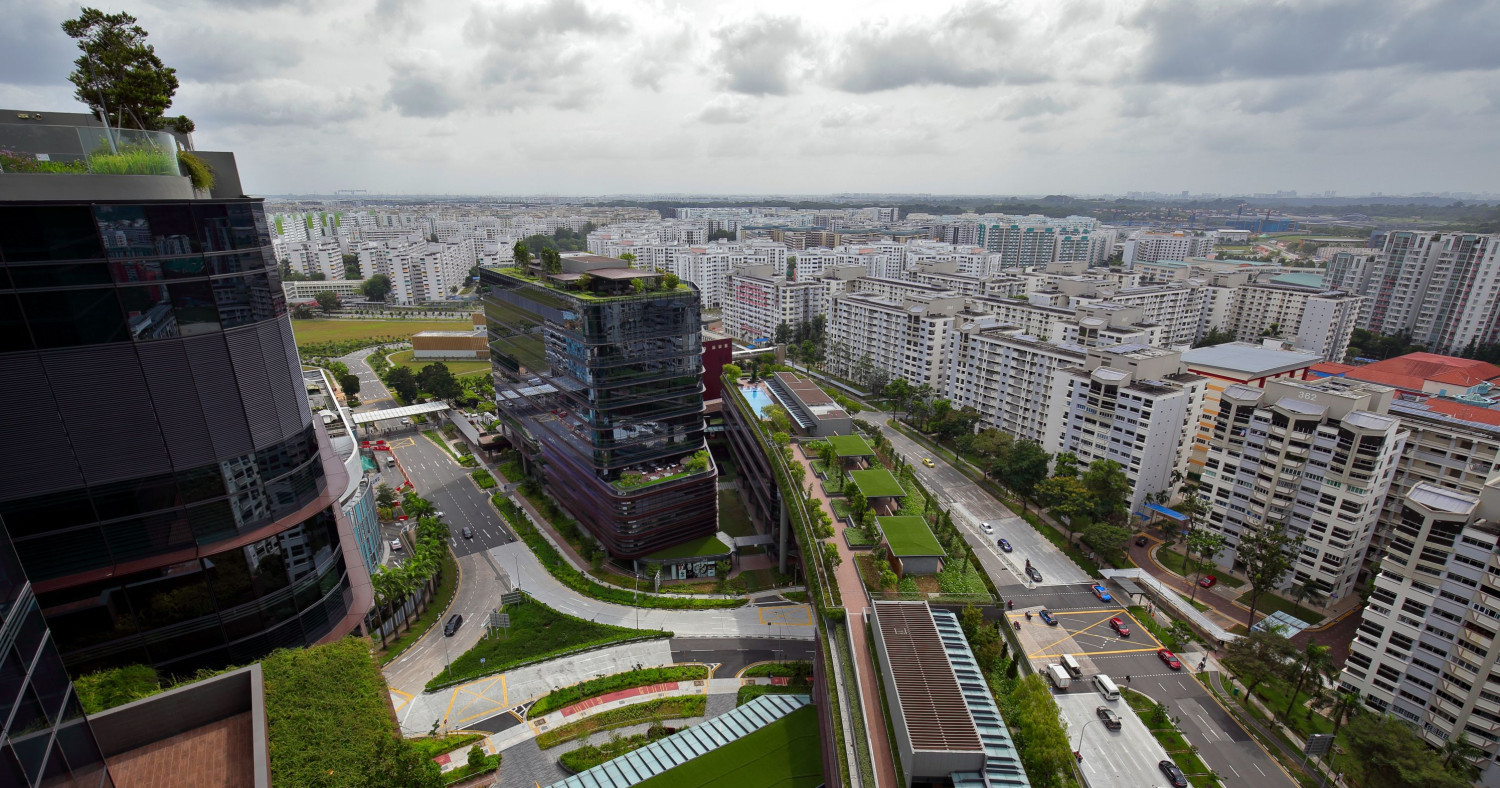
Woodlands as seen from Woods Square. The North Region will benefit from its proximity to the RTS Link and Johor-Singapore SEZ. (Picture: Samuel Isaac Chua/The Edge Singapore)
During his National Day Rally speech on Aug 17, Prime Minister Lawrence Wong said that after 60 years of nation-building and urban development, Singapore must re-examine its land use and explore new ways to support future housing needs, economic activity, and transport infrastructure.
The PM focused on the latest development plans for Woodlands, Kranji, and Sembawang in the North Region. These were announced in the Draft Master Plan 2025, the government’s land use blueprint for the next decade, which was released in June.
Woodlands as the Northern Gateway
Woodlands’ importance as Singapore’s northern gateway is set to grow with the upcoming Johor Bahru-Singapore Rapid Transit System (RTS) Link, due for completion next year, and its proximity to the Johor-Singapore Special Economic Zone (JS-SEZ).
PM Wong highlighted the JS-SEZ’s potential for both sides to tap their “complementary strengths” but stressed that full benefits will only be realised with improved cross-border connectivity.
Singapore is redeveloping Woodlands Checkpoint (WCP), expanding the compound fivefold over the next 15 years. The redeveloped facility will be progressively operational from 2028. The Immigration and Checkpoints Authority (ICA) announced in January that the expansion would require both land reclamation and acquisition. In June, ICA confirmed plans to extend WCP at the Old Woodlands Town Centre, with construction set to begin in 3Q2025.
Meanwhile, construction on the RTS continues. The standalone light rail system remains on track for completion by the end of 2026. It will serve up to 10,000 commuters per hour, per direction, easing congestion at WCP.
RTS, SEZ catalysts
On the Johor side, the RTS will terminate at Bukit Chagar Station. In Singapore, it will connect to Woodlands North Station on the Thomson-East Coast Line (TEL).
Passengers will clear both Singapore and Malaysia immigration at their point of departure. On the Singapore side, flexible industrial spaces are being developed to support businesses keen to leverage the JS-SEZ.
The RTS station and Woodlands North on the TEL will anchor a new Multi-Modal Transport Hub (MMTH), part of a larger mixed-use business-white development with offices and retail, called Woodlands Gateway.
Read also: North star: the rise and rise of Woodlands
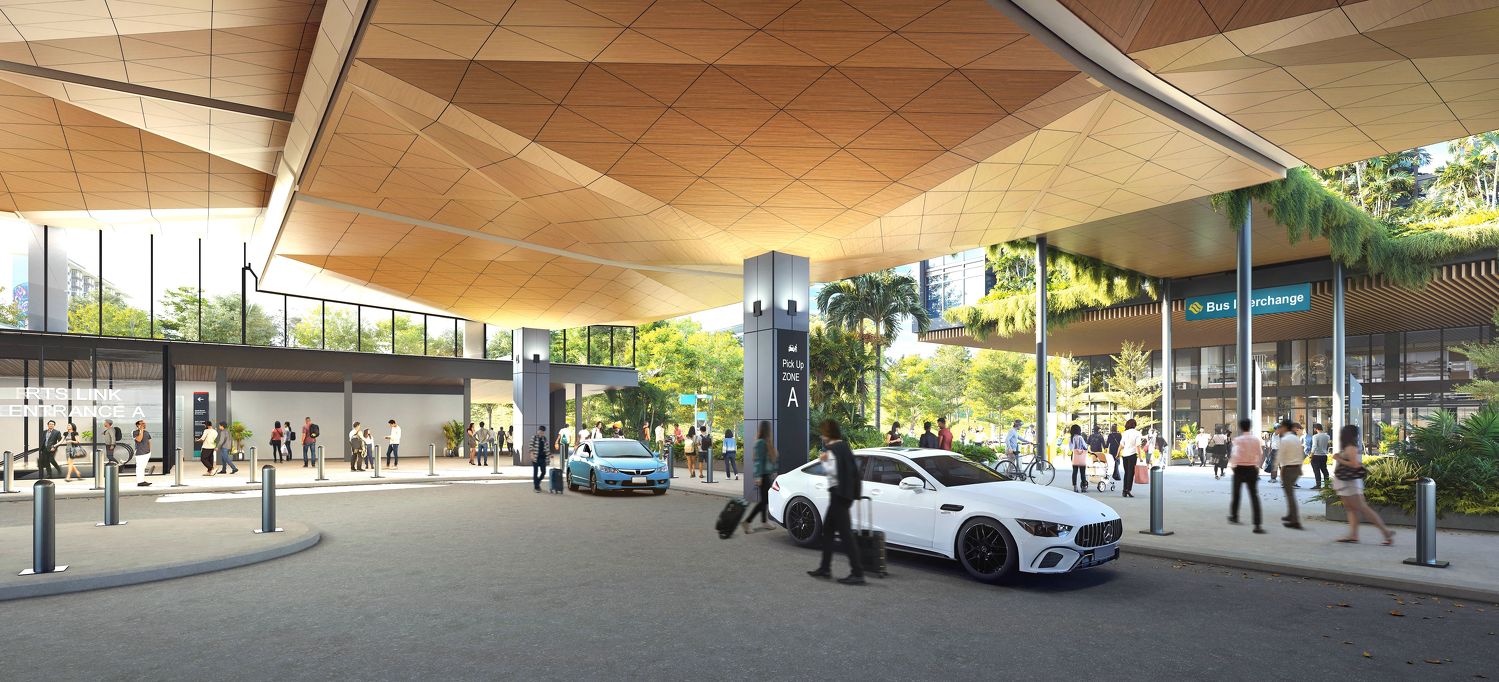
A new multi-modal transport hub will make up part of Woodlands Gateway in Woodlands North Coast. (Picture: URA)
‘Housing by the Woods’
Next to Woodlands Gateway, about 4,000 new homes will be built in a “Housing by the Woods” precinct. Two BTO projects have already been launched: the 1,563-unit Woodlands North Verge (February 2025) and the 1,148-unit Woodlands North Grove (July 2025). A new waterfront precinct, Woodlands Waterfront, has also been outlined.
Eugene Lim, key executive officer of ERA Singapore, said the government is balancing growth with affordability in Woodlands. New BTO projects in Woodlands North Coast and Sembawang North offer accessible price points, layouts from two-room to three-generation flats, and ample green spaces.
“This promotes inclusivity for first-time buyers, young families, and upgraders,” says Lim. “Woodlands is projected to become the second-largest HDB town, after Tampines.” He added that better cross-border connectivity could attract more Malaysian workers employed in Singapore to live closer to the RTS, boosting rental demand.
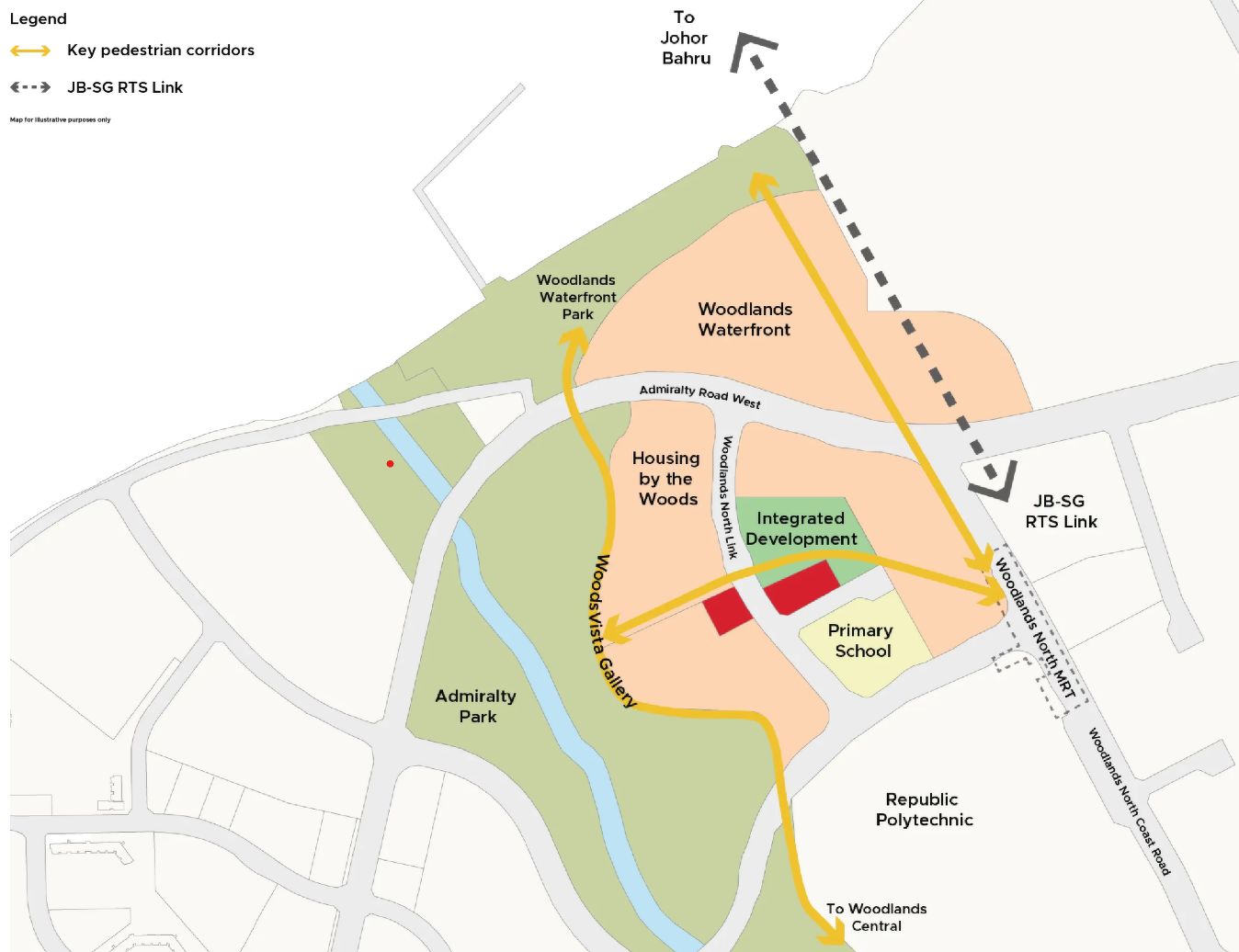
Next to Woodlands Gateway, about 4,000 new homes will be built in a “Housing by the Woods” precinct. (Graphic: URA)
Median condo prices in the north up 38.2%
According to ERA, Singapore’s North Region has seen relatively lower new housing supply in Sembawang and Sungei Kadut. Between 2020 and July 2025, median condo prices in Sembawang, Sungei Kadut, and Woodlands rose 38.2%, compared to 42% for the non-landed Outside Central Region (OCR) index.
However, HDB resale prices in Sembawang and Woodlands surged 54% to 89% in the same period, outpacing the national HDB Resale Price Index’s 54% rise.
Rents also climbed sharply, with average rents in the north up 82% over five years to $3.89 psf per month, exceeding growth across the OCR.
Kranji Racecourse redevelopment
The government is also studying plans to redevelop the former Singapore Racecourse into a new residential precinct. The last race was held in October 2024, and the 130ha site will be returned by March 2027.
“This is a rare opportunity for a major transformation,” said PM Wong, noting that the site could accommodate about 14,000 new homes.
The first tranche of public housing there could be ready in about 10 years. The area is already served by Kranji MRT Station on the North-South Line (NSL), and connectivity will be further enhanced with the Sungei Kadut Interchange, linking the NSL and Downtown Line, when it opens in 2035.
ERA expects homes in the North Region to see sustained value growth over the next decade, supported by improved transport links, new amenities, and cross-border opportunities. Relative affordability and stronger connectivity could narrow the price gap between northern towns and some central and eastern neighbourhoods.
transformation
Another major project is the transformation of Sembawang Shipyard into a waterfront lifestyle precinct. PM Wong said the government will capitalise on the coastline to create a new town three times the size of Ang Mo Kio Town Centre, featuring new concepts for dining, retail, and community spaces.
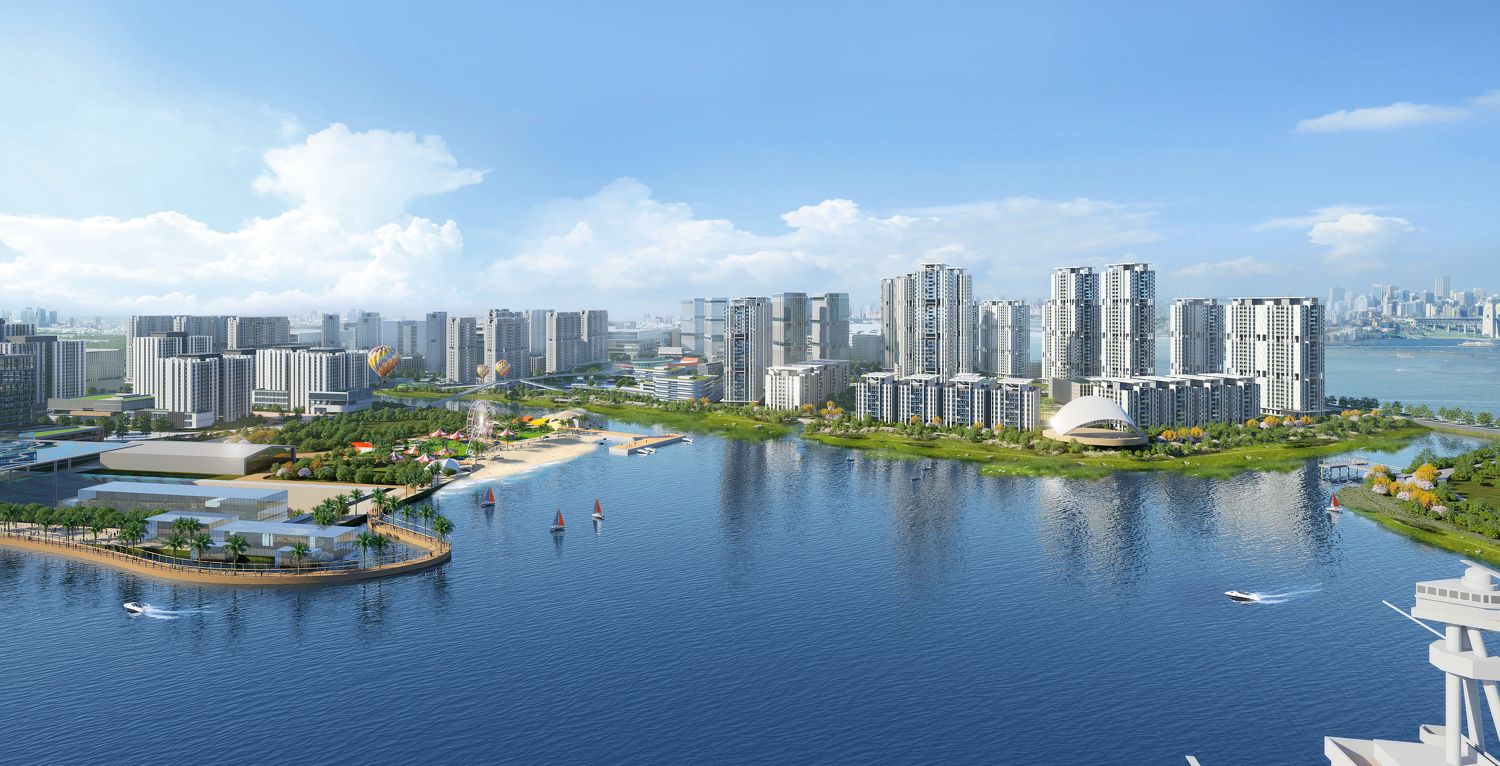
At Sembawang Shipyard, the government plans to develop a new town three times the size of Ang Mo Kio Town Centre. (Picture: URA)
The Draft Master Plan outlines two proposals:
- A modern mixed-use hub with an industrial wharf character, put forward by the Singapore Institute of Architects.
- A live-in waterfront heritage town, proposed by the Singapore Institute of Planners.
Redevelopment will preserve the area’s maritime heritage while creatively reusing landmarks. The 305m King George VI Dock could be repurposed as a sunken public plaza for sports and recreation. The former Naval Workshop could host media production, start-ups, and artists, alongside cafes and co-working spaces. The conserved 1938 Sembawang Fire Station could become a community and lifestyle hub.
“While these plans are still on the drawing board, the government is committed to making them a reality,” PM Wong said. “In Singapore, you know that we do not just plan, we make things happen.”
He drew a parallel to the 1996 National Day Rally, when then-PM Goh Chok Tong unveiled the Punggol 21 project. Nearly three decades on, Punggol is now a “thriving, beautiful town”.
“Just as we transformed Punggol, these plans will take shape in the years ahead,” PM Wong said. “Kranji and Sembawang will flourish as vibrant towns — full of life and opportunity.”
Follow Us
Property updates, 24/7.


Subscribe to Newsletter
Market insights, delivered weekly.
Top Articles
Search