
Singapore vs Hong Kong: How space defines a nation’s soul
![Singapore’s minimum size for public housing is 36 sqm (388 sq ft) [Photo: Samuel Isaac Chua/EdgeProp Singapore]](https://img.tepcdn.com/img-style/simplecrop_article/89283250.jpg)
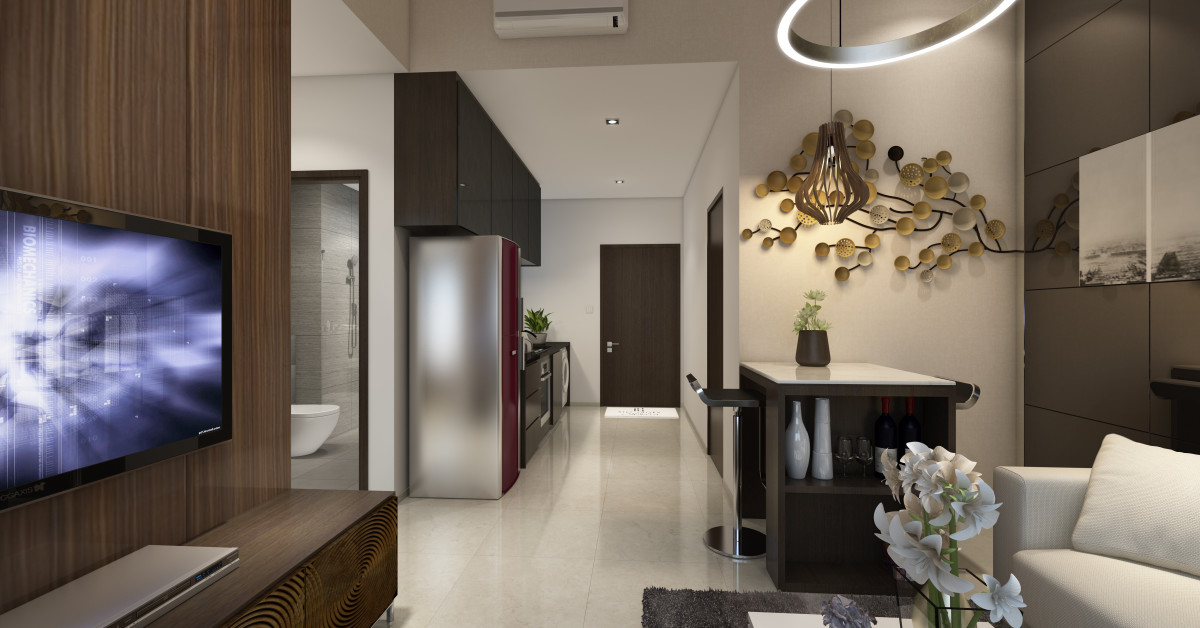
Singapore’s minimum size for public housing is 36 sqm (388 sq ft) [Photo: Samuel Isaac Chua/EdgeProp Singapore]
Space, the final frontier. Space, in Hong Kong and Singapore, is measured in square metres, not light years.
In the high-stakes arithmetic of Asian urbanism, the calculus of a human life is increasingly reduced to a simple, brutal formula: the square metre. Two numbers — 36 and 21 — have come to define how two world cities imagine dignity itself.
I. The geometry of minimum-sized public housing
Singapore’s minimum size for public housing is 36 sqm (388 sq ft). It’s the HDB’s bargain: constraint as contract — compact, complete and dignified enough to secure belonging.
Hong Kong’s minimum 21 sqm (226 sq ft) internal area and 26 sqm (280 sq ft) saleable area for public housing exists in a different universe of constraints. With no HDB-style builder to marshal land, housing there is a brutal tango between a government that rations supply and property developers who monetise scarcity.
With more than 75% of the land effectively off-limits to housing — including its vast country parks — Hong Kong’s landscape honours the MacLehose Trail, a 103km testament to a city that runs but rarely rests.
II. The arithmetic of aspiration
In Singapore, nearly 77% of households live in HDB flats as owners. For those who don’t: waiting times are measured in nuptial courtship. (The five-room units of the 1980s averaged 120 sqm to 135 sqm; today’s new two-room Flexi flats are now 36 sqm).
Hong Kong is the inverse: around 29% live in Public Rental Housing, another 16% in subsidised ownership schemes. The average waiting time for a rental flat now exceeds five years — down from a recent peak above six.
Hong Kong’s Light Public Housing plan goes smaller still: temporary rentals of approximately 13 sqm (for one to two persons) and 25 sqm (for three to four persons) — which is to say, Hong Kong no longer rents flats; it rents hope — the city that once sold ownership now rents reprieve measured in the footprint of a carpark lot. (HK$10.2 million for a parking bay at The Peak in 2021 is costlier than the slightly larger million-dollar HDB).
Either way, the floor plan becomes destiny. At 21 sqm, your bed is your desk is your ambition.
III. The cognitive squeeze
Living in a 36 sqm space requires efficiency and discipline — a Marie Kondo-level of ruthlessness and clever furniture placement. Yet 36 sqm is livable. There is room to sleep, eat, work and host a friend without every activity collapsing into the same footprint.
Read also: More than enough space in all segments
Drop to 21 sqm internal space and liveability crosses into endurance. In 21 sqm, a child’s homework shares the dining table with dinner; laughter and tension occupy the same decibel. A flat thus becomes a constant negotiation — with possessions and moods.
And at 13 sqm, the elephant in the room has been evicted — square footage does not permit metaphors. The stress of clutter becomes the air itself. Focus falters; rest fragments. The city, in its relentless drive for density, is engineering anxiety one shoebox at a time.
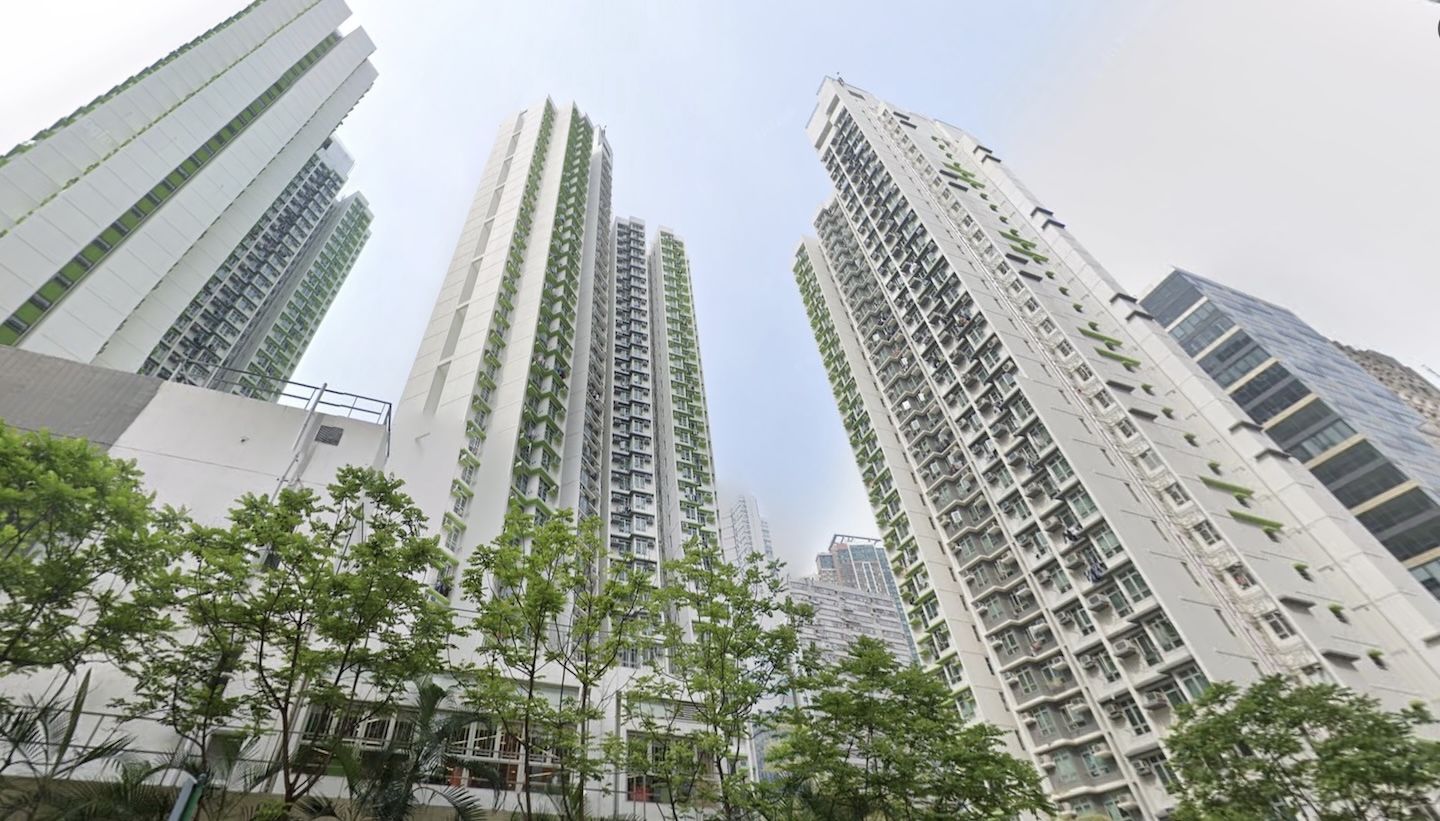
Hong Kong’s minimum 21 sqm (226 sq ft) internal area and 26 sqm (280 sq ft) saleable area for public housing exists in a different universe of constraints (Source: Google Maps)
IV. The spiritual cost of square metres
Architecture shapes behaviour, and behaviour, belief. In dense cities, privacy feels decadent, silence indulgent, spontaneity a luxury.
Equitable access to space is not a privilege, but a public health necessity. Dr Wang Xize of NUS found in his 2023 Urban Studies paper on Beijing that living space inequality is a key driver of mental health disparities.
An additional 10 sqm per person lowered depression probability by 27.7%, while households with over 1.5 persons per bedroom were 1.2 times more likely to exhibit depressive symptoms.
The question, then, is not whether 36 sqm or 21 sqm is “enough” but what kind of citizens those dimensions produce — and what we’re willing to accept in the name of density.
V. The urban psychology of hope
In Singapore, couples kneel at the wedding altar to gain entry to 36 sqm of the future. In Hong Kong, applicants bow at the waiting-list altar to secure 21 sqm of now. Public homeownership, it turns out, is delivered more through ritual than architecture.
Singapore and Hong Kong share a singular faith — that wealth, however elusive, is always built on concrete.
Singapore’s liturgy is order: the HDB key as rite, the 99-year lease (stressfully ever appreciating) as comfort. Anxiety is domesticated — budgeted, calendared, made to behave.
Hong Kong’s response is perpetual crisis management. The government cycles through housing schemes — each promising relief, each delivering incrementally. Short-term leases set the tempo; ownership hovers on the horizon.
Both cities have prioritised housing supply above all else — and by that metric, succeeded.
But they’ve made different philosophical bets about what housing supply should achieve. Singapore offers dignity through the promise of ownership and predictability — you sacrifice space, gain security. Hong Kong offers a different compact: stability is not on offer. What you get is the constant negotiation of shelter.
Both treat housing anxiety not as pathology but as a structural condition — proof that density demands its own kind of resilience. These are not failures; they are choices — informed by geography, ideology, and who profits from scarcity.
The unresolved question is whether each city will widen its public-housing toolbox — from ownership and rental to variable-term leases, co-living, and other mixes of permanence and community — rather than endlessly optimising a single model set decades ago.
VI. Epilogue: The last square metre
Each night, whether in Toa Payoh or Tsuen Wan, citizens close the door to a small but safe space and pretend the city outside is manageable.
Tomorrow’s flats may shrink further, but the human need for room to think, to fail, to dream will not.
The future may bring even smaller flats — with AR windows and AI robot chef kitchens; at least the robots won’t complain about storage.
The soul of a nation is not found in its grandest Good Class Bungalows, but in the dimensions of its most humble homes.
At what point does efficiency stop serving dignity — and start eroding the soul? The high-stakes arithmetic of urbanism reduces a life to square metres. But in this brutal calculus, what is the value of a dream when the space to have it in has vanished?

Chunkky Lim is the pen name of a Harvard MBA and former hedge fund professional who now helms his family office, managing a diversified real estate portfolio across industrial, commercial and residential sectors.
Disclaimer: The author’s views expressed in this commentary are personal and do not reflect the editorial stance or corporate position of EdgeProp Publishing
Follow Us
Property updates, 24/7.


Subscribe to Newsletter
Market insights, delivered weekly.
Related Articles

Top Articles
Search