Surging AI use to accelerate demand for neoclouds: JLL

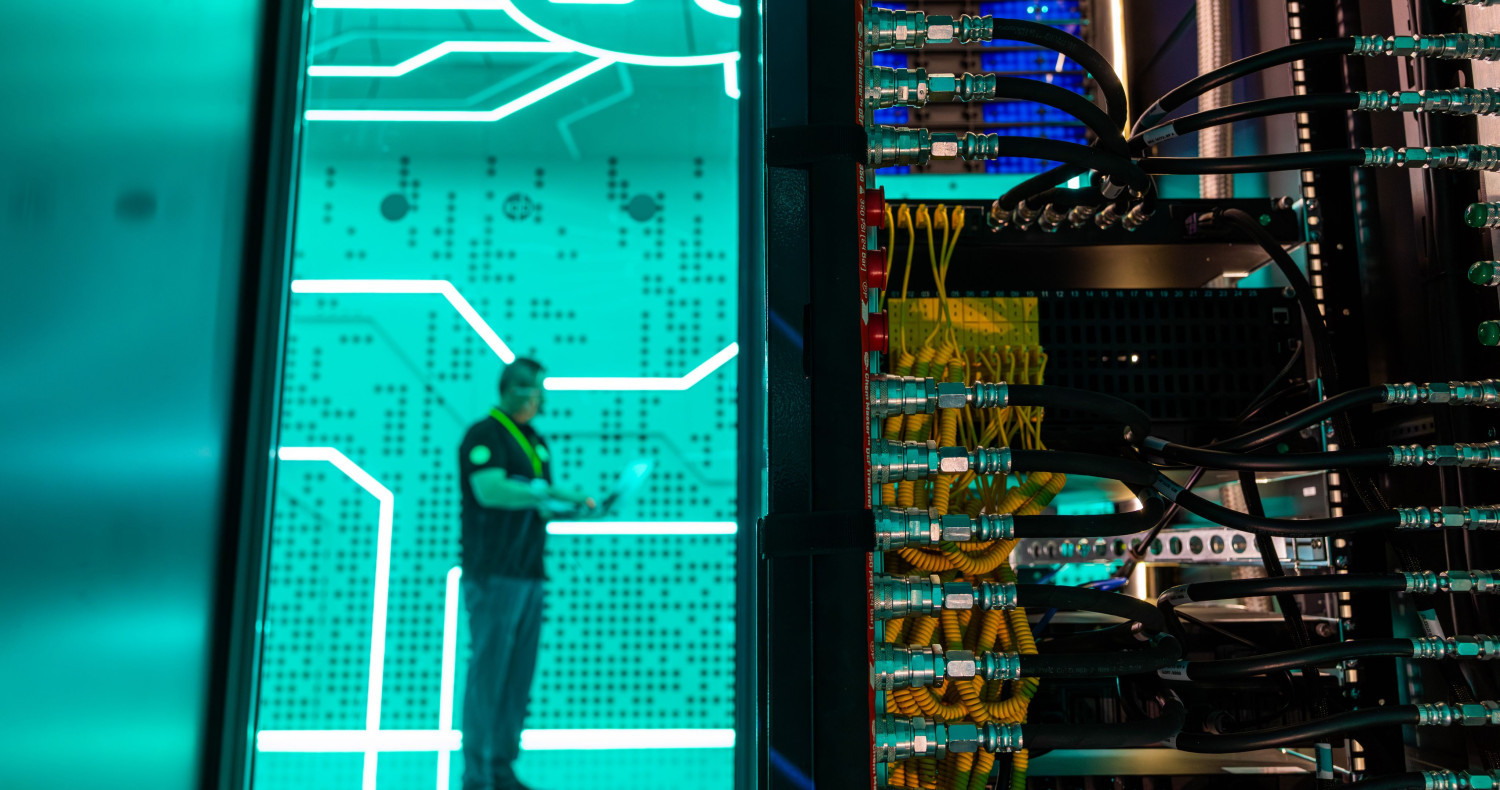
According to JLL, the “insatiable appetite” for AI, coupled with limited supply from traditional cloud providers, is fuelling demand for neocloud infrastructure (Picture: Bloomberg)
The demand for neoclouds, a new class of cloud solutions, is expected to surge amid rapidly increasing AI adoption. According to research by JLL, the “insatiable appetite” for AI, coupled with limited supply from traditional cloud providers, is leading to a rise in neocloud infrastructure as an alternative to hyperscalers.
Neoclouds refer to cloud solutions focused on delivering high-performance graphics processing units (GPUs), or GPU-as-a-service (GPUaaS). Unlike traditional hyperscalers such as Amazon Web Services, Microsoft Azure and Google Cloud that offer large-scale cloud computing services across broad use cases, neocloud providers offer flexible, on-demand access to GPUs that are optimised for demanding AI and machine-learning workloads. Examples of major neocloud providers include CoreWeave, Nebius and Crusoe.
JLL says a major advantage of neoclouds is their ability to deploy high-density GPU infrastructure quickly, versus multi-year builds common in hyperscale data centres. Andrew Batson, head of data centre research for the Americas at JLL, adds that neoclouds have developed an advantage over traditional cloud providers by offering lower prices with flexible terms. “As AI shows no signs of slowing, its success will rely on accessibility to GPU infrastructure, which neoclouds specifically cater to,” he continues.
Advertisement
Advertisement
JLL estimates that the global neocloud segment recorded a whopping 82% compound annual growth rate between 2021 and 2025 off the back of rising competition for AI capacity and GPU resources.
Despite the rise of neoclouds, JLL does not anticipate this to impact hyperscalers detrimentally. “Given the specialisation in AI-workloads that characterise neoclouds, hyperscalers will be better equipped to provide the diverse range of computing services preferred by many global enterprises,” the firm says.
Additionally, neoclouds require specialised infrastructure, including high power density and advanced cooling systems. This has resulted in higher capital requirements and shorter lease terms that increase the investment risk for neocloud infrastructure as compared to traditional data centres.
Ultimately, the growth of neoclouds will rely heavily on investments, says Mohd Syafiq, director of data centre research for Asia Pacific at JLL. “Funding will be a major factor to translate the potential of neoclouds into a reality capable of handling the AI load.”
Follow Us
Property updates, 24/7.
Subscribe to Newsletter
Market insights, delivered weekly.