
As condos age, property managers navigate retrofitting, en bloc ambitions and rising maintenance costs

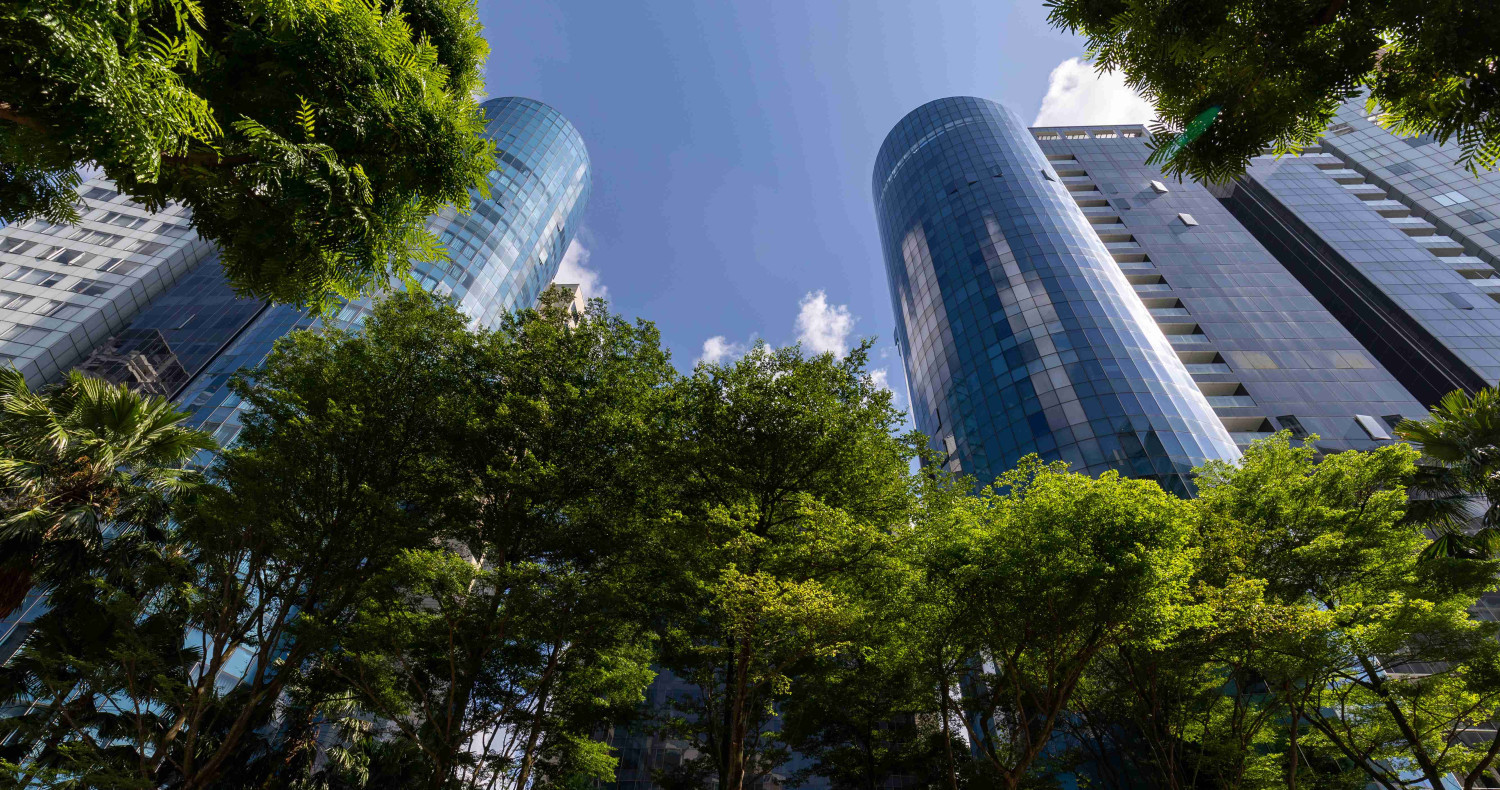
The owners of the 18-year-old St Regis Residences recently upgraded the lobby and other common areas, ensuring that the developoment remains competitive alongside newer luxury projects in the area (Photo: Samuel Isaac Chua/EdgeProp Singapore)

Ask Buddy
To hear Eleana Teo tell it, property management is as much about people management as it is about buildings.
Take a private condo with 1,000 units and an average household size of three. “In reality, you’re not just dealing with three residents in a household,” says Teo. “There could be a helper, pets, tutors, music teachers — and sometimes even a chauffeur, tennis coach or swimming instructor entering the estate regularly.”
Teo likens managing a large condo project to managing a small town. “The number of people coming through the development is far beyond the registered residents,” she adds.
For Teo, managing director (strata management) and head of corporate services at Knight Frank Property & Facilities Management, the challenge becomes even more complex in ageing private condos, where managing agents must balance day-to-day operations with long-term asset preservation. Increasingly, it also involves mediating between owners debating whether to invest in costly retrofitting or pursue a collective sale.
Teo has been with Knight Frank for over two decades and has specialised in property management for more than 30 years. Under her leadership, Knight Frank manages more than 150 strata-titled developments with over 50,000 units, of which about 85% are private residential projects.
About 40% of these projects have been managed by Knight Frank for at least a decade, with many for more than 20 years, including Ardmore Park, Nassim Mansion, The Arcadia and Yong An Park.
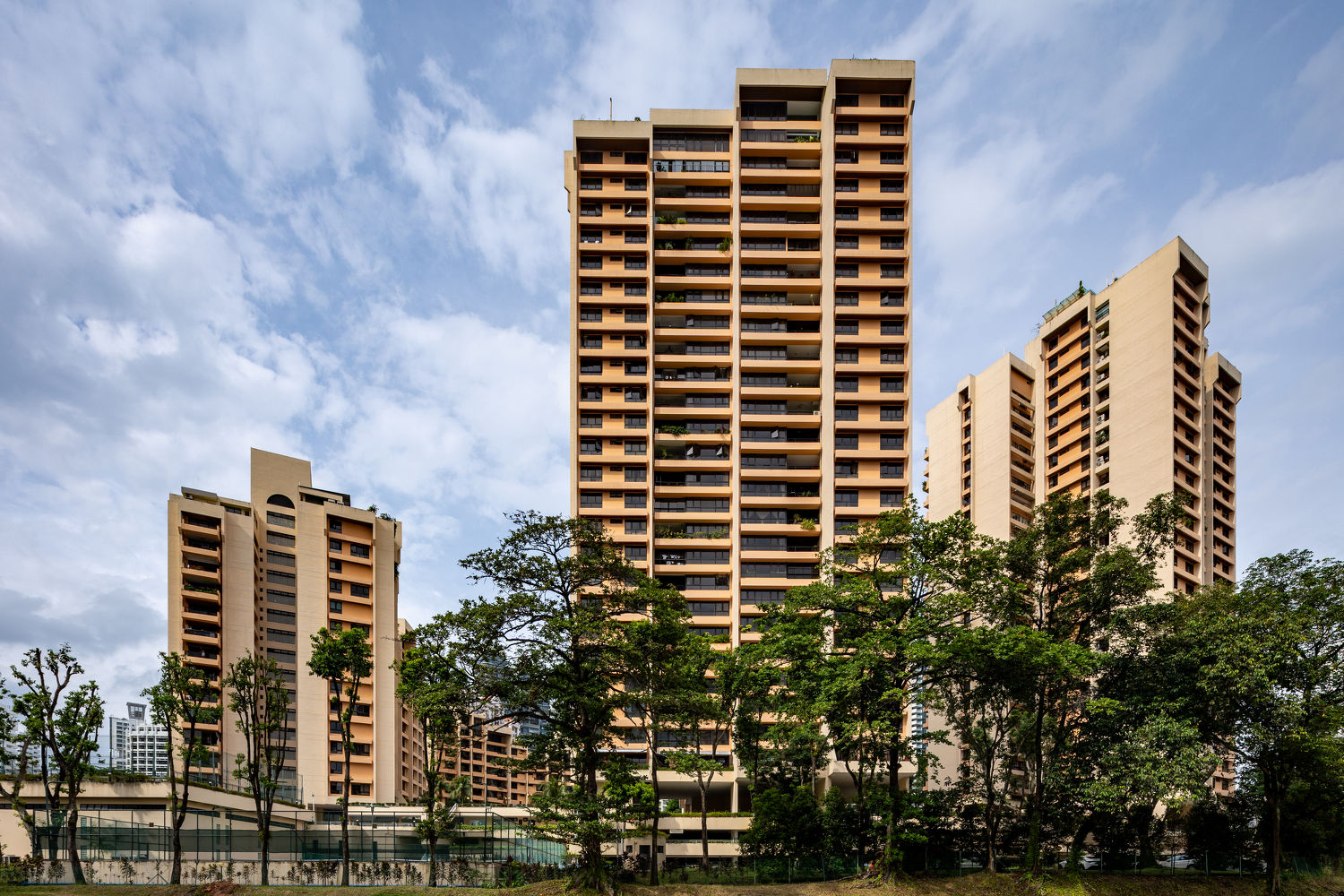
Yong An Park is one of the condos in the prime disticts that Knight Frank has managed for over 20 years (Photo: Samuel Isaac Chua/EdgeProp Singapore)
Meanwhile, around 5% of the developments are new, for instance, the 376-unit The Avenir in River Valley, completed in 2024; the 512-unit Lumina Grand executive condo in Bukit Batok that has yet to obtain temporary occupation permit (TOP); and the 372-unit Amo Residences at Ang Mo Kio Rise, which obtained TOP a few months ago.
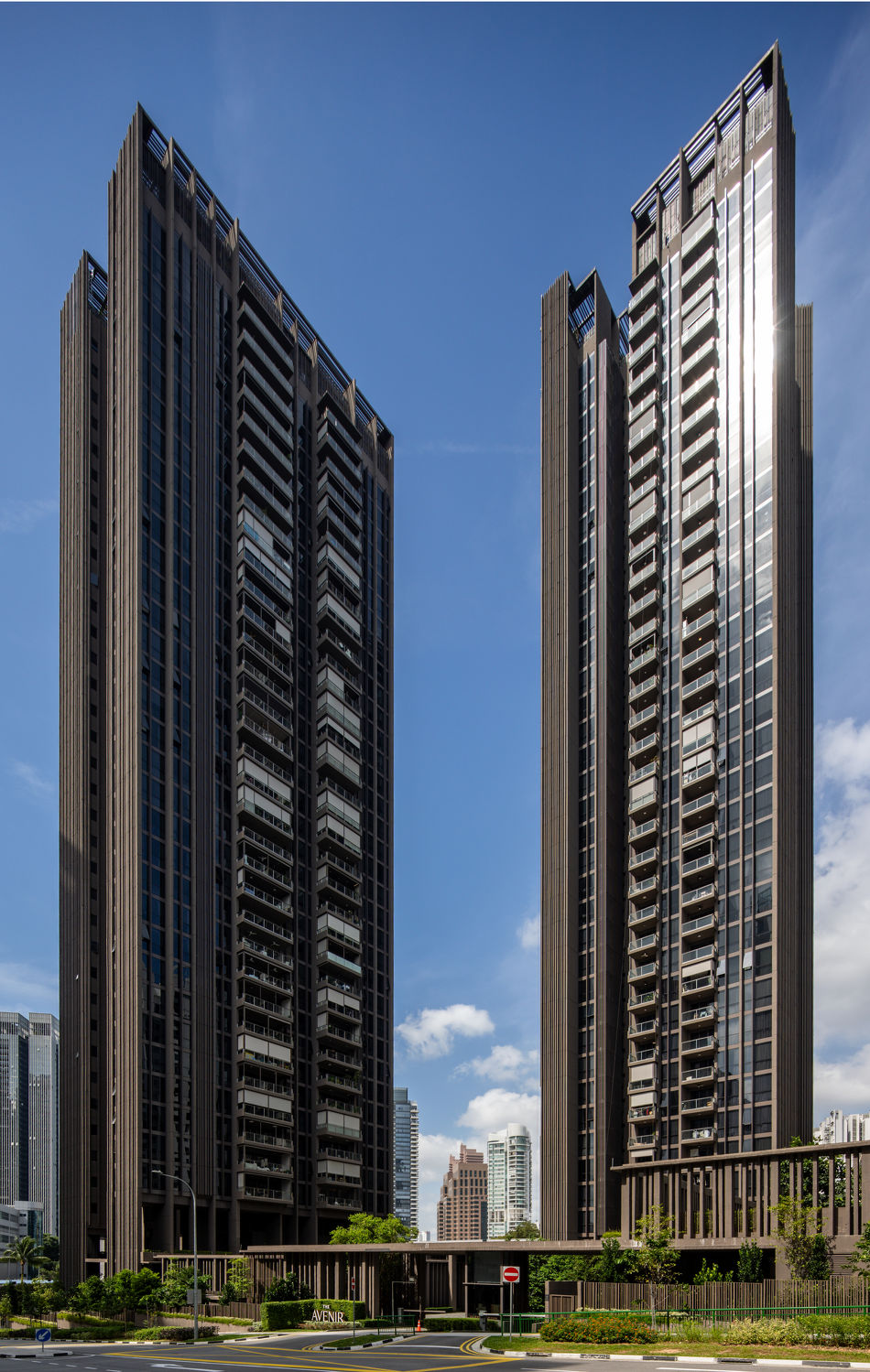
One of the newly completed condos that Knight Frank is managing is the 376-unit The Avenir, completed in 2024 (Photo: Samuel Isaac Chua/EdgeProp Singapore)
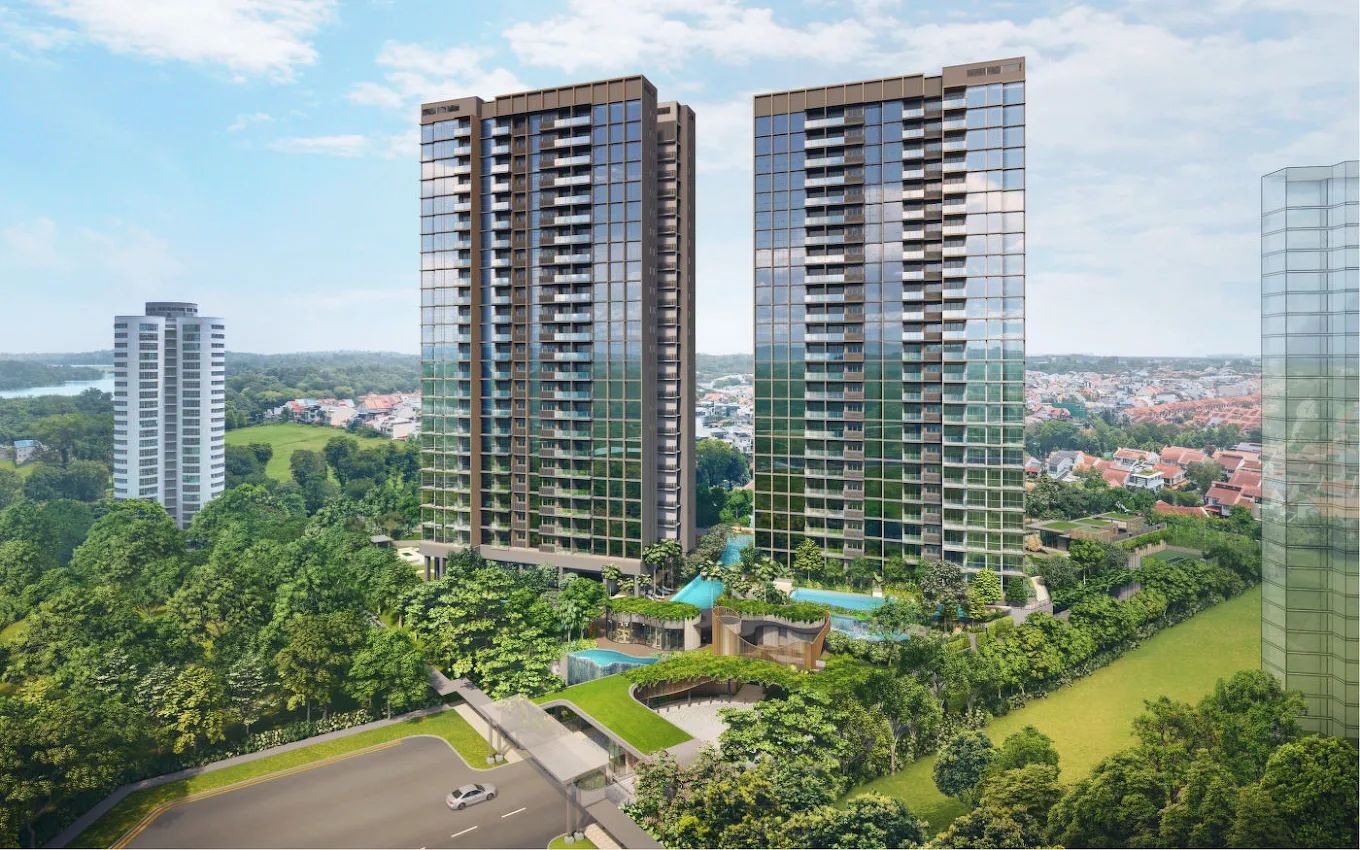
Knight Frank is also managing Amo Residences at Ang Mo Kio Rise, which obtained TOP just a few months ago (Photo: UOL Group/Amo Residences)
‘Value protection through asset enhancement’
Teo estimates that almost 60% of Knight Frank’s appointments are in Singapore’s prime districts of 9, 10 and 11. They include the Ardmore series — Ardmore Park, Ardmore II and Ardmore Three — as well as Nassim Mansion, Nassim Park Residences, St Regis Residences, The Arcadia and Yong An Park.
“Owners in these mature developments place a strong emphasis on institutional memory and long-term asset planning,” says Teo. “They value continuity and stability in management.”
For instance, owners at the 173-unit, 999-year leasehold St Regis Residences recently upgraded the development on Cuscaden Road, which is linked to the neighbouring luxury hotel St Regis Singapore fronting Tanglin Road.
A key focus of the upgrade was the lobby of the 18-year-old condo, which now features new furniture, artwork and lighting fixtures. The enhancement works also include upgrades to the study, lounge, verandah, management office and staff resting areas.
“The transformation is significant,” says Teo. “Owners recognise that refreshing common spaces is important to ensure the development remains competitive alongside newer luxury projects in the area.”
Another development that underwent a major revamp is the 72-unit freehold Nassim Mansion, completed in 1977. The owners spent about $8 million on upgrading works, including renewing its classic warm brick façade.
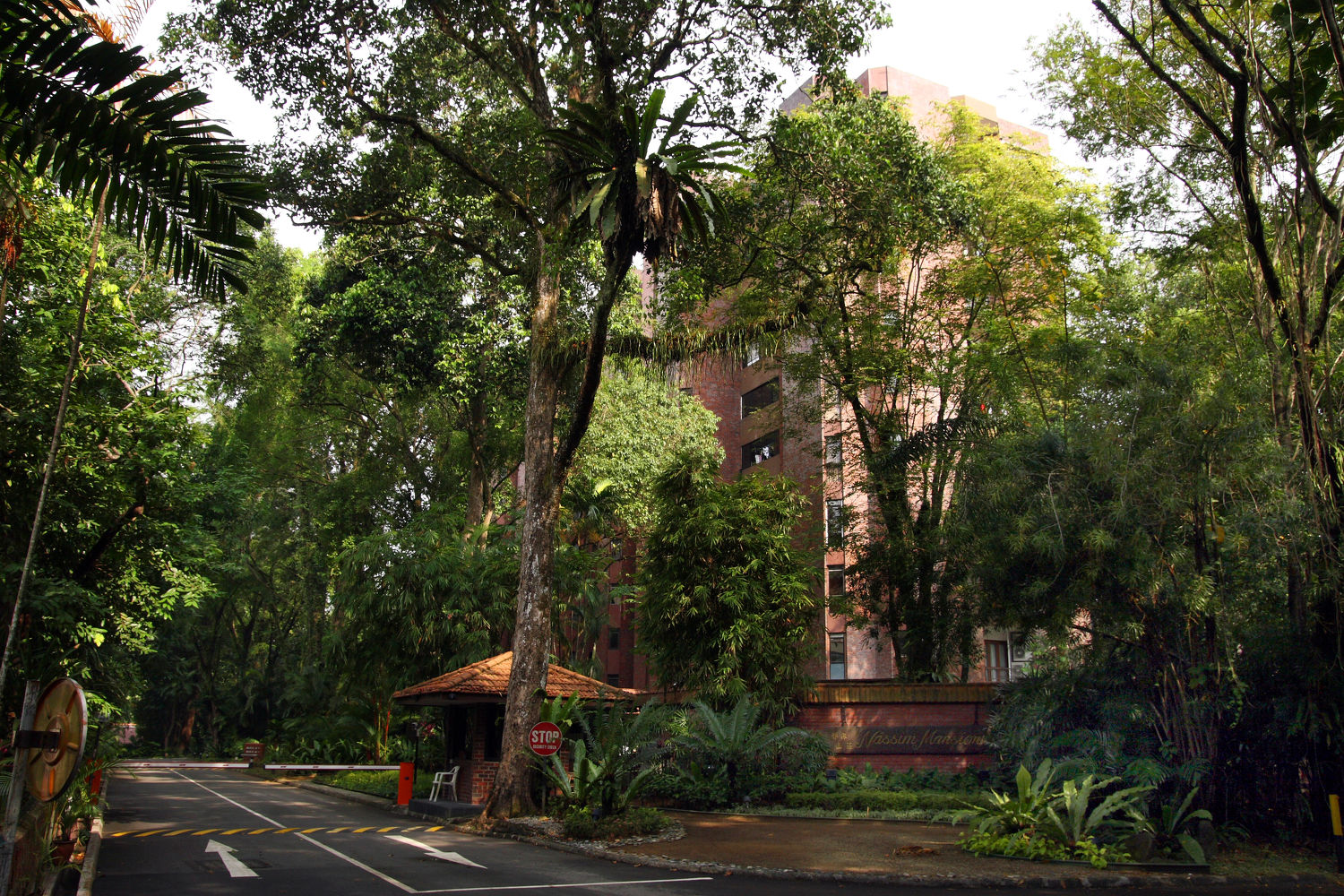
File photo of the 72-unit freehold Nassim Mansion, before it underwent an $8 million refurbishment recently (Photo: EdgeProp Singapore)
‘House-proud’
Meanwhile, the 330-unit Ardmore Park condo may be 25 years old, but its Management Corporation Strata Title (MCST) continues to undertake periodic asset enhancement works, notes Teo. The latest intended improvements include transformation of the multi-purpose court to optimise usage and provide additional facilities for the residents.
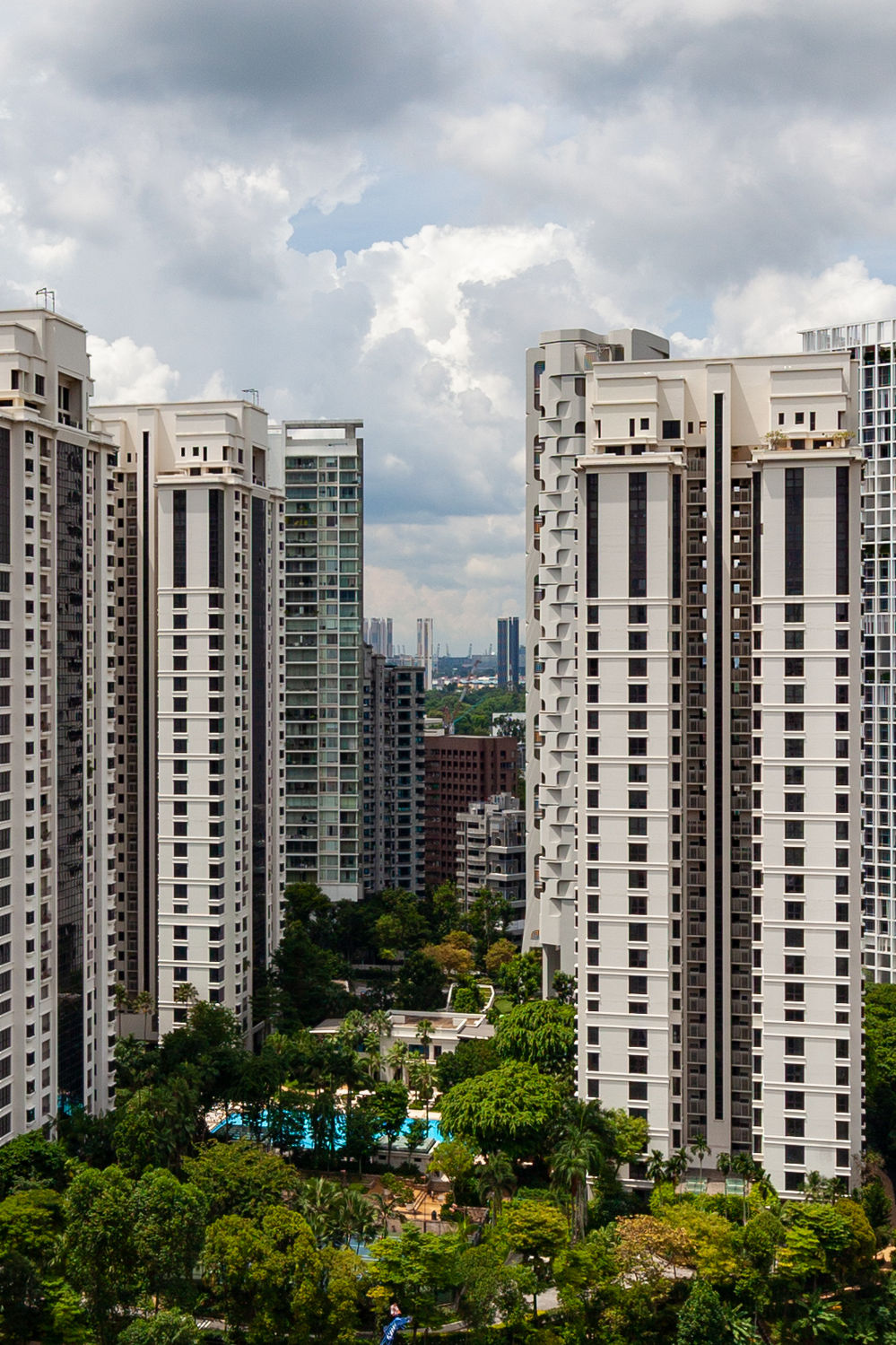
The MCST at the 25-year-old Ardmore Park condo has been undertaking asset enhancement works every few years (Photo: Samuel Isaac Chua/EdgeProp Singapore)
The development is known for its lush greenery and three 30-storey towers across an eight-acre (3.24ha or 348,480 sq ft) freehold site. For the past two decades, it has been regarded as a benchmark for luxury homes, featuring typical four-bedroom units of 2,885 sq ft and penthouses of about 8,740 sq ft.
Despite its age, units have been changing hands at prices above $4,000 psf since 2022. The highest psf-price achieved was $4,881 for a 2,885 sq ft unit on the 17th floor that changed hands for $14.08 million in July that year.
The latest transaction at Ardmore Park was in October 2025, when a 2,885 sq ft unit on the 13th floor was sold for $12.5 million ($4,333 psf), based on a caveat lodged then.
Another condo that Knight Frank has managed for more than 20 years is the 164-unit The Arcadia on Arcadia Road, near Adam Park and Watten Estate. Even though the private condo was completed in 1983 and has a 99-year lease from 1979, the property remains sought after, says Teo.
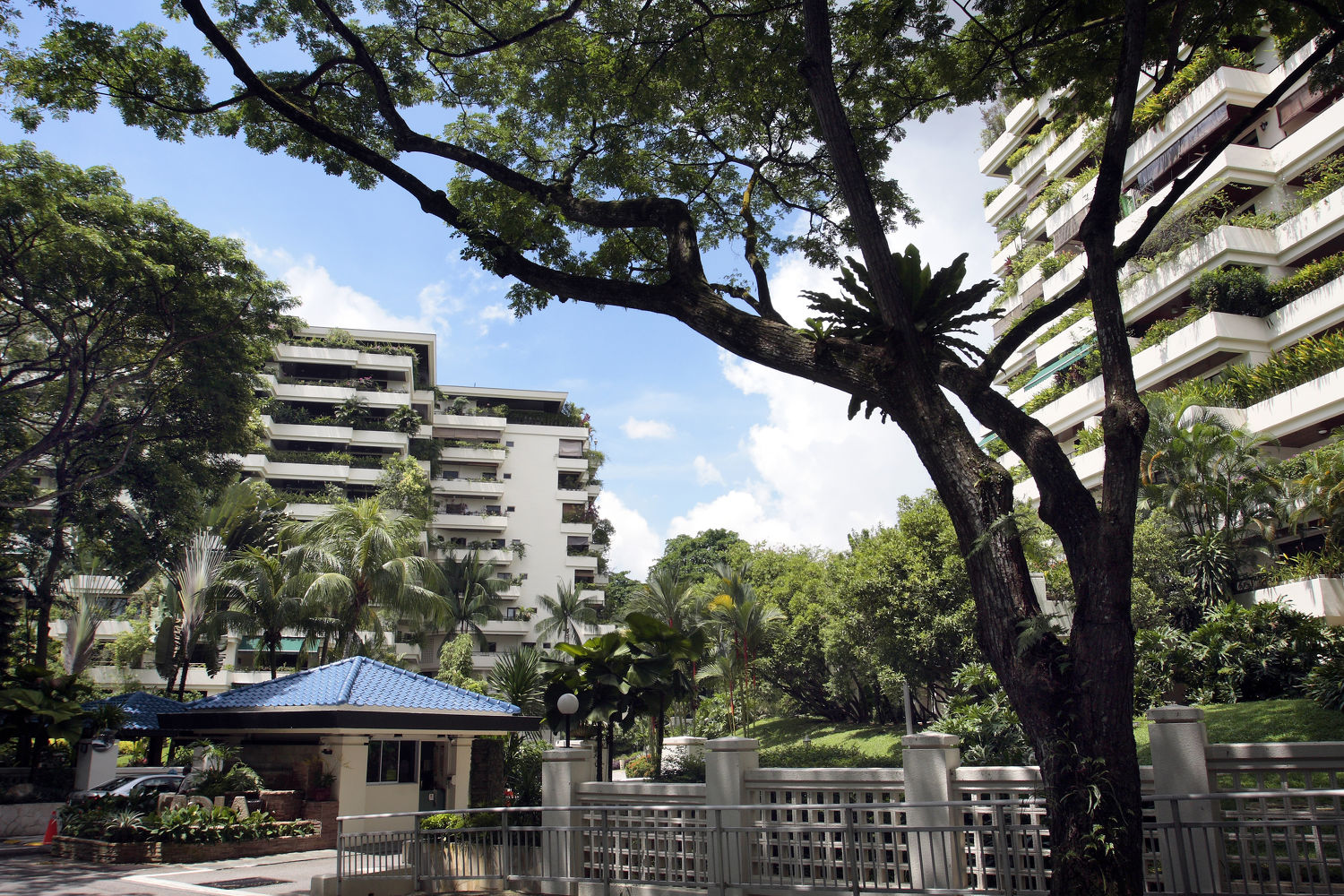
The 164-unit The Arcadia, completed in 1983, is one of the condos managed by Knight Frank for over 20 years (Photo: Samuel Isaac Chua/EdgeProp Singapore)
She attributes this to the well-maintained estate and the lush landscaping, with each unit featuring wraparound balconies that resemble hanging gardens. The landscaping is maintained by the MCST.
The unit sizes at The Arcadia are also generous, with four-bedroom units starting from 3,466 sq ft and penthouses of up to 7,502 sq ft. The latest transaction was for a 4,672 sq ft, four-bedroom unit on the first level that changed hands this February for $4.8 million ($1,027 psf). “It’s very rare to find units of such sizes in new condos,” says Teo.
Many owners in these condos are house-proud, she adds. Hence, they are motivated to ensure that their condo and the estate are well-maintained.
Retrofitting as value preservation, not simply an expense
To be an effective property manager, Teo says, one needs to balance diplomacy with firmness and possess a multi-disciplinary skill set. In older private condos, especially, the role increasingly involves asset management rather than just administration.
Securing approval for major retrofitting works can be challenging, she concedes.
“We have to frame retrofitting older developments as value preservation rather than simply an expense,” says Teo. “The key is to clearly demonstrate the return on investment — and the potential of doing nothing to enhance the development.”
Teo emphasises that “clear financial communication” is essential when proposing upgrading works.
“As a managing agent, we must do our homework, analyse the numbers carefully, and clearly explain the costs and steps involved,” she says. “Owners are generally willing to spend when they understand that upgrading today protects the value of their property tomorrow.”

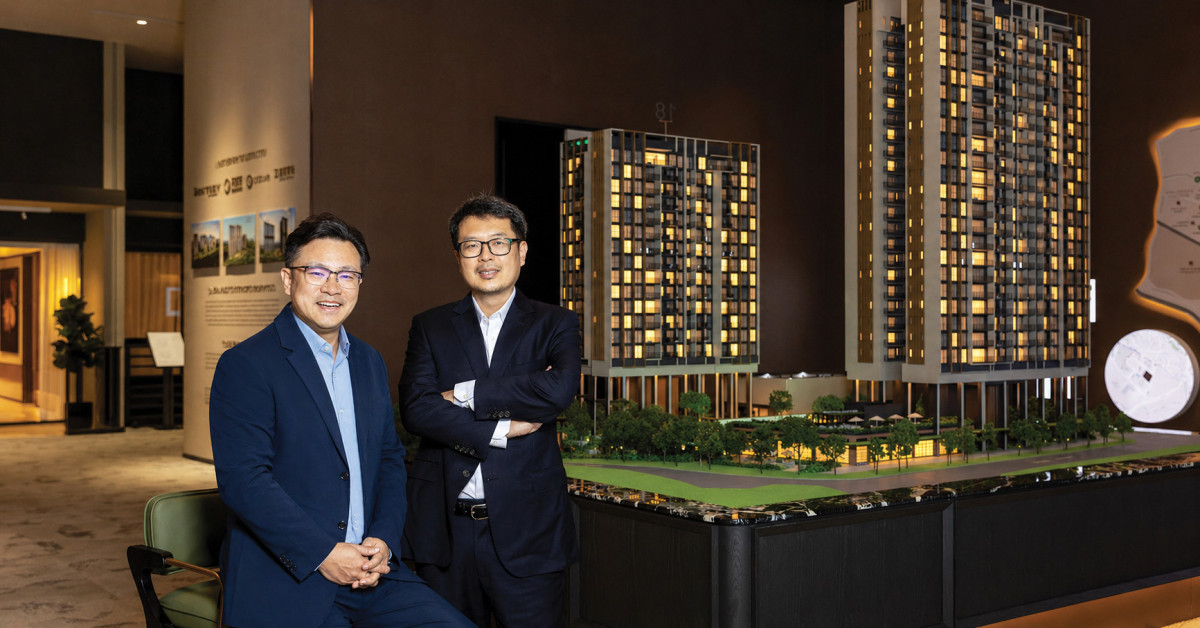
Eleana Teo, Knight Frank Property & Facilities Management: We have to frame retrofitting and upgrading works as value preservation, not just an expense. Otherwise, it would be very difficult to get the buy-in from MCST members. (Photo: Samuel Isaac Chua/EdgeProp Singapore)
Typically, developments reach a key crossroads around the 25-year mark — whether to rejuvenate the property through asset enhancement works or consider a collective sale if the prospects are favourable.
Even when the numbers appear attractive, some owners hesitate on a collective sale, knowing they may not be able to find a replacement property of a similar size in the same neighbourhood.
“As property managers, we cannot stop owners from pursuing a collective sale if that is their decision,” adds Teo. “But it is also important to remember that contributions to the sinking fund are not refundable when an owner sells the property.”
As more condos cross the 30-year mark, the government is also reviewing the regulatory framework governing ageing strata developments.
Proposed measures for ageing condos
The government is exploring measures to strengthen the long-term maintenance of ageing condo developments. These include requiring management teams to submit and publish key financial information to ensure sufficient funds are set aside for essential retrofitting works.
“As strata developments age, the MCSTs and unit owners have expressed concerns about rising maintenance costs, ageing facilities, and the challenges of collective decision-making to make improvements,” said Second Minister for National Development and Finance Indranee Rajah, who announced the proposed measures in Parliament on March 4.
The review comes as more private residential developments in Singapore cross the 30-year mark. More than 1,000 of the island’s roughly 3,750 private residential developments are now at least three decades old, according to The Straits Times.
As part of the ongoing review of the Building Maintenance and Strata Management Act, the government is studying several potential changes. These include lowering the consent threshold for essential upgrading works from the current 75% to 50%, capping the number of proxies each owner can represent, requiring council members to undergo mandatory training, and publishing key financial information on MCST funds.
Teo believes that lowering the consent threshold for essential works could make it easier for MCSTs to carry out critical safety and infrastructure upgrades, particularly in larger developments where achieving consensus can be challenging.
“If there are initiatives to support lift and escalator safety upgrades in private developments, that would certainly be useful,” says Teo. “Such upgrades are capital-intensive, and any form of support would help ease the financial burden on MCSTs while ensuring safety standards are maintained.”
Unintended consequences
However, some industry observers caution that lowering the consent threshold could have unintended consequences.
Norman Ho, senior partner at Rajah & Tann Singapore, notes that requiring only 50% consent for major works could place financial pressure on some owners, particularly elderly residents who have lived in their units for many years.
“They could end up coughing up money for repairs,” says Ho. “It is unlike lowering the threshold for a collective sale, where owners will still benefit from the eventual sale proceeds.”
Co-funding concerns arise
Indranee also said the government is studying whether it could partially fund lift and escalator safety upgrades for condos and other private buildings.
A private condo owner and MCST council member, who prefers to be known only as Chong, raises concerns about fairness, as owners' attitudes can differ significantly. “Some owners see their units primarily as an investment platform,” he says. “They are reluctant to spend on improvement works as long as they can continue renting out their units.”
For many older developments in prime or well-located areas, owners may prefer to exit via a collective sale rather than invest heavily in major upgrading works, Chong reckons.
Ho of Rajah & Tann therefore advises MCSTs to consider the long-term prospects of their development before committing large sums to capital expenditure. “The MCST should first survey owners to assess the viability of a collective sale,” he says. “Otherwise, the money spent on major works could end up being wasted.”
Under the Land Titles (Strata) Act 1967, any remaining funds in the management fund and sinking fund must be returned to subsidiary proprietors — in proportion to their share values — once a collective sale is successfully completed, says Ho.
Will consent threshold for collective sale be lowered?
The government is also reviewing the collective sale regime, including the consent threshold required for a collective sale to proceed. Currently, for a condo of less than 10 years, at least 90% of the owners must agree to a collective sale. For developments 10 years or older, the threshold is 80%.
There has been speculation that the minimum consent threshold for older developments could be reduced to 70%.
For many ageing developments, securing 80% consent can be challenging because the car park is often part of the strata area and share value, explains Ho of Rajah & Tann. In such cases, the carpark owner may control at least 20% of the share value and strata area.
“That lone subsidiary proprietor can block an entire collective sale process,” says Ho. “I think 30 years or more is good for rejuvenation, and the threshold should be reduced to 70%.”
However, even with a lower threshold of 70%, some developments may still struggle to secure the required support for a collective sale, notes Teo. This is especially true in condos with long-term residents who have a strong sentimental attachment to homes they have lived in for many years.
As developments age, good governance and transparency will become increasingly important, as asset management decisions grow more complex, notes Teo.
Ultimately, managing a property is about “stewardship”, she adds. “As managing agents, we have to ensure that the property continues to retain its value and relevance for the next generation of owners.”
For more news and analysis, read our weekly e-paper. Prefer a print copy? Get it delivered to your home every Monday.
Ask Buddy
Follow Us
Property updates, 24/7.


Subscribe to Newsletter
Market insights, delivered weekly.

Top Articles
Search