
A tale of three cities
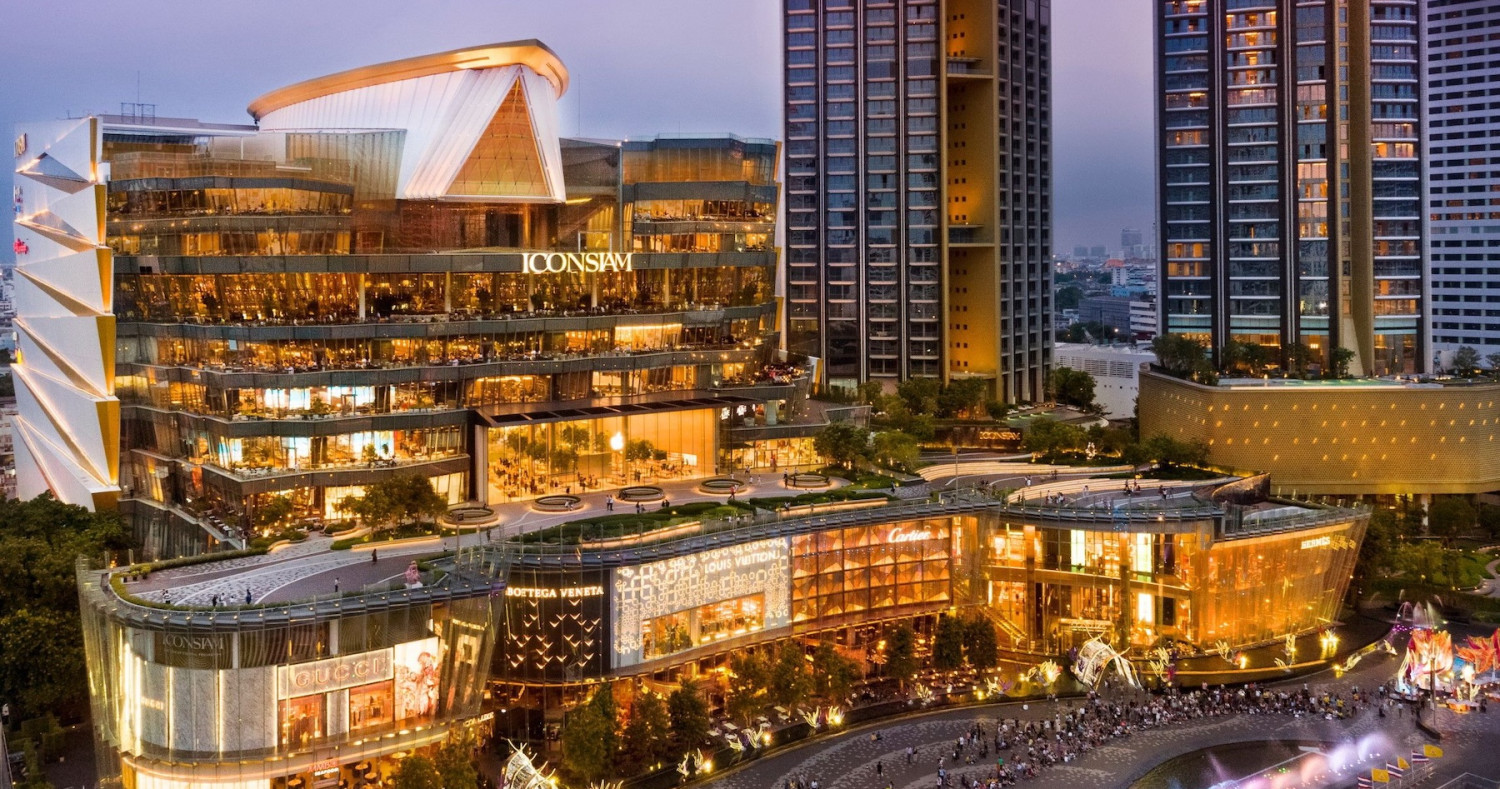
IconSiam is an opulent and culturally ambitious project that aims to encapsulate the theme of “the best of Thailand meets the best of the world” (Photo: IconSiam
Across Tokyo, Taipei and Bangkok, successful specialty malls share two common traits: a clear and enduring theme anchored in culture or lifestyle and disciplined management that evolves with trends without losing focus.
The following examples illustrate how strong retail narratives, when executed with depth and consistency, can outlast generic mall formats.
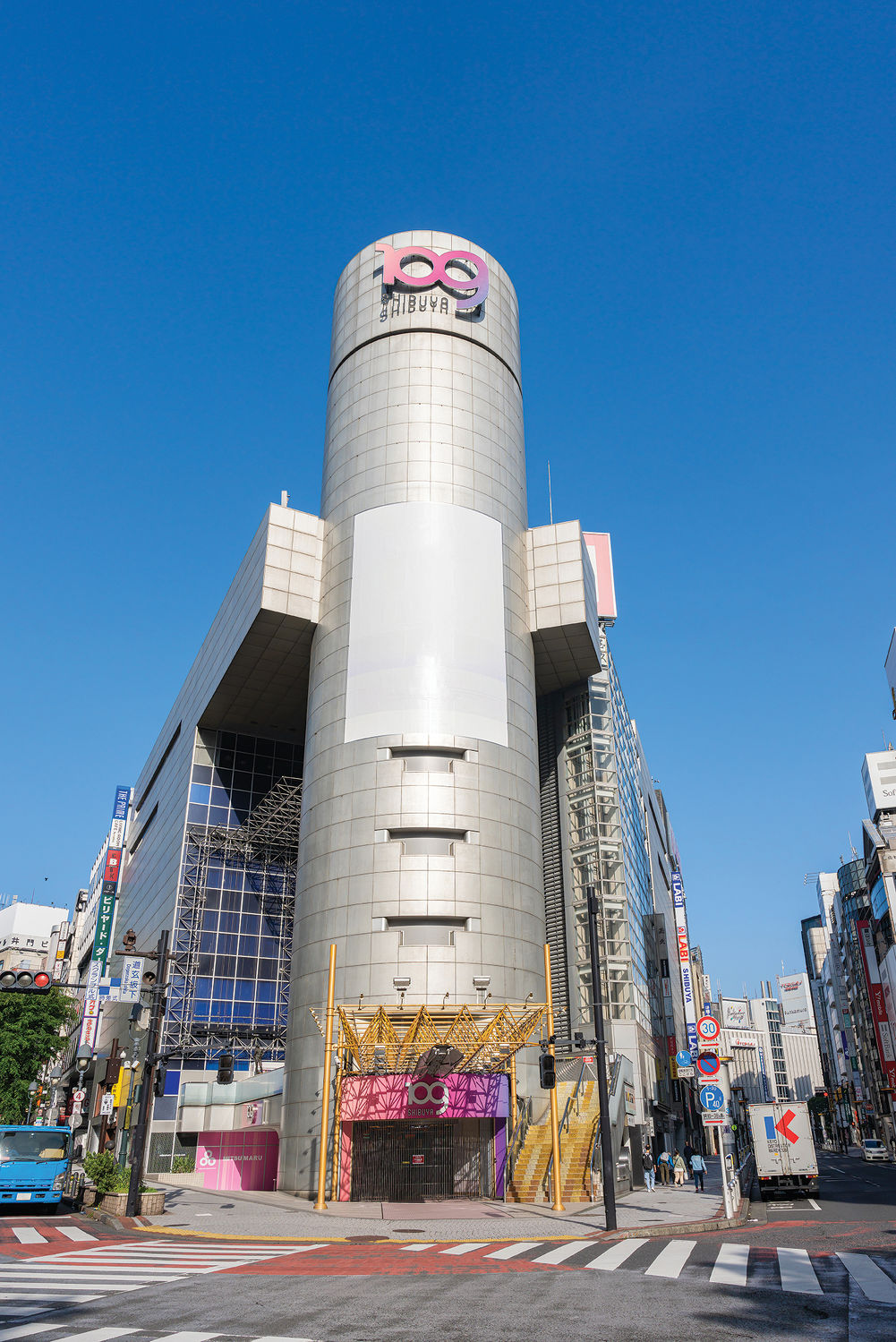
Today, Shibuya 109 remains a tightly packed, vertical maze of fashion, beauty and street culture (Photo: Shutterstock)
Shibuya 109, Tokyo
Opened in 1979 in Tokyo, Shibuya 109 was initially targeted at career women in their 30s. By the 1990s and early 2000s, it had transformed into the epicentre of gyaru fashion — a subculture known for its flashy, rebellious style and heavily stylised makeup. Since then, it has continued to evolve, adapting to each generation’s tastes through savvy branding, pop-up events and influencer partnerships.
Today, Shibuya 109 remains a tightly packed, vertical maze of fashion, beauty and street culture. With more than 100 shops stacked across 10 floors, it features everything from niche Japanese labels to big-name collaborations.
Akihabara, Tokyo
Akihabara is a shopping precinct in central Tokyo famous for its electronics and ACG (anime, comics and games) stores. It is also recognised as the centre of Japan’s otaku (diehard fan) culture. Shops devoted to anime and manga are interwoven with electronics retailers, creating a district where cold, hard technology meets warm artistic expression — an exciting blend that continues to captivate shoppers.
Eslite Spectrum, Taipei
Eslite Spectrum stands out as Taiwan’s flagship wenchuang — or “cultural and creative” — mall. First opened in 2013, it is far from being a typical fashion mall.
Anchored by Eslite Bookstore and complemented by fashion, fragrance and accessories retailers, its distinctive character caters to brands offering cultural, artistic and creative products designed by Taiwanese designers and wenchuang entrepreneurs. It maintains a sense of sophistication without being snobbish, while continuing to resonate with younger shoppers.
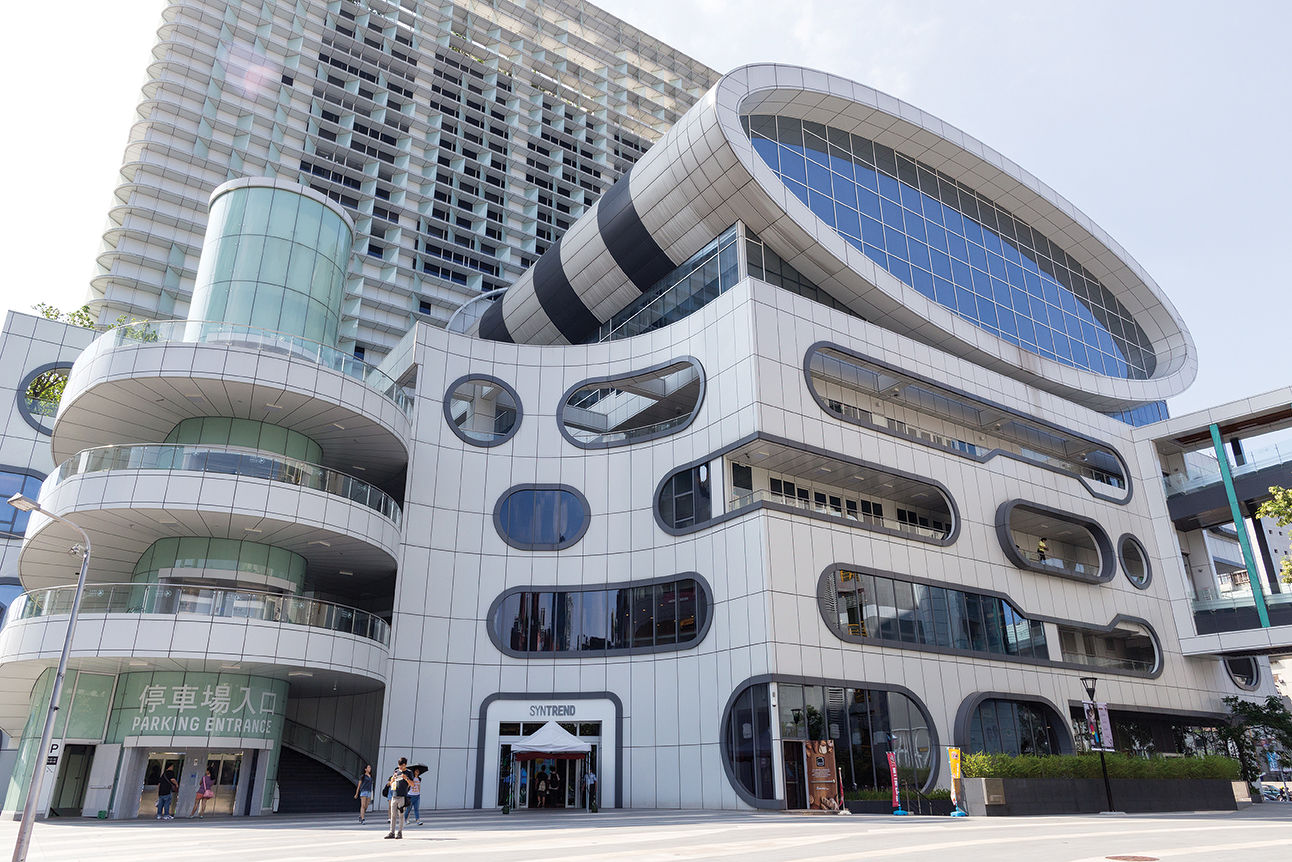
Launched in 2015 with Akihabara as its inspiration, Syntrend Creative Park has evolved into Taipei’s leading technology-lifestyle mall, while retaining its position as the city’s premier anime hub (Photo: Shutterstock)
Syntrend Creative Park, Taipei
Launched in 2015 with Akihabara as its inspiration, Syntrend Creative Park has evolved into Taipei’s leading technology-lifestyle mall, while retaining its position as the city’s premier anime hub.
Anchored by major computer, communication and consumer electronics brands, the mall extends its merchandising both horizontally and vertically — from mousepads and laptop bags to adjustable worktables and ergonomic chairs. Its audio-visual floor offers Taiwan’s widest selection of headphones and earphones, complemented by a vinyl record shop that adds warmth to an otherwise technology-heavy cluster. In recent years, it has also expanded into podcasting and live-streaming equipment as these trends gained traction.
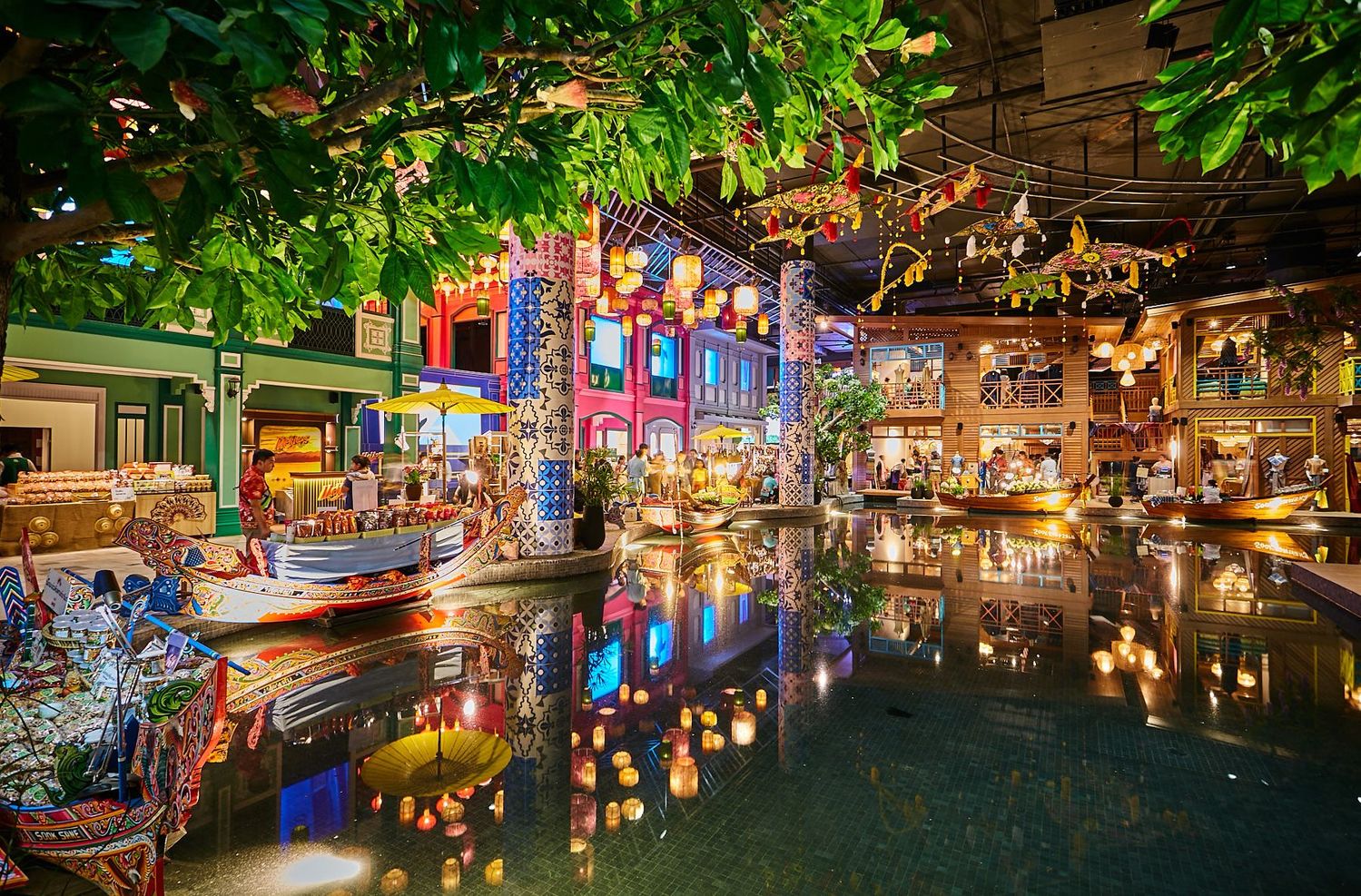
IconSiam's most celebrated feature is a richly immersive recreation of a traditional Thai floating market on the ground floor, complete with canals, long-tail boats and vendors (Photo: IconSiam website)
IconSiam, Bangkok
IconSiam is an opulent and culturally ambitious project that aims to encapsulate the theme: the best of Thailand meets the best of the world. Its most celebrated feature is a richly immersive recreation of a traditional Thai floating market on the ground floor, complete with canals, long-tail boats and vendors selling authentic food from all 77 provinces.
Siam Centre, Bangkok
Siam Center is Bangkok’s trendy, creative retail precinct. It has firmly established its identity as a hub for imagination in art, fashion and technology. Its unique selling proposition lies in its unwavering focus on Thai designers, showcasing collections from both established names and emerging talents — offering a compelling alternative to the global brands that dominate many other malls.
Key lessons
While the newest of these examples is IcanSiam, which opened in 2018, specialty mall Shibuya 109 has been drawing shoppers for more than 46 years.
The two precincts — Akihibara in Tokyo, and Siam Center in Bangkok — have undergone numerous organic renewals over the years, yet remain popular with both locals and tourists. These examples show that a well-conceived and well-managed specialty concept can outlast many generic malls by decades. Staying in step with trends helps them retain a sense of youthful energy.
Strong themes tell shoppers what to expect. When execution is consistent and compelling, both first-time and repeat visits grow among local shoppers and tourists alike. Management teams remain focused over long periods, deepening their merchandising mix to provide breadth and depth that reinforce clear retail narratives.
Variety is often introduced by small and creative retailers. When these concepts evolve with changing trends while staying true to their core direction, they continue to prosper.
For more on the evolving retail landscape:
Follow Us
Property updates, 24/7.


Subscribe to Newsletter
Market insights, delivered weekly.
Top Articles
Search