
Turn brownfield sites into specialty precincts, and greenfield sites into incubators for new ideas
![The Kallang Wave Mall at the Singapore Sports Hub (now rebranded The Kallang) [Photo: Samuel isaac Chua/EdgeProp Singapore]](https://img.tepcdn.com/img-style/simplecrop_article/89552269.jpg)
The Kallang Wave Mall at the Singapore Sports Hub (now rebranded The Kallang) [Photo: Samuel isaac Chua/EdgeProp Singapore]
The next phase of Singapore’s retail transformation requires a clearer distinction in how we treat brownfield and greenfield sites. Each serves a different purpose, and expecting both to perform the same role has led to the many diluted “me-too” retail outcomes of recent years.
With thoughtful planning, brownfield and greenfield sites (previously developed areas and undeveloped land, respectively) — many in and around the city centre — can be reimagined. However, not as generic malls — rather as distinctive retail ecosystems that add depth, character and long-term vitality to the urban landscape.
Brownfield sites, in particular, are well-suited to becoming specialty precincts anchored in lifestyle, culture or heritage. These are places with memory and meaning, where retail should reinforce identity rather than erase it. Instead of chasing maximum tenant turnover or short-term yields, such developments should aim for depth: offer a carefully curated mix that is cohesive, unapologetically focused and well programmed.
Overseas examples show what this clarity of intent can achieve. In Taipei, Syntrend Creative Park has built a strong and recognisable identity around technology, gaming and pop culture, while Tokyo’s Shibuya 109 has evolved into a cultural symbol synonymous with Japanese youth fashion. Their success lies not in trying to appeal to everyone, but in being clear about who they are for — and activating that identity relentlessly.
Singapore could apply similar principles. A mid-scale department mall of about 400,000 sq ft, inspired by Eslite Spectrum in Taipei, could sit comfortably along Orchard Road, blending shops that sell books and locally designed lifestyle products, and cafés and cultural spaces that appeal to both residents and tourists. A technology-themed lifestyle mall, modelled after Syntrend, could inject weekend energy into Marina Bay or the financial district, areas that are otherwise dormant outside office hours.
Closer to home, the Kallang Wave Mall at The Kallang, hints at how retail can anchor broader place-making ambitions. With the URA’s vision for the Kallang Riverside precinct, there is an opportunity to integrate retail with future developments at the former Kallang Airport site and position the area as Singapore’s largest sports and wellness lifestyle hub.
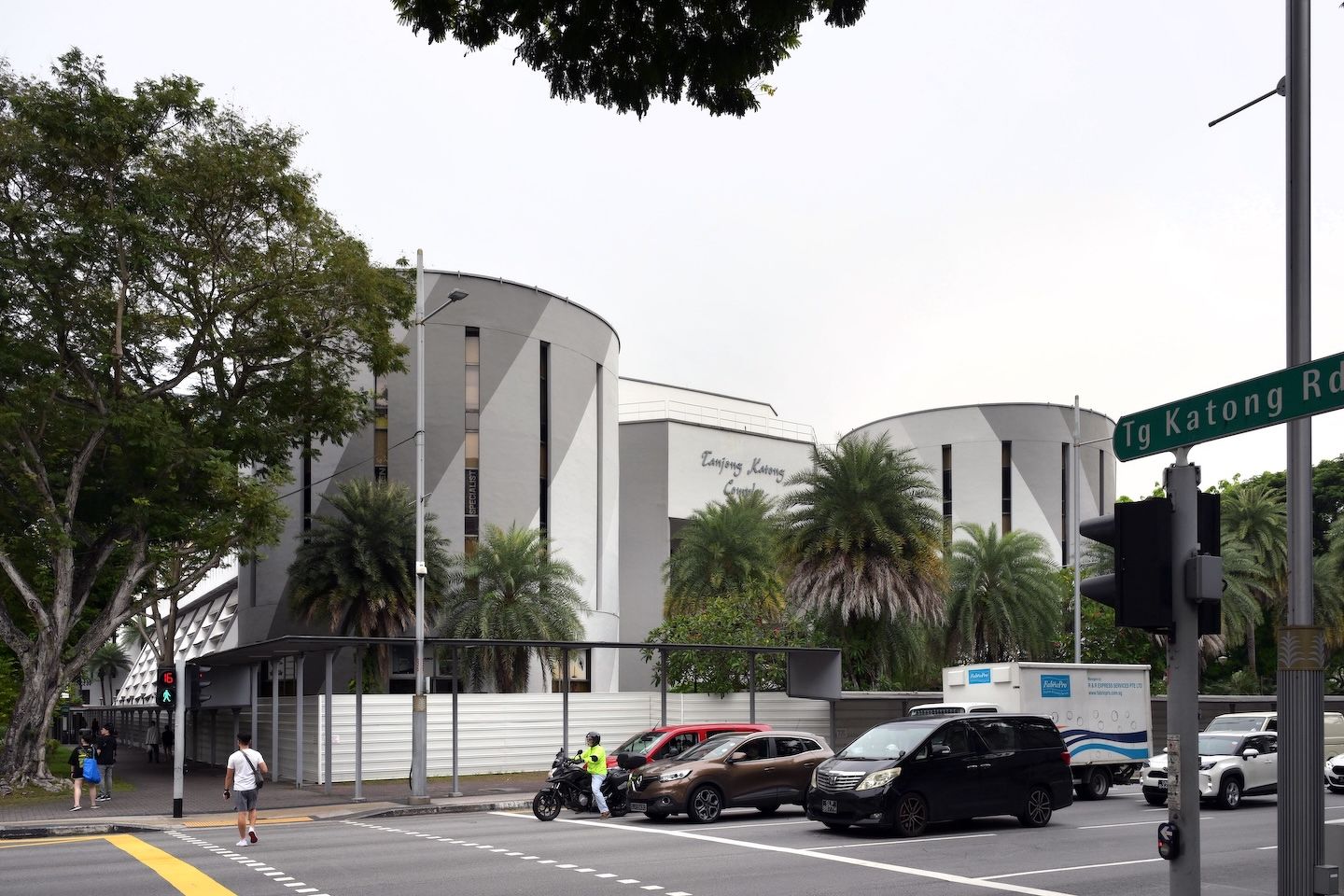
An example of a brownfield development is Tanjong Katong Complex, which the Singapore Land Authority has awarded to Junjie Development, a wholly-owned subsidiary of Elegant Group (Photo: Albert Chua/The Edge Singapore)
Heritage, art and cultural identity
Singapore’s heritage districts — Little India, Chinatown, Geylang and Katong — are natural candidates for this brownfield approach. These areas would benefit from a more deliberate and differentiated retail strategy, one that supports traditional trades, wellness practices, crafts and cultural experiences while creating compelling reasons for repeat visits and deeper community engagement.
This is where a brownfield development comes into its own. One example is Tanjong Katong Complex, which the Singapore Land Authority awarded to Elegant Group’s Junjie Development on a 30-year lease. The proposal was described as a strong, community-centric one, forward-looking in its approach to place-making and heritage integration, with key façade and structural elements of the 1982 building preserved, and conjoined with a new annex.
For such developments to succeed, operators must place cultural value ahead of short-term commercial returns. Government support — potentially through a retail revival scheme or targeted grants — would be essential to offset high land and development costs and make these “special-interest” malls financially viable.
An art-and-craft mall, for instance, should go beyond selling finished works. It should also provide materials, studios, workshops and performance spaces. These elements turn retail into experience, and experience into identity.
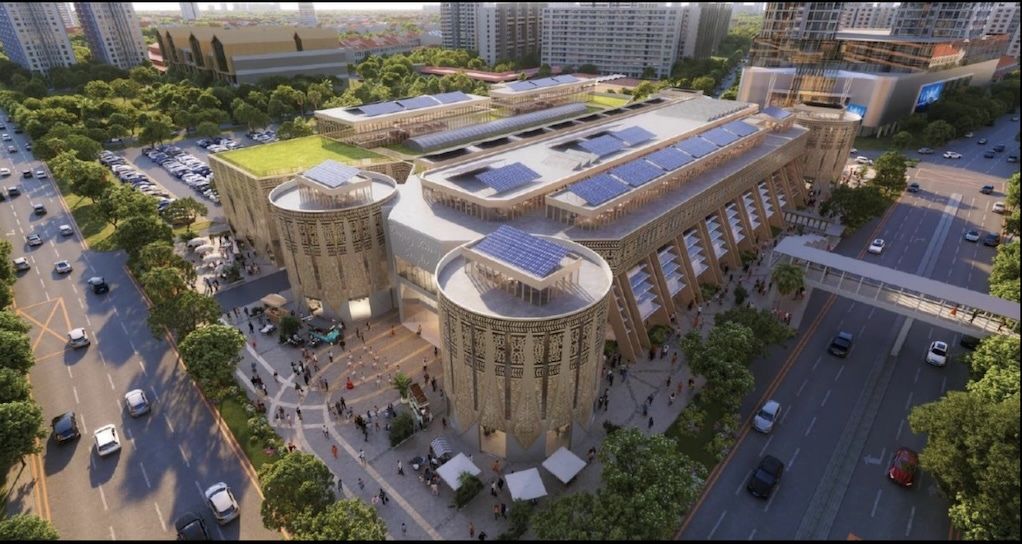
Artist's impression of the revamped Tanjong Katong Complex (Picture: Junjie Development)
Giving space to young entrepreneurs
Greenfield sites, by contrast, should play a different role. Unburdened by legacy constraints, they offer the flexibility to experiment, incubate and nurture new retail ideas.
While global brands add polish to Singapore’s retail scene, it is the small retailers and “mom-and-pop” stores that give it soul. Over time, high rents have steadily squeezed these groups out, contributing to a retail environment that can feel overly sanitised.
Yet, many of today’s homegrown successes — from Osim to Charles & Keith to Udders Ice Cream — began as small entrepreneurial ventures. What they needed was time, space and a supportive ecosystem.
Malls developed on greenfield sites could be deliberately positioned as incubators for such entrepreneurs. Time-bound rental subsidies, coupled with mentorship in retail operations and management, would allow promising concepts to take root. Once viable, these brands could continue without support or graduate to other commercial locations.
If Singapore wants a retail landscape that is vibrant, distinctive and future-ready, it must be willing to look beyond short-term yields and rethink what different places are meant to do.
Reimagined brownfield sites, supportive greenfield developments and a renewed commitment to culture and entrepreneurship can together restore depth, diversity and identity to the city’s retail fabric.
For more on the evolving retail landscape:
Follow Us
Property updates, 24/7.


Subscribe to Newsletter
Market insights, delivered weekly.
Top Articles
Search