
Turning historic properties into vibrant, inclusive community spaces: World Cities Summit 2026
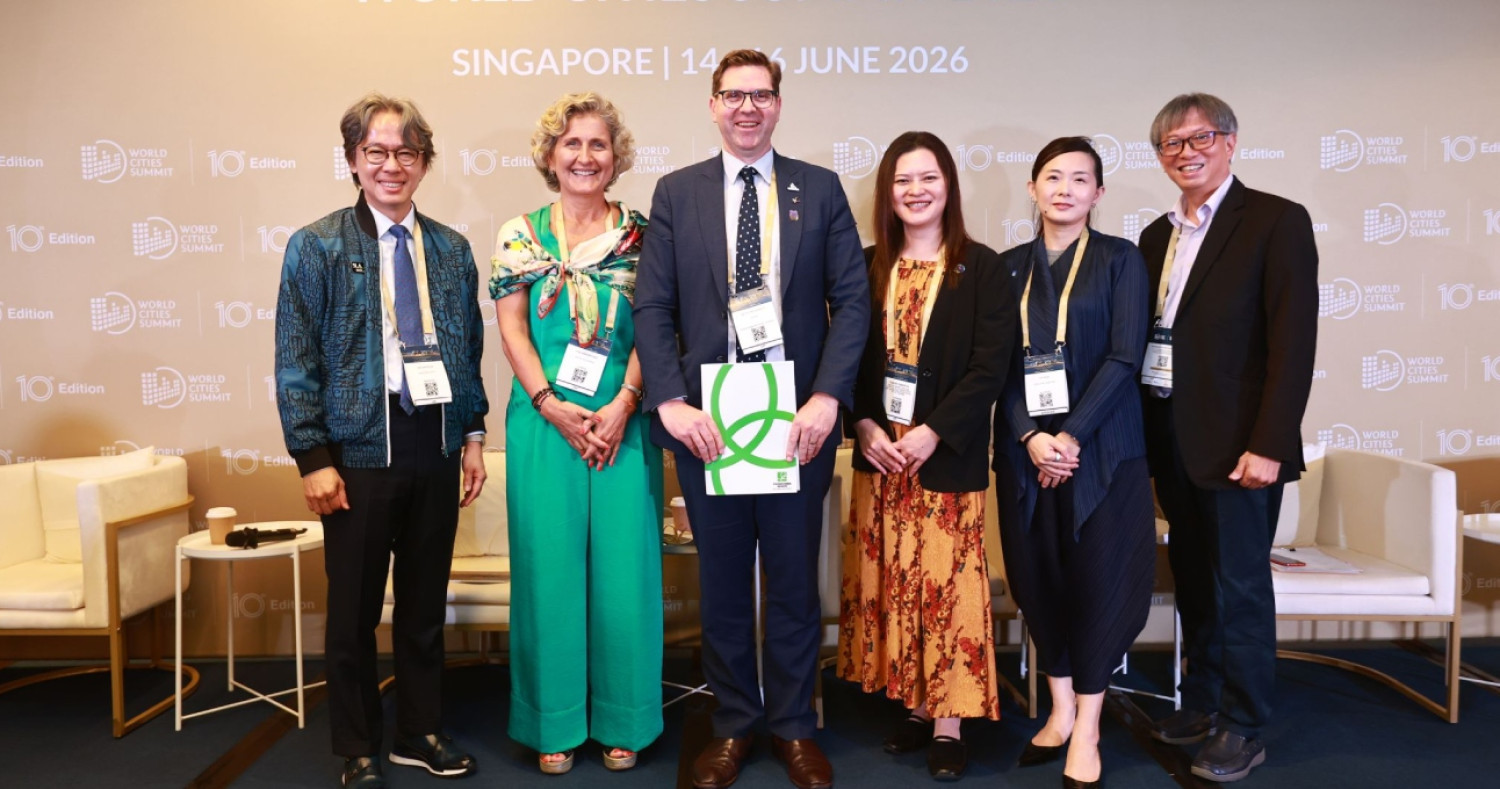
From left: Calvin Phua, Singapore Land Authority; Ana Abrunhosa, Coimbra mayor; Geoffrey McDonald, Toowoomba mayor; Tomomi Yamashita, Yokohama; Ivy Koh, SJ Group; Joseph Ooi, NUS Ireus. (Photo: SLA)
Restoring and repurposing a heritage building can be more complex and costly than tearing it down to start afresh.
But the value it brings to communities cannot be measured in dollars and cents, urban experts emphasised during a discussion about rejuvenating properties for vibrant communities.
A case in point is The Empire Theatre, built in 1911, in the city of Toowoomba in southern Queensland, Australia.
Although the venue could have been demolished and redeveloped, it was preserved instead — and now anchors Toowoomba’s performing arts precinct, bringing more vibrancy and people to the CBD.
"It’s the beating heart of our arts and culture scene," said Toowoomba mayor Geoffrey McDonald. "Our city would be far poorer if it weren’t for the decision to preserve, keep and maintain that beautiful theatre."
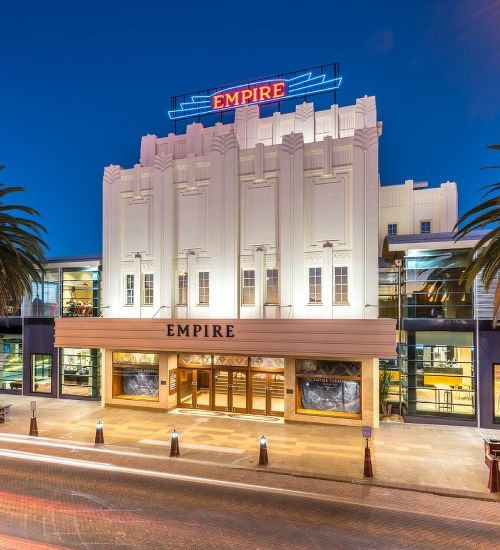
The Empire Theatre in Toowoomba's CBD is the largest regional theatre in Australia, with seating for up to 1,561 people. (Photo: The Empire Theatre website)
While conservation and adaptive reuse could cost more financially, they can deliver lasting social and cultural benefits, he adds.
The sentiment was echoed by Ivy Koh, executive director of Singapore-based SJ Group, which was involved in the expansion, restoration and redesign of Temasek Shophouse. The social impact hub now comprises four adjoining conserved shophouses along Orchard Road.
"What we see is … the value of bringing back an old heritage building, giving it a new lease of life, new meaning and new purpose. I think it’s beyond measurable cost," Koh shared.
She acknowledged that working on a new build may be easier in comparison, "because it's tabula rasa (blank slate), you can do whatever you want and design to fit".
On the other hand, adaptive reuse is often more challenging, as every design decision must be fitted around the spatial and structural constraints of the existing property.
"There is more effort, but the outcome is a different kind of satisfaction," Koh added.
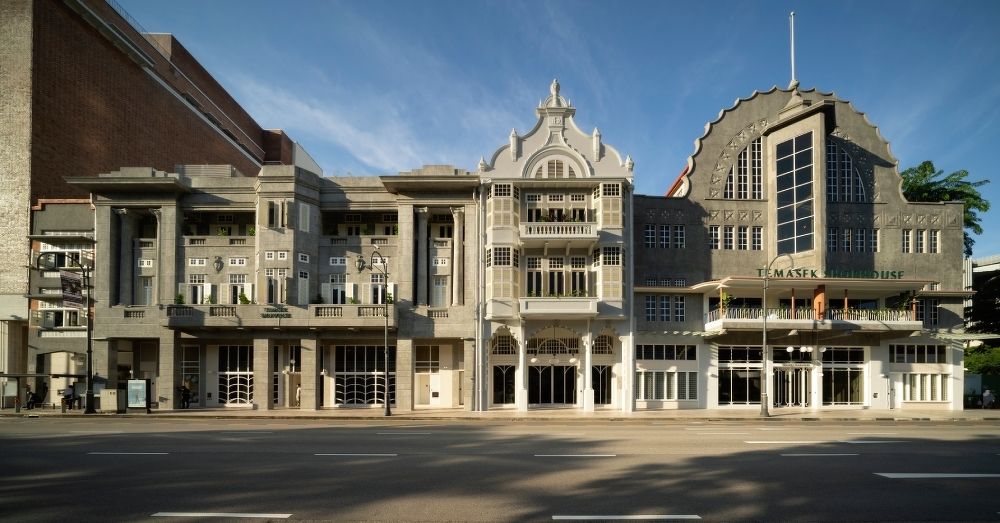
The refreshed and expanded Temasek Shophouse spans four buildings on Orchard Road. (Photo: Temasek Shophouse)
Experimenting with new uses
McDonald and Koh were speaking on a panel led by the Singapore Land Authority (SLA), as part of the World Cities Summit 2026.
Moderated by Joseph Ooi, co-director of the Institute of Real Estate and Urban Studies (Ireus) at the National University of Singapore, the panel discussion featured speakers from Singapore, Portugal, Japan and Australia sharing their experiences with innovative approaches to adaptive reuse.
The panellists discussed balancing preservation with innovation, navigating regulatory frameworks, and engaging stakeholders to transform state properties or heritage buildings into inclusive spaces that meet evolving public needs.
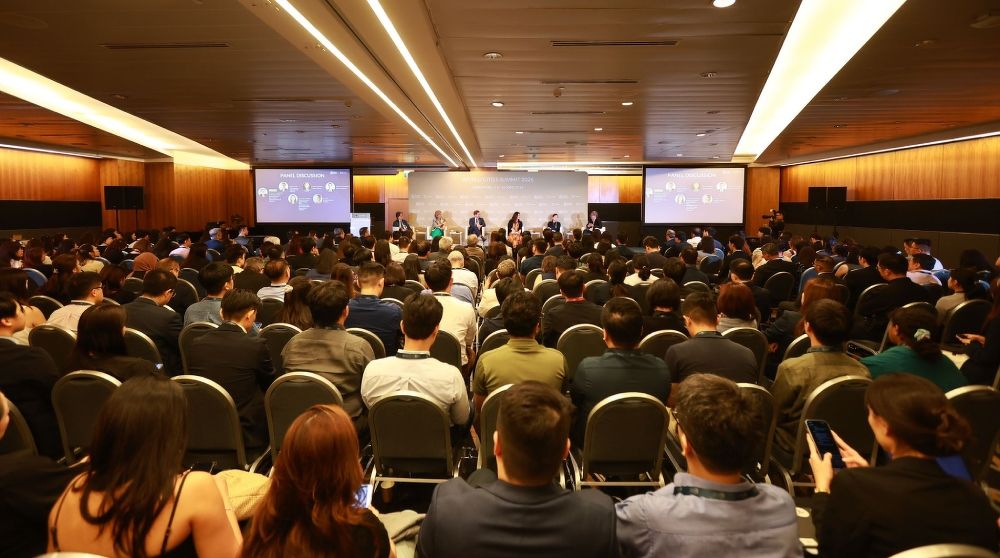
The session, part of the World Cities Summit 2026, delved into innovative approaches to adaptive reuse. (Photo: Singapore Land Authority)
In the riverfront Portuguese city of Coimbra — home to a preserved medieval old town and the historic University of Coimbra — involving the residents and local businesses in the decisions has been central to efforts in revitalising the uptown and downtown areas.
"Our focus is to bring stakeholders together around the shared long-term vision. I think that’s very important," said Ana Abrunhosa, the city's mayor.
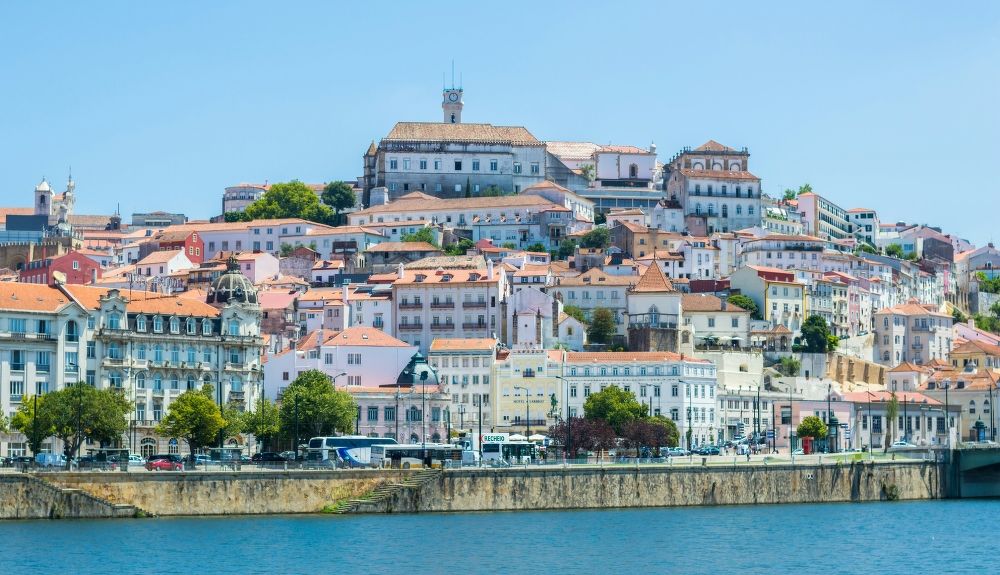
Coimbra, Portugal. The municipality has a real estate fund that supports rejuvenation efforts in the centuries-old university town. (Photo: Unsplash)
She cited examples of their "participatory decision-making" process to consult the population and help figure out how best to inject activity and new uses into heritage spaces.
For instance, families living in the neighbourhood and retailers in the downtown area gave their suggestions on whether they would like a shuttered railway station to house a new mall, and whether a historic street should go car-free and allow only public transport.
Experimentation is also key as Coimbra pilots its conservation and rejuvenation initiatives while continuing to gather public feedback. Non-permanent materials are used, so they can be removed if an idea does not pan out.
"If there are results [and this works], we keep it," Abrunhosa said. "If it doesn’t, we change it."
'Racing against time'
Finding a viable new use for a heritage property — and before it deteriorates further — is often one of the hardest parts of the work.
Singapore's punishing climate, with the heat and humidity, also compounds the problem as a vacant building will age rapidly when it is not put to use.
"So it becomes harder and harder… We are racing against time," said Calvin Phua, chief executive of SLA.
"We are working very, very, very hard to put living heritage to good use," he added.
Phua cited the old Kallang Airport as an example. The site had sat empty for years, with the authorities struggling to find a viable use for it despite extensive discussions and proposals.
Several buildings and structures of the airport, including its terminal building, two administrative blocks and a hangar, were gazetted for conservation in 2008. Constructed in the 1930s, it occupied some 300 acres (120ha) of reclaimed mangrove swampland.
"It’s a huge, huge site with a highly specialised use," Phua said. "But the clock was ticking. Every time we didn't put it to a good use, to bring life to the place, the building degenerated further and further."
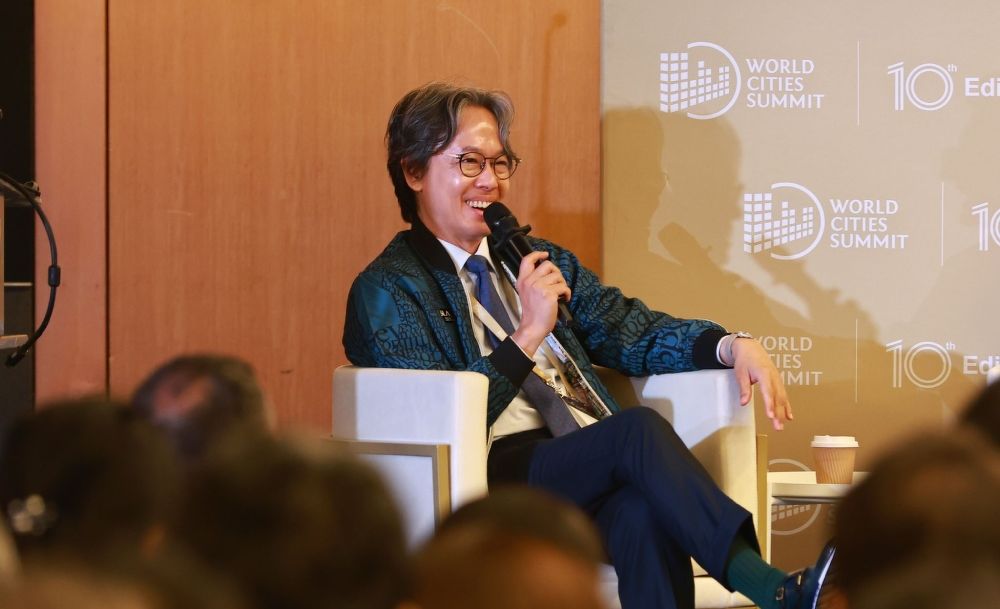
Calvin Phua, SLA: "We are working very, very, very hard to put living heritage to good use." (Photo: Singapore Land Authority)
A long-term vision in Yokohama
Over in Japan, the city of Yokohama is transforming a sprawling former military facility into a lively venue that will host the Green Expo 2027, an international horticultural exhibition focused on sustainability and nature.
The event will sit on the massive 242ha area that used to house the Kamiseya Communication Facility — one of the largest redevelopment sites in the city.
"By hosting an expo, we can mobilise multiple elements at once: national support, infrastructure investment, global visibility, private-sector participation, and environmental innovation," said Tomomi Yamashita, director general of the global initiatives, policy administration and international affairs bureau of Yokohama.
After the exhibition wraps up, the site will be converted to a public park while also serving as a disaster prevention hub, incorporating green infrastructure and supporting community activities.
"It will be a place for everyday life and a place that protects lives," Yamashita noted. "We believe heritage becomes valuable not when it is preserved as a monument, but when it continues to be used and shared."
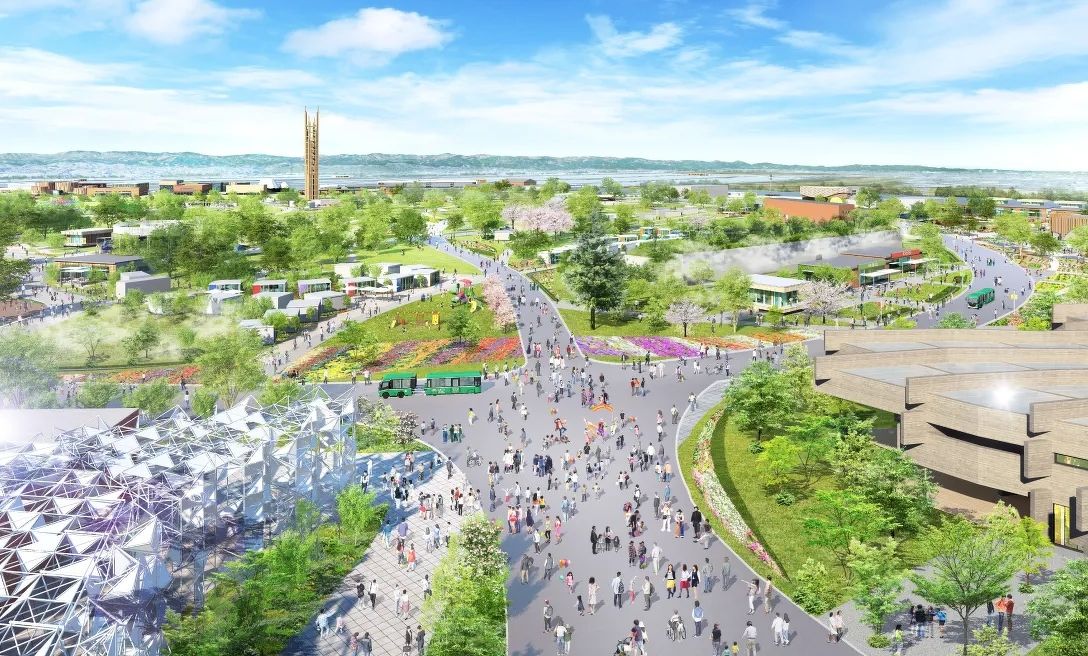
An artist's impression of Green Expo 2027, taking place from March to September next year in Yokohama, Japan. (Image: Green Expo 2027 website)
She highlighted the importance of transparency and long-term vision in such a large-scale redevelopment project for a single municipality.
The city had shared the draft plan for Kamiseya with the public, and adjusted it based on the feedback they received.
"Moving forward, we will listen to the citizens and our community carefully and continuously," Yamashita added.
Funding heritage renewal
The panellists also examined how governments can work with private-sector partners and investors.
Toowoomba offers incentives to encourage property owners or investors to combine land lots, increase density — such as by adding high-rise housing — and maintain the heritage of such buildings.
"The narrative needs to be changed because it’s not just an investment in infrastructure, but more of an investment in social good, in remembering the past and preserving the buildings for another generation to also enjoy," McDonald said.
He added that private enterprises willing to invest in heritage assets often have “a heart and a soul” for the community, making for a great combination when commercial and social objectives are aligned.
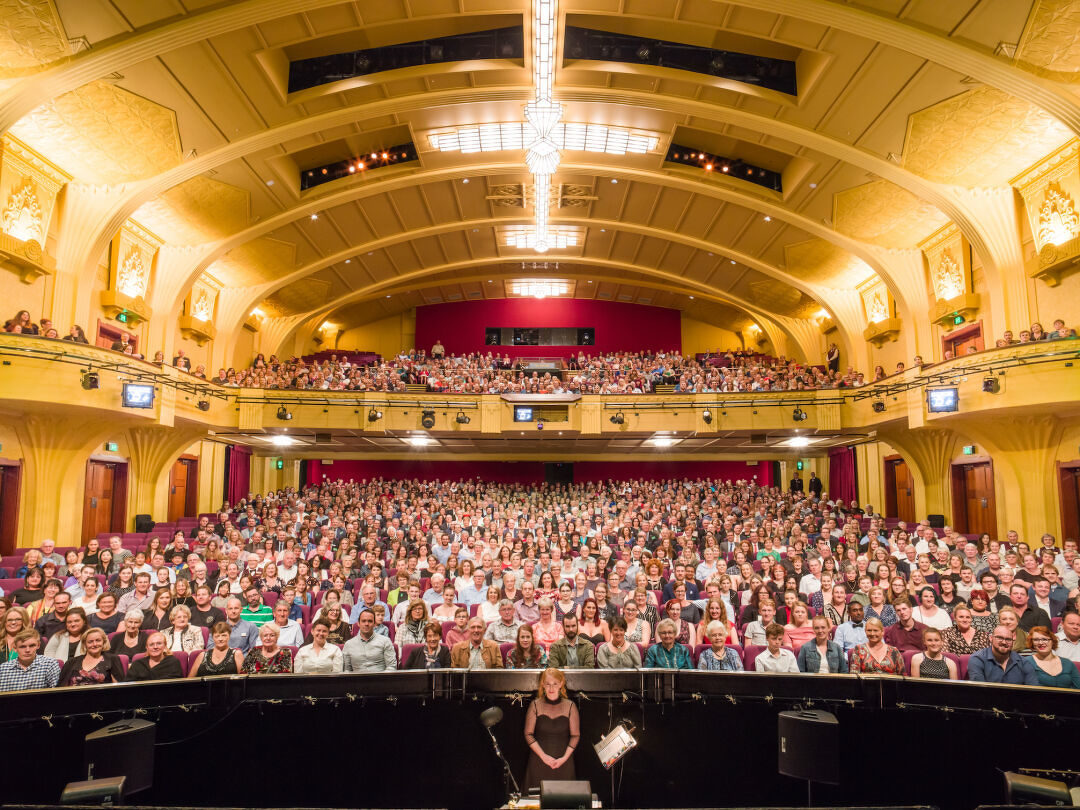
The Empire Theatre has served as an entertainment hub for Toowoomba and the surrounding areas for more than a century. (Photo: Owen Studios / The Empire Theatre website)
Meanwhile in Portugal, the city of Coimbra has come up with an innovative financing model to support their rejuvenation efforts, in the form of a real estate investment fund that brings together public and private resources.
The municipality retains a majority stake in the fund, which can acquire historic properties — many of which are abandoned or dilapidated — from owners who lack the resources to restore and redevelop them.
This enables the city to steer investment towards public goals, such as affordable housing, attracting young residents and tech entrepreneurs, and bringing activity back to the uptown and downtown districts, Abrunhosa said.
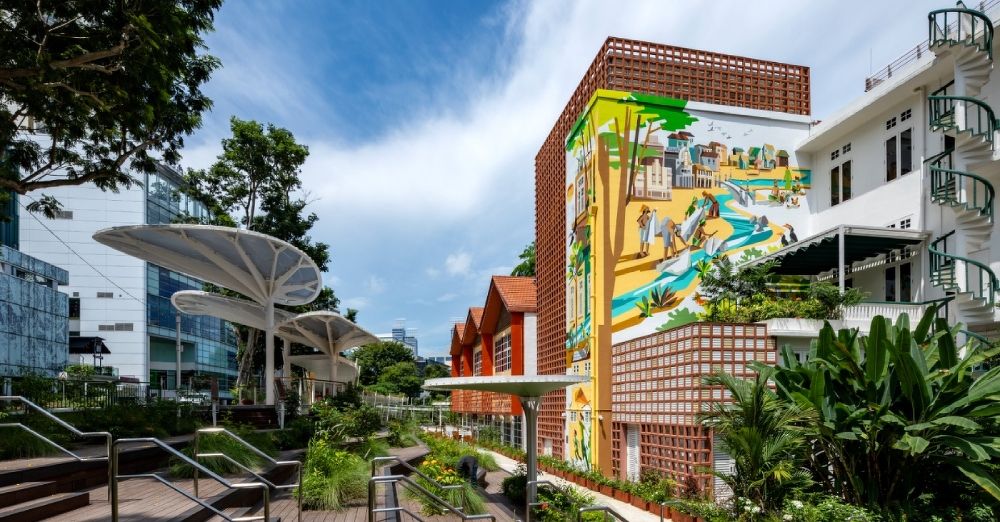
The outdoor space at Temasek Shophouse, a social impact hub in Singapore’s Orchard Road. (Photo: Samuel Isaac Chua/EdgeProp Singapore)
For more news and analysis, read our weekly e-paper. Prefer a print copy? Get it delivered to your home every Monday.
Follow Us
Property updates, 24/7.


Subscribe to Newsletter
Market insights, delivered weekly.
Top Articles
Search