
Reigniting Singapore’s retail scene: A two-pronged solution from gloom to bloom
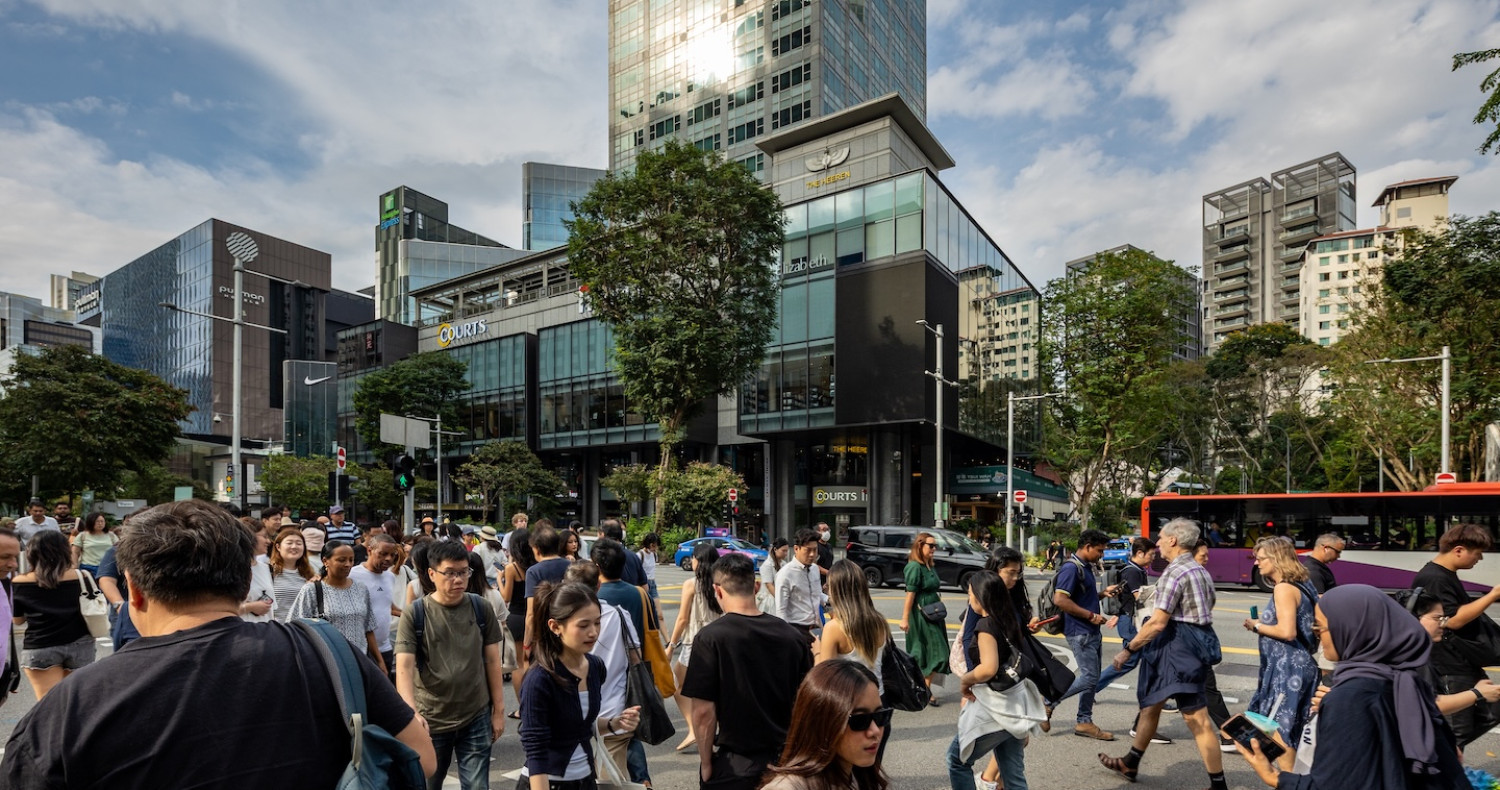
The retail sector contributes to only about 1.4% of GDP and directly employs roughly 3% of the total workforce (Photo: Samuel Isaac Chua/EdgeProp Singapore)
Our retail industry needs major surgery; palliative care won’t work. The situation will at best stagnate — but more likely continue to spiral downwards — unless a wedge is inserted to reverse the cycle.
For years, comments and reports from retailers, consultants, academia and shoppers have pointed to a range of issues highlighting the causes behind the industry’s ill health.
A strong Singapore dollar creates a paradox: reduced tourist spending on shopping, alongside more Singaporeans holidaying abroad and splurging on their “needs and wants”. Other commonly cited problems include high rents, a shortage of manpower, rising labour costs, other sky-rocketing operating expenses, and lately, the resistance to new competitive foreign brands. Many shoppers and critics also describe our malls as being “cookie-cutter” developments, lacking USPs (unique selling propositions) or genuine “wow” factors.
Yet, we have seen no major transformation. There is no silver bullet solution that will bring the industry from gloom to bloom. We need to see both the wood and the trees.
The retail landscape needs to become a blooming field with different species of flowers. At the same time, the current retail business model should be more embracing, with both mall operators and retailers working together as a team. Implementation will be challenging but not insurmountable.
Firstly, the government should step in by using PPP (public-private partnership initiative) with PQM (price quality method) qualification with attached relevant and targeted conditions to use both greenfield and brownfield sites, through a new retail revival scheme (RRS), to fill the glaring bald patches in the landscape: specialty malls and precincts.
At the same time, mall operators should adopt a new “department mall” business model — a hybrid that blends the operational discipline of department stores with the scale and diversity of shopping malls to improve both shopping experience and retail sales. This model will allow for value-added services to be provided to retailers by reviving previously unsuccessful but potentially viable central cost-saving schemes and using these to improve total income through more equitable alliances.
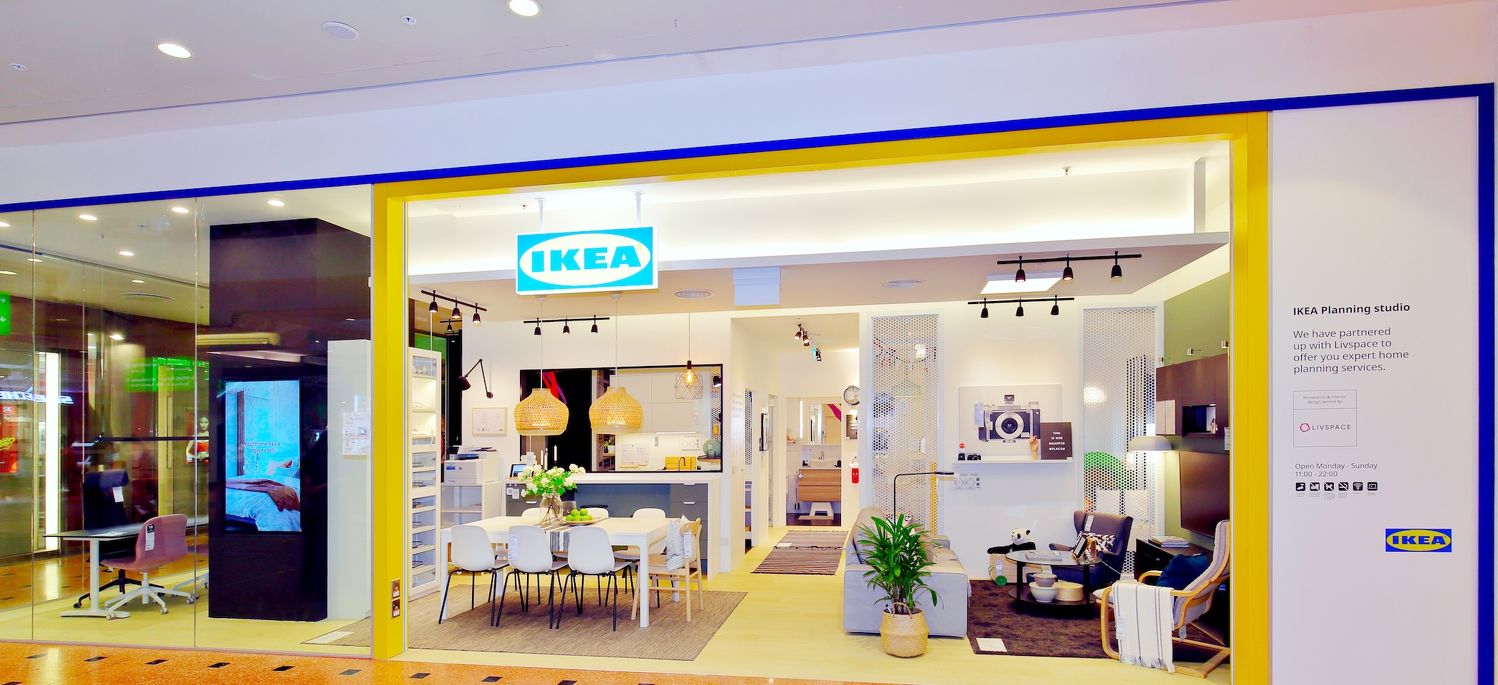
A leading example of a specialty-themed department store that has succeeded globally is Ikea, which sells home and ifestyle products under one brand (All photos by: Samuel Isaac Chua/EdgeProp Singapore)
A core pillar of society
The retail industry contributes only about 1.4% of GDP and directly employs roughly 3% of the total workforce. There are no official estimates of the economic contributions of the support industries within the retail ecosystem. Even taken together, their economic significance may still appear modest.
Yet, consumerism is a dynamic multiplier in any economy and an integral part of it. More importantly, from a public-interest perspective, the government must recognise that while retail is often seen as a barometer of a nation’s living standards, it is also the crucible for social activity, interaction, bonding, integration and community-building. Much of our daily lives revolves around satisfying our needs and wants. The retail industry is therefore a core pillar of society.
The health of this industry affects how we live. Soon, it will be further challenged by the Johor-Singapore Special Economic Zone (JS SEZ). Today, many Singaporeans already cross the Causeway to shop and dine. If nothing is done now to reposition and create uniqueness within our retail landscape, Singapore may follow the fate of Hong Kong’s retail industry, which has been badly affected by its neighbouring “national playground”, Shenzhen.
Online retailing is thriving, but it is driven largely by convenience and price competition. The proliferation of substitutable products has turned products into mere “by-products” of the shopping process. Shopping is not just about buying a product to fulfil a need; it is an excursion to satisfy an emotional want. This presents brick-and-mortar retail with a critical opportunity to differentiate through experience.
NATO: No action, tease only
Talk about re-energising Orchard Road — by pedestrianising the stretch between Scotts and Cairnhill Roads (or even just up to Bideford Road) — has surfaced sporadically over the past 20 years.
The intention is to create a new downtown buzz within this shopping precinct. Clearly the key stakeholders — building owners, retailers, Orchard Road Business Association, Singapore Retailers Association, Singapore Tourism Board, Land Transport Authority and Urban Redevelopment Authority (URA) — have never been fully aligned.
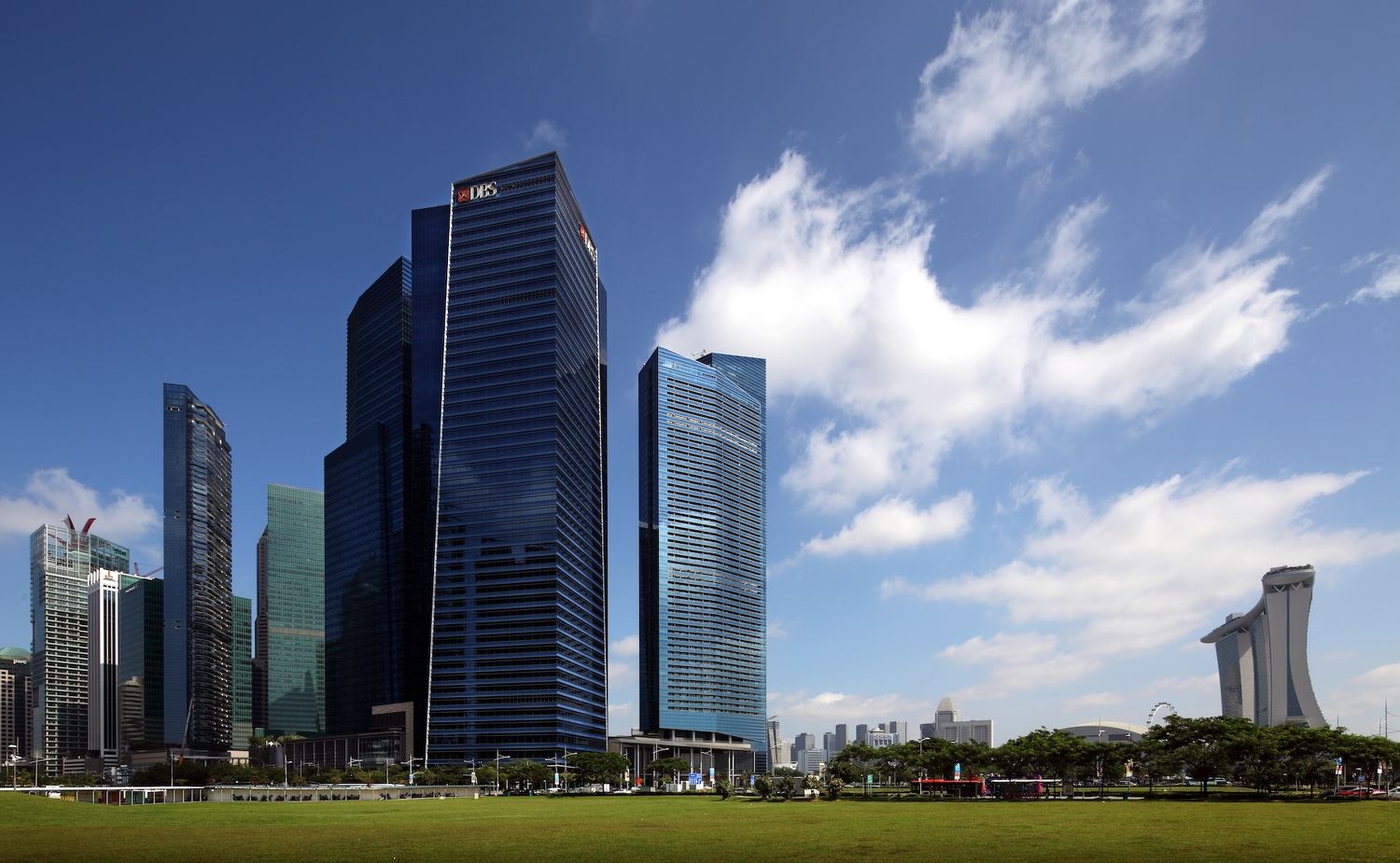
The URA introduced the Business Improvement District grants in locations such as Marina Bay to encourage malls within a precinct to collaborate
In other locations such as Marina Bay and Paya Lebar, URA has introduced Business Improvement District grants, to encourage malls within a precinct to collaborate on promotions, footfall generation and overall vibrancy.
Stakeholders contribute to a promotion budget, with URA matching with dollar-for-dollar grants of up to $500,000. However, given differing vested interests among multiple stakeholders, the impact of such schemes has also been limited.
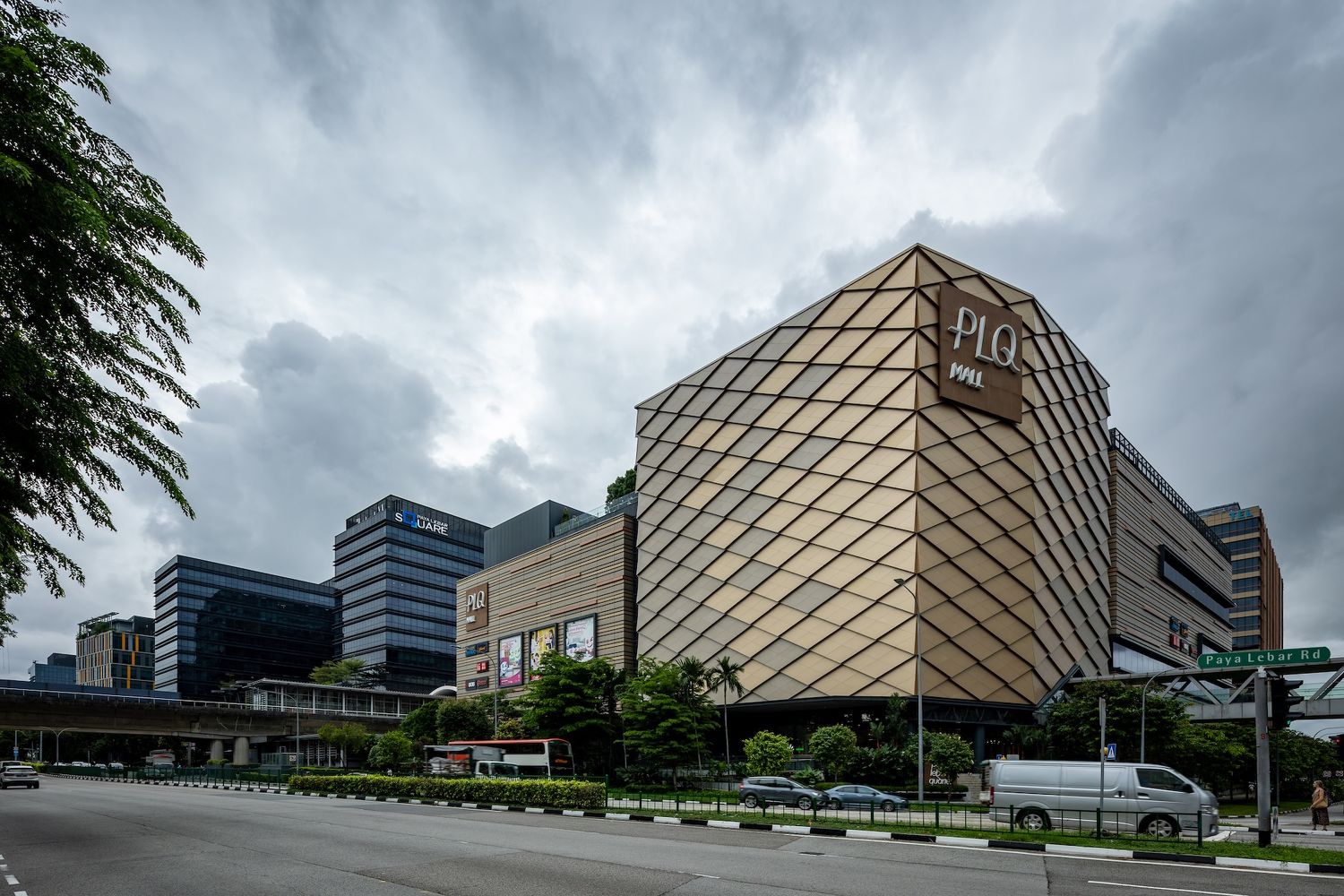
The Business Improvement District grants in locations such as Paya Lebar o encourage malls within a precinct to collaborate on promoting footfall and overall vibrancy
PPP/RRS to the rescue
Beyond the BID initiative, another useful government framework is PPP. A retail-related PPP example is the Singapore Sports Hub, which includes the development and management of Kallang Wave Mall. Many developers are actively seeking new business opportunities. With PQM tender qualifications that include preconditions for adopting our recommended models and more equitable rental structures, developers should be keen to explore such projects.
Environmental and social responsibility should also be included as a key precondition, allowing these developments to showcase Singapore’s national commitment to sustainability. This new RRS would form part of the wedge mechanism needed to reverse the downward spiral and create a more exciting retail landscape.
Both greenfield and brownfield sites are required, with a degree of “blank cheque” flexibility. Improved plot ratios under the scheme would help reduce development costs and, in turn, lower rents. If the government, through the Monetary Authority of Singapore, can provide a $5 billion grant to revitalise a lacklustre stock market, it should — for the sake of our society — be prepared to introduce similar schemes and grants to save the retail industry.
Greenfield or brownfield — a new specialty bloom will enchant
We have entered the Age of Lifestyles. Individuals today live compartmentalised lifestyles — work, leisure, social and home — each distinct, often accompanied by different behaviours and personas.
Shoppers now seek new values aligned with their lifestyles. Products perceived to fill lifestyle gaps are more likely to be noticed, considered, and purchased. As lifestyles multiply, so do needs. Consumerism has expanded. The retail industry should be thriving — not languishing.
Lifestyle specialty malls represent the excitement of the future. But they require both breadth and depth in merchandising. Retailers must seek new lifestyle-driven products, and only small retailers can fill the gap left by large chains.
Malls and more
Critics view our malls as “cookie-cutter” developments. To be fair, generic suburban malls serve their communities well and should not be expected to do more. City fashion malls differentiate themselves through price-point positioning. The rest, however, fall squarely into the critics’ basket.
Quirky malls abound in many Asian cities, adding colour and zest to their retail landscapes. While often perceived as culturally unique, a closer look reveals that they are simply specialty malls — defined by strong, focused themes and deep merchandising strategies.
A leading example of a specialty-themed department store that has succeeded globally is Ikea. It sells home-lifestyle products under a single house brand. Such clearly defined specialty themes tell strong stories and build high expectations. When those expectations are met, these retail models succeed.
Lifestyle specialty malls need not all be quirky; they simply need clarity of purpose and a deep understanding of what their shoppers want. These malls enliven retail landscapes and will be critical in positioning Singapore distinctly — and competitively — against the JS SEZ.
Across Tokyo, Taipei and Bangkok, successful lifestyle specialty malls share two common traits: a clear and enduring theme anchored in culture or lifestyle, and disciplined management that evolves with trends without losing focus. (Please refer to articles, “A tale of three cities” and “Turn brownfield sites into specialty precincts, and greenfield sites into incubators for new ideas”).
Strong themes tell shoppers what to expect. When execution is consistent and compelling, both first-time and repeat visits grow among local shoppers and tourists alike. Mall management teams must thus remain focused over long periods, deepening their merchandising mix to provide breadth and depth that reinforce clear retail narratives. And, variety is often introduced by small and creative retailers.
Yesterday once mall: Adversaries or partners?
Singapore is uniquely mall-centric. Malls house most retailers, and landlords ultimately decide who stays and who leaves — decisions that have led to the demise of some businesses. Despite not being retailers themselves, mall operators wield immense power, yet many mall managers lack formal retail training.
For the past 40 years, mall management models have barely evolved. Operators still see themselves purely as landlords. Their mindset is: “We bring shoppers to the mall; it’s your job to bring them into your store and sell.” What happened to partnership, collaboration and win-win thinking?
The mistrust culminated in the formation of SGTUFF (the Singapore Tenants United for Fairness co-operative) and the enactment of the Lease Agreements for Retail Premises Act 2024. Surely, such adversarial relationships cannot be healthy for the industry.
Industry needs synergistic collaboration, not adversity
In practice, mall operators and retailers have a symbiotic relationship. Their earnings or sources of income flow from the same shoppers’ pockets. Given today’s business management awareness, it is inconceivable that mall operators still leave the fate of their income entirely in the hands of their retailers and do not have a role to play in securing sales income.
A shopper’s personal experience starts even before he enters the mall. Both the mall operator and retailers should work closely together to provide the shopper with a good and exciting shopping journey from the time he enters the mall to the moment he opens his wallet. And such efforts should not be confined to marketing activities.
There are many more detailed coordination that can really impact shoppers’ journeys and experience. Such synergistic collaborations will boost sales. Both the malls and retailers must change their current business and management models to fit the times.
Shopping experience: A journey, not an event
Good retail stories or retail concepts build expectations. Such stories prepare the target audience for what to expect. And when the shopper visits, his expectations must be met, and better still, over-achieved. Expectations are not just about the products they can find. As said earlier, products are relegated to “by-products” status in shopping. The shopper’s total experience during the time spent in the mall is the final criterion he uses to judge.
A good shopping experience stays in the shopper’s mind for a long time, and this experience can be encapsulated into three words: “Discovering, learning and empowering”.
It is about discovering new products. These may not necessarily be new to market, but they may be new to the shopper. Learning is about acquiring knowledge about these products, including their attributes and relevance to the shopper’s lifestyle. And empowering is about having the opportunity and the ability to acquire these products to improve or enrich their lifestyle.
Shopping is about being engaged, having fun and having expectations met. It is about satisfying an emotional want. Experience is a process of the entire shopping journey, not an ambience or a special event.
The charms of department stores
While Singapore’s department stores struggle, those in other Asian cities continue to thrive.
A special charm in department store shopping is the closeness of physical products to the shoppers. Meander through a good department store and you will find products just within arm’s reach. Shoppers can easily discover products they have not seen before.
They can browse and touch the products, and they can reach out for another nearby that catches their attention. This is the fun in shopping. There is no physical distance or barrier, unlike having to enter different specialty or branded shops in a mall just to browse similar products.
More importantly, department stores offer lessons in tight operational control, daily sales tracking, space efficiency, collaborative selling and setting service standards.
When sales are not forthcoming, merchandisers will find ways to work with their suppliers or concessionaires to sell more. All business departments work closely with these business partners to ensure good results — through close cooperation and synergistic collaborations. This is the most important lesson that mall operators must learn and adopt.
The hybrid: Department mall business model
Cross-pollination — or the blending of mall and department store management methods — can create powerful synergies. With this new retail management knowledge, much can be done. New value-add services for retailer tenants create new income streams, but more importantly, they open up opportunities to sell more.
Working closely with retailers to create engaging ambience through shop design and visual displays, uplift service standards and use loyalty programmes to draw targeted shoppers to individual stores must be integral to the overall strategy.
Properly designed IT infrastructure — incorporating AI to support sales management — is a critical business tool that malls should now acquire. Small retailers often lack the hardware and software needed to manage their businesses effectively. Under the department mall model, shared data, information and generated analytical reports and insights will support retailers’ operations, decision-making and more accurate sales programmes.
New income streams
The new department mall model will not only create more opportunities for synergistic collaboration to lift income, but also unlock efficiencies through economies of scale and centralised management. Within such an environment, meaningful cost savings and process optimisation become possible.
Human-resource deployment — including the use of foreign worker quotas — can be optimised across the mall. Previously unsuccessful collective initiatives, such as central dishwashing schemes and in-mall distribution logistics projects, can also be revived. In turn, service providers will need to re-examine their own operations and value propositions.
By delivering new value-add services, retailers can save both time and money on operational needs. In return, they are more willing to pay fees for these services, creating sustainable new income streams beyond rent.
Now with diversified income sources, mall operators can revisit their rent rolls and adopt more equitable earning models. Over time, this helps rebuild trust and mend previously adversarial relationships between landlords and retailers. (Please refer to article, “Today’s saturated retail scene calls for a ‘department mall’ model”).
Business unusual
Given shifting shopping habits, evolving social behaviour and the long-standing structural problems plaguing the industry, there is an urgent need to rethink both the retail landscape and the way malls are managed. This means moving decisively towards specialty malls and precincts, while fundamentally changing how malls conduct their businesses.
The suggested RRS, with clear conditions to foster specialty developments, and adopting the new department mall model can introduce more equitable income structures that protect mall rent rolls and pave the way for a genuine retail revival.
The JB SEZ will succeed and draw shoppers away. Singapore cannot compete on price alone. Our retail industry must reposition itself and compete through differentiated formats, stronger experiences and new business models. Business cannot be as usual.
For more on the evolving retail landscape:
Follow Us
Property updates, 24/7.


Subscribe to Newsletter
Market insights, delivered weekly.
Top Articles
Search