Singapore leads Asia Pacific logistics rent growth amid tight supply, demand for specialised facilities

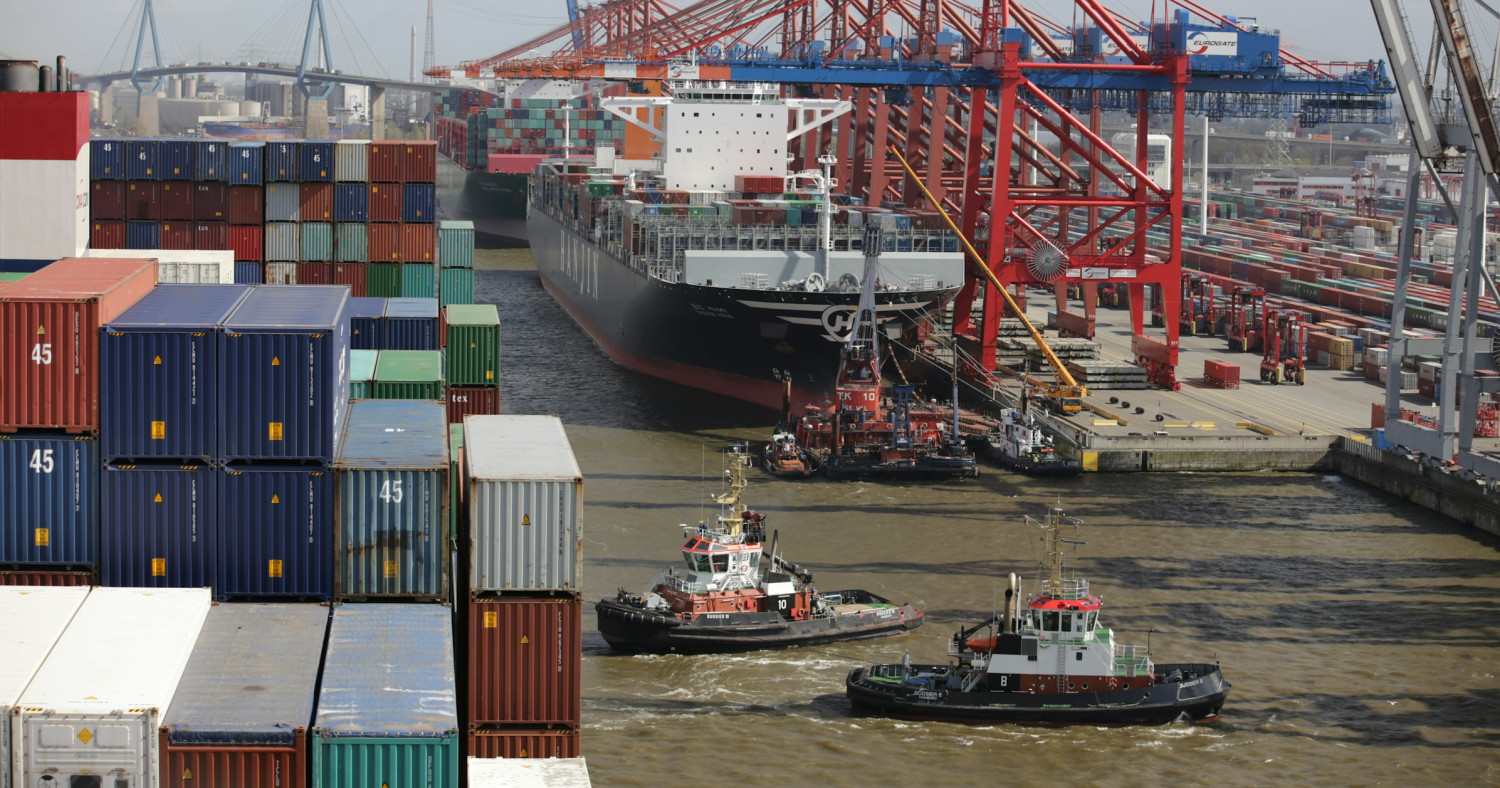
Asia Pacific logistics rents edge up in 2025, with Singapore standing out amid limited supply (Photo: Unsplash)
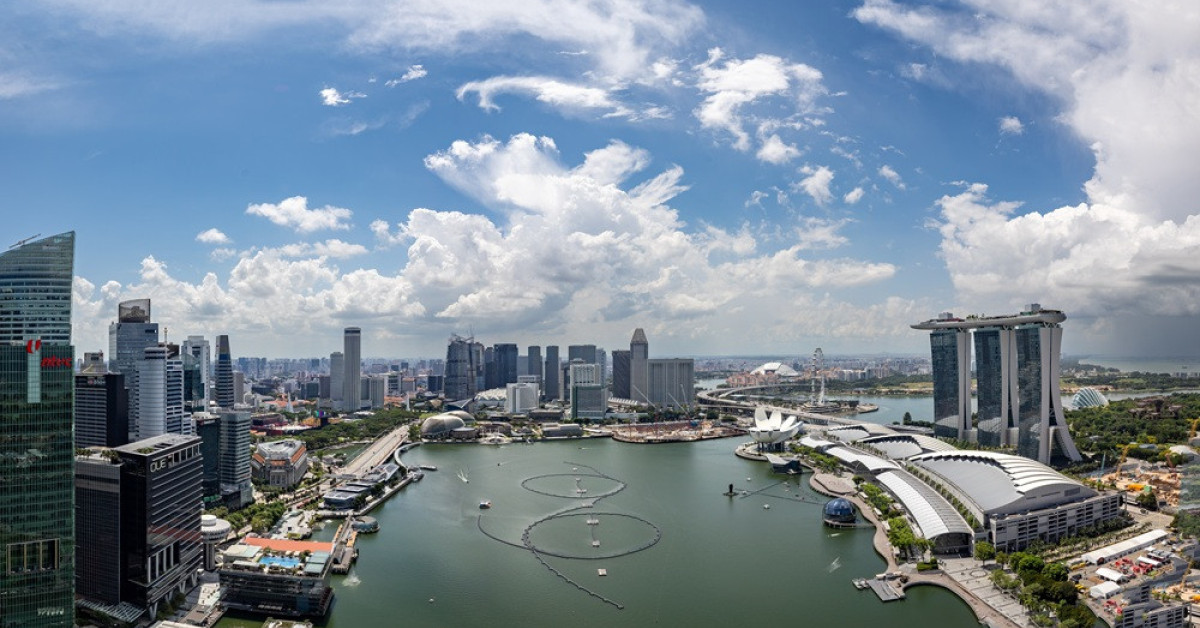
Logistics rents across Asia Pacific (Apac) edged up 0.2% in 2025, reflecting a broadly stable market, with Singapore standing out as the region’s strongest performer amid tight supply and demand from manufacturers and third-party logistics (3PL) providers for specialised facilities.
According to Knight Frank’s Asia Pacific Logistics Highlights for 2H2025, logistics rents in Singapore rose more than 7%.
Across the region, logistics rents rose 0.3% in the second half of the year, with companies increasingly taking up space in phases rather than committing to large requirements all at once, amid ongoing tariff uncertainty.
Advertisement
Advertisement
Knight Frank noted that companies are increasingly taking space in phases, rather than committing to large requirements upfront, as they prioritise flexibility in an evolving policy environment.

Supply chain shifts underpin demand

Tim Armstrong, global head of occupier strategy and solutions at Knight Frank, says: “While US trade policies will remain fluid in 2026, occupiers are expected to gradually adapt to the structural uncertainty.”. Rather than relying on short-term tariff workarounds, companies are moving towards longer-term supply chain realignments, including supplier diversification, higher inventory buffers and friend-shoring strategies.
Against this backdrop, demand for logistics space in the region is expected to remain resilient, supported by selective expansion. Armstrong adds that reliance on contract logistics solutions is also rising, as firms look to navigate higher supply chain complexities while remaining operationally agile — which could result in growing demand from 3PL providers.

Southeast Asia and India show firmer momentum

Emerging markets in Southeast Asia and India recorded firmer rental trends in 2H2025, driven by manufacturers diversifying production bases, and 3PL and e-commerce occupiers expanding logistics footprints.
Heightened tariff uncertainty has accelerated “China+n” strategies, with occupiers exploring split footprints across Southeast Asia and India to hedge cross-border tariff risks.
In Greater Ho Chi Minh City, logistics rents rose 2.8% over the half-year following new modern warehouse completions in Long An and Dong Nai. Take-up was supported by regional 3PL operators.
Advertisement
Advertisement
India posted rental growth of 1.5% in 2H2025, despite higher tariffs on exports to the US. Demand remained robust in Bengaluru, Mumbai and Delhi-NCR, supported by manufacturing expansion and a continued flight to quality. More than 60% of leasing activity occurred in prime facilities, highlighting occupiers’ preference for modern, efficient assets.
Elsewhere in Southeast Asia, Jakarta saw broad-based demand from manufacturers and logistics firms, while container carriers expanded intra-Asian capacity through 2025 as production activity increasingly shifted across borders.

China markets weighed by oversupply

In contrast, logistics markets in China faced pressure from a surge in new supply. Large completions in Beijing and Shanghai lifted total inventory by more than 15% in 2025, pushing vacancy rates to 28.3%.
As a result, rents in both cities fell 14.3% y-o-y, with landlords adopting more aggressive pricing strategies to maintain occupancy levels. Knight Frank notes that while current conditions remain soft, ongoing logistics infrastructure upgrades and policy measures aimed at boosting domestic consumption could help stabilise market conditions towards the end of 2026.

Growth to moderate in 2026

Looking ahead, Knight Frank expects logistics rental growth across most Apac markets to remain below 2% in 2026, as elevated supply pipelines coincide with more measured occupier expansion.
Christine Li, head of research for Apac at Knight Frank, says the region is nonetheless well positioned to navigate a transition towards normalised headline trade growth in Apac as the front-loaded export surge wanes in 2026.
Advertisement
Advertisement
Li points to nations forging deeper intra-regional trade links and fast-tracking trade agreements. “While rental growth will remain restrained as firms across the region adapt with leaner footprints, it reflects a market increasingly anchored by demand-led fundamentals that are more sustainable and resilient,” she added.
For more news and analysis, read our weekly e-paper. Prefer a print copy? Get it delivered to your home every Monday.
Follow Us
Property updates, 24/7.
Subscribe to Newsletter
Market insights, delivered weekly.